Aerostar sa         

Since its establishment in 1953, the company’s name has changed in turn from U.R.A. to I.R.Av, I.Av. and finally Aerostar. It has been a subsidiary of the Ministry of Armed Forces, Air Defence Headquarters, General Industrial Direction of the Army, the Ministry of Machine Building Industry as part of the Central Department for Fine Mechanics and Aeronautical Industry, of Bucharest Aeronautical Group or of the National Centre of the Romanian Aeronautical industry.

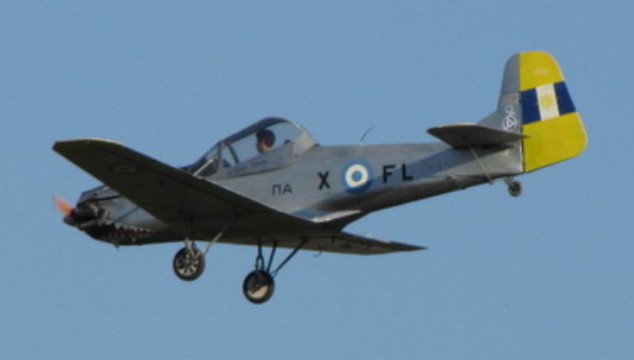
Aerostar has provided repair and maintenance services for all the aircraft types used by the Romanian military. The company also developed the IAR-93 twin-engine, tactical ground attack and reconnaissance aircraft, the first fighter aircraft built in Romania after World War II. Upgrade programs for the MiG-21 (MiG-21 LanceR) and MiG-29 were developed by Aerostar in co-operation with Elbit Systems.

The company (based in Bacău, Romania) has produced more than 1800 Yak-52 aircraft, in three versions – IAK-52, IAK-52W and IAK-52TW.

Aerostar upgraded the Romanian Air Force’s MiG-21 LanceR aircraft. This program included the development of upgrade programs for the MiG-21, and MiG-21 bis and also the MiG-29 SNIPER upgrade demonstrator program. A modernization program was also carried out on the YAK-52W and YAK-52TW trainers. The LAROM modernization program upgraded the 40 APRA 122 FMC multiple rocket launchers belonging to the army.

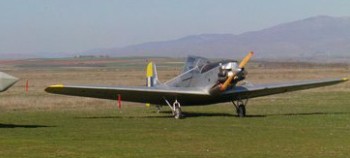
Aerostar developed its own light civil aircraft for aerobatics and sport aviation, including the Festival light-sport aircraft.

The company has engaged in international projects with Elbit Systems, Thales Group (Thomson-CSF), EADS (DaimlerChrysler Aerospace) or Textron Marine & Land Systems.
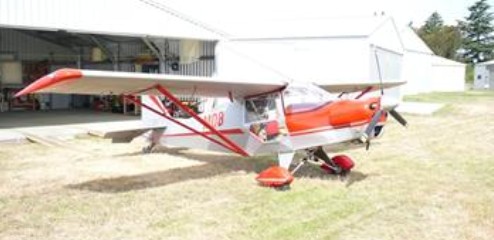
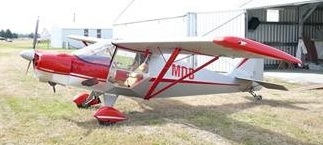
Aerosport / Aeropup Aircraft Aeropup

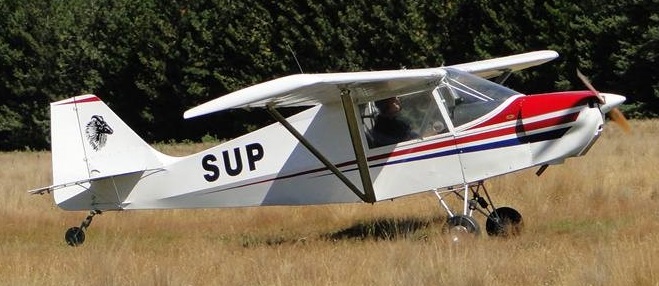
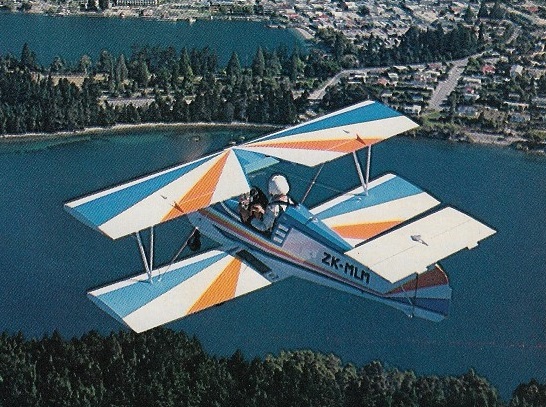
Australian made the Aeropup is an ultralight with dual controls. The wings fold back for transporting.
Fast folding wings enable one person to swing the wings back to trailer width without help in minutes.

Gallery

Engine: Rotax 912 UL 80 HP
Propeller: Warp drive ground adjustable
Wing Span: 8.2 m
Length: 6.03m
Wing Area: 10.06 sq.m
Empty Wt: 200-290 kg / 440-640 lb
MTOW: 544-600kg / 1199-1320 lb
Fuel Capacity: 90lt
VNE: 200 kmh / 130 kts
Max speed: 185 kph / 100 kts
Stall speed: 66-84 kph / 36-45 kts
Wing Chord: 1.225 m
Dihedral: 2 Deg
Cabin width: 42 in
Cabin height: 37 in
Seats: 2

Stall: 40 kt / 46 mph / 74 kmh
Cruise: 100 kt / 115 mph / 185 kmh
VNE: 130 kt / 150 mph / 241 kmh
Empty Weight: 220 kg / 485 lbs
MTOW Weight: 750 kg / 1653 lbs
Climb Ratio: 1200 ft/min / 6 m/s
Take-off distance (50ft obstacle): 260 ft / 79 m
Landing distance (50ft obstacle): 300 ft / 91 m
2009 Price: 18000 US$

Aerosport / Aeropup SupaPup

SupaPup Mk.2

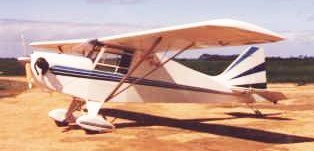
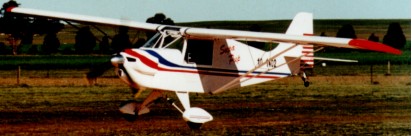
The pedigree of the SUPAPUP goes back to the early eighties when they were being individually hand built in Hahndorf, South Australia. The production gradually built up through Mk.1, Mk.2, and Mk.3 versions. Around 1987, production ceased and the former company disbanded due to having to invest prohibitive amounts of money to comply with stringent Australian aviation rules. Around forty deposit paid orders were refunded. The new company redesigned the concept to incorporate some very saleable features including the Fast Fold wing feature and invested the money necessary to bring the SUPAPUP to full maturity as a production plane made using jigs, and then designed the Aeropup in kit form.
The Australian designed and built Supa Pup 2 is a conventional looking strut braced high wing tail dragger built of aircraft grade materials, chrom moly tube fuselage along with aircraft construction methods. The design criteria of the Supa 2 is to cater for the increased demand and reduce the man hour/cost production, the result is a more streamlined comfortable and efficient aircraft with better flight characteristics that still retains all the excellent qualities of the original Supa Pup. Rotax 447 engine is an option.

SupaPup Mk.4

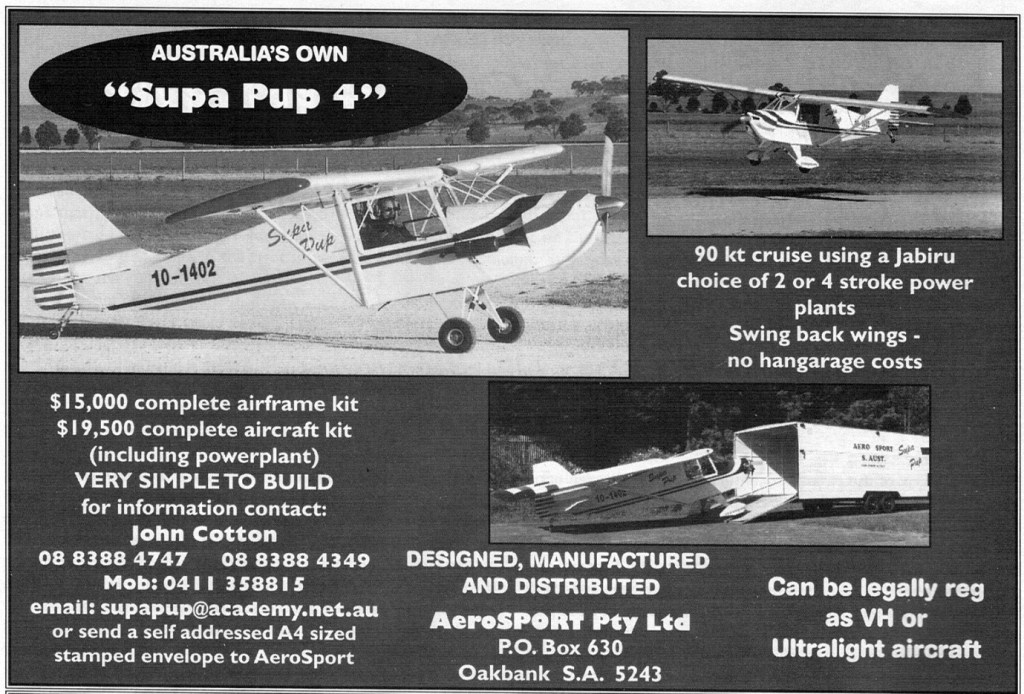
Offered the Supa Pup 4 single-seat cabin lightplane in assembled or kit forms (first flown 1994). The Supa Pup 4 features folding wings.

Supapup Mk.IV
MArch 1999

Gallery

Mk.2
Engine: 2-cyl horiz opp 4-stroke
Wingspan: 8.33m
Length: 5.56m
Weight: 136 kg
Fuel capacity: 36 ltr
Econ cruise speed: 56 kts
Stall: 28kts
Cabin width: 24 in
Cabin height: 37 in

Mk.4
Engine options: Jabiru 1600, 54hp, Rotax 503, Rotax 582
Length: 5.7m
Wing span: 7.925m
Wing area: 9.5 sq.m
Chord: 1.225m
Dihedral: 2 degs
Empty wt: 180-200kg
Max t/o wt: 340kg
Fuel cap: 54 lt
Vne: 130 kts
Cruise: 95 kts
Stall: 35 kts
Cabin width: 24 in
Cabin height: 37 in
Seats: 1

Supapup Mk.IV
Engine: Jabiru 2.2
Cruise: 90 kt
ROC: 1000-1100 fpm
Seats: 1

Aerosports Gr SF-1 Archon            

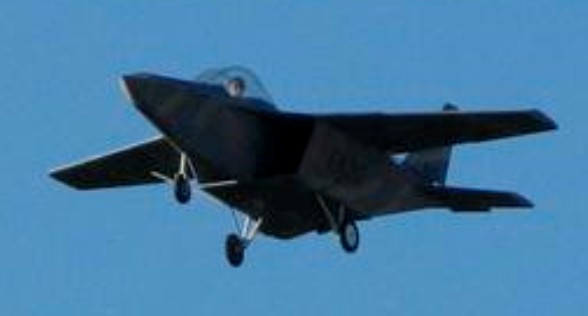
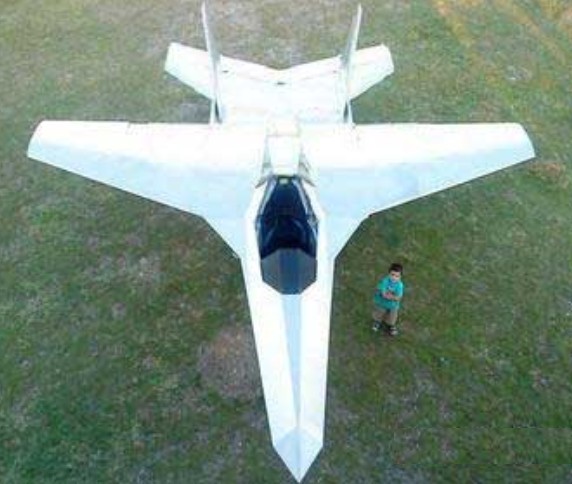
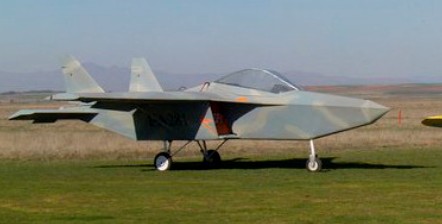
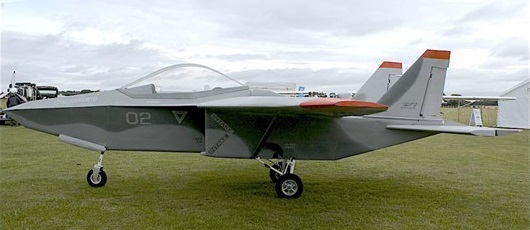
Planning on building a new generation sport, ultralight fighter was hindered by construction technology at that time. Almost a decade had gone by without any actual development regarding this type of aircraft before work began.

The SF/1 Archon is made from aircraft aluminum alloy, designed with lines like a real Jet fighter. Wing removal time is approximately 30 min.

All metal construction from aircraft aluminium alloy.
Requires just basic skills and tools to assemble in a small workshop.

Engine: 50 hp
hp range: 40-130
Prop diameter max: 1.6m
Wingspan: 7.25m
Length: 8m
Height: 2.2m
Empty weight: 205 kg / 452 lb
Gross weight: 300 kg / 661 lb
Fuel capacity: 42 lt
Fuel consumption: 12 lit/h
Vne: 113 kts / 130 mph / 210 kph
Stall: 65 kph / 35 kts / 40 mph
Cruise speed: 81 kts / 93 mph / 150 kph
Vmo: 180 kph
Va: 155 kph
Vfe: 110 kph
Climb rate: 800 ft/min / 4 m/s
Glide ratio: 7-1
Load factor: +4/-2 G
Take off distance over 50ft (15m) obstacle: 490 ft / 150 m
Landing distance over 50ft (15m) obstacle: 490 ft / 150 m

Aerosport Scamp

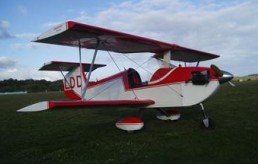
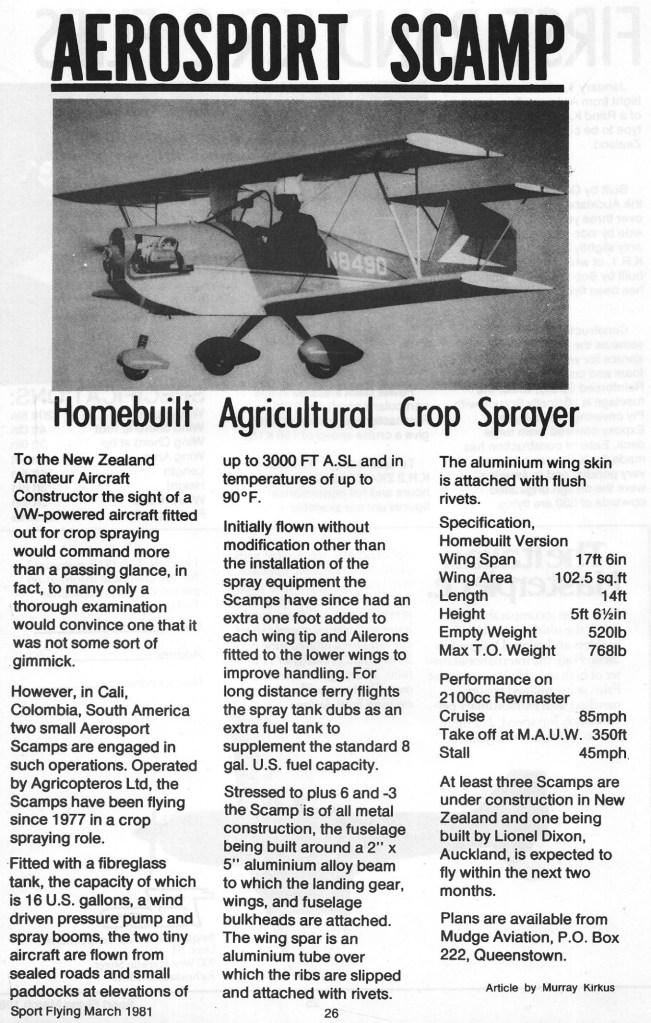
Designed by R D Fehlner, E B Trent and Harris Woods the Scamp originally with a tailwheel around a box keel of 5” x 2” extruded aluminium, to which are attached the landing gear, bottom wings, empennage, and fuselage bulkheads, as well as another extruded piece running vertically in front of the pilot to hold the top wing. All spars are tubular aluminium, and the strength in this basic structure gives it aerobatic capabilities. The Scamp can be used for limited aerobatics and is stressed to + 6G and -3G. An open-cockpit, single-seater biplane with T-tail, and tricycle undercarriage. A fibreglass engine cowling was supplied in the kit.

It was marketed as plans and kits for home-builders, reportedly 1,050 plan sets sold.

First flown in 1974, the Scamp can be built from either plans or a kit.

At least one example has been fitted out as a sprayer in South America. Powered by a 2100 cc Revmaster, it has a tank slung underneath with a 200 lb agricultural overload.

Price in 1982: $4,460 (with plans, excludes engine). Units delivered to June 1982: 78.

Engine: VW
Gross weight: 768 lb
Empty weight: 520 lb
Useful load: 248 lb
Fuel capacity: 30 USG
Wingspan: 17 ft 6 in
Length: 14 ft
Top speed: 105 mph
Cruise speed: 90 mph
Stall: 45 mph
Ceiling: 12,000 ft
Takeoff dist: 300 ft
Landing roll: 400 ft
Range: 150 mile
Max X-wind: 30 kt

Aerosport Rail

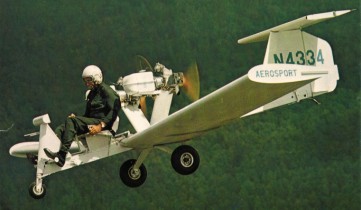
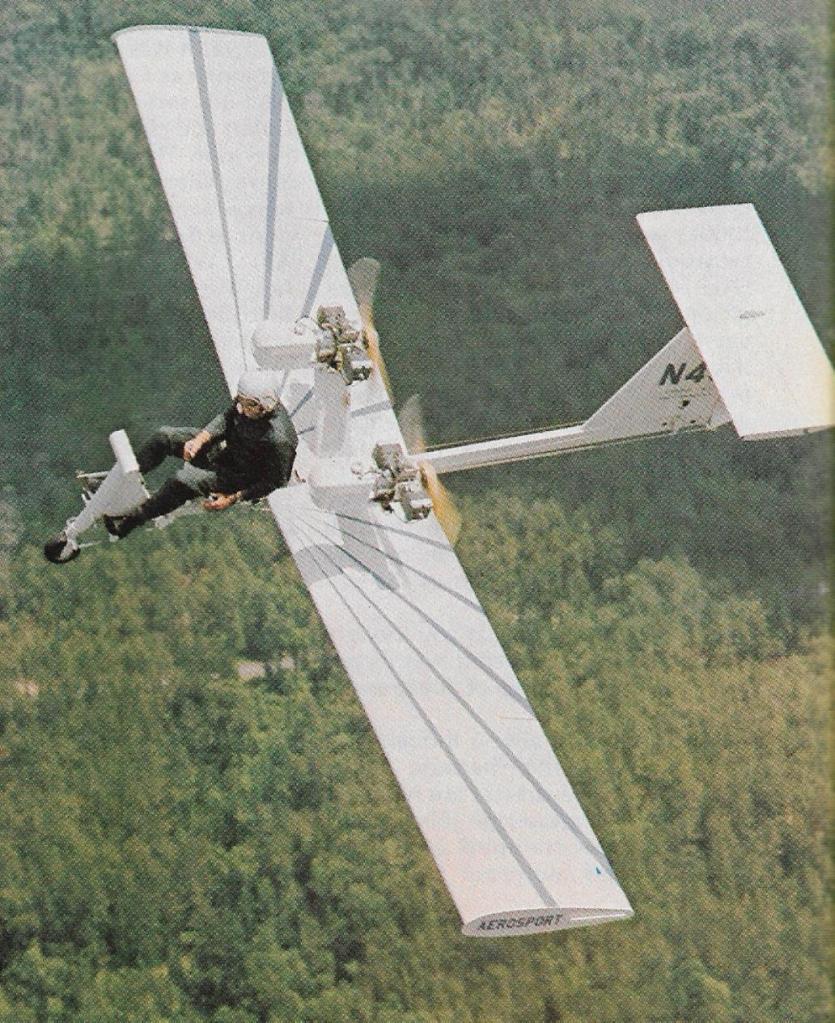
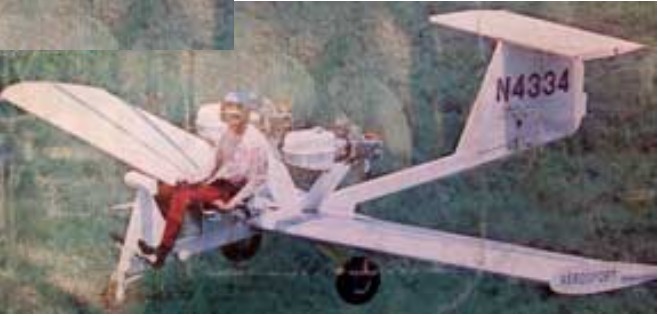
Designed by Mr H. L. Woods and first the first, N4334, flown 4 November 1970, the Aerosport Rail was the third of a series of open aircraft meant to be flown at lower speeds and altitudes for fun. With safety in mind, it was de¬signed to meet all FAA Normal Category Certification requirements. Its twin engines have separate fuel and ignition systems for reliability. The original open-air pusher was powered by twin Aerosport 600 engines rated at 25 hp each. Top speed was about 80 mph, while standard cruise was cited at 60 mph.

Powered by 33 hp two-stroke engines, it has a top speed of 95 mph (153 kph).

The Mk II Rail has been changed to take a modified Volkswagen powerplant mounted behind the pilot’s head. The all-metal Rail seats only one, stands on a tricycle gear and makes use of a T-type tail assembly. The Rail has always emphasized easy construction, simplified tools and economy of operation.

Rail Mk.II

Rail
Engines: 2 x Aerosport-Rockwell JLO LB-600/2, 33 hp
Wing span: 23 ft 3.5 in / 7.1 m
Length: 15 ft 9 in / 4.8 m
Height: 6 ft 0 in / 1.83 m
Max TO wt: 710 lb / 322 kg
Useful load: 272 lb
Max level speed: 95 mph / 153 kph
Cruise: 66 mph
Stall: 45 mph
Range: 120 mi
Ceiling: 12,000′
Seats: 1

Rail Mk.II
Engine: VW 1600-2100cc
Gross weight: 100 lb
Empty weight: 438 lb
Fuel capacity: 8.5 USG
Wingspan: 23.3 ft
Length: 16 ft 7 in
Vmax: 90 mph
Cruise speed: 66 mph
Climb rate: 900 fpm
Stall: 45 mph
Ceiling: 12,000ft
Takeoff dist: 230 ft
Landing roll: 300 ft
Range: 100 sm

Rail MkII
Engines; 2 x Rockwell JLO LB-600 snow mobile pusher, 33 hp at 4300 rpm
Engines weight: about 56 lbs
Wing span: 23’ 3 0.5”
Wing area: 81.5 sq/ft
Length: 15’ 9”
Height: 6’
Empty weight: 438 lb
Seat: 1
Undercarriage: Tricycle steerable nose wheel

Aerosport Quail

The 1971 Quail is a stubby, little single-seater with an enclosed cabin that can be powered by a variety of engines, the KAM-25 Kiekhaefer, the Volkswagen 1600, 1700 or the Franklin 2 cyl. This high-wing plane is constructed of all metal and stands on tricycle landing gear. The Quail’s wing is similar to that of the Rail, and also like the Rail its tricycle gear can be equipped with optional wheel fairings.

The first, N88760, first flew in December 1971.

One of the lightest all-metal homebuilts, outside the ultralight category at 435 pounds, the Aerosport Quail gets 32mpg, has a rugged spring gear for rough fields, is easily built using Pop rivets, has pilot comfort in the cabin and a complete electrical system.

Engine: VW 1500cc
Gross weight: 792 lb
Empty weight: 534 lb
Fuel capacity: 10 USG
Wingspan: 24 ft
Length: 15ft 11in
Vmax: 125 mph
Cruise: 110 mph
Climb rate: 820 fpm
Stall: 45 mph
Ceiling: 12,000ft
Takeoff run: 340ft
Landing roll: 500ft

Engine: VW 1600 cc
Gross weight: 792 lb
Empty weight: 534 lb
Fuel capacity: 10 USG
Wingspan: 24 ft
Length: 15ft 11in
Top speed: 130 mph
Cruise: 115 mph
Stall: 48 mph
Climb rate: 850 fpm
Ceiling: 12,000 ft
Takeoff dist: 300 ft
Landing roll: 400 ft
Range: 230 sm