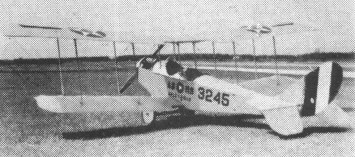
The Jenny is a three-quarter scale replica of the famous Curtiss JN4D Jenny Trainer. Although this ultralight version has a rear cockpit it is there purely for aesthetics and is non-functional. The airframe is gussett riveted aluminium tubing covered in a doped dacron finish. Centre mounted joy stick, rudder pedals.
I flew one many years ago here in Australia. A delightful short range aircraft. The ailerons do not exist. What there is are spoilers on the tops of the upper wings and controlled by a linen cord that pulled them up thus spoiling the air flow. Spoiler up and the lift on the other side raised that wing thus a turn. Real STOL take-off and landing. Mt first experience with a two stroke. Love to own this Curtiss Jenny! Now I can say that I have flown both a Curtiss Jenny and a Boeing! (A Stearman). David Prossor
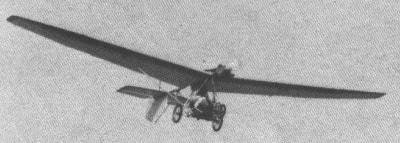
Single seat single engined high wing monoplane with conventional three axis control. Wing has unswept leading edge, swept forward trailing edge and tapering chord; cruciform tail. Pitch control by elevator on tail; yaw control by fin mounted rudder; roll control by one third span ailerons; control inputs through stick for pitch/roll and pedals for yaw. Wing braced from below by struts; wing profile; double surface. Undercarriage has three wheels in tricycle formation; steel ¬spring suspension on nosewheel and steel spring suspension on main wheels. Nosewheel steering connected to yaw control. Brake on nosewheel. Aluminium tube 6063-T6 framework, without pod. Engine mounted at wing height driving tractor propeller. Wing spar strut braced to the cage, ribs made of foam and unidirectional glass fibre and epoxy.
The Cloudbuster made its appearance in 1981. It is fitted with a rigid wing with duralumin tube spars and ribs of high density polyurethane foam, reinforced by a layer of unidirectional glass fibre and epoxy. Wing and tail surface covering is 1.7-ounce Dacron. The leading edge is vinyl and the trailing edge is aluminium sheet bonded to the back of the spars with epoxy. At the wing tips there are semi elliptic saumons and the ailerons are hinged from a false spar. Undecarriage was tricycle with coil-spring independent suspension and a steerable nosewheel. The main wheels are 20”, and the nose wheel is 16”. A hand-operated bicycle-type brake is fitted to the nosewheel. The prototype Cloudbuster was equipped with a Skylark Ultra 342 motor and a 2.0 reduction gear turning a two-blade Woody’s prop measuring 58×27”, which was dropped on the initial production models in favour of the Zenoah G25B developing 20 hp at 6500 rpm. Two other options were offered for this machine; the Cuyuna 215R (20hp at 5500 rpm) with a 2.5/1 reduction drive, or the Cuyuna 430R (30 hp at 5500 rpm). Transport by road requires a trailer, the two half wings and the horizontal tail surfaces being de mounted. The Cloudbuster is sold as a kit at various stages of finish with or without motor at the choice of the customer. The price was dependent on the kit chosen.
Engine displacement 430 Cuyuna or 342 Ultra (rated 35 and 30 hp). Wingspan 36 ft. Wing area 150 sq.ft. Overall length 15 ft 6 in
Engine: Zenoah G25B, 20 hp at 6500 rpm. Belt reduction, ratio 2.5/1. Power per unit area 0.13 hp/sq.ft, 1.40 hp/sq.m. Fuel capacity 3.5 US gal, 2.9 Imp gal, 13 litre. Length overall 15.6 ft, 4.72 m. Height overall 7.4 ft, 2.23 m. Wing span 37 ft, 11.28 m. Mean chord 4.1ft, 1.24 m. Total wing area l53sq.ft, 14.2 sq.m. Wing aspect ratio 8.9/1. Nosewheel diameter overall 16 inch, 40 cm. Main wheels diameter overall 20 inch, 50 cm. Empty weight 248 lb, 112kg. Max take off weight 532 lb, 241kg. Payload 284 lb, 129kg. Max wing loading 3.48 lb/sq.ft, 17.0kg/sq.m. Max power loading 26.6 lb/hp, 12.0kg/hp. Load factors; +4.5, 2.25 ultimate. Max level speed 60 mph, 97 kph. Never exceed speed 65 mph, 105kph. Economic cruising speed 45 mph, 72 kph. Stalling speed 25 mph, 40 kph. Max climb rate at sea level 650 ft/min, 3.3 m/s. Min sink rate 260 ft/min, 1.3 m/s. Best glide ratio with power off 13/1 at 32 mph, 51 kph. Take off distance 80 ft, 25 m. Landing distance 100 ft, 30 m. Service ceiling 10,000ft, 3050 m. Range at average cruising speed 135 mile, 217 km.
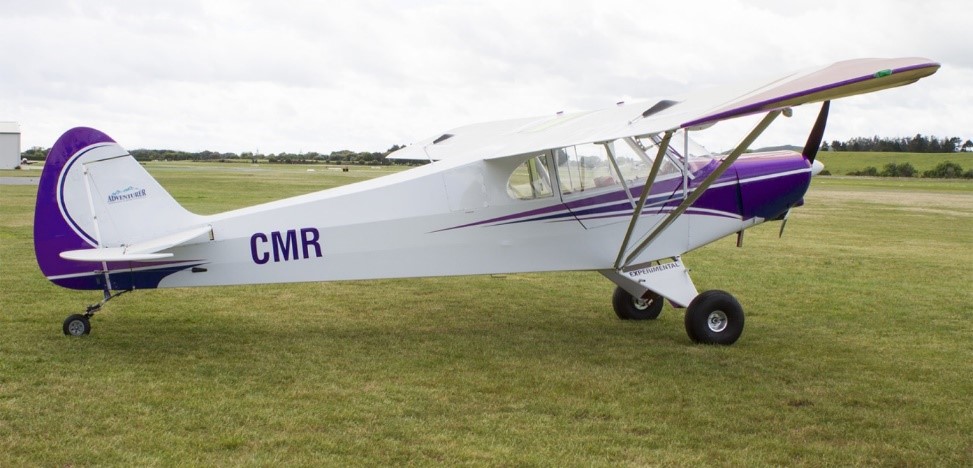
The CA18-1320 is the lightest weight version. It is designed for New Zealand’s CAA Class Two Microlight category with a maximum all up weight of 600Kgs.
The basic aircraft does not come equipped with flaps or large grass all terrain tyres to keep weight to a minimum. Fuel is limited in each wing tank to 35 litres.
For this model you can choose between a full size J3 or PA18 Cub. The added bonus is that solo flight is from the front seat.
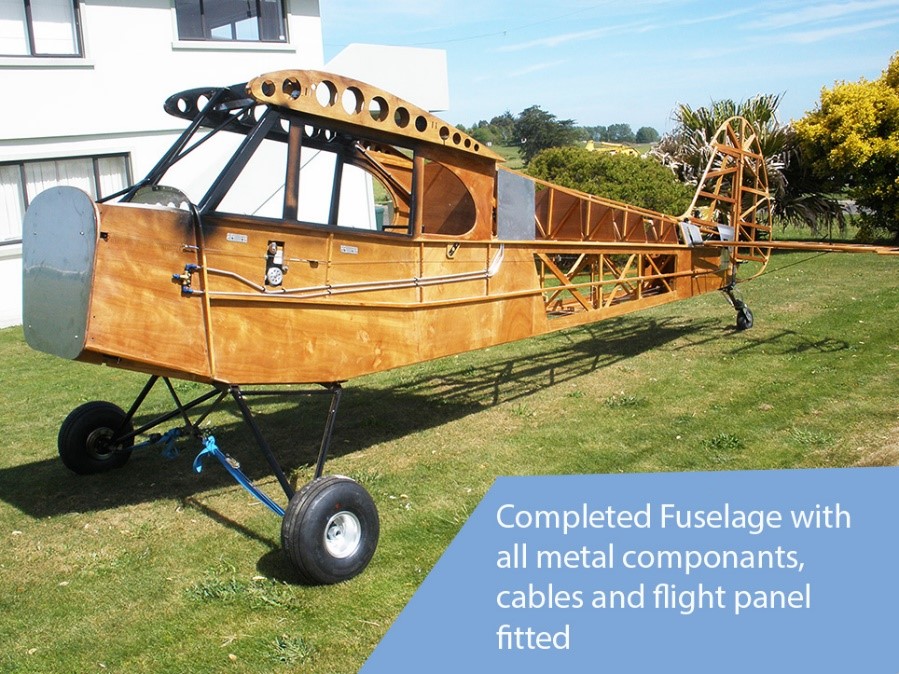
The CA18-1530 model is based on the 100hp Cub. With its 1530 MAUW capacity this model is suited for engines up to 120hp. To accommodate the increased weight capacity from the CA18-1320 model, it has increased size of the timber framework within the fuselage. The wings are the same, however the wing lift struts are larger and 50 litre fuel tanks are fitted.
Extra options available for the CA18-1530 model include:
Flaps
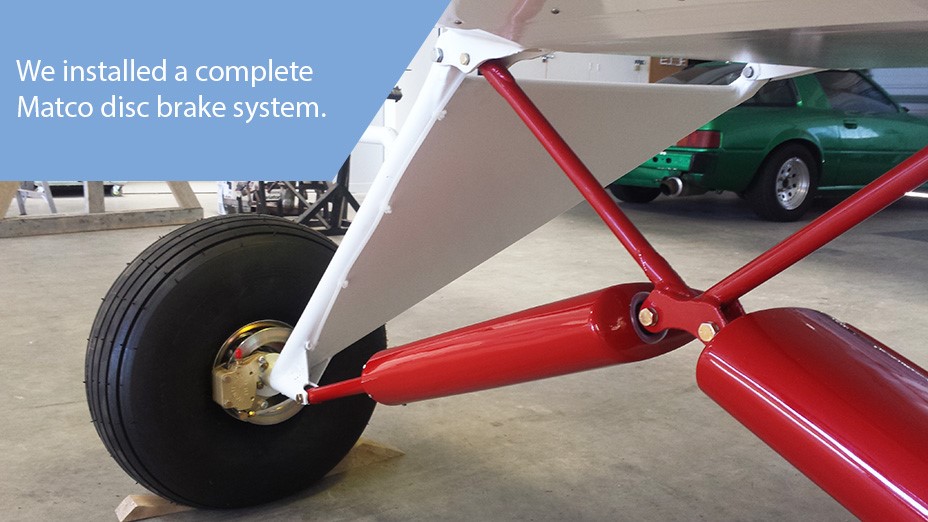
Larger main landing gear tries & rim kits for disc brake mounts
Large tail wheel assembly
Navagation and runway lighting kit
The CA18-1920 model is based on a 180hp retro fitted PA18 Super Cub. The CA18-1920 has a maximum all up weight of 1920lbs. To accommodate the increased load capacity, the timber framework within the fuselage along with the wing spar caps have been increased in size.
This model is an ideal platform to fit a STOL kit for those shorter and rougher landing areas.
CADL was to be offering STOL components for this model by the end of 2016, the components were to include:
Fibre glass hoerner style wing tips
Carbon fibre leading edge coverings (to replace the plywood)
CA18-1320 Engine: Continental 0-200 / Rotax 912, 100 hp Wing span: 10.668 m / 35.0 ft Wing Area: 15.80 sq/m / 178.5 ft MAUW: 1320 lbs Fuel Capacity: 2 x 35 lt Total useable fuel: 68 lt Fuel type: 100 LL Avgas/ MOGAS Main Landing Gear Tires: 6.00 x 4 Tail Wheel: 2.50 x 4 Axles & Bearings: 1 – ¼ inch Brakes: Matco MLG Wing Loading: 43.92 kgs/m / 8.5 lbs/ft Wheel Base: 5.059 m / 16 ft Wheel Track: 1.879 m / 74 in Main Wheels: 21×8.00×6, 18 psi Tail Wheel: 2.80×4, 20 psi Elevator Maximum up Deflection: 25⁰ Elevator Maximum Down Deflection: 15⁰ Elevator Trim Maximum up Deflection: 3⁰ Elevator Maximum Down Deflection: 4⁰ Rudder Defection Left & Right: 25⁰ Tail wheel defection before unlocks to 360deg: 22⁰ Aileron deflection: Up 18deg, Down 18deg Maximum G: +4, -0 Service Ceiling: 13,500ft Manoeuvring Speed: 85 mph Maximum Cruise: 100 mph Never Exceed (Vne): 120 mph Rate of Climb: 524 fpm at 71 mph Best Angle of Climb: 64 mph Best Rate of Climb (Ratio): 1 to 9.4 Stall Speed: 38 mph
CA18-1530 Engine: Continental O-200, 100 hp Prop: Omega 71 x 41 Wing span: 10.668 m / 35.0 ft Wing Area: 15.80 sq/m / 178.5 ft MTOW: 1530 lb Wing Loading: 43.92 kgs/m / 8.5 lbs/ft Fuel Capacity: 2 x 50 lt Total useable fuel: 98 lt Fuel: 100 LL Avgas Main Landing Gear Tires: 21/8.00 x 4 Tail Wheel: 2.80 x 4 Axles & Bearings: 1 – ¼ inch Brakes: Matco MLG Wheel Base: 5.059 m / 16 ft Wheel Track: 1.879 m / 74 in Main Wheels: 21×8.00×6 18 psi Tail Wheel: 2.80×4, 20 psi Elevator Deflection: +25⁰ / -15⁰ Elevator Trim Deflection: +3⁰ / -4⁰ Rudder Defection Left & Right: 25⁰ Tail wheel defection before unlocks to 360deg: 22⁰ Aileron deflection: Up 18deg / Down 18deg Maximum Flap Speed (Vfe): 85 Mph Flap deflection: 15deg / 25deg / 40deg TO to 50ft: 332-372m Landing dist from 50ft: 104-106m ROC: 505-644 fpm at 71 mph Stall Speed Angle of Bank 0⁰: 42 mph Stall Speed Angle of Bank 10⁰: 44 mph Stall Speed Angle of Bank 20⁰: 45 mph Stall Speed Angle of Bank 30⁰: 47 mph Stall Speed Angle of Bank 40⁰: 50 mph Stall Speed Angle of Bank 60⁰: 55 mph Stall Speed Angle of Bank 90⁰: 62 mph Manoeuvring (Va): 90 mph Max cruise: 110 mph Never exceed: 138 mph Flight Load: +4.4 / -0 Max Endurance: 5 hr Service Ceiling: 13,500 ft Manoeuvring Speed: 90 Mph Max Cruise: 110 Mph Never Exceed (Vne): 138 Mph MAUW: 1530 lb Best Rate of Climb: 624 fpm at 71 Mph Best Angle of Climb: 64 Mph Rate of Climb Ratio: 1 to 9.4 Stall Speed: 39 Mph
CA18-1920 Engine: Lycoming O-320 / 360, 160 / 180 hp Wing span: 10.668 m / 35.0 ft Wing Area: 15.80 sq/m / 178.5 ft Fuel Capacity: 2 x 50 lt Total useable fuel: 98 lt Fuel: 100 LL Avgas Main Landing Gear Tires: 21/8.00 x 4 Tail Wheel: 2.80 x 4 Axles & Bearings: 1 – ¼ inch Brakes: Matco MLG Wheel Base: 5.059 m / 16 ft Wheel Track: 1.879 m / 74 in Main Wheels: 21×8.00×6 18 psi Tail Wheel: 2.80×4, 20 psi Wing Loading: 43.92 kgs/m / 8.5 lbs/ft Wheel Base: 5.059 m / 16 ft Wheel Track: 1.879 m / 74 in Main Wheels: 21×8.00×6 18 psi Tail Wheel: 2.80×4, 20 psi Elevator Deflection: +25⁰ / -15⁰ Elevator Trim Deflection: +3⁰ / -4⁰ Rudder Defection Left & Right: 25⁰ Tail wheel defection before unlocks to 360deg: 22⁰ Aileron deflection: Up 18deg / Down 18deg Maximum Flap Speed (Vfe): 85 Mph Flap deflection: 15deg / 25deg / 40deg Flight Load: +4.4 / -0 Service Ceiling: 13,500 ft Manoeuvring Speed: 94 Mph Max cruise: 110 mph Never exceed: 138 mph MAUW: 1920 lb ROC: 980 fpm at 71 mph Best Angle of Climb: 64 Mph Rate of Climb Ratio: 1 to 9.4 Stall Speed: 42 Mph
Cirrus Design was founded by brothers Alan and Dale Klapmeier, Cirrus Design began as a kit airplane design and manufacturing company in Baraboo, Wisconsin in 1984. Though the first airplane designed was not FAA certified, it became the inspiration for developing technologically advanced production aircraft. In 1994, the corporation moved its headquarters to larger facilities in Duluth, Minnesota, and began research and development of the SR20, a four-passenger, single-engine composite aircraft. Offered the SR20 four-seat composites light monoplane (first flown March 1995), for delivery to customers from 1999.
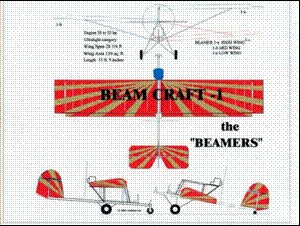
The ONW/ Beamcraft I is a version of a design built in the 1960s. It uses commercial window frame “Beams” for the body, and simple 1 inch tubes for the tail. The wings are a simple ladder structure with strut bracing. It can be built in High wing, Mid wing or Low wing configuration, and nose or tail wheel. It is intended for engines ranging from 16 Horse Kohler or Briggs to the 447 rotax and will fly delightfully in the US UL range.
The TNW/ Beamcraft II is a biplane version of the Beam Craft: Same structure, same wheel arrangements, same rough weights and performance. You can have 2 ailerons or 4.
Beamcraft II
Beamcraft I Wingspan: 28 ft Wing Area: 126.5 sq. ft. Length: 15 ft 66 in Height: (various) Weight: 250 lbs Fuel Tank: 5 US gal. Stall: 25 mph Cruise: 50-65 mph Top Speed: 65 mph Never Exceed: 75 mph Gross wt: 500 lbs G Factor: 5.7+ 2.8-
Beamcraft II Wingspan: 24 ft Wing Area: 144 sq. ft.
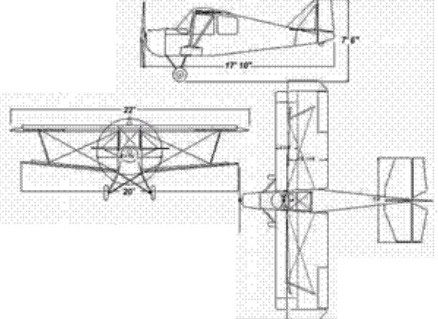
Named after Graham Lee’s Granddaughter, it is a small negative stagger Sesquiplane, constructed of Aluminum tube and fabric. Miranda is a very light cabin job, designed for efficiency in touring and fun. The small chord lower wing improves total lift. Whittman wing tips boost top speed and climb; shorten take off and reduce stall speed. A large diameter prop gives the plane STOL performance, while the short wing span Allows steep decent angles for excellent short field performance. Miranda can be powered with a Rotax 277 to 582, VW, Hirth or most motors between 28 and 65 horse. Extremely versatile.
Wingspan: 22 ft Wing Area: 117 sq. ft. Length: 17 ft 8 in Height: 7 ft 6 in Weight: 280 lbs Fuel Tank: 10 US gal. Stall: 30 mph Cruise: 70-90 mph Top Speed: 100+ mph Never Exceed: 125 mph Gross wt: 600 lbs G Factor: 5.7+ 2.8-
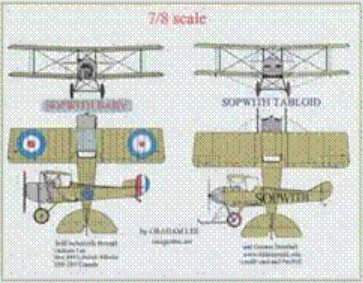
This is a 2 plane set of plans. You can combine the desireable aspects of both. The Tabloid was produced first as a Bennet racer, and did very well. It was then adopted by the military. With all of the accessories added, it needed a bigger engine, a change of cowl, and rudder to become the Sopwith Baby. Both aircraft were 2 place side by side, but in 7/8 scale they are perfect for the average 200 pound pilot of today. The Sopwith’s construction techniques are similar to the Nieuports. The fuselage can be built in a couple of weekends, and wing ribs will only take a couple of hours to bend. Best Performance (Baby) Rotax 582 or Hirth with 72 inch or larger prop. The Tabloid can be VW powered due to the smaller cowl, but will need a 2100 CC Or larger engine. NOTE: The skids are necessary with the rearward placed wheels. The wheels can be positioned as on the baby without tip over skids.
Sopwith Tabloid and Baby Wingspan: 21 ft 75 in Wing Area: 195 sq. ft. Length: 19 ft 5 in Height: 7 ft 43 in Weight: 325 lbs Fuel Tank: 12 – 15 US gal. Stall: 35 mph Cruise: 75 mph Top Speed: 90 mph Never Exceed: 110 mph Gross wt: 650 lbs G Factor: 5.7+ 2.8-
 All Aero