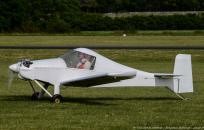
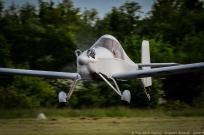
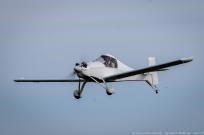
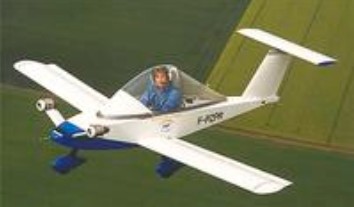
It was in 1971, when aircraft designer Michel Colomban started work on this small aircraft Cri Cri with two engines. His target was to build small, economic plane with two engines, which would be able to flying also some aerobatic maneuvers. Colomban originally planned the Cri-Cri in wood and fabric.
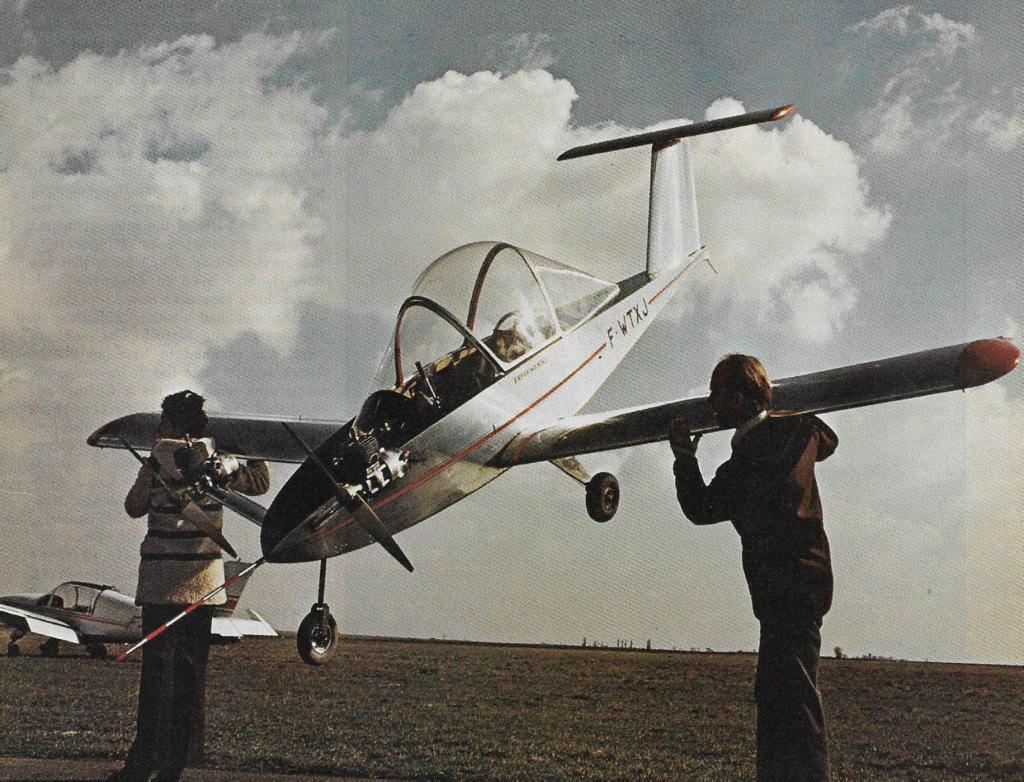
A spar was made with a thin plywood web, but with alloy caps glued on. The bonding was so effective, and the alloy so quick and easy to use, Colomban decided to go toward metal construction, using a lighter material than aluminium for the non-stressed parts of the inner structure. In time he settled on Klegecell, a polyvinyl-chloride (PVC) foam.
The wooden wing was planned to have an NACA 23012 section, but the foam/metal wing used a Colomban-modified Wortman 19% thick design. This changed to 21.7% later. The par is AU 4 G-1 alloy with an I-beam section. The ribs, 32 per panel in the prototype, were sawed out of a stack of Klegecell sheets.
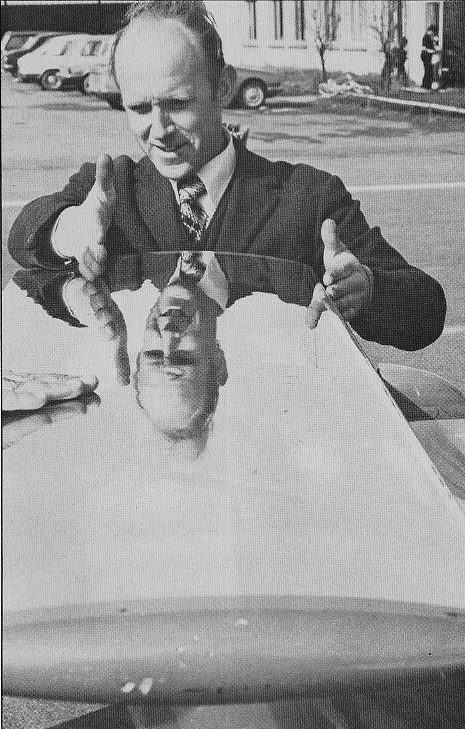
Price of this plane shouldn’t exceed 1000 USD, including two engines – these prices are from 1970. Construction took around 1500 working hours for the Cri-Cri plane, which name is after nickname of Michel’s daughter, prepared for it’s first flight. The prototype was first flown in 1973, with two 9 hp engines.
The Cri-Cri features brakes, flaps, full harness, nosewheel steering and inflight adjustable rudder pedals. The prototype had ground adjustable variable pitch 68cm / 26.75in in diameter.
Cricket is fully aerobatic (at 170 kg) and was built in France under the approval of the French EAA, the Fleseau du Sport de LAir (RSA).
CriCri is the world’s smallest twin-engine airplane at 16 feet and 160 pounds. Powered with two 12-hp Swedish snowmobile Valmet engines, the tiny twin was first shown at the 1981 Oshkosh Fly-In.
With trhe help of a Canadian businessman, worldwide marketing was established. Development of a kit to accompany the plans soon followed.
The kit product diverged from the original design in a few critical areas, notably, the flaperon torque tube. The new company elected to replace the aluminium tube with a steel one of smaller diameter. The steel tube had some torsional flexibility that harmonised with the flaps themselves and a few crashes resulted from severe flutter problems.
Unaccustomed to huge damages sought in the US lawsuits ($10,000,000) Colomban, whose relationship with the Canadian company had cooled considerably, pulled the airplane from all markets in the Western hemisphere. The company was forbidden to sell kits for the Cri-Cri and spare parts suddenly disappeared.
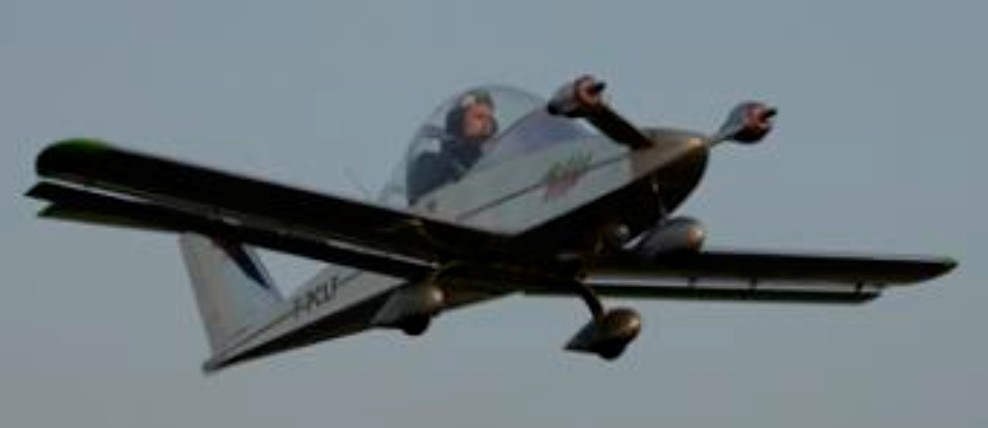
After those Yves Duval and Nicolas Charmont, a third Cricri jet was flying in France. Dominique Bonnaire made him his first flight in this configuration on May 5, 2011. The engine selected was 2 Jetcat P200SX giving a thrust of about 45 kg.
Dominique Bonnaire was the builder and owner of this Cricri, flying since 1996.
MC-10 Cri-Cri
Stall: 39 kt / 45 mph / 72 kmh
Cruise: 108 kt / 124 mph / 200 kmh
VNE: 159 kt / 183 mph / 295 kmh
Empty Weight: 80 kg / 176 lbs
MTOW Weight: 170 kg / 375 lbs
Climb Ratio: 600 ft/min / 3 m/s
Take-off distance (50ft obstacle): 330 ft / 101 m
Landing distance (50ft obstacle): 495 ft / 151 m
MC12
Gross Wt. 380 lbs.
Empty Wt. 160 lbs.
Fuel capacity 6 USG.
Wingspan 16’.
Length 12’10”.
Wing area: 33 sq.ft.
Engine 2 x 12-hp Vlamet.
Vne: 160 mph.
Top mph 127.
Cruise mph 110.
Stall mph 42.
Climb rate 850.
Takeoff run 480.
Seats: 1.
Design load: +9 / -4G.
Rate of roll: 180o/sec.
MC-15
Engine: 2 x JPX 212, 15 hp
Wing span: 4.9 m
Wing area: 3.1 sq.m
MAUW: 170 kg
Empty weight: 80 kg
Fuel capacity: 23 lt
Max speed: 220 kph
Cruise speed: 190 kph
Minimum speed: 72 kph
Climb rate: 6.5 m/s
Seats: 1
Fuel consumption: 8.6 lt/hr
Plan price (1998): 2650 F
Bonnaire Cricri jet
Engines: 2 Jetcat P200SX, 45 kg thrust
Wingspan: 4.90 m
Length: 3.90 m
Height: 1.22 m
Empty weight: 78 kg
MAUW: 175 kg
Fuel capacity: 24 litres
Cruise speed: 240 Km / h
Maxi speed: 270 Km / h
Maxi load: +6 /-3G
1998:
37 bis, rue lakanal
F-92500 Rueil Malmaison
France
LSA builder
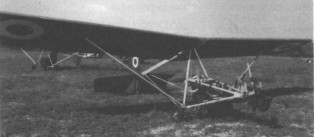
Built by Steve Cohen
Reduction drive: 2:1.
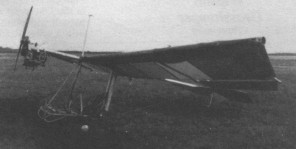
Built by Steve Cohen
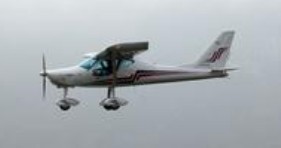
2017 T4 and 2024 T3 aluminium-construction entirely spiked and stuck. Rivets are used only in the no-structural joints.
DF 2000
Stall: 32 kt / 37 mph / 60 kmh
Cruise: 105 kt / 121 mph / 195 kmh
VNE: 130 kt / 149 mph / 240 kmh
Empty Weight: 285 kg / 628 lbs
MTOW Weight: 450 kg / 992 lbs
Glide Ratio: 12
Take-off distance (50ft obstacle): 390 ft / 120 m
1983: C.M.V. Company, 23 avenue Marceou, 75116 Paris, France. Hang glider and trike builder
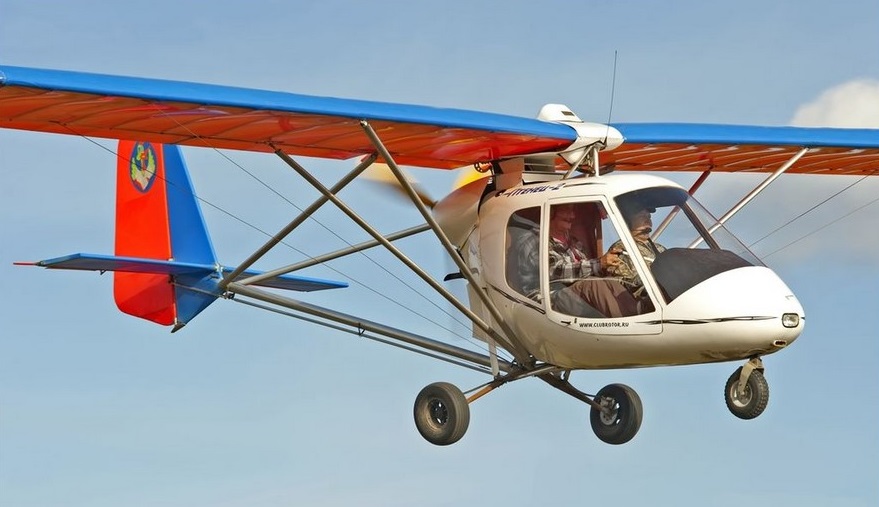
The Club ULM Rotor Ptenets-2 (Russian: Птенец-2, English: Chick or Fledgling) is a Russian ultralight aircraft, designed and produced by Club ULM Rotor of Kumertau, Bashkortostan.
The aircraft was designed to comply with the Fédération Aéronautique Internationale microlight rules. It features a strut-braced high-wing, a two-seats-in-side-by-side configuration enclosed cockpit, fixed tricycle landing gear and a single engine in pusher configuration.
The aircraft is made from aluminum tubing, with its flying surfaces covered in Dacron sailcloth. The fuselage is made from fibreglass. Its 10.2 m (33.5 ft) span wing has an area of 12.7 m2 (137 sq ft). The tail is supported by four tubes that allow space for the pusher propeller. Standard engines available are the 50 hp (37 kW) Rotax 503 and 64 hp (48 kW) Rotax 582 two-strokes and the 60 hp (45 kW) HKS 700E four-stroke powerplant.
The aircraft was supplied as a complete ready-to-fly-aircraft for €21,000 in 2011.
Ptenets-2
Engine: 1 × Rotax 582, 48 kW (64 hp)
Propeller: 4-bladed composite
Wingspan: 10.2 m (33 ft 6 in)
Wing area: 12.7 m2 (137 sq ft)
Empty weight: 220 kg (485 lb)
Gross weight: 450 kg (992 lb)
Fuel capacity: 55 litres (12 imp gal; 15 US gal)
Maximum speed: 160 km/h (99 mph; 86 kn)
Cruise speed: 120 km/h (75 mph; 65 kn)
Stall speed: 65 km/h (40 mph; 35 kn)
Rate of climb: 4 m/s (790 ft/min)
Capacity: one passenger
Crew: one
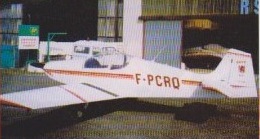
The Cadi was created by an ex-employee of Aviation Normand Dube. Metal covered, the Cadi can be ultralight or experimental.
Engine: Rotax 912, 80 hp
Wing span: 9.74 m
Wing area: 16 sq.m
MAUW: 544 kg
Empty weight: 274 kg
Fuel capacity: 90 lt
Seats: 2
Max speed: 160 kph
Cruise speed: 142 kph
Climb rate: 4.5 m/s
Fuel consumption: 12 lt/hr
Certification: Canada
Price (1998): Can$50,000
Kit price (1998): Can$15,000
1998:
3690, avenue Grande-Decharge
G0W 1LO Delisle
Qebec
Canada
LSA airplane builder
 All Aero