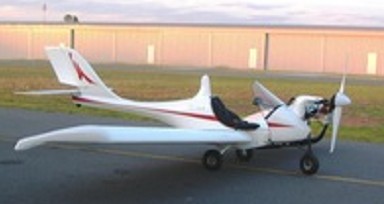
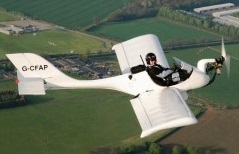
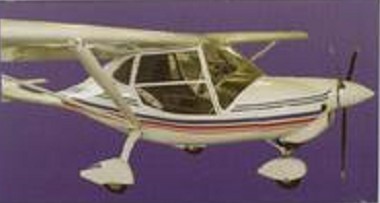
Designed, calculated and tested according to Czech UL-2 and American f2245 LSA standards, the ZJ has four versions: Mono wheel, Tri wheel, Part 103 ultralight, and Light Sport Aircraft (LSA).
A simple, one piece, all composite fuselage, engine, wings, wheels and tail surfaces, results in low maintenance and price. Wing construction consists of glass fiber leading edge and composite ribs covered with Ceconite. The horizontal tail, rudder and ailerons have an aluminum structure. The wings and horizontal tail are easily detachable for transport and storage. The ZJ came completely assembled and ready to fly. 2009 Price: 19900 EURO
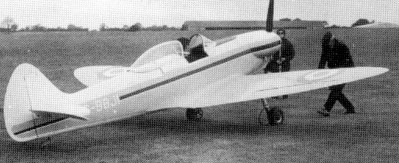
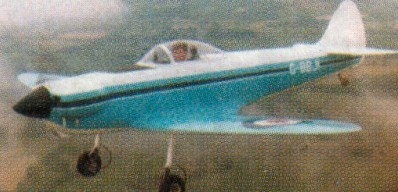
Construction of the 60% replica of the World War 2 Spitfire was begun by John Isaacs in 1969 at Southampton. Wood and fabric construction. Powered by a Rolls-Royce/Continental O-200-A engine, the prototype, c/n.2, later registered G-BBJI PFA.27-10055, first flew in early 1975.
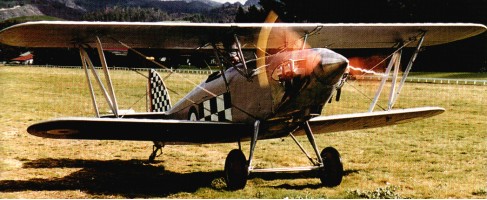
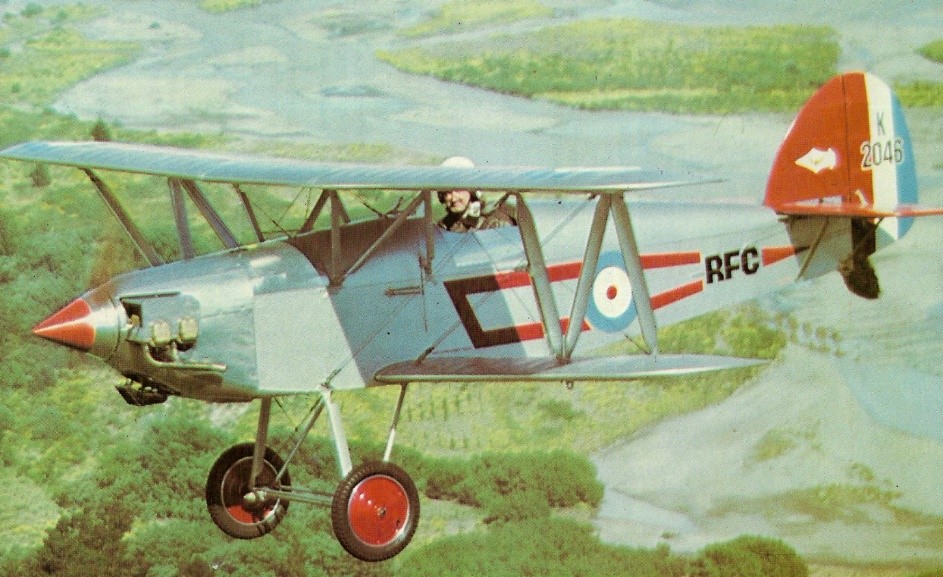
Designed by John Isaacs, the Fury is a 7/10 scale, single seat wooden replica of the famous Hawker Fury biplane of the 1930’s. The Isaacs Fury Mk 1 prototype G-ASCM first flew in 1963 powered by a 65 hp Mikron III engine. In 1967 the prototype was modified to Mk 2 standard by installing a 125 hp Lycoming O-290 engine. This aircraft is stressed to 9g for aerobatics. Normal load limits are +5 and -1G.
Fury II
The fuselage is a spruce structure of rectangular cross-section, with a curved turtlede eking and plywood covered. The wing is made up of solid spruce, warren girder ribs, internal diagonal wooden bracing and fabric covering. Ailerons are on the top wing only. No flaps are fitted. N type cabane and interplane struts support the wings which have conventional external wire bracing. The airfoil section is RAF 28. The empennage is a wooden structure utilising solid spars, girder ribs and fabric covering. The tailplane is strut braced. The fixed landing gear incorporates rubber cord shock-absorption and 3.25 x 14” wheels. A 10 Imperial gallon fuel tank is located aft of the firewall. A luggage locker is provided behind the cockpit.
It is only offered as a scratch built project with plans from John Isaacs. It is also an approved type of aircraft by the PFA in the UK.
John Isaac had sold 200 sets of plans (revised in 1994) by 1998. The plans were then marketed by the Popular Flying Association.
1995-2009: 23 Linden Grove, Chandlers Ford, Eastleigh, Hants SO 53 ILE, England. Markets plans to build Fury II single-seat biplane, a 70 percent representation of prewar Hawker Fury, and Spitfire as 60 percent representation of Supermarine Spitfire, first flown 1963 and 1975 respectively.
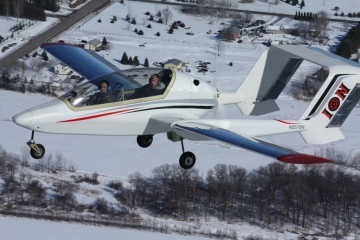
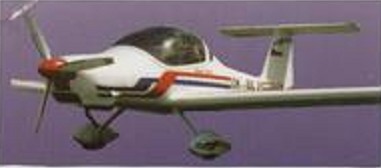
Ion Aircraft is developing a line of light, two-seat (tandem) airplanes suitable for training, sightseeing, cross-country cruising, and generally having fun. All of Ion Aircraft’s engineering is being done by AirBoss Aerospace of Reno, Nevada. The Ion 100 is a kit aircraft being designed from the ground up to be Light Sport Aircraft (LSA) compliant.
The Ion 105 is a non-LSA variant of the 100, with better cruise performance. The 105 version is meant for the US Experimental category.
The Ion 110 is the export version, intended to comply with upcoming European rules. All three versions feature easily removable wings for trailer storage and two sets of interchangeable wings to meet differing performance requirements.
The majority of the plane is carbon fiber/epoxy composite material. Specifically; The cowl is fiberglass. Although it is very slightly heavier than carbon fiber would have been, the cowl is not structural and the fiberglass is much less expensive. The wings are bonded aluminum as the bonded aluminum process is actually calculated to be a little lighter than composite would have been. Tthe Ion 120 has a 10 inch (25 cm) removable nose cone to allow access to the nose gear and the batteries. It will also allow it to fit in a 24 foot trailer.
Ion 100 Cruise: 156 mph Stall: 45 mph Range: 920 sm Rate of climb: 1600 fpm Takeoff dist: 394 ft Engine: Jabiru 3300, 120 hp HP range: 100-150 Fuel capacity: 25 USG Empty weight: 890 lb Gross weight: 1320 lb Length: 24 ft Wing span: 29 ft Wing area: 113.5 sq.ft Seats: 2 Cockpit width: 31 in Landing gear: nose wheel
Ion 120 Engine; 100 hp Length: 24 ft (7.3 meters) Wing span / LSA wings: 30 ft, 4 in (9.25 m) Wing span / cruise wings: 26 ft 10 in (8.2 m) Cockpit width: 30 in (76 cm) Cruise 75% SL: 132 kt / 152 mph Cruise 75% 3000 ft: 135 kt / 155 kt Cruise 75% 9000 ft: 138 kt / 159 mph
The genesis of Ion Aircraft is from a Kansas company named DreamWings and their flagship airplane, the Valkyrie. Dozens of DreamWings depositors made their decision to buy the plane, no planes were ever delivered and in 2001 DreamWings ceased operations forever. When DreamWings closed its doors, it left 145 customers behind-customers who lost nearly $1.5 million in deposit money. Ion Aircraft are those customers. The former DreamWings depositors have formed Ion Aircraft to sell a beautiful airplane with good performance at a reasonable price.
 All Aero