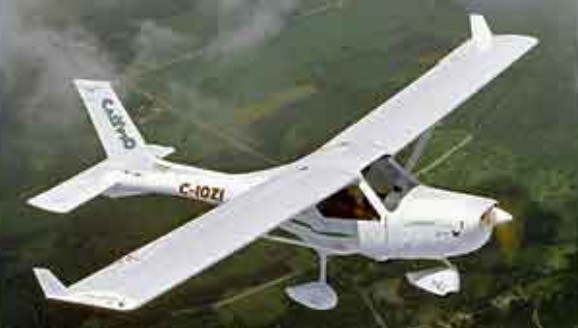
The Jabiru UL-D has been designed to meet the UK Microlight Standard of 268kg max empty weight and 450kg gross weight and the 35 knots (65km/hr) stall speed.
Engine: Jabiru 2200cc
Fuel in wings: 70 ltrs
MTOW: 450 kg
Seats: 2
The Jabiru UL-D has been designed to meet the UK Microlight Standard of 268kg max empty weight and 450kg gross weight and the 35 knots (65km/hr) stall speed.
Engine: Jabiru 2200cc
Fuel in wings: 70 ltrs
MTOW: 450 kg
Seats: 2
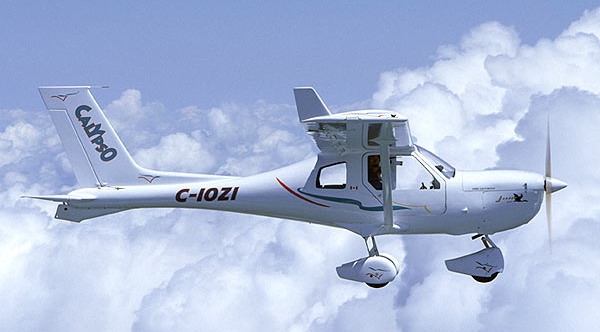
The Calypso Light Sport Airplane is a development of a line of Jabiru aircraft started in the mid 80’s using their design philosophy and construction methods to meet the requirements of the advanced ultralight and sport plane criteria. The New Jabiru Calypso has larger tail fin and elevator than the older Jabiru UL ST3. It has also winglets and higher cruise speed, about 95-100 knots.
The performance is a low 39 knot stall speed, very short take off and high climb rate, but with a good cross country cruise speed of 90 to 100 kts at 12 to 15 litres per hour fuel burn. This performance is due to the light weight composite construction of the airframe and the light weight engines produced by Jabiru.
The aircraft has good stability in all three axis and straight forward stall characteristics. The comfortable seats and 42 inch shoulder width provide the final requirements for a good cross country aircraft.
Calypso 2200
Engine: Jabiru 2200 85 hp
Propeller: 2 Blade Fixed Pitch Wooden/Composite
60″ Diam x 42 pitch
Height: 7’2″
Length: 19’4″
Cabin Width: 42″
Wing Span: 31’4″
Wing Chord: 39″
Wing Area: 100 sq ft
Empty Weight: 572 lbs
Gross Weight: 1,100 lbs
Useable Load: 525 lbs
Wing Loading – Empty: 5.72 lbs/sq ft
Wing Loading – Gross: 11.00 lbs/ft
Power Loading Gross: 13.75 lbs/hp
Flight Load Factor: +4.0 -2.0 G
Structure Tested to: +8.0 -4.0 G
Vne (never exceed speed): 140 mph (122 kts)
Va (max maneuver speed): 103 mph (90 kts)
Cruise speed @ 75% power: 103 mph (90 kts)
Max straight and level speed: 127 mph (110 kts)
Vs (full flap stall speed @ gross): 45 mph (39 kts)
Vso (clean stall speed @ gross): 55 mph (48 kts)
Climb Rate (sea level): 1,000 ft/min
Service Ceiling: 15,000 ft
Take off Distance Ground Roll: 325 ft
Landing Distance Ground Roll: 546 ft
Glide Ratio (engine idle): 14:01
Crosswind Component: 14 kts
Fuel Capacity: 17 gallons
Range: 515 sm (450 nm)
Endurance: 5.0 hrs
Fuel Consumption at Cruise: 3.8g/hr
LSA: Yes
2010 Kit Price: $28,900
2010 Kit Price w/Engine: $42,800
Calypso 3300
Engine: Jabiru 3300 120 hp
Propeller: 2 Blade Fixed Pitch Wooden/Composite
60″ Diam x 53 pitch
Height: 7’2″
Length: 19’6″
Cabin Width: 42″
Wing Span: 31’4″
Wing Chord: 39″
Wing Area: 100 sq ft
Empty Weight: 605 lbs
Gross Weight: 1,100 lbs
Useable Load: 495 lbs
Wing Loading – Empty: 6.05 lbs/sq ft
Wing Loading – Gross: 11.00 lbs/sq ft
Power Loading Gross: 9.16 lbs/hp
Flight Load Factor: +4.0 -2.0 G
Structure Tested to: +8.0 -4.0 G
Vne (never exceed speed): 140 mph (122 kts)
Va (max maneuver speed): 103 mph (90 kts)
Cruise speed @ 75% power: 132 mph (115 kts)
Max straight and level speed: 138 mph (120 kts)
Vs (full flap stall speed @ gross): 45 mph (39 kts)
Vso (clean stall speed @ gross): 55 mph (48 kts)
Climb Rate (sea level): 2,000 ft/min
Service Ceiling: 15,000 ft
Take off Distance Ground Roll: 260 ft
Landing Distance Ground Roll: 546 ft
Glide Ratio (engine idle): 14:01
Crosswind Component: 14 kts
Fuel Capacity: 17 gallons
Range: 451 sm (393 nm)
Endurance: 3.4 hrs
Fuel Consumption at Cruise: 5.6g/hr
LSA: Yes
2010 Kit Price: $29,900
2010 Kit Price w/Engine: $47,300
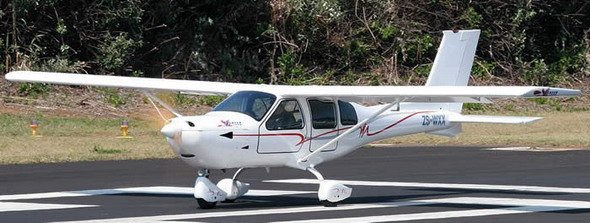
The Jabiru J250 LSA Kit/Amateur Built is the same fuselage as Jabiru’s four place aircraft but the rear seats are not fitted. It still has the all strength needed for four place operation but the gross weight has been lowered to meet the USA Light Sport requirements. The Jabiru J-250 (2 seater) & the J-450 (4 Seater) also meet the Australian 544kg Ultralight catagory. The longer tail boom results in more elevator and empennage authority (power of the elevator) like the J-230. Modifications to the instrument panel gives improved knee room.
The J250 kit base price in 2010 was, A$43,900, with engine, A$62,200.
Designed to ASTM 2245-06 Airworthiness standard, the Jabiru J250 is a high-winged, strut-braced monoplane with wing flaps, mass balanced rudder & elevator and in-flight adjustable trim. The fully enclosed, ergonomically designed cabin has 3 doors providing ease of entry for baggage stowage. Side-by side fixed seating has centre controls and panel mounted throttles.
A tricycle undercarriage has a steerable nosewheel and hand operated in line hydraulic disc brakes. Matco wheels & brakes 500 x 5 aircraft tires. All composite construction is for minimum maintenance. Upper and lower cowls easily removed.
Optional adjustable foot pedals cater for pilots who have difficulties reaching the pedals. Flaps are electrically operated.
Options include, Nav/Strobe package, Wing strut Recognition light, Sensenich Carbon Fiber Propeller, Engine Heater, and Panel Upgrades.
The factory built Jabiru J250-SP is manufactured in the U.S.A. The design is Australian certified and both the design and manufacturing are in full compliance with the FAA approved ASTM consensus standards for design, manufacture, quality assurance, and continuing airworthiness.
J250-SP base price in 2010, A$104,900.00
The J250-SP features all the engine management features of conventional GA light aircraft: Carburetor Air Heat, Dual Ignition, and pressure compensating carburetor. Wheel pants are standard, as is a fully upholstered cockpit.
J250 LSA Kit/Amateur Built
Engine: Jabiru 3300 120 hp
Propeller: 2 Blade Fixed Pitch,Wooden/Composite
60″ Diam x 53 pitch
Wing Span: 30′ / 914.4cm
Wing Area: 120 sq.ft / 11.15 sq.m
Height: 7’10” / 240cm
Length: 21’5″ / 653cm
Cabin Width: 43″ / 109cm
Cabin Height: 42″ / 107cm
Fuel Capacity: 36.8USgal / 140 lt
Empty Weight: 780 lbs / 353.9 kg
Gross Weight: 1320 lbs / 599 kg
Useable Load: 540 lbs / 245 kg
Wing Loading – Gross: 12.8lbs/sq.ft / 62.7kg/sq.m
Power Loading Gross: ll lbs @ gross / 5 kg
Flight Load Factor: +3.8 -1.9 G
Structure Tested to: +8.55 -3.4 G
Vne (never exceed speed): 159mph / 138kts / 256km/h
Va (max maneuver speed): 104mph / 90kts / 167km/h
Cruise speed @ 75% power: 138mph/ 120kts / 222km/h
Max straight and level speed: 159mph / 138kts / 256km/h
Vs (full flap stall speed @ gross): 51mph / 44 kts / 81km/h
Vso (clean stall speed @ gross): 55mph / 48 kts / 89km/h
Climb Rate (sea level @ gross): 1,000ft/min / 305m/min
Service Ceiling: 15,000ft / 4572m
Take off Distance Ground Roll: 1000ft / 305m
Landing Distance Ground Roll: 1000ft / 305m
Glide Ratio (engine idle): 10:1
Crosswind Component: 16mph / 14kts / 26km/h
Range: 760sm / 660nm / 1223km
Endurance: 5.5h with 1h reserve
Fuel Consumption at Cruise: 5.6gal/h / 21L/h
J-250 Light Sport
Engine: Jabiru 3300 120 hp
Wingspan: 30 ft
Cruise 75%: 138 mph-120 kts
Useful load: 540 lbs
MTOW: 1320 lbs
Empty weight: 780 lbs
2010 Kit Price: A$43,900
2010 Kit Price w/Engine: A$62,200
LSA: Yes
J-250 Experimental
Engine: Jabiru 3300 120 hp
Wingspan: 32 ft
Cruise 75%: 138 mph-120 kts
Useful load: 814 lbs
MTOW experimental: 1,540 lbs
MTOW LSA: 1320 lb
Empty weight: 726 lb
2010 Kit Price: A$43,900
2010 Kit Price w/Engine: A$62,300
LSA: Yes
J250-SP
Engine: Jabiru 3300 120 hp
Propeller: 2 Blade Fixed Pitch
Wooden/Composite
60” Diam x 53 pitch
Height: 7’10” / 240cm
Length: 21’5” / 653cm
Cabin Width: 43” / 109cm
Cabin Height: 42″ / 107cm
Wing Span: 30′ / 914.4cm
Wing Area: 120 sq.ft / 11.15 sq.m
Empty Weight: 780 lbs / 353.9 kg
Gross Weight: 1320 lbs / 599 kg
Useable Load: 540 lbs / 245 kg
Wing Loading – Gross: 12.8lbs/sq.ft / 62.7kg/sq.m
Power Loading Gross: ll lbs @ gross / 5 kg
Flight Load Factor: +3.8 -1.9 G
Structure Tested to: +8.55 -3.4 G
Vne (never exceed speed): 159mph / 138kts / 256km/h
Va (max maneuver speed): 104mph / 90kts / 167km/h
Cruise speed @ 75% power: 138mph/ 120kts / 222km/h
Max straight and level speed: 159mph / 138kts / 256km/h
Vs (full flap stall speed @ gross): 51mph / 44 kts / 81km/h
Vso (clean stall speed @ gross): 55mph / 48 kts / 89km/h
Climb Rate (sea level @ gross): 1,000ft/min / 305m/min
Service Ceiling: 15,000ft / 4572m
Take off Distance Ground Roll: 1000ft / 305m
Landing Distance Ground Roll: 1000ft / 305m
Glide Ratio (engine idle): 10:1
Crosswind Component: 16mph / 14kts / 26km/h
Fuel Capacity: 36.8USgal / 140 lt
Range: 760sm / 660nm / 1223km
Endurance: 5.5h with 1h reserve
Fuel Consumption at Cruise: 5.6gal/hr / 21 lt/hr
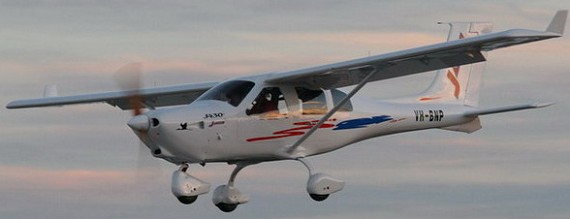
The Jabiru J-230 (2 seats) and the Jabiru J-430 (4 seats) aircraft have been developed as touring aircraft. They have a wide cockpit, high cabin and ample leg room. The Jabiru J-230 has a big baggage compartment in the back whereas the Jabiru J-430 has 2 rear seats. The longer tail boom results in more elevator and empennage authority (power of the elevator), reducing the stall speed to 45 kts and increasing directional stability. The J-430 was developed as a great alternative to GA aircraft such as the Cessna 172. The Jabiru J-230/430 cruise at 138 mph on 6 gph.
The J230 Amateur Built Kitplane will meet the Light Sport category by setting the Gross Weight to 1320 pounds.
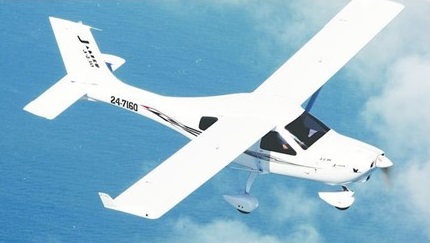
Similar to the earlier J120, -160 and –170, the J230/J430 has a longer fuselage, additional window and rear entry door on the left side. Winglets offer additional aileron authority approaching the stall. The airframe is manufactured using fibre reinforced plastic, which accounts for the low empty weight of 360 kg.
The maximum fuel capacity of 135 litres is speard between two wing tanks and a five litre header tank under the rear bulkhead in the J230, and under the rear seat for the J430.
Behind the two seats of the J230 is a large floor space, occupied by two additional seats in the J430. The rear cabin is accessed by a door on the left side. Behind the rear seat is a baggage compartment. Instead of a rigid bulkhead, the aft fuselage is concealed by a detachable soft panel, allowing storage of long items such as fishing rods or skis.
The seats are fixed, as an integral part of the structure. Adjustable rudder pedals cater for seating position.
Prices in 2009 were: J230 sport aircraft fly away – A$94,450; J230 experimental fly away – A$96,450; and the J430 kit A$69,790.
J230 2010 kit base price, A$43,900. With Engine, A$62,200.
J430 2010 kit base price, A$45,900. With Engine, A$64,200.
Prices exclude instruments, avionics, tax and shipping.
The Jabiru J230-SP is a factory built three door aircraft. A thinner centre console makes better use of the interior space. The arm rest and control stick is more comfortable and allows instructors a better grip.
Modifications to the instrument panel gives improved knee room. It has the Jabiru USA’s interior finish and a huge baggage compartment – it is the same fuselage as Jabiru’s four place aircraft but the rear seats are not fitted. It still has the all strength needed for four place operation but the gross weight has been lowered to meet the USA Light Sport requirements.
J230-SP 2009 base price, A$104,900.00
Features include designed to ASTM 2245-06 Airworthiness Standard, electrically operated wing flaps, mass balanced rudder & elevator and in-flight adjustable trim. Tricycle undercarriage with steerable nosewheel and hand operated in line hydraulic disc brakes makes ground handling easy. Matco wheels & brakes 500 x 5 aircraft tires. Wheel Pants Standard. All composite construction. Designed for minimum maintenance. Upper and lower cowls easily removed. Auxiliary electronic fuel pump for starting and added security in flight. All the engine management features of conventional GA light aircraft: Carburetor Air Heat, Dual Ignition, and Pressure Compensating Carburetor. Side-by side fixed seating with center controls and panel mounted throttles. Ideal for training or recreation. The Sensenich fixed pitch wooden propeller has a urethane leading edge.Available Options included a Nav/Strobe package and Sensenich Carbon Fiber Propeller. Optional adjustable foot pedals to cater for pilots who have difficulties reaching the pedals. Fully upholstered cockpit with a Cabin Heater.
The Jabiru J-250 (2 seater) & the J-450 (4 Seater) have the same fuselage as the J-230 and have been designed to meet the US Light Sport category. They also meet the Australian 544kg Ultralight catagory. The longer tail boom results in more elevator and empennage authority (power of the elevator) like the J-230. The 2 seat J-250 uses the same fuselage, but the absence of rear seats creates a cavernous baggage area.
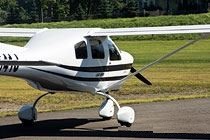
The J230-SP (120 hp) and J170-SP (80 hp) 2012 base prices: US$129,000 (J230-SP); US$114,900 (J170-P).
Jabiru J230 & J430 Kitplane
Engine: Jabiru 3300 120 hp / 90 kW
Propeller: 2 Blade Fixed Pitch Wooden/Composite
60” dia x 53” pitch
Height: 24.4″ – 240 cm
Length: 257.8″ – 655 cm
Width Tailplane: 104.7″ – 266 cm
Cabin width: 44.09″ – 112 cm
Cabin height: 42.9″ – 109 cm
Wing Span: 30.9′ – 943.3 cm
Wing Area: 100.5sq.ft – 9.34 sqm
Empty Weight: 748 lbs – 340 kg
MTOW kit built: 1540 lbs – 700 kg
Useable Load: 792 lbs – 360 kg
MTOW factory built: 600 kg
Wing Loading Gross: 15.3 lbs/sq.ft
Power Loading Gross: 12.8 lbs/hp
Flight Load Factor: + 3.8 – 1.9 G
Structure Tested: +6.8G – 3.4G
Va (Max. Maneuver): 132 mph – 115 kts
Max Cruise: 138 mph – 120 kts
Max. Straight & Level: 135 mph – 155 kts
Vso (full flap) at Gross Weight: 52 mph – 45 kts
Vs1(clean) at Gross Weight: 57 mph – 50 kts
Climb rate (at sea level) Gross: 700 ft/min
Service Ceiling: 15,000 ft
Take Off Distance Groundroll: 492 ft – 150 m
Landing Distance Groundroll: 820 ft – 220 m
Glide Ratio (engine idle): 12:1
Crosswind Component: 16 mph – 14 kts
Fuel Capacity: 35.5 gal / 135 lt
Fuel Consumption at Cruise: 6gph – 20 lts/hr
Range – no reserve: 920 miles – 800 nm
Endurance (no reserve): 6.7 hrs
Jabiru J230 LSA
Engine: Jabiru 3300A 120hp
All up weight: 600KG
Seats: 2
Fuel capacity: 135 lt
Fuel burn; 14-20lt/hr
Range: 700nm
Usable load: 230 kg (507lbs)
J-230 Experimental
Engine: Jabiru 3300 120 hp
Wingspan: 30 ft
MTOW: 1,540 lbs/1320 LSA
Empty weight: 726 lbs
Useful load: 814 lbs
Cruise 75%: 138 mph-120 kts
LSA: Yes
2010 Kit Price: A$43,900
2010 Kit Price w/Engine: A$62,300
J230-SP
Engine: Jabiru 3300 120 hp
Propeller: 2 Blade Fixed Pitch Wooden/Composite
60” dia x 53” pitch
Height: 24.4” – 240 cm
Length: 257.8” – 655 cm
Width Tailplane: 104.7” – 266 cm
Cabin width: 44.09” – 112 cm
Cabin height: 42.9” – 109 cm
Wing Span: 30.9’ – 943.3 cm
Wing Area: 100.5sq.ft – 9.34 sqm
Empty Weight: 800 lbs
Gross Weight (MTOW): 1320 lbs
Useable Load: 520 lbs
Payload, full std. fuel: 310 lb
Wing Loading Gross: 15.3 lbs/sq.ft
Power Loading Gross: 12.8 lbs/hp
Flight Load Factor: + 3.8 – 1.9 G
Structure Tested: +6.8G – 3.4G
Cruise: 138 mph – 120 kts
Max. Straight & Level: 150 mph – 130 kts
Vno: 127 mph – 110 kts
Vso (full flap) at Gross Weight: 45 mph – 39 kts
Vs1(clean) at Gross Weight: 52 mph – 45 kts
Climb rate (at sea level) Gross: 700 ft/min
Climb rate Solo: 1200 ft/min
Service Ceiling: 15,000 ft
Take Off Distance Groundroll: 492 ft – 150 m
Landing Distance Groundroll: 820 ft – 220 m
Glide Ratio (engine idle): 12:1
Crosswind Component: 16 mph – 14 kts
Fuel Capacity: 35.5 gal / 135 lt
Fuel Consumption at Cruise: 6gph – 20 lts/hr
Range – no reserve: 920 miles – 800 nm
Endurance (no reserve): 6.7 hrs
J230C
Stall: 45 kt / 52 mph / 83 kmh
Cruise: 120 kt / 138 mph / 222 kmh
Empty Weight: 360 kg / 794 lbs
MTOW Weight: 600 kg / 1323 lbs
Climb Ratio: 700 ft/min / 4 m/s
Glide Ratio: 12:1
Take-off distance (50ft obstacle): 490 ft / 150 m
J-430 Experimental
Engine: Jabiru 3300 120 hp
Wingspan: 30 ft
MTOW: 1,540 lbs
Empty weight: 726 lb
Useful load: 814 lb
Cruise 75%:
138 mph-120 kts
LSA: No
2010 Kit Price: A$45,900
2010 Kit Price w/Engine: A$64,300
J-450
Engine: Jabiru 3300 120 hp
Propeller: 2 Blade Fixed Pitch Wooden/Composite
60″ Diam x 53 pitch
Height: 7’2″
Length: 21’5″
Cabin Width: 43″
Cabin Height: 42″
Wing Span: 32′
Wing Area: 120 sq.ft
Empty Weight: 775 lbs
Gross Weight: 1,540 lb
Useable Load: 765lb
Wing Loading – Gross: 12.8 lbs/sq.ft
Power Loading Gross: 12.8 lbs/hp
Flight Load Factor: +3.8 -1.9 G
Structure Tested to: +8.55 -3.4 G
Vne (never exceed speed): 159mph / 138kts
Va (max maneuver speed): 115mph / 105kts
Cruise speed @ 75% power: 132mph/ 115kts
Max straight and level speed: 159mph / 138kts
Vs (full flap stall speed @ gross): 52mph / 45 kts
Vso (clean stall speed @ gross): 57mph / 50 kts
Climb Rate (sea level @ gross): 1,000ft/min
Service Ceiling: 15,000ft
Take off Distance Ground Roll: 660ft
Landing Distance Ground Roll: 820ft
Glide Ratio (engine idle): 12:1
Crosswind Component: 16mph / 14kts
Fuel Capacity: 36 USgal
Range: 760sm / 660nm
Endurance: 5.5h with 1h reserve
Fuel Consumption at Cruise: 5.6 USgal/h
J-450 Experimental
Engine: Jabiru 3300, 120 hp
Wingspan: 32 ft
MTOW: 1,540 lbs
Empty weight: 726 lbs
Useful load: 814 lbs
Cruise 75%: 138 mph-120 kts
LSA: No
2010 Kit Price: A$45,900
2010 Kit Price w/Engine: A$64,300
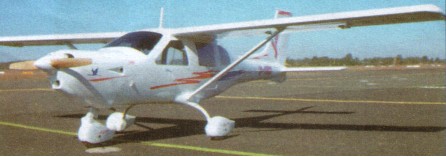
The Jabiru J200 had a new style wing. The profile remains the same as the short wing but with a changed inter¬nal structure. Gone ares the foam core and two 50 litre fuel tanks occupy the space. The new wing is not a retrofit to existing Jabiru models as the attachment points are quite different. However an optional fuel in wing aerofoil is being considered for the ear¬lier aircraft.
The four seat J400 model is basi¬cally the same as the J200 with two seats in the rear of the cabin and Jabiru 330 engine of 120 hp.
J-200
Engine: Jabiru 3300, 120 hp
Length: 21.5 ft / 6550mm
Wing span: 26.5 ft / 8100mm
Wing area: 87 sq.ft
Height: 2200mm
Empty weight: 627 lb / 310kg
Gross weight: 1540 lb / 700 kg
Useable load: 390 kg
Fuel capacity: 36 USG
Vne: 138 kts
Cruise: 138 mph / 115 kts
Stall: 55 mph / 48kt
Vso: 60kts
Range: 520nm
Rate of climb: 1000 fpm
Takeoff dist: 950 ft
Landing dist: 650 ft
Cockpit width: 44 in / 1120mm
Cabin height: 1090mm
Landing gear: nosewheel
Endurance: 4.4 hrs.
Fuel consumption @ cruise: 23 1t/hr.
Seats: 2.
J-400
Engine: Jabiru 3300, 120 hp
Prop: 60 in fixed pitch
Length: 21 ft 6 in / 6.55m
Height: 7 ft 3 in / 2.2 m
Wing span: 26 ft 7 in / 8.1 m
Wing area: 86 sq.ft
Empty weight: 720 lb / 310 kg
Gross weight: 1543 lb / 700 kg
Useful load: 390 kg
Fuel capacity: 36 USG
Vne: 138 kt
Max speed: 130 kt
Cruise: 120 kt / 138 mph
Stall: 55 mph / 48 kt
Vso: 60 kt
Rate of climb: 1000 fpm
Takeoff dist: 950 ft
Landing dist: 650 ft
Service ceiling: 15,000 ft
Seats: 4
Cockpit width: 44 in / 1.12 m
Cockpit height: 43 in / 1.09m
Landing gear: nose wheel
Max wing loading: 17.9 lb/sq.ft
Load factors: +3.8/-1.9G
Range: 720 sm
Range 45 min res: 520 nm
Max endurance 45 min res: 4.4 hr
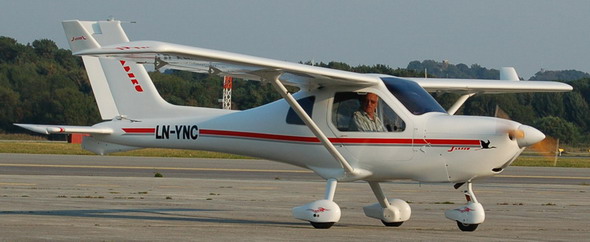
The J170 was developed with the flying schools in hotter climates in mind. It is the J160 with the longer wings of the J230 and a bigger elevator. The longer wings allow it to climb faster in the hot conditions. The longer wings also provide more float on landing which is helpful when learning to land. The dual controls and adjustable rudder pedals are continued in this model. The 100 knot TAS cruise speed is still easily achievable at 2850 rpm.
The J170 Designed to ASTM 2245 American Light Sport Aircraft Airworthiness Standard. and the Transport Canada Advanced Ultralight Standards. Other versions of the J170 are also available in several countries in Europe. Some are available as factory built arcraft.A high-winged, strut-braced monoplane with wing flaps, mass balanced elevator and in-flight adjustable trim. Cruise Speed @ 2850 rpm 100 knots (True Airspeed) Range (nil reserve) 1030 nautical miles at most efficient speed. 4 stroke JABIRU 2200 cc engine designed specifically for the Jabiru aircraft. All the engine management features of conventional GA light aircraft: Carburettor air heating, dual ignition systems. The engine uses a pressure compensating carburettor with automatic mixture control, giving simple single lever power control. 45 Knot stall speed without flaps at 600kg. Fully enclosed quiet cabin, seats 2 in comfort whether training or cruising. Ergonomically designed cockpit has side-by side seating, centre controls and panel mounted throttle, plus the option of adjustable rudder pedals. Hard-wearing cabin interior includes easily removed seat covers for simple cleaning. 2 large doors provide easy entry & egress. Low cowls and large windows provide excellent visibility. Tricycle undercarriage, steerable nose wheel and hand operated in line hydraulic disc brakes make ground handling simple. Large ailerons and winglets give excellent cross wind handling performance. All composite construction removes the corrosion problem. Wing and power loadings provide high performance and handling. Efficient high aspect ratio wing gives excellent lift combined with low drag. The wide wingspan gives great stability in turbulence and allows comfortable operations at high altitude or from short runways. Designed to need minimal, simple maintenance. Auxiliary electronic fuel pump for ease of starting.
The J170 has the same landing gear and wing as used on Jabiru’s 4 place aircraft at a much higher gross weight.
Jabiru aircraft use some common maintenance items sourced from the automotive industry helps keep costs to a minimum. Spark plugs, oil filters, distributor caps, and rotors are all readily available at auto parts stores at auto parts stores at auto parts prices. Oil changes require only 2.5 quarts if Aeroshell 100W.
Standard Equipment:
Jabiru 2200 85hp, Airspeed Indicator, Altimeter, VSI, Turn Coordinator, EIS 4000, Garmin SL-40, PM 1000, AK-450 ELT, Wheel Pants, Tinted Windshield, Sensenich W64ZK49, Painted White with Red Tips, Aluminum Spinner, Cabin Heat and Cloth Interior. All instrument panel prices include the required switches and circuit breakers, electric flap switch and indicator, left and right led fuel gauges, music input, ELT remote indicator, and 1 auxiliary power port. The Jabiru J170-SP is proudly manufactured in the USA. The design is Australian- certified and both the design and manufacturing are in full compliance with the FAA-approved ASTM consensus standards for design, manufacture, quality assurance, and continuing airworthiness. It has been designed to meet the US Sports Plane category and the Transport Canada Advanced Ultralight Standards.
The J170 LSA Kit base price in 2010 was A$35,400.00.
The J170-C had received a handling upgrade in January 2011 which had been well received by customers and we wanted to take the aircraft a step further and early 2013 the J170 model came in for attention to improve its handling and usability. The basic idea was to move the engine forward which has the effect of moving the empty CG of the whole aircraft forward. In a J170 the entire payload (crew, fuel and baggage) all are positioned aft of the CG, so by moving the empty CG forward the aircraft is, in theory, able to carry more payload without running into CG issues.
With the longer engine mount, the engine now had too much leverage on the airframe so that at low speed and high power the aircraft wanted to follow the engine around to the left. The directional stability also suffered a bit as Dutch Roll returned and in some of the more unusual and extreme spin conditions the aircraft didn’t recover as it should have. The engine needed a new engine mount, cowlings, exhaust, ram-air ducts and throttle cable. New-shape ailerons worked better at low speed and a new-shape fin and rudder improved the directional stability. They were able to change back to the old (small) ventral fin under the tail – though the aft CG limit of the aircraft did move forwards slightly. A change in the angle of attack of the horizontal tail improved the elevator performance.
The testing on the J170 totalled over 40 flight hours and around 250 individual spins – all carried out by independent test pilot Keith Engelsman. Structural testing also required the application of about 16 different load cases on the fin and horizontal tail. Because of all the changes compared to the earlier J170-C, the finished aircraft is the J170-D. The finished aircraft flies similarly to a J170-C – directional stability is quite good and does not need too much pilot input. Banking turns without using the rudder result in the balance ball coming out of centre by about half a ball – which is about the same as the larger J230. Dutch Roll – which is the tendency of the aircraft to draw a “∞“ shape on the horizon with its nose – is also much improved over the original prototype. Again it’s now similar to the J230 which is a pretty “solid” handling aircraft.
The new engine mount uses more engine thrust offset than the previous version which has made the aircraft neutral with different power settings – on take off just a tiny amount of right rudder is required to keep the aircraft straight while on landing (low power) a small amount of left rudder is needed. Similarly the new angle of the horizontal tail makes the aircraft easier to trim.
The J230-SP (120 hp) and J170-SP (80 hp) 2012 base prices: US$129,000 (J230-SP); US$114,900 (J170-P).
J170
Engine: Jabiru 2200 85 hp
Propeller: 2 Blade Fixed Pitch Wooden/Composite
60” Diam x 42 pitch
Height: 7’6” / 230cm
Length: 18’2″
Cabin Width: 44″
Wing Span: 31’7″
Wing Area: 100 sq ft
Empty Weight: 638 lbs
Gross Weight: 1200 lbs
Useable Load: 562 lbs
Wing Loading – Gross: 11.8 lbs/sq.ft
Flight Load Factor: +3.8 -2 G
Structure Tested to: +7.0 -3.6
Vne (never exceed speed): 144 mph / 125 kts
Va (max maneuver speed): 121 mph / 105 kts
Cruise speed @ 75% power: 115 mph/ 100kts
Max straight and level speed: 132 mph / 115kts
Vso (full flap) at Gross Weight: 44 mph / 38 kts
Vs (clean) at Gross Weight: 52 mph / 45 kts
Climb Rate (sea level @ gross): 700 ft/min
Service Ceiling: 15,000ft / 4572m
Take off Distance Ground Roll: 459 ft / 140 m
Landing Distance Ground Roll: 492 ft / 150m
Glide Ratio (engine idle): 12:1
Crosswind Component: 14 mph / 16kts
Fuel Capacity: 35 gal / 133.9 lt
Range: 1185 sm / 1030 nm / 1907 km
Endurance: 10.3 hours no reserve
Fuel Consumption at Cruise: 3.43 gal/h / 13 lts/hr
Seats: 2
J170C
Stall: 45 kt / 52 mph / 83 kmh
Cruise: 100 kt / 115 mph / 185 kmh
VNE: 132 kt / 152 mph / 244 kmh
Empty Weight: 310 kg / 683 lbs
MTOW Weight: 600 kg / 1323 lbs
Climb Ratio: 500 ft/min / 3 m/s
Glide Ratio: 10:1
Take-off distance (50ft obstacle): 650 ft / 198 m
Landing distance (50ft obstacle): 546 ft / 166 m
J170 LSA
Engine:
Jabiru 2200 85 hp
Propeller:
2 Blade Fixed Pitch Wooden/Composite
60″ Diam x 42 pitch
Height: 7’6″ / 230cm
Length: 18’2″
Cabin Width: 44″
Wing Span: 31’7″
Wing Area: 100 sq ft
Empty Weight: 638 lbs
Gross Weight: 1200 lbs
Useable Load: 562 lbs
Wing Loading – Gross: 11.8 lbs/sq.ft
Flight Load Factor: +3.8 -2 G
Structure Tested to: +7.0 -3.6
Vne (never exceed speed): 144 mph / 125 kts
Va (max maneuver speed): 121 mph / 105 kts
Cruise speed @ 75% power: 115 mph/ 100kts
Max straight and level speed: 132 mph / 115kts
Vso (full flap) at Gross Weight: 44 mph / 38 kts
Vs (clean) at Gross Weight: 52 mph / 45 kts
Climb Rate (sea level @ gross): 700 ft/min
Service Ceiling: 15,000ft / 4572m
Take off Distance Ground Roll: 459 ft / 140 m
Landing Distance Ground Roll: 492 ft / 150m
Glide Ratio (engine idle): 12:1
Crosswind Component: 14 mph / 16kts
Fuel Capacity: 35 gal / 133.9 L
Range: 1185 sm / 1030 nm / 1907 km
Endurance: 10.3 hours no reserve
Fuel Consumption at Cruise: 3.43 gal/h / 13 lts/h
2010 Kit Price: A$35,400
2010 Kit Price w/Engine: A$49,300
LSA: Yes
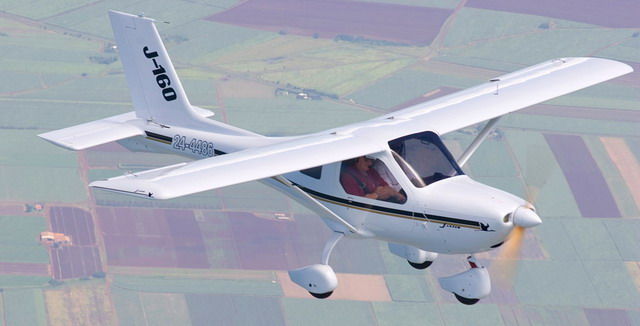
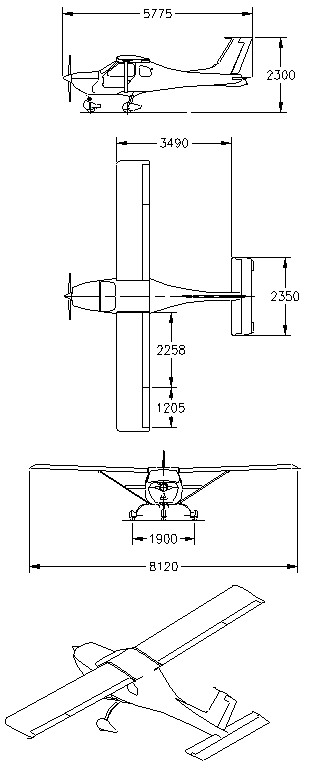
The J-160 Experimental Aircraft has been designed to JAR –VLA European Airworthiness Standard. A high-winged, strut-braced monoplane with wing flaps, mass balanced elevator and in-flight adjustable trim. A fully enclosed, ergonomically designed cabin with 2 doors provides ease of entry and low noise levels. Seating is side-by side fixed with centre controls and panel mounted throttles. Ideal for training or recreation.
A tricycle undercarriage has a steerable nosewheel and hand operated in line hydraulic disc brakes.
All composite construction removes the corrosion problem. Designed for minimum maintenance, the upper and lower cowls easily removed.
An auxiliary electronic fuel pump is fitted for ease of starting and added security in flight. All the engine management features of conventional GA light aircraft: Carburettor Air Heat, Dual Ignition, Pressure Compensating Carburettor – no mixture control .
Jabiru fixed pitch wooden propeller with composite cover and urethane leading edge
Avionics include VHF Transceiver, PM501 Intercom and headsets Transponder Altitude Encoder optional. The Jabiru features a steerable nose wheel, electrically operated flaps, cast aluminium 500 x 6 wheels and 6 ply tyres with spats, a fully upholstered cockpit, cabin heater, 135 litre fuel tanks (wing tanks & header tanks), and adjustable foot pedals to cater for pilots who have difficulties reaching the pedals.
The Jabiru J160-C aircraft was been developed as a new trainer aircraft that is bigger all round. It has a wider cockpit higher cabin and more leg room. Jabiru has an Australian Type Certificate in the primary category for the J160 as well as a production certificate. Conventional configuration Designed to JAR/VLA European Airworthiness Standard High-winged, strut-braced monoplane with wing flaps, mass balanced elevator and in-flight adjustable trim. Cruise Speed @ 3050 rpm 100 knots Range (nil reserve) – 1030 nautical miles 4 stroke JABIRU 2200 cc engine designed specifically for the Jabiru aircraft. Stall speed with flaps at Gross Weight 45 KIAS Fully enclosed, ergonomically designed cabin with 2 doors providing ease of entry and low noise levels. Side-by side fixed seating with centre controls and panel mounted throttles. Ideal for training or recreation. Tricycle undercarriage with steerable nosewheel and hand operated in line hydraulic disc brakes makes ground handling a breeze. All composite construction removes the corrosion problem. Wing and power loadings provide high performance and handling, particularly in turbulence. Comfortable seating with easily removed covers. Designed for minimum maintenance. Upper and lower cowls easily removed. Auxiliary electronic fuel pump for ease of starting and added security in flight. All the engine management features of conventional GA light aircraft: Carburettor Air Heat, Dual Ignition, Pressure Compensating Carburettor ? no mixture control ! Jabiru fixed pitch wooden propeller with composite cover and urethane leading edge Avionics include VHF Transceiver, PM501 Intercom and headsets Transponder Altitude Encoder optional.
J-160 Experimental
Engine: Jabiru 2200 85 hp
Propeller: 2 Blade Fixed Pitch Wooden/Composite
60” dia x 44” pitch
Height: 7′ 6.5″
Length: 19′
Cabin width: 43″
Wing Span: 26.6′
Wing Chord: 39″
Wing Area: 86.6 sq.ft
Empty Weight: 605 lbs (275 kg)
Gross Weight (MTOW): 1200 lbs (544 kg)
Useable Load: 591 lbs (269kg)
Wing Loading Gross: 13.7 lbs/sq.ft
Power Loading Gross: 14.12 lbs/hp
Flight Load Factor: +3.8 -2.0 G
Structure Tested: +7.0 -3.6 G
Fuel Capacity: 35.5 gal / 135 lt
Vne (never exceed): 152 mph – 132 kts
Va (Max.Manoeuvre): 120 mph – 105 kts
Cruise at 75% power: 115 mph – 100 kts
Max. Straight & Level: 132 mph – 115 kts
Vso (full flap) at Gross Weight: 52 mph – 45 kts
Vs1(clean) at Gross Weight: 56 mph – 49 kts
Clim rate (at sea level) Gross: 500 ft/min
Service Ceiling: 15,000 ft
Take Off Distance Groundroll: 650 ft – 200m
Landing Distance Groundroll: 546 ft – 168m
Glide Ratio (engine idle): 10:1
Crosswind Component: 16mph – 14 kts
Fuel Consumption at Cruise: 3.5 gph – 13 lts/hr
Range: 1185 sm – 1030 nm
Endurance (no reserve): 10.3 hrs
LSA: No
2010 Kit Price: A$34,400
2010 Kit Price w/Engine: A$48,300
J160C
Stall: 45 kt / 52 mph / 83 kmh
Cruise: 100 kt / 115 mph / 185 kmh
VNE: 132 kt / 152 mph / 244 kmh
Empty Weight: 295 kg / 650 lbs
MTOW Weight: 540 kg / 1190 lbs
Climb Ratio: 500 ft/min / 3 m/s
Glide Ratio: 10:1
Take-off distance (50ft obstacle): 650 ft / 198 m
Landing distance (50ft obstacle): 546 ft / 166 m
LSA/Microlight
Low cost operating costs
Composite construction
Engine: Jabiru 2200B, 80 hp
Fuel behind seats: 65 ltrs
Fuel: mogas or Avgas. 10-16lts p/h
MTOW: 500 kg
Usable load: 215 kg
Cruise: 100kts
Va: 103kts
Vs: 45kts
Vne: 146kts
Crosswind: 14kts
Seats: 2
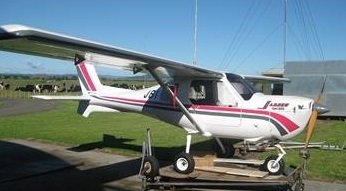
The agents in the USA for the original Jabiru circa 1997 were Tiger Aviation. The SP 470 model is a combination of the best features of the SK and UL models. The longer fuselage and the standard SK wing.
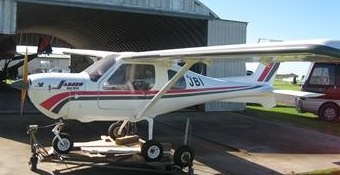
By 1998 sales were underway in the UK and worldwide 130 examples were flying.
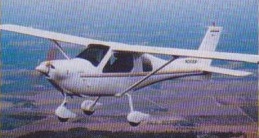
Jabiru
Engine: Jabiru, 80 hp.
HP range: 60-80.
Height: 6.58 ft.
Length: 16.5 ft.
Wing span: 26.25 ft.
Wing area: 85 sq.ft.
Weight empty: 520 lbs.
Gross: 1060 lbs.
Fuel cap: 17 USG.
Speed max: 138 mph.
Cruise: 129 mph.
Range: 600 sm.
Stall: 46 mph.
ROC: 1200 fpm.
Take-off dist: 480 ft.
Landing dist: 300 ft.
Service ceiling: 15,000 ft.
Seats: 2.
Landing gear: nose wheel.
SK60
Engine: Jabiru 1.6lt, 60 hp.
Cruise: 75 % 90 kt.
Endurance: 4 hr.
Seats: 2
SK80
Engine: Jabiru 2.2lt, 80 hp.
Cruise: 75% 105 kt.
Endurance: 4.5 hr.
Seats: 2.
Jabiru SK
Engine: Jabiru 2200, 80 hp
Wing span: 8.34 m
Wing area: 7.9 sq.m
MAUW: 450 kg
Empty weight: 235 kg
Max speed: 215 kph
Cruise speed: 195 kph
Minimum speed: 74 kph
Climb rate: 6 m/s
Seats: 2
Kit price (1998): £24,675
SP 470
Engine: 2.2 Jabiru.
Stall speed 39 kts.
SP taildragger
Wing: UL.
Engine: Jabiru 2200.
Cruise: 90-95 kts @ 14 lt/hr.
ST3 UL
Stall: 35 kt / 40 mph / 65 kmh
Cruise: 85 kt / 98 mph / 157 kmh
VNE: 116 kt / 133 mph / 215 kmh
Empty Weight: 253 kg / 558 lbs
MTOW Weight: 450 kg / 992 lbs
Climb Ratio: 1000 ft/min / 5 m/s
Glide Ratio: 1:14
Take-off distance (50ft obstacle): 1180 ft / 360 m
Landing distance (50ft obstacle): 1180 ft / 360 m
Jabiru Aircraft Pty, Ltd has been in the business of producing Light Sport aircraft in Australia since 1991. The fleet of Jabiru LSA aircraft around the world in flight schools and flight clubs had accumulated over a half million flight hours by 2010.
1998:
PO Box 5186
Bundaberg West
West Qld 4670
Australia
Produces a range of two-seat all-composite lightweight cabin aircraft which have been available as either factory built models or as fully comprehensive kitsets. Jabiru produce their own motive power for the aircraft. The engines are already found in a range of other kit manufacturers products.
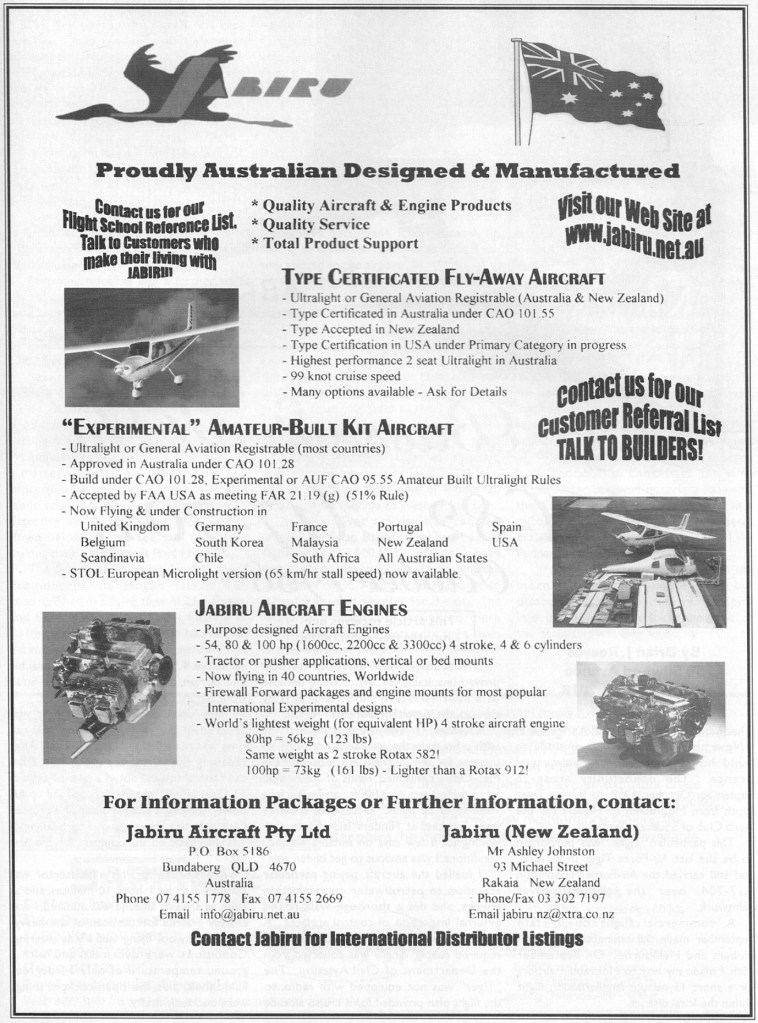
1995: Bundaberg West 4670, Queensland, Australia.
As at October 2013, Jabiru Aircraft were offering:
J120-C
J160-D
J170-D
J230-D
 All Aero