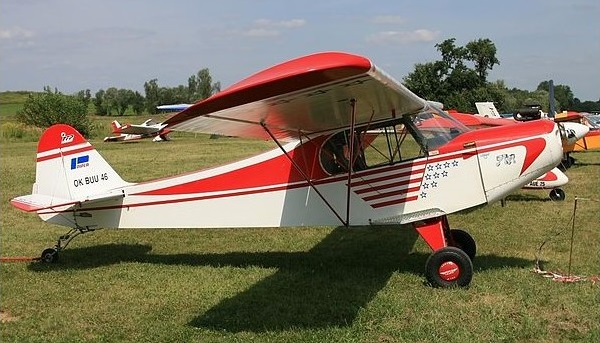
The UL Tulak (Rambler) is a side-by-side, factory-built or kit. There is no kit version for the Piper UL.
The Tulak was certified in 1996 and Piper in 1998. The Tulak was marketed by HB Flugtechnik as Dandy and the UL Piper as the Cubby. German name for the Piper UL being Tandem Tulak.
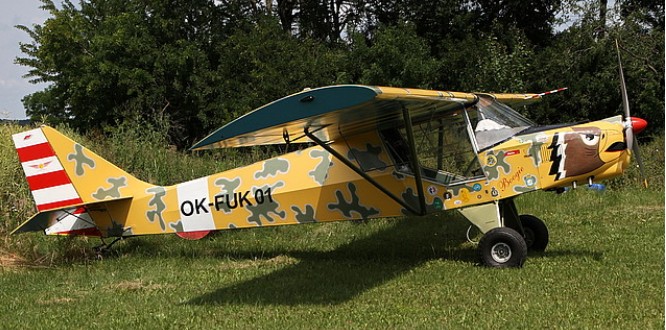
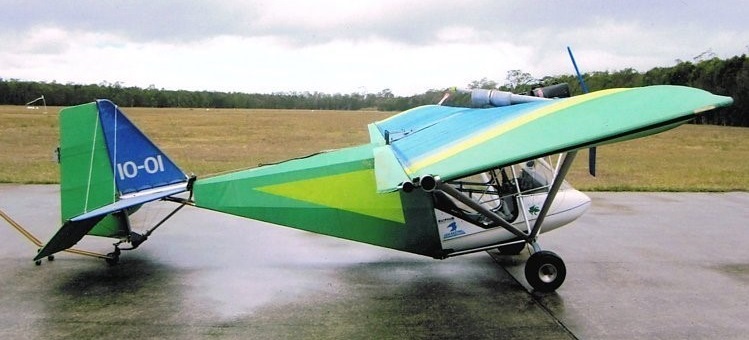
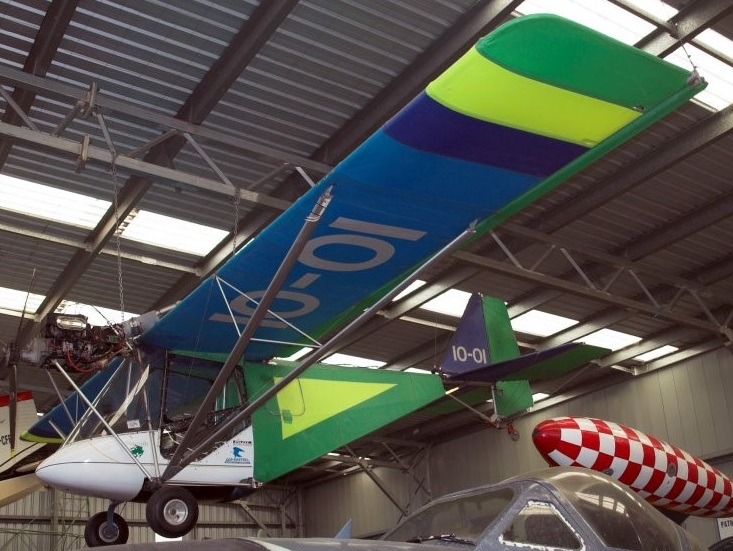
The Piper UL and TUL-09 Tulak feature a high constant-chord wing braced by V struts, with optional tapered or downturned wingtips. The wings fold back for storage and transportation. A Clark Y wing section, thickness/chord ratio 12.5 per cent, is used. Flying controls are conventional and manual wth a flight-adjustable trim tab in each elevator. Plain flaps are fitted.
The fuselage is fabric-covered metal tube and two-spar wooden wing. The engine cowling is metal, and some composites are used.
The landing gear is tailwheel type, fixed, with a steerable tailwheel; 420×150 mainwheels with bungee suspension and cable-operated brakes. Mainwheel spats optional.
Engine options include 58.8 kW (78.9 hp) or 73.5 kW (98.6 hp) BMW; 58.8 kW (78.9 hp) Verner; 62.5 kW (83.8 hp) Tatra; and 51.5 kW (69.0 hp) Limbach..
In total 55 kits and complete aircraft were built by the end of 2002. The ninth factory-built machine was registered in Poland in 2002. Known sales were in Czech Republic, France, Germany and Poland.
HB Flugtechnik marketed the Piper UL and TUL-09 Tulak as the Dandy and Tulak.
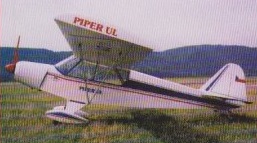
Piper UL / TUL-09 Tulak
Engine: Rotax 503 UL-2V, 37.0 kW (49.6 hp)
Propeller: SportProp three-blade, ground-adjustable pitch, glass fibre
Span: 9.82 m (32 ft 2½ in)
Length: 5.96 m (19 ft 6½ in)
Fuel capacity: 50 litres (13.2 US gallons; 11.0 Imp gallons).
Max cruising speed: 70 kt (130 km/h; 81 mph)
Piper UL
Engine: Rotax 912, 80 hp
Wing span: 9.6 m
Wing area: 13 sq.m
MAUW: 450 kg
Empty weight: 250 kg
Fuel capacity: 50 lt
Max speed: 180 kph
Cruise speed: 160 kph
Minimum speed: 55 kph
Climb rate: 5 m/s
Fuel consumption: 8 lt/hr
Certification: C2
Seats: 2
Price (1998): 58 780 DM
 All Aero