Canada
Based in Canada for project management, but with French connections in helicopter development; first flew in France in 1976 and 1984 two prototypes of a four-seat helicopter with rotor driven by cold-air tip jets. Program halted.
Helicopters
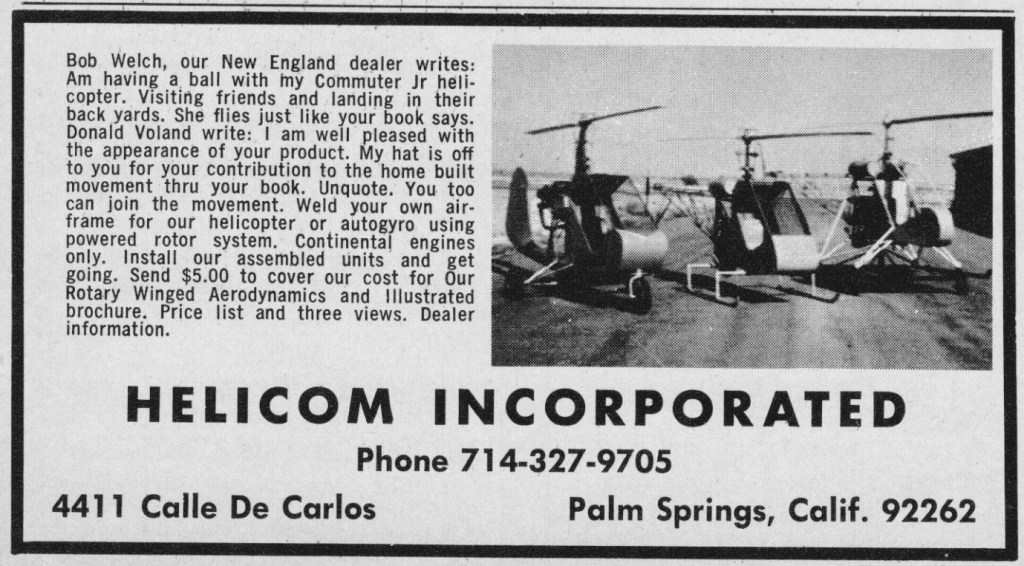
Helicom H-1 Commuter Junior
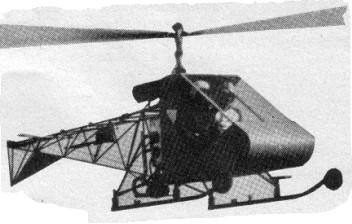
Harold E. Emigh founded the Helicopter Research Corporation in 1954 to develop and market a single-seat personal helicopter. Known as the Helicom Commuter Jr Model H-1 A, the prototype first flew in 1960, and was sold both in ready-to-fly form and as a kit for assembly by amateur constructors. A ground trainer version was developed also, mounted via a gimbal to a castoring base which was too heavy for the helicopter to lift from the ground.
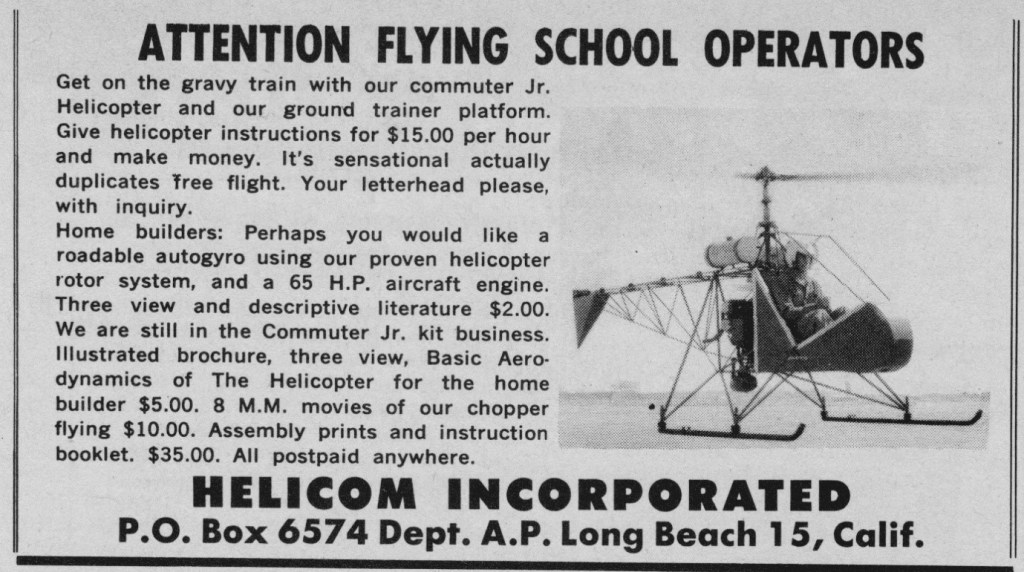
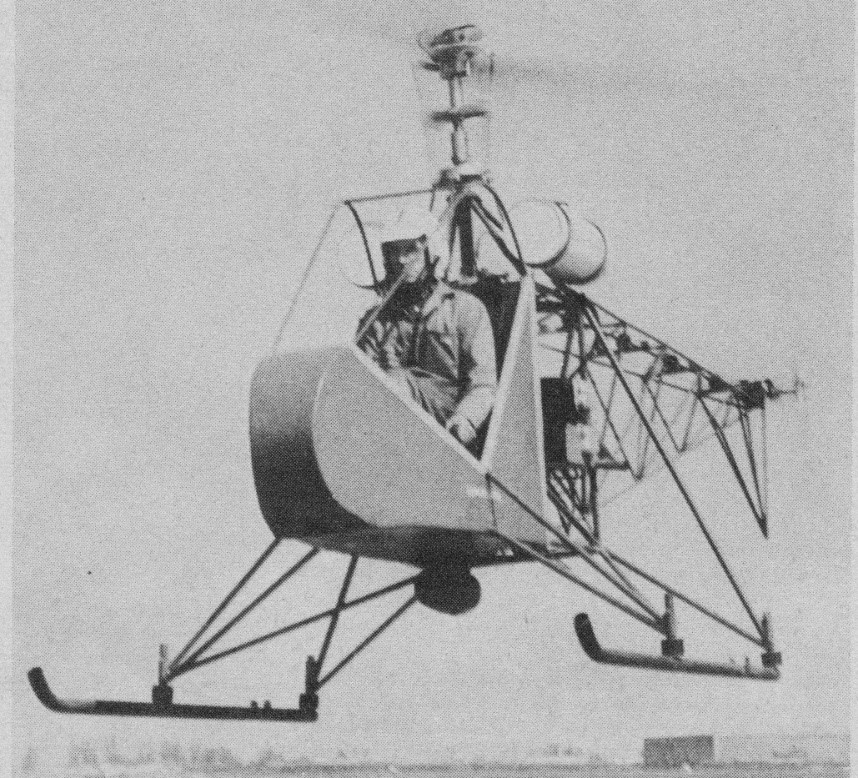
The commercial rights were sold to Southern Pacific Aircraft Co and then to International Helicopter Inc of Mayville, New York, with the machine being refined along the way as the Commuter II.
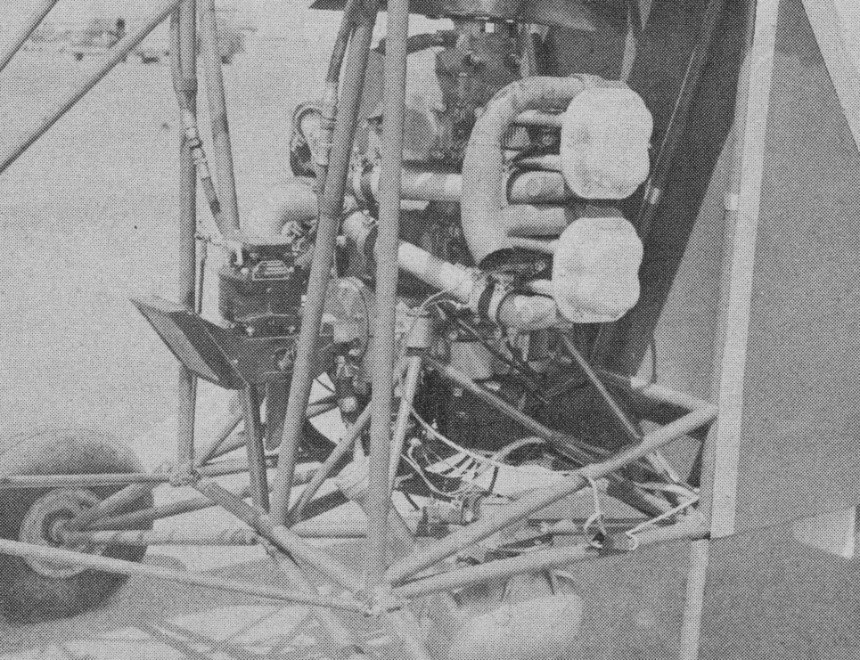
Engine: Continental, 90 hp.
Gross weight: 950 lb
Fuel capacity: 2 x 6 USG
Cruise: 90 mph
Helicom Inc
The Helicopter Research Company was founded by Harold E. Emigh in the early 1950s to build a single-seat, ultra-light conventional helicopter for amateur construction using either plans of kit – the H-1 Commuter Junior.
By 1963 the company had been renamed Helicom Inc and was based at Long Beach, California.
Harold Emigh Sr, a 15,000 hr fixed-wing pilot, taught himself to fly helicopters in the H-1 Commuter Junior.
Havertz HZ-5
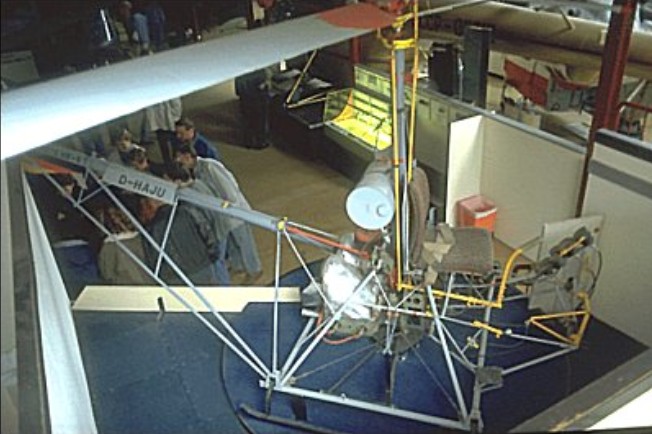
The HZ-5 is the last design of a series of self-built helicopters by Ing. Havertz. The prototype did fly 56 hours during flight tests circa 1966. The project was discontinued due to the age of Mr. Havertz.
Harbin 701
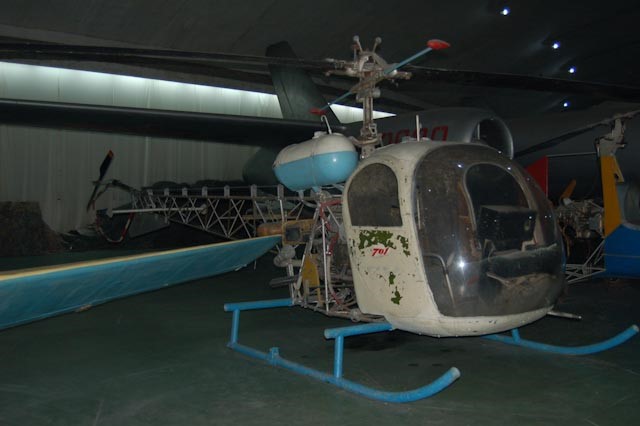
The Harbin Type 701 prototype was a reverse-engineered Bell 47G (Sioux) copy.
It was not put in production.
Harbin Z-6
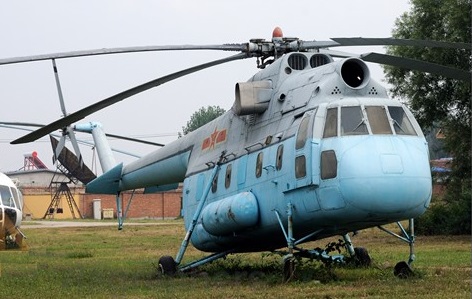
Development of helicopters continued in 1968 with the first flight of the Harbin Z-6. A development of the Z5 (Mi-4) equipped with turbine engines, it was not a success, only 15 were built.
Harbin Aircraft Manufacturing Corp
Created in 1952 from the Mansyu Hikoki Seizo Kabushiki Kaisha of Manchuria. Began the H-6 bomber program in 1957, initially assembling two Tu-16s from Soviet supplied components, the first flying in September 1959, but in 1961 this program was transferred to Xi’an. Manufactured the H-5 jet bomber from 1966 to the 1980s, based on the Soviet llyushin II-28. Developed and still produces the Y-11 (first flown about 1975) and Y-12 (first flown June 1984) general-purpose transports and Z-9 Haitun twin-turboshaft helicopter as license-produced Eurocopter Dauphin 2. Was pursuing development of a new helicopter in 1999, and is a partner in the Colibri EC 120 B helicopter program . Also produced two prototype (one static) and five production SH-5 anti-submarine amphibians (one civil, tested as a firebomber).
In 1998, the core company of Harbin Aircraft Industry Group (HAIG) was under under AVIC II and occupied a 514 ha (1.270 acre) site, including 350,000 sq.m of workshop space. The workforce in 1998 numbered approximately 18,000.
Harbin partnered with Eurocopter and Singapore Technologies Aerospace in the Eurocopter EC 120 Colibri programme, for which it builds the cabin.
Hagwara JHX-1 / JHX-2 / JHX-3 / JHX-4
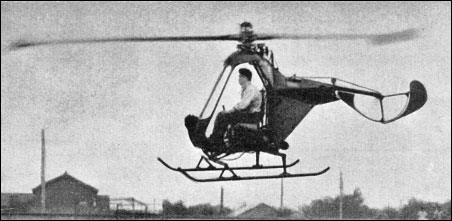
Mr. Hisao Hagiwara of Tokyo formed the Jiyu Koku Kenkyusho (Liberty Aeronautical Research Institute) in 1952 in order to develop a helicopter with a jet-driven main rotor.
The JKK completed the design and construction of its first prototype in August, 1952. It was a light single-seat aircraft with a two-blade rotor of 7.3m diameter. Troubles with the transmission system and jet-nozzles led to its abandonment before the end of the year. No greater success was achieved with the original 100mm pulse-jet engine, designed by Mr. Takeo Kimura to power the helicopter, because it proved difficult to ignite and its noise level was unacceptable. Subsequent prototypes have had ramjet engines.
Two of these prototypes, designated the JHX-2 and JHX-3, were completed in March and September, 1955 respectively. Two years later the JKK was disbanded, but Mr. Hagiwara has continued his work with technical assistance from the Civil Aeronautics Agency and the Tokyo Metropolitan Aeronautical Engineering School. The first result of this collaboration is the JHX-4 helicopter.
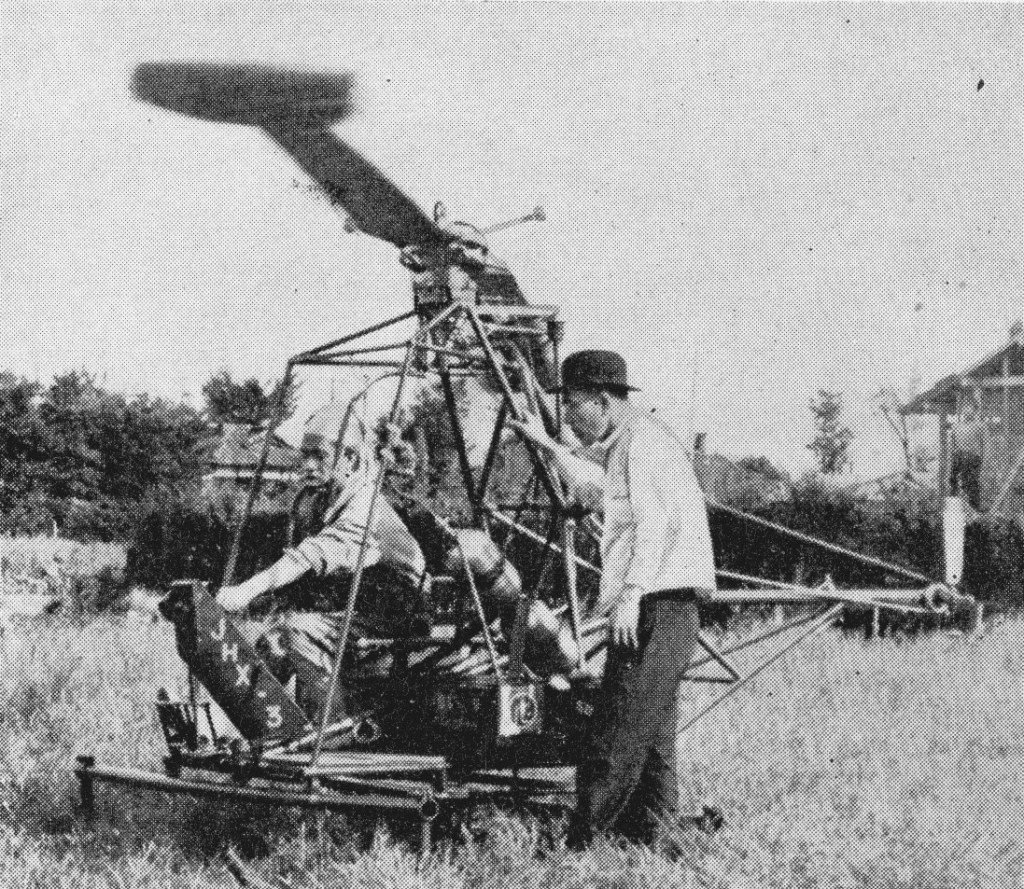
First flown in late September, 1958, the JHX-4 is a single-seat light helicopter with a two-blade main rotor which is driven by tip-mounted ramjet engines.
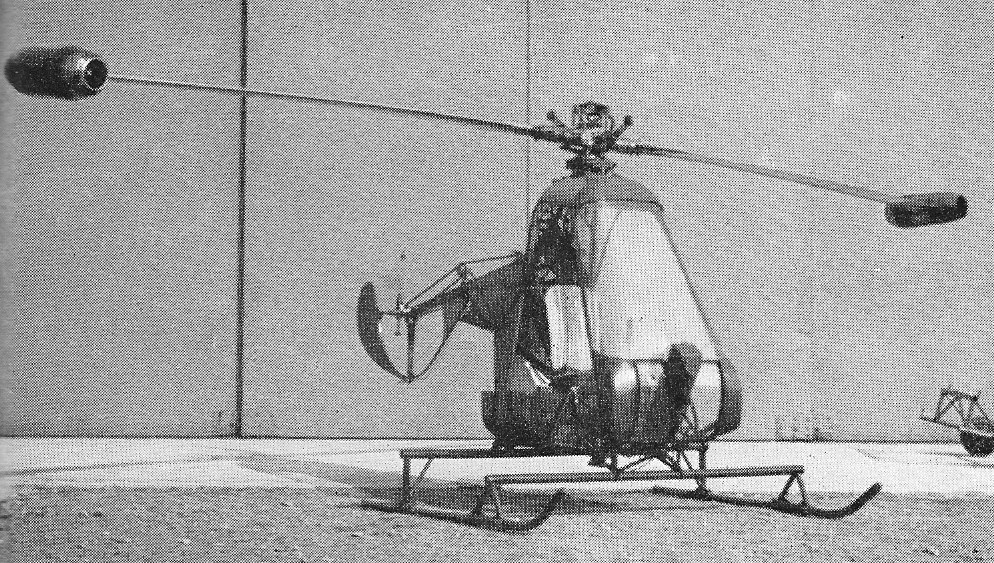
The rotor turns at 600 rpm. The JHX-4 has an endurance of 30 minutes.
Hagiwara JHX-4
Power: 2 x Hagiwara ramjet, 44 lb thrust
Rotor diameter: 7.3m / 23 ft 9 in
Height: 2.2m / 7 ft 2 in
Length: 3.8m / 12 ft 5 in
Empty weight: 396 lb
Crew: 1
Hagwara
Mr. Hisao Hagiwara of Tokyo formed the Jiyu Koku Kenkyusho (Liberty Aeronautical Research Institute) in 1952 in order to develop a helicopter with a jet-driven main rotor.
Hafner AR.III
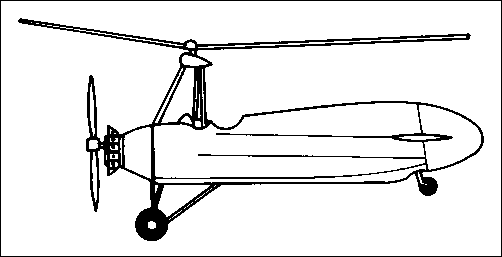
After the 1931, Hafner went to England where he designed and flew, with some success, his A.R.III gyroplane, a jump start autogyro. Raoul Hafner flew this first combined cyclic-and-collective control system on an autogiro with articulated blades in 1935. Although this machine was not capable of hovering, it marks a milestone in helicopter tecnnology.
 All Aero