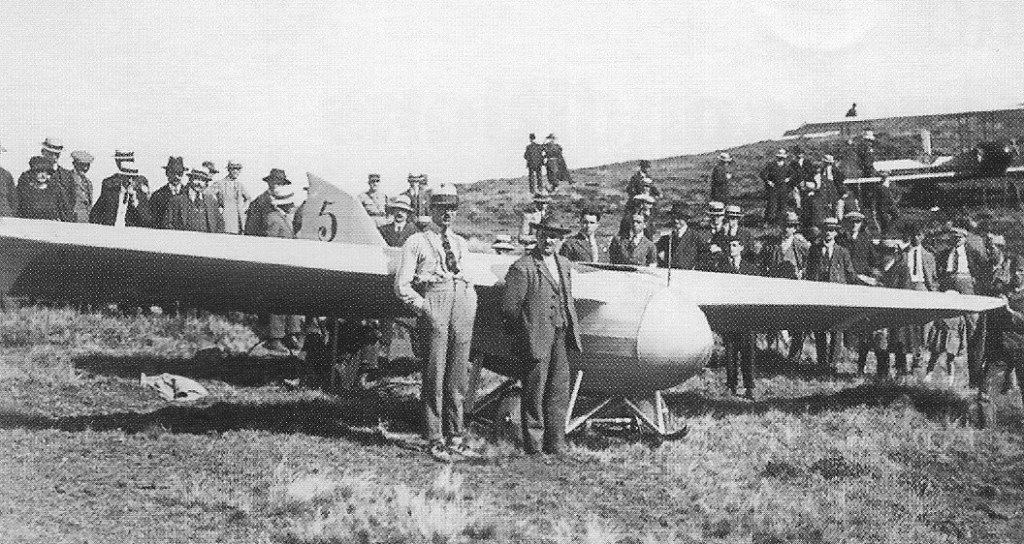
The Dewoitine monoplane had already been flown in the first French soaring contest at Clermont Ferrand in 1922. It was able under Georges Barbot, in the autumn of 1922, to make a gliding flight of 20 minutes from the plateau of Super-Bagderes (Pyrenees) with an altitude difference of 1200 meters. In 1923, it was flown by Barbot 8 hours, 36 minutes and 56 seconds in Biskra, Africa.
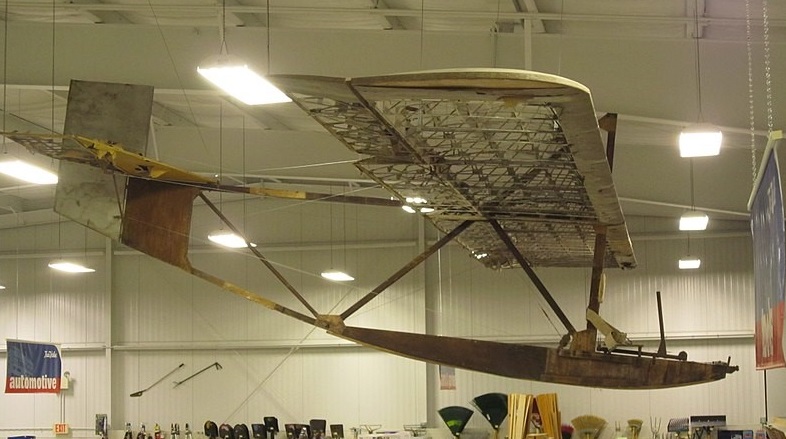
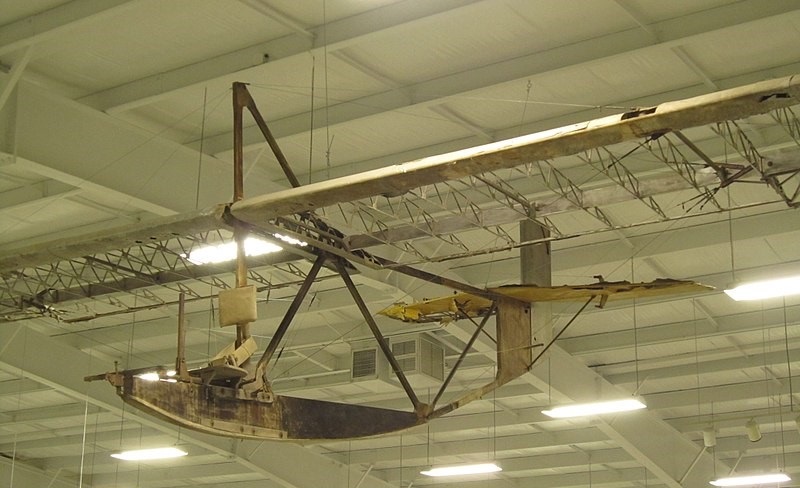
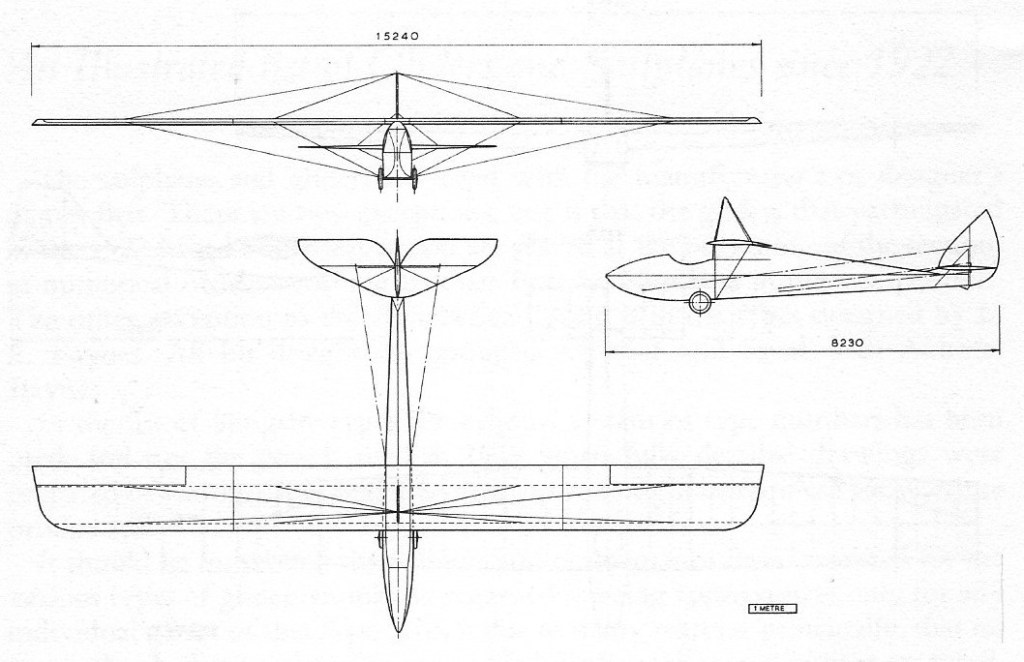
The Dewoitine monoplane has flexible wings without external brace-wires. For transportation, the wings can be folded back against the fuselage, without being entirely disconnected. Each wing has a hollow main spar and tapers outward.
It is steered by warping the ends of the wings, the rear two-thirds being flexible and the front third rigid.
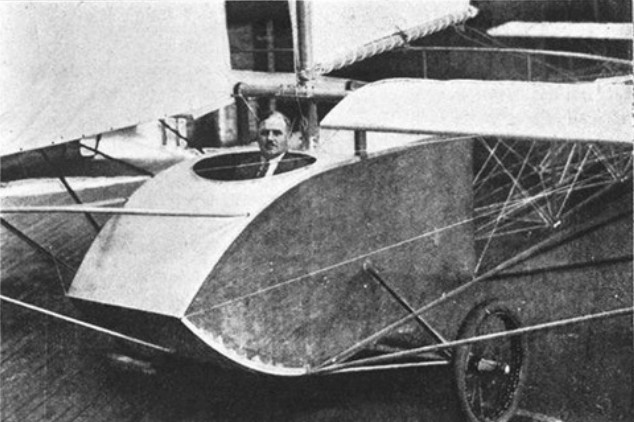
The fuselage has a streamline form made by oval ribs- connected by light spars. On the glider, the front end of the fuselage consisted of a spherical cap of plywood, the latter was replaced by an engine on the low-powered airplane.
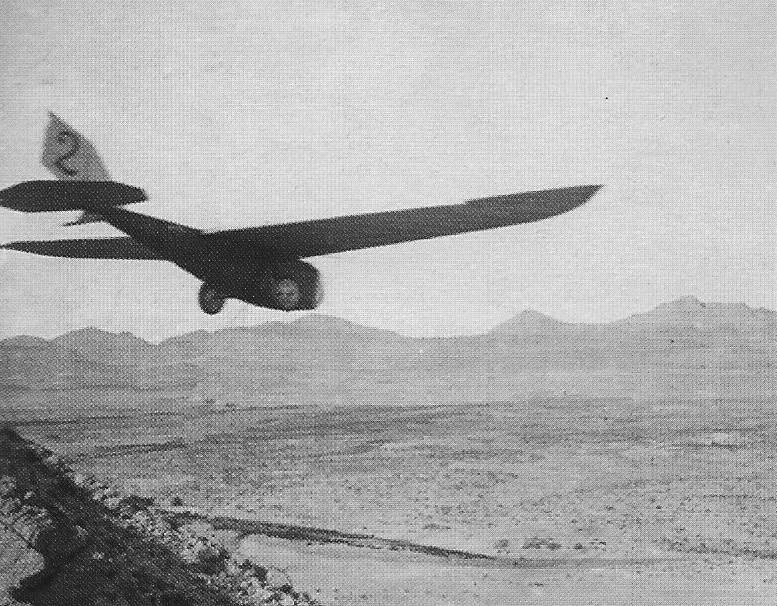
The 7 to 10 HP Anzani engine was originally designed for motorcycles. It had two opposite cylinders and was air-cooled. The brake horse-powers were;
7 HP at 1250 R.P.M.
8 HP at 1350 R.P.M.
9 HP at 1450 R.P.M.
11.75 HP at 1800 R.P.M.
12.75 HP at 2200 R.P.M.
With wide-open throttle, the revolution speed was about 1350 R.P.M., hence 8 HP.
The weight of the supporting structure is 35 kg (77.2 lb) or 4.375 kg (9.65 lb) per HP. The weight of the fuel is about 20 kg (44.1 lb) and the power plant 80 kg (176.4 lb). With a total weight of 250 kg (551.2 lb) the total load per HP is 31.25 kg (68.9 lb).
The engine is located in the front end of the fuselage and drives a two-bladed propeller. The fuselage is supported by an ordinary landing gear with rubber-tired wheels. The fuselage and wings are covered with fabric.
The flight performances are said to have been satisfactory. Barbot reached an altitude of 500 m (1640 ft) in a 25-minute flight from Francavat to Toulouse. The start was made from a level field.
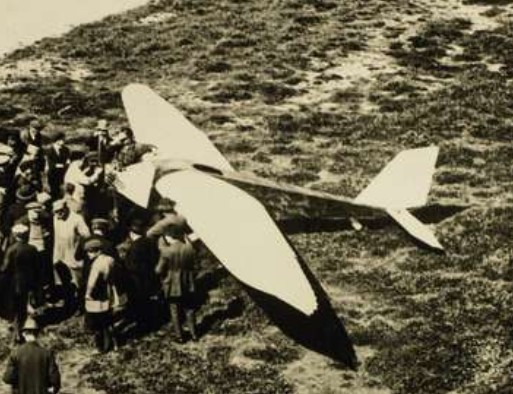
Barbot made another flight from St. Inglevert (France) across the English Channel to Lympne (England) and back. The time going was 50 minutes; returning, 43. minutes. The consumption for both flights was 4.5 liters (1.2 gallons) gasoline and 0.7 kg (1.54 lb) oil. At 1500 R.P.M. near the ground, the speed was 90 km/hr (56 mi/hr). At 1200 R.P.M it was 75 km/hr (47 mi/hr). The theoretical ceiling was 2000 m (6562 ft).
Span: 11.3 m (37.07 ft)
Wing area: 11.5 sq.m (123.78 sq ft)
Aspect ratio: 10
Length 4.9 m (16.08 ft)
Weight empty 115.0 kg (253.5 lb)
Total weight 250.0 kg (551.2 lb)
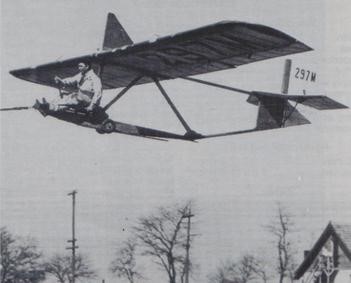


 All Aero