Back to Beechcraft 35 Bonanza

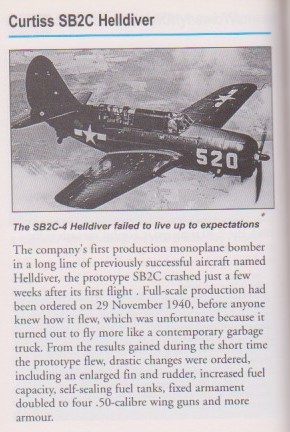
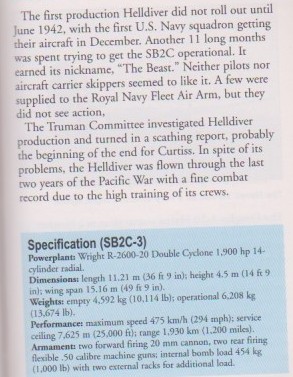
Back to Curtiss 84 / SB2C Helldiver
WWII plane salvaged from Lake Washington flies again after 80 years
The Curtiss SB2C-1a Helldiver, one of only three airworthy models left in the world, made its first public flight 19 July 2025 after undergoing an extensive restoration.

COLORADO SPRINGS, Colo. — A rare World War II Navy dive bomber that was stripped, burned and dumped in Lake Washington during the 1940s returned to the skies July 2025 after a decades-long journey from the lakebed to the air.
The Curtiss SB2C-1a Helldiver, one of only three airworthy models left in the world, made its first public flight July 19 after undergoing an extensive restoration at WestPac Restorations in Colorado Springs. The project was decades in the making — and began with two curious college students.
In 1984, 19-year-old Matt McCauley of Kirkland and his friend Jeff Hummel set out to locate rumored wrecks beneath Lake Washington. The pair discovered the Helldiver, which naval records show entered service on June 30, 1944, and was stationed briefly at Naval Air Station Whidbey Island before arriving at Naval Station Puget Sound — now Magnuson Park.
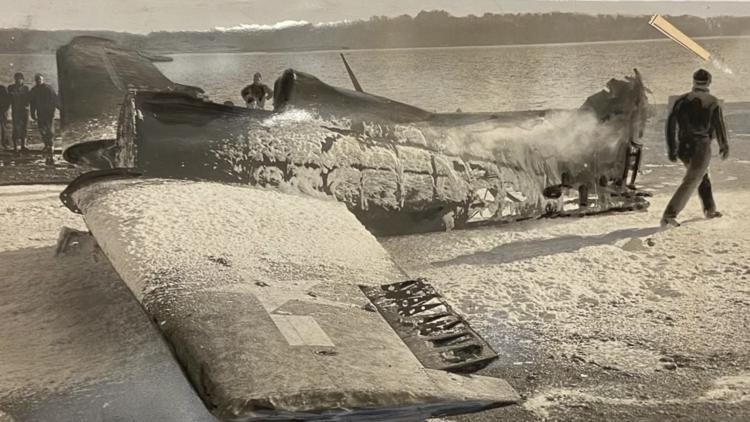
The aircraft was damaged in a hard landing in 1945 and deemed not worth repairing. Like many early -1a models, it was plagued by performance issues and quickly stricken from service. From there, the Navy repurposed the bomber as a fire training aid, dousing it in fuel and setting it ablaze for drills before eventually sinking it in 150 feet of water.
McCauley and Hummel raised the wreck on July 15, 1984, using floats to bring it to the surface. Though the plane was missing its engine, tail, and wings beyond the fold point, it marked a significant historical find.
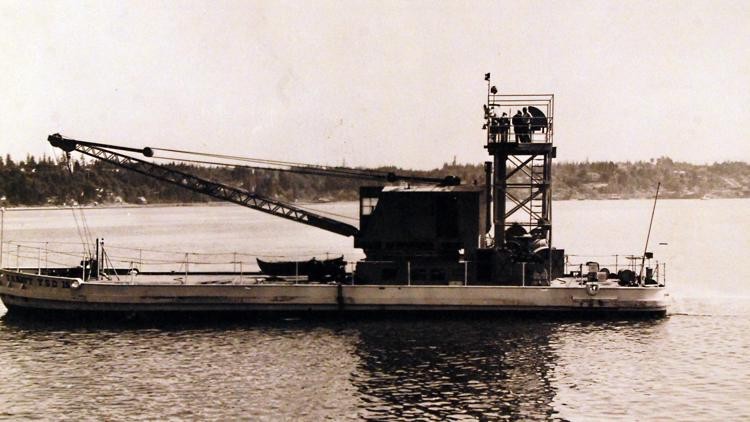
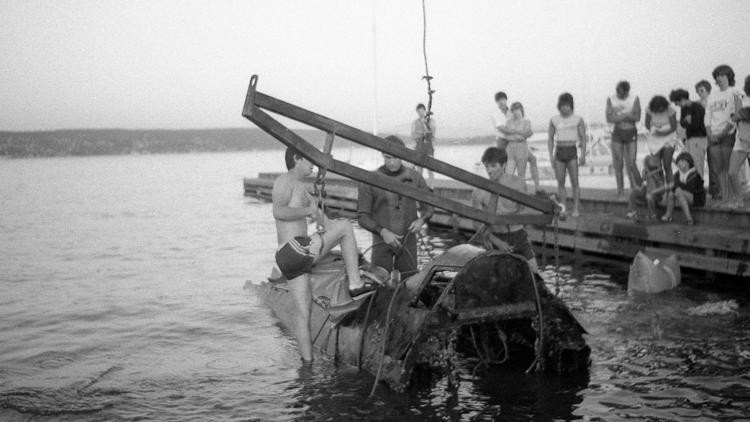
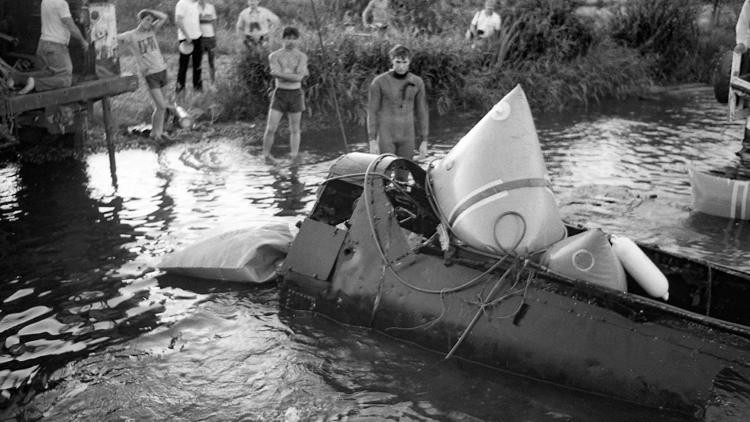
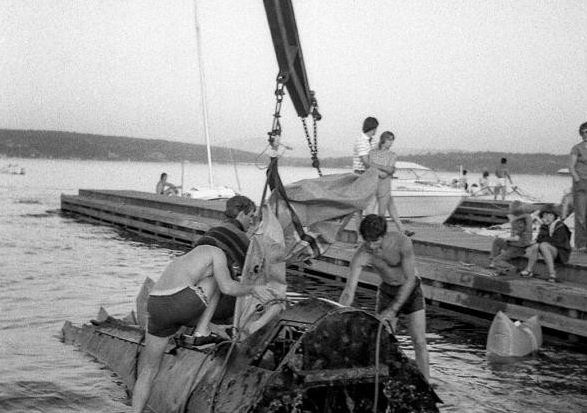
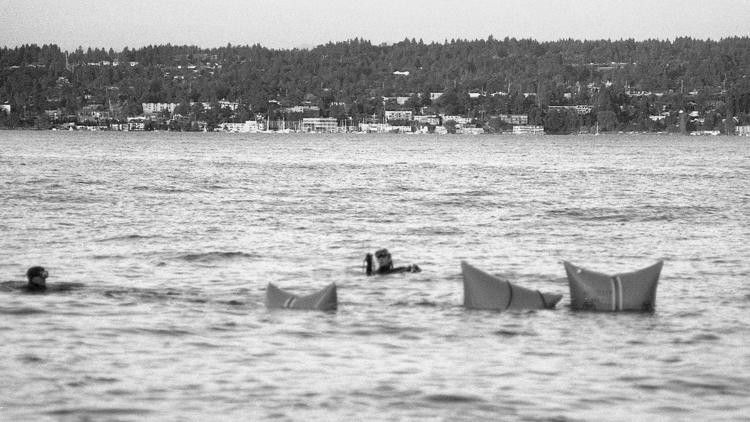
Depicted above is an FM-2 Wildcat that was salvaged in a fashion similar to the Lake Washington Helldiver.
The Navy briefly challenged the students’ ownership of the wreck, but McCauley and Hummel ultimately won the legal battle and kept the aircraft. A year later, they sold it to a collector, and over the next four decades, the Helldiver changed hands until landing at WestPac Restorations.
On Saturday, McCauley was invited to witness the restored aircraft fly for the first time in front of a crowd at the National Museum of World War II Aviation.
“I never thought I would see this happen,” he said as the engine fired up.
Of the 7,140 Helldivers built during the war, only a handful remain.
“Watching it actually fly in front of a crowd of delighted people who are still really interested in WWII aviation is just incredibly satisfying,” McCauley said.
The Helldiver is now on display at the museum in Colorado Springs.
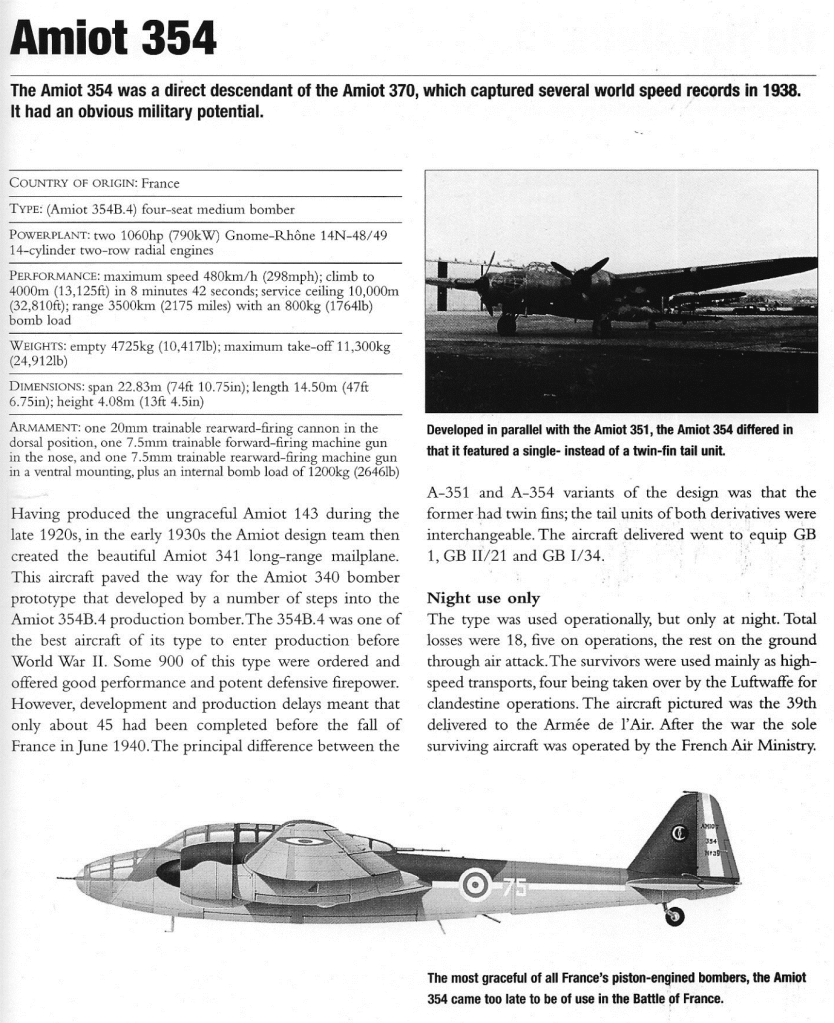
Back to Amiot 350 / 351 / 354
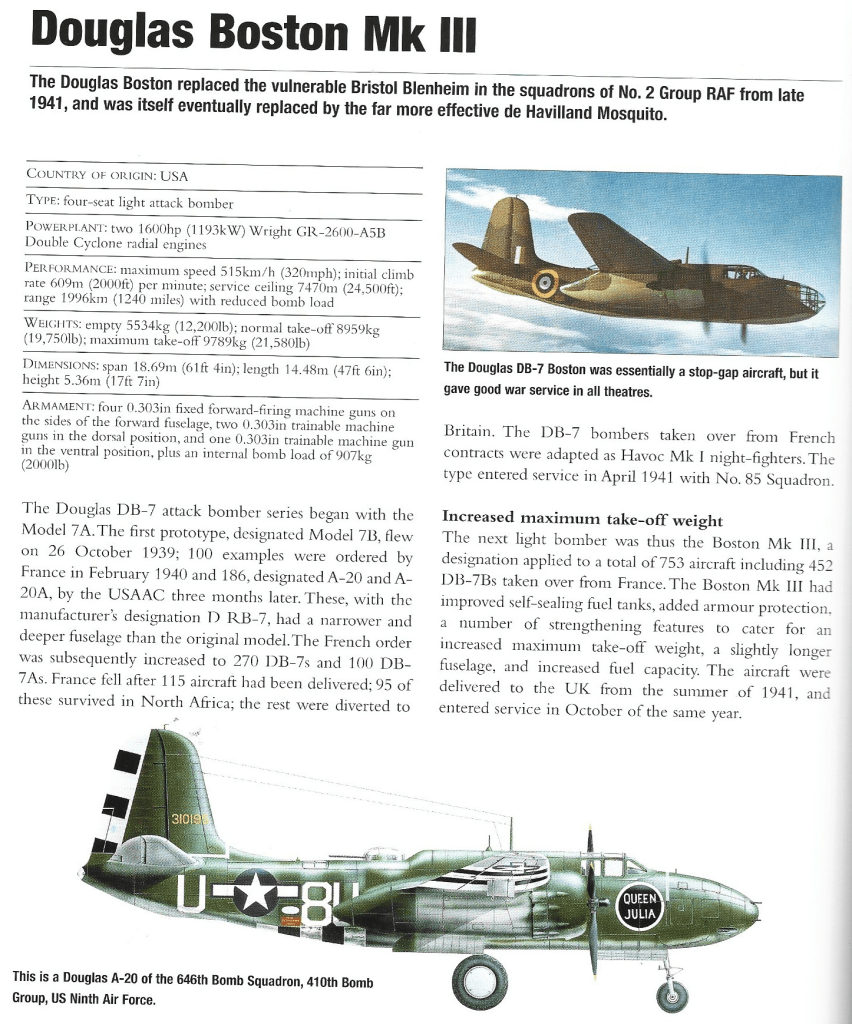
Back to Douglas DB-7 Boston / A-20 Havoc
World War II bomber Hell’n Pelican II sets sail for Port Moresby after 10-year restoration – June 2025
Eight decades after it was last in the sky, an American bomber known as the Hell’n Pelican II is making its way back to Papua New Guinea, where it crash-landed during World War II.
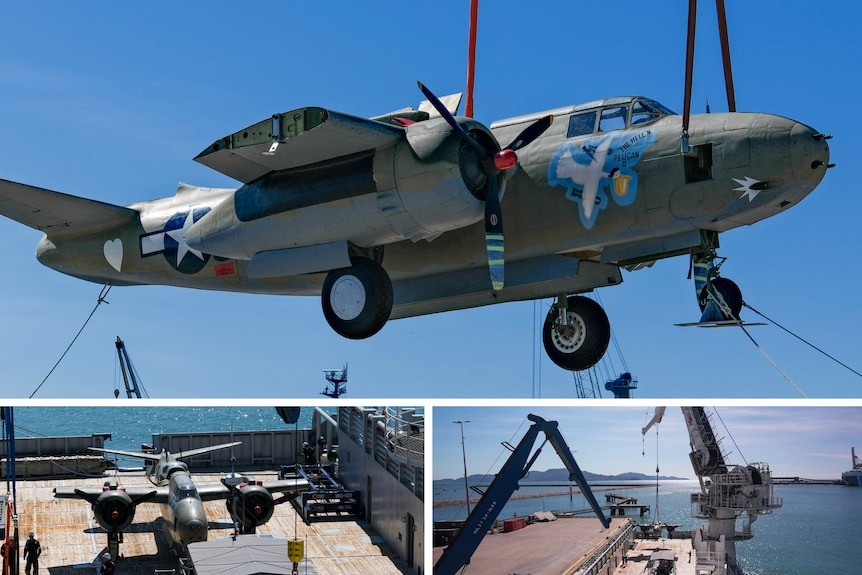
On Thursday, the Douglas A-20 Havoc bomber was loaded by crane onto the Navy’s ADV Reliant ship at Townsville, after being transported by truck from the Royal Australian Air Force base at Amberley near Ipswich, Queensland.
It will take three days of sailing to get the plane to Port Moresby, where it will take pride of place at the PNG National Museum and Art Gallery.

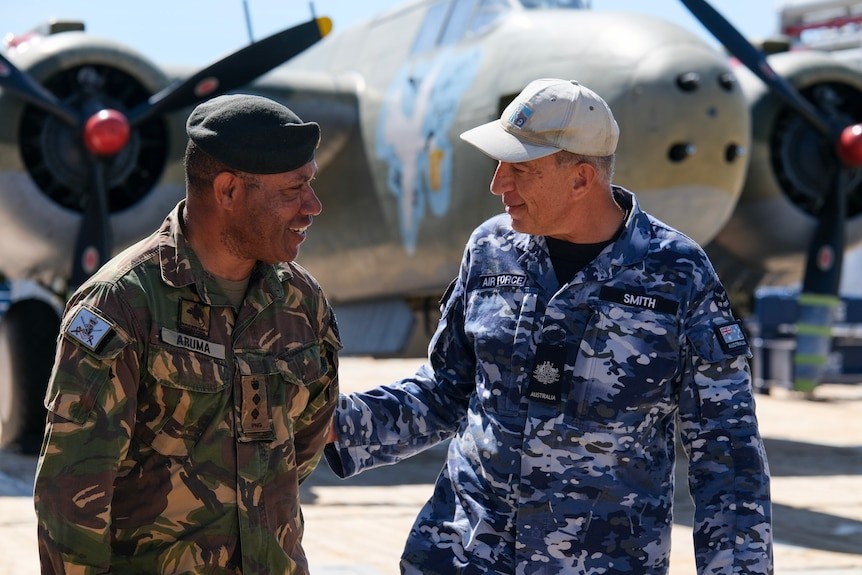
Colonel Boniface Aruma, from the PNG Defence Force, said it was a significant moment.
“It’s emotional, but it’s also a moment of happiness,” Colonel Aruma, who is posted to the Australian Army’s 3rd Brigade as Deputy Commander, said.
“I’d like to say that the aircraft is going back to its final resting place.”
In April 1944, the Hell’n Pelican II and crew — Captain Charles Davidson and Sergeant John McKenna — crash-landed when a weather event hampered their return from a mission.
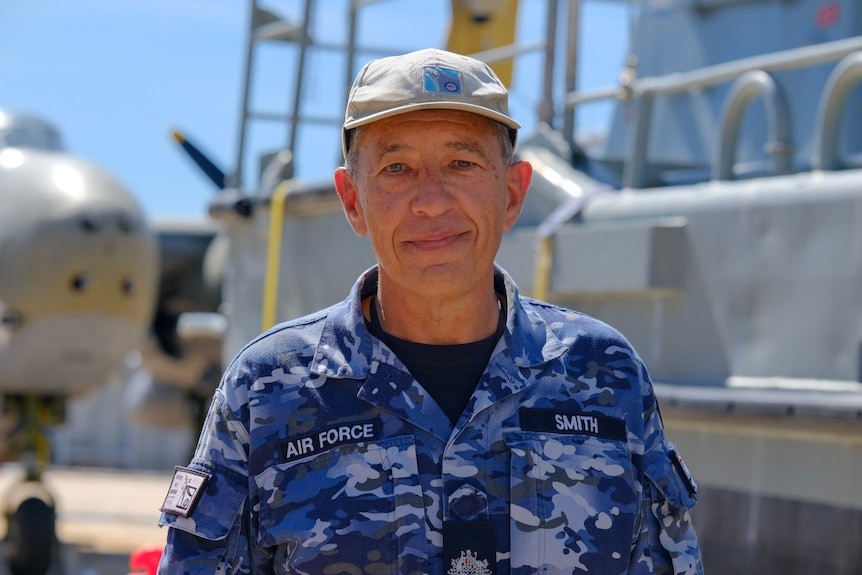
“They were struck by a weather event, and that caused the aircraft essentially to run out of fuel and they were forced to land in the Madang province,” Warrant Officer Craig Smith, from the RAAF’s History and Heritage division, said.

Warrant Officer Smith said the two American airmen were “essentially behind enemy lines” and evaded Japanese infantry as they trekked for 15 days through the jungle to safety.
He said the downed plane had been strafed with bullets by Japanese Zero planes in an attempt to kill the downed airmen.
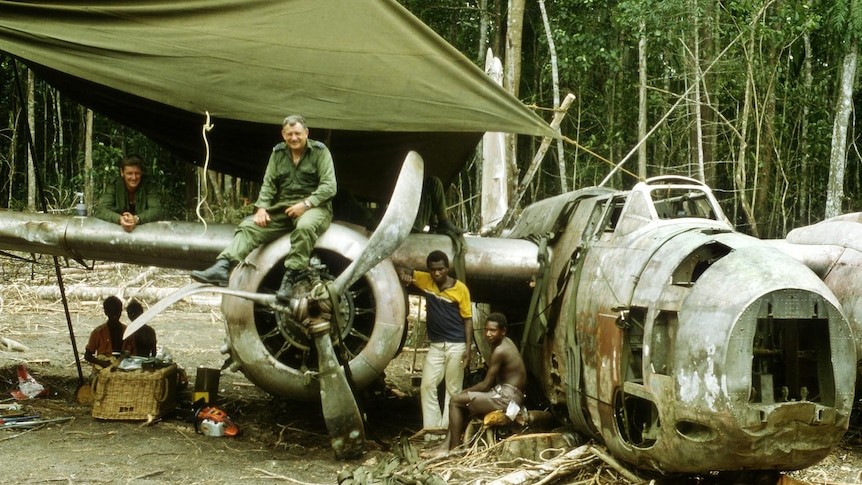
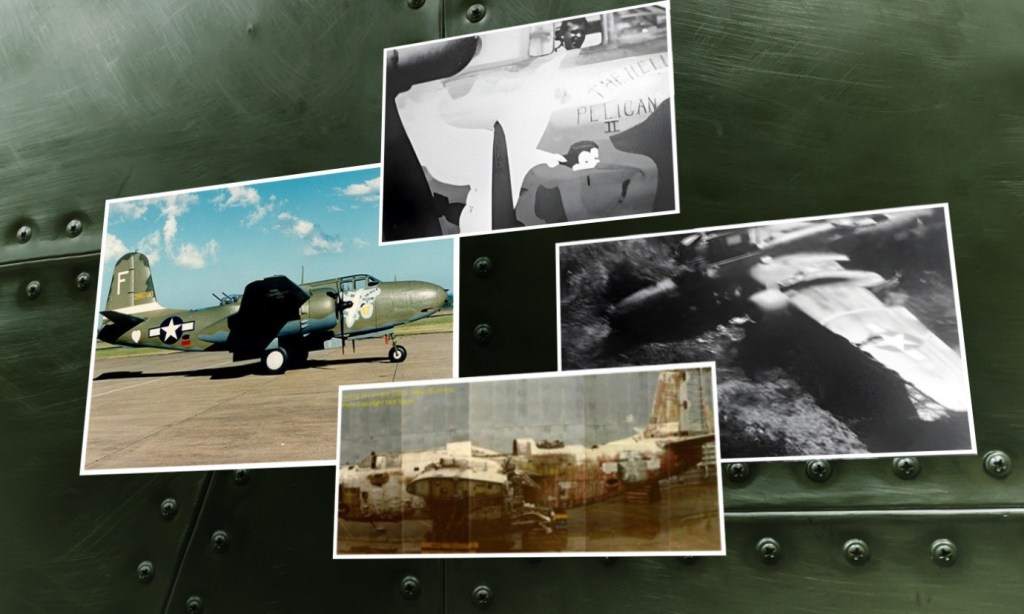
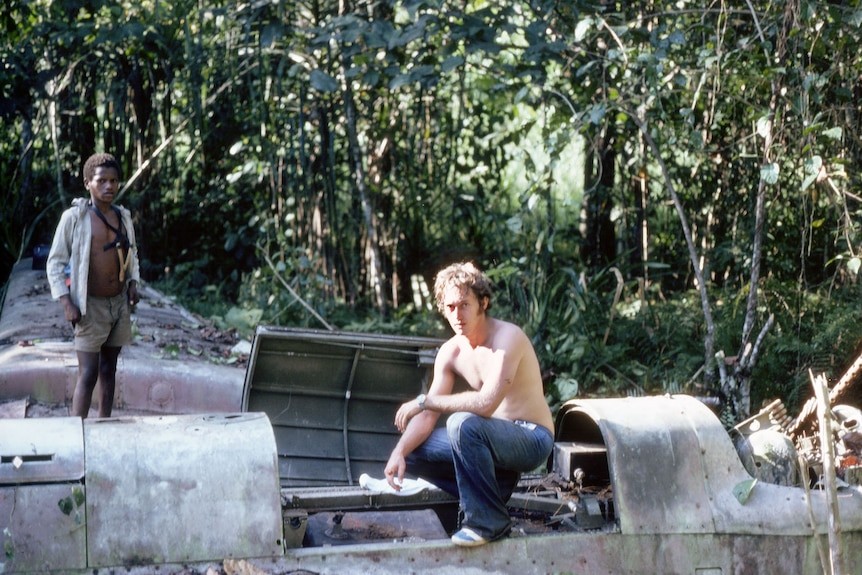
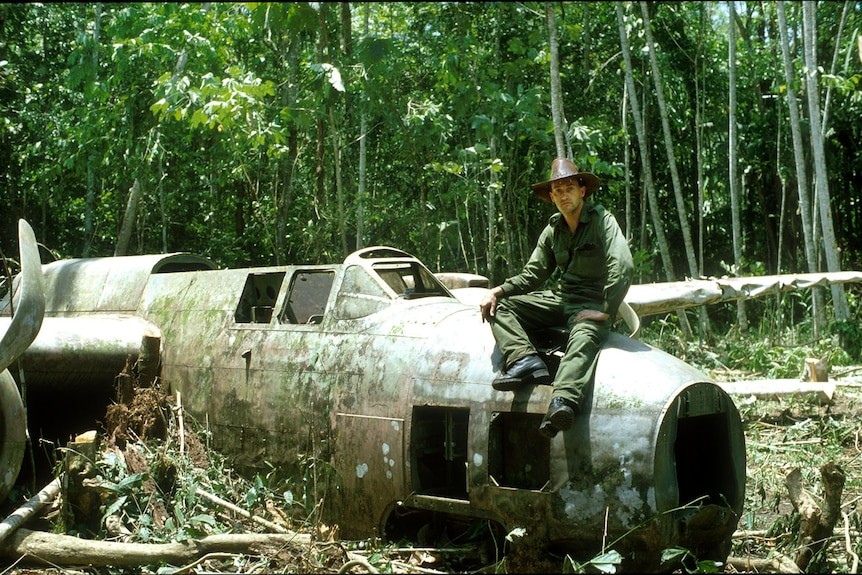
The bomber was found in 1976 by war historian and author Michael Claringbould. In 1984, it was removed by Mr Claringbould and a team from the Australian Defence Force, which used a Chinook helicopter to lift it from the bush.

It was brought by sea to Brisbane, and over 10 years was painstakingly restored and eventually displayed at a museum at the Amberley air base.
For Colonel Aruma, the task to retrieve and restore the aircraft speaks volumes about the relationship between PNG, Australia and the allied forces that defended the Pacific.
“If it wasn’t discovered, it will be left to ruins in the middle of the jungle in Madang, but selfless effort by those that went before us to restore this aircraft, to bring it back to life [will prevent that],” he said.
“Madang is very mountainous and rugged … the hardest conditions, steep ravines, high mountains, deep valleys, and so I wouldn’t be surprised if that aircraft was sitting in the middle of a ravine or in thick tropical jungle that you have to cut through to pull that aircraft out.”
Remarkably, the bomber was found in good condition, which Warrant Officer Smith said was all thanks to the unforgiving PNG jungle.
“Where it actually finally came to rest was in swamp land and, essentially, the mud and the environment preserved a lot of it,” he said.
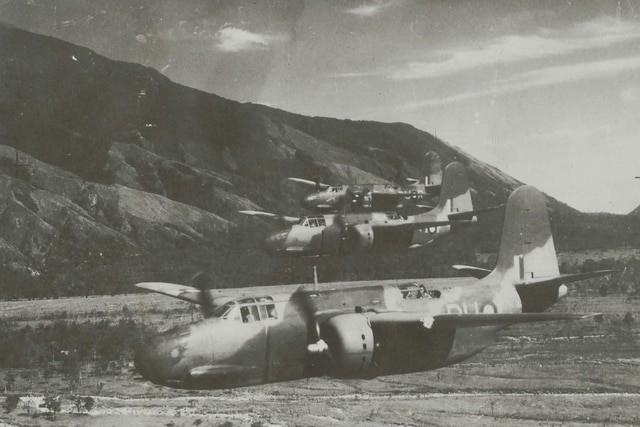
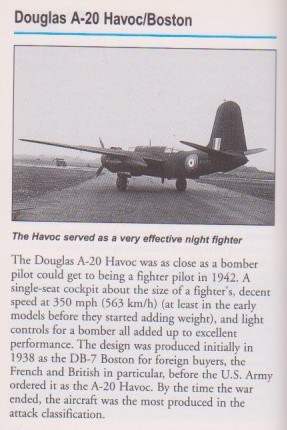
Variations of the Douglas bombers were used widely across all fronts of World War II, with an estimated 7,500 Douglas A-20 Havocs manufactured.
“It was a light bomber aircraft, and that was its main purpose in life,” Warrant Officer Smith said.
“The Australian and UK also operated an aircraft very similar to this, and we called it the Boston bomber, but it was essentially the same A-20 aircraft.”
The aircraft was also used by the United Kingdom’s Royal Air Force and the Soviet Air Forces.
“I know that approximately six were retrieved out of New Guinea to reassemble this one, and there’s a second aircraft that’s been reassembled and restored and is now on display in Point Cook [near Melbourne],” Warrant Officer Smith said.
He said the pelican painted on the side was the emblem of Second Lieutenant Charles Davidson, who flew the aircraft.
“This is the first one to go back to Papua New Guinea,” he said.
“There’s a historical aircraft shelter, a brand new shelter, that’s just been built over there.”
Colonel Aruma said the return of the aircraft was a historic occasion.
“This gift not only demonstrates the relationship between the ADF and the PNG, but it goes above and beyond the two forces, and it’s so significant,” he said.
“I’m sure there will be hundreds, if not thousands of people in the capital of Port Morseby lining up to have a look at this aircraft that has been so nicely put together.
“It really speaks to the history we share.”

Back to Avro Manchester
Back to Douglas KC-10






 All Aero