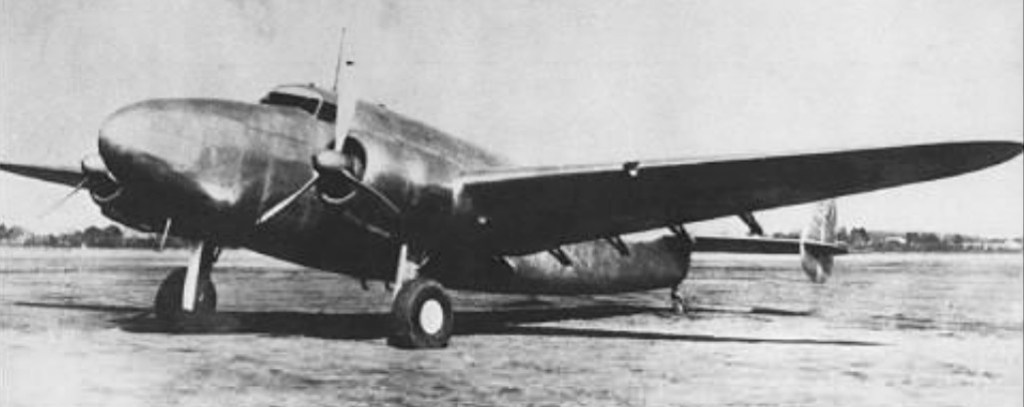
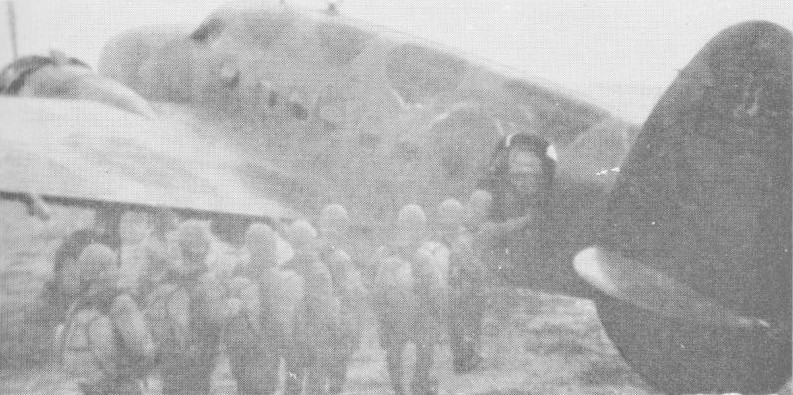
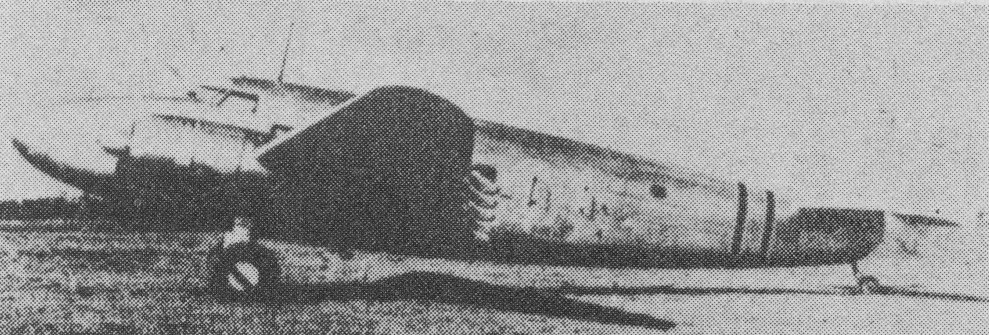
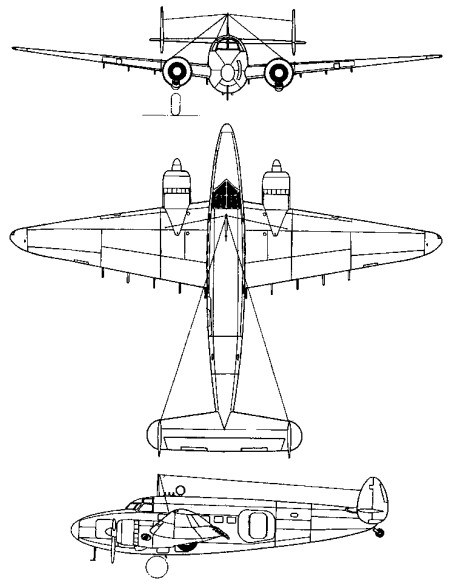
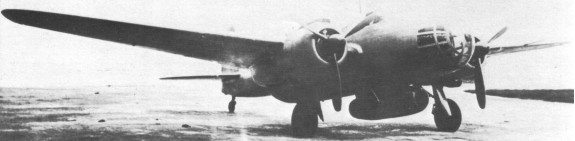
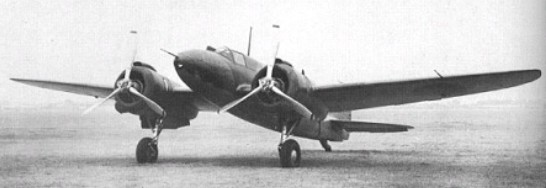
Developed from the Lockheed 14 transport built by the Kawasaki Company under licence, the Ki-56 had an enlarged fuselage with a large freight loading door in the port rear-fuselage side. Powered by two 671kW Ha-26-II radial engines, two prototypes were followed by 119 series-built machines designated Army Type 1 Freight Transport (assembled between 1941 and 1943).
56 were manufactured for the army by Kawasaki before production was handed over to Tachikawa who built a further 688.
Widely used in the Pacific war, the Ki-56 was coded Thalia by the Allies.
Engines: 2 x Nakajima Ha-25, 740kW / 990 hp Take-off weight: 8025 kg / 17692 lb Empty weight: 4895 kg / 10792 lb Wingspan: 19.96 m / 64 ft 6 in Length: 14.9 m / 48 ft 11 in Height: 3.6 m / 11 ft 10 in Wing area: 51.2 sq.m / 551.11 sq ft Max. speed: 400 km/h / 249 mph at 11,155 ft Ceiling: 8000 m / 26250 ft
In 1937, at the beginning of the Sino Japanese war, Chinese air force units were equipped with twin engined Soviet Tupolev SB 2 bombers. The Japanese army air staff, impressed by the high performance of the Soviet aircraft, instructed the Kawasaki company in December 1937 to produce a twin engined bomber. It was to be powered by two Nakajima Ha 25 radial engines and to be able to fly at a maximum 480 km/h (298 mph) at 3000 m (9850 ft), and cruise at 350 km/h (217 mph) at the same altitude. It had also to reach 5000 m (16 400 ft) in ten minutes and carry a 400 kg (880 lb) bombload. At that time army strategy was based on a war with the USSR, so it was further stipulated that the aircraft must be capable of operating under Siberian winter conditions.
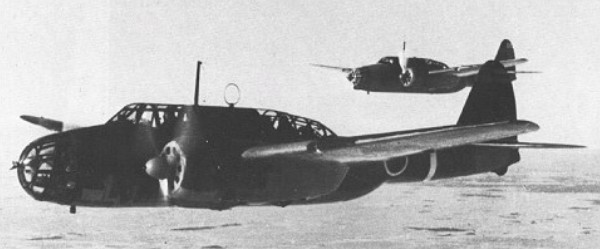
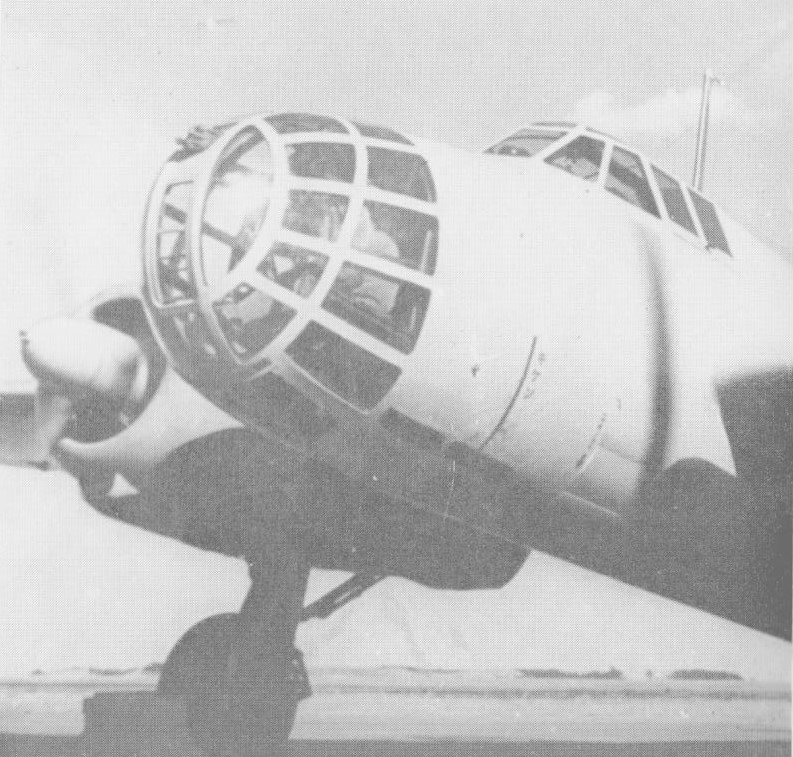
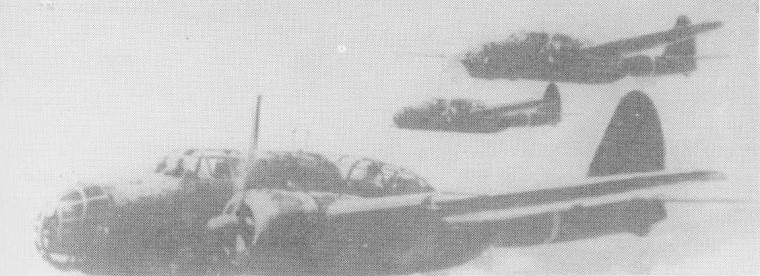
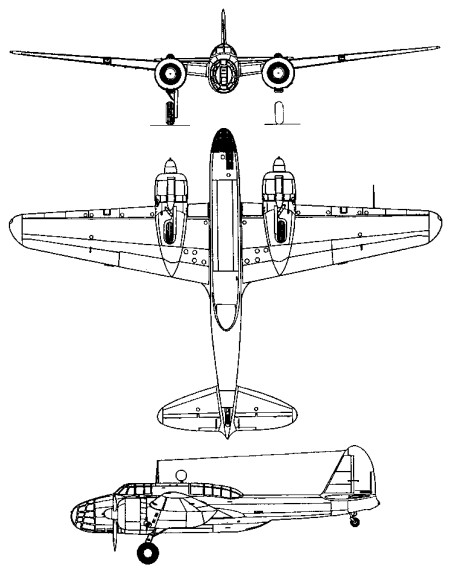
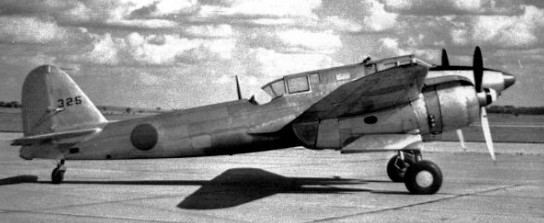
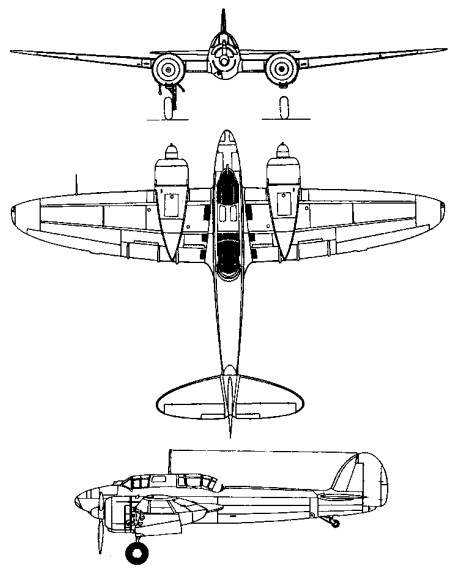
Takeo Doi began design work in January 1938. The Ki 48 was a mid wing all metal cantilever monoplane, the wing position being adopted to provide an internal bomb bay. The fuselage was cut down aft of the dorsal gunner’s cockpit and the ventral gunner’s stepped position. The bomb aimer/nose gunner’s position was fully glazed. There was a single curved fin and rudder, and the main undercarriage legs retracted backwards to lie fully enclosed in the engine nacelles. In the type’s prototype form, two 708kW Nakajima Ha-25 radial engines mounted in nacelles at the wing leading edges.
Takeo Doi’s design team was forced to divide its time between the extremely complex Ki 45 Kai fighter and the Ki 48. Consequently the first Ki 48 did not fly until July 1939. Three more prototypes and five evaluation machines were soon completed. During development, tail flutter problems were overcome and the rear fuselage strengthened. The new type met a favourable reception and series production started late in 1939, under the designation Army Type 99 Twin engined Light Bomber. All the criteria laid down by the army had been met except that the bomb bay only accommodated 300 kg (660 lb) of bombs.
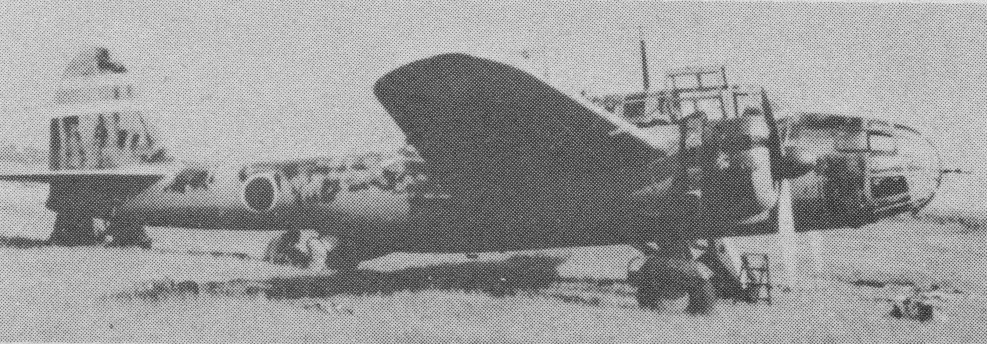
Ki 48 Ia aircraft first went into action in northern China with the 45th Sentai and did well against indifferent Chinese opposition. They were used at night, as well as for short-range daylight operations. The Ki-48 Ib was only slightly modified, and a total of 557 of both initial versions were built up to June 1942. With the Japanese attack on the United States and the British Empire, Ki 48s were deployed in Burma, Malaya and the Philippines, moving on with the advancing land forces into the Dutch East Indies and New Guinea. After a few months their defects became obvious: there was minimal protection for crew and fuel, and despite the Ki-48’s good speed the better Allied fighters could outstrip it and had little trouble dealing with its defensive armament of single 7.7 mm (0.303 in) Type 89 machine guns flexibly mounted in nose, dorsal and ventral positions. Night raids became the rule.
Three Ki 48 II prototypes were built by February 1942, powered by twin 1150 hp Nakajima Ha 115 radials and outwardly resembling the Ki 48A. They had a slightly lengthened fuselage and had fuel tank protection in addition to armour plating for the crew positions. Production aircraft also featured further fuselage strengthening. Ki 48 IIb was a dive bomber variant with fence type under-wing dive brakes. Late production machines had dorsal fin extensions to improve stability. The maximum bombload was increased to 800 kg (1764 lb). Maximum speed rose by 24 km/h (15 mph).
Ki-48
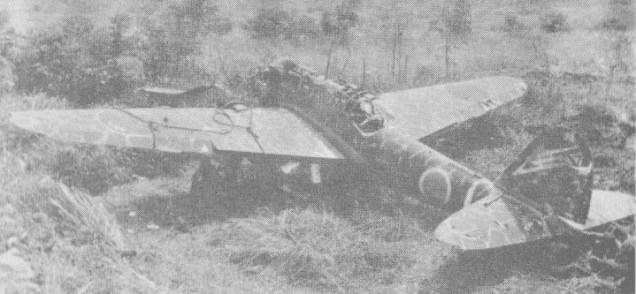
During the fighting over New Guinea, large numbers of Ki 48s, codenamed Lily by the Allies, were destroyed on the ground. The Ki 48 remained in production until October 1944. The late versions were designated Ki- 48 IIc and had a 12.7 mm (0.5 in) Type 1 machine gun in the dorsal position in place of the previous rifle calibre weapon, in addition to one more nose mounted 7.7 mm Type 89 gun. The Ki 48 II fought against odds in the Philippines and over Okinawa in day and night operations. A specially modified suicide version, Ki 48 II Kai, carried an unchanged bombload, its bombs being triggered on impact by a nose probe. Ki 48s were used for tests of the Igo Ib guided missile and the Ne0 turbojet unit.
The total of all variants built 1977.
The Air to Surface Guided Missile was called I-Go Type1-Otsu or Ki-148. At the Ki-148 test, it struck an Onsen hotel. At last Ki-148 was complete.
Some of the Ki.48-IIb featured a small dorsal extension to the fin.
A number of Ki.48s were modified for experimental duties, one becoming a testbed for a ramjet engine.
Ki 48 I Engines: 2 x Nakajima Ha 25, 950 hp Span: 17.47 m (57 ft 4 in) Length: 12.60 m (41 ft 4 in) Height: 3.80 m / 12 ft 6 in Wing area: 40 sq.m / 430.56 sq ft Empty weight: 4050 kg Gross weight: 5900 kg (13000 lb) Maximum speed: 480 km/h (298 mph) Range: 2400 km Service ceiling: 9500 m Crew: 4 Armament: 4 x 7.7mm mg or 3 x 7.92mm mg Bomb load: 300-400 kg
Ki-48-II Engines: 2 x Nakajima Ha115 (1,130hp) Length: 12.75m Wing Span: 17.47m Height: 4.32m Wing Area: 40.0 sq.m All-Up Weight: 6,750Kg Empty Weight: 4,550Kg Max Speed: 505Km/h Range: 2,400Km Service Ceiling: 10,000m Crew: 4 Armament: 7.92mm Machine Gun X 4 Bomb load: 300 or 500Kg
Ki.48-IIa Engines: 2 x Mitsubishi Ha.115, 1150 hp Span: 57 ft 3.75 in Max speed: 314 mph at 18,372 ft
Ki-48-IIb Engines: 2 x Nakajima Ha-115, 850kW Max take-off weight: 6500-6750 kg / 14330 – 14881 lb Empty weight: 4550 kg / 10031 lb Wingspan: 17.45 m / 57 ft 3 in Length: 12.75 m / 41 ft 10 in Height: 3.80 m / 12 ft 6 in Wing area: 40 sq.m / 430.56 sq ft Max. speed: 505 km/h / 314 mph Ceiling: 10100 m / 33150 ft Range: 2050 km / 1274 miles Range w/max.fuel: 2400 km / 1491 miles Armament: 3 x 7.7mm machine-guns, 400kg of bombs Crew: 4
Developed as a result of an official specification issued in March 1937, this two seat twin engined fighter did not go into service until August 1942. The intervening five years saw strenuous development and testing interspersed with periods of total inactivity caused by the Japanese army’s equivocal attitude to the type of fighter typified by the German Bf 110.
The original requirement was for a fighter capable of 540 km/h (335 mph) at 3500 m (11480 ft), and able to operate at altitudes between 2000 m (6660 ft) and 5000 m (16400 ft). It was to have a range of some 1800 km (1100 miles) and the selected engines were 820 hp Nakajima Ha 20b radials. Engineer Takeo Doi struggled with the difficult concept, and the first prototype was ready to fly in January 1939.
The Ki.45 origins can be traced back to the Ki.38 design produced by Kawasaki at the JAAF’s requed in 1937, althought so many modifications were called for by the Army that the revised design was re-titled Ki-45.
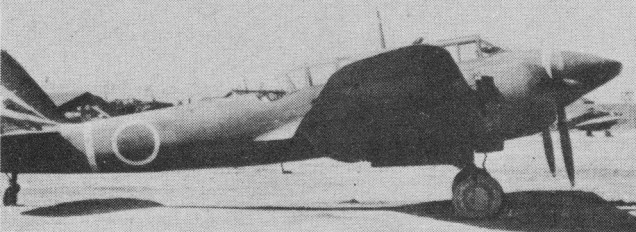
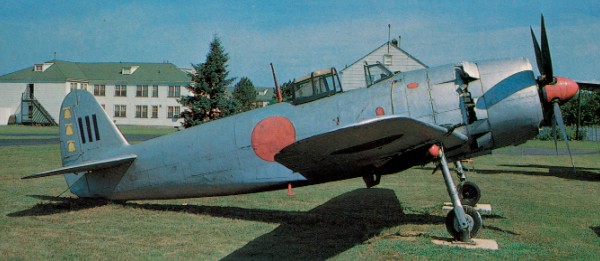
The first Kawasaki Ki-45 Toryu (dragon killer) prototype was a cantilever mid-wing monoplane with retractable tailwheel landing gear. A slender fuselage provided enclosed accommodation for two in tandem. Armament was heavier than originally specified: a forward-firing 20 mm (0.79 in) Ho 3 cannon and two 7.7 mm (0.303 in) Type 89 machine guns were fixed to fire forward, and there was a flexibly mounted rear 7.7 mm Type 89 machine gun. There was also provision to carry two drop tanks or two 250kg bombs on underwing racks. As flight trials continued, the Ki 45 was found to achieve a rather poor performance and the engines continually gave trouble. The third prototype featured major refinements. Drag was considerably reduced, but maximum speed was still only 480 km/h (298 mph). There was some instability and a tendency to nacelle stall. Yet the Ki 45 prototypes were externally attractive, with curved, oval fuselages and elliptical wings and tail surfaces. The main undercarriage legs retracted backwards into the engine nacelles leaving the wheels partially exposed. At first, the undercarriage retraction mechanism was hand operated, but an electrically operated mechanism was installed on the third prototype.
With so many difficulties and no pressing need for the type, the army suspended further flight trials, leaving six further prototypes partly finished. Six months later, in April 1940, work was restarted, and 1000 hp Nakajima Ha 25 14 cylinder double row radials were installed in one of the airframes, which was completed the following July. The five other airframes were similarly modified, and two more machines were built from scratch. A maximum speed of 520 km/h (323 mph) at 3500 m (11500 ft) was attained.
The design team had meanwhile been reviewing the whole project and proposed that the Ki 45 Kai of simplified design was suited for mass production. The army accepted the proposal, and the first of three Ki 45 Kai prototypes flew in May 1941.
Twelve pre-production aircraft followed. With tests successfully completed, Ki-45 KAIa series production as the Army Type 2 Two seat Fighter began early in September 1941, and soon the Ki-45 Kai was given the popular name Toryti (dragon slayer) while the Allies called it Nick. Effective crew and fuel tank protection was incorporated in the design. Power was provided by two 1050 hp Nakajima Ha 25 radials, but late production Model B aircraft had Mitsubishi Ha 120s.
Model A, the first series version, went to the 5th Sentai in Japan in August 1942. The next Sentais to equip with the type were the 16th in China and the 21st in Burma. It was effective in attacks on enemy shipping and troop concentrations, a specialized attack version being built as Ki-45 KAIb Model B. Original armament had comprised two 12.7 mm (0.5¬in) Type 1 machine guns in the nose, one forward firing 20 mm (0.79 in) Ho 5 cannon in a ventral tunnel in the starboard nose section, and a single 7.92 mm (0.312 in) Type 98 machine gun on a flexible mounting operated by the observer. In the Model B a 37 mm (1.46 in) Type 98 cannon was installed in the ventral tunnel and the nose guns were replaced by a single 20 mm Ho 3 cannon.
A number of alternative weapon installations were tried experimentally, including the use of a 75mm cannon for attacks on shipping.
Production aircraft had straight contoured fuselage and wings. The range of Model A was 2260 km, (1400 miles) and it could climb to 5000 m (16 400 ft) in just over six minutes. Models A and B flew operationally in many theatres of war, not least in the New Guinea region, where they inflicted heavy losses on US motor torpedo boats.
The Ki-45 KAIa was, for its day, heavily armed and proved effective against the USAF’s Consoldiated B-24 Liberators and, when these bombers were used more extensively for night operations, the Ki-45 was adapted to attack them. Thus the night-fighting capability of the type was discovered, leading to development of the Ki-45 KAIc night-fighter.
It was not until 1944 that the night-fighter version, the Ki-45 KAIc, became operational as the only army night-fighter of the war. Retaining the two 805kW Mitsubishi Ha-102 radials of the Ki-45 KAIb heavy day fighter, the Ki-45 KAIc was armed with a single forward-firing semi-automatic 37mm Ho 203 Type 98 cannon in a fairing under the fuselage, two oblique/upward-firing 20mm Ho-5 cannon in the centre fuselage, and a single hand-held machine-gun in the rear cockpit. It had been intended to fit airborne radar in the nose, and therefore no nose guns were included. Production difficulties seriously delayed the radar equipment and it did not enter service, although a single aircraft flew with centimetric radar shortly before the end of the war. Production of the Ki-45 KAIc got underway at Kawasaki’s Akashi plant in March 1944, the first aircraft being completed the following month. By then Kawasaki had transferred Ki 45 Kai manufacture from its Gifu plant to the works at Akashi.
On 15 June American Boeing B-29s of XX Bomber Command launched their first raid on the Japanese homeland, and were intercepted by eight Toryus whose pilots shot down eight of the big bombers. At that time about 40 Ki-45 KAIc fighters had been completed, and the aircraft went on to serve with the 4th Sentai at Usuki in the Oita prefecture, the 5th Sentai at Usuki and Komachi in the Aichi prefecture, the 53rd Sentai at Matsudo in the Chiba prefecture, and the 70th Sentai at Kashiwa. Toryus shared the night defence of Japan with the navy’s J1N1-S and Yokosuka P1Y1-S, and were probably the most successful in action against the massive American raids in the last six months of the war; the 4th Sentai alone was credited with 150 kills, of which 26 were gained by one pilot, Captain Isamu Kashiide, all despite the lack of any AI radar. Away from the homeland Ki-45 KAIc nightfighters also served with the 45th Sentai in the Philippines and New Guinea late in 1944, and with the 71st Dokuritsu Hiko Chutai at Singapore in August 1945. Production of the Ki-45 KAIc reached 477 aircraft before being terminated in December 1944. The type was codenamed ‘Nick’ by the Allies.
An improved model, with uprated engined, was begun in 1942 under the designation Ki.45-II, subsequently developed into the Ki.96 heavy fighter, which was eventually abandoned although components of it were later utilised in the Ki.102.
Total production, including original Ki 45 prototypes, and evaluation aircraft, was 1701, including 477 Model Cs.
Major Revisions:
Ki-45 Prototype 1 Nakajima Ha-20b Engine Two 7.7 mm Type 89 machine guns mounted in the upper fuselage nose 20 mm Ho-3 cannon mounted in a ventral tunnel One flexible rear-firing 7.7mm Type 89 machine-gun 298 mph @ 13,125 ft
Experimental Improved Type 1 Ki-45 Ha-25 fourteen-cylinder double-row radials with single stage superchangers. 323 mph @ 11,480 ft
Ki-45 KAI – Type 2 Slimmer fuselage with straight contours and redesinged tail surfaces Straight tapered wing of increased span and area New engine nacelles of smaller diameter mounted lower on the wings Replacement of the 7.7 mm type 89 machine-guns by two 12.7 mm Type 1 (Ho-103) machine guns in the nose and one flexible rear firing7.9mm Type 98 machine-gun Replacement of the telescopic gunsight by a reflector gunsight. 340 mph at 22,965 ft
Ki-45 KAIa Slimmer fuselage with straight contours and redesinged tail surfaces Straight tapered wing of increased span and area New engine nacelles of smaller diameter mounted lower on the wings Replacement of the 7.7 mm type 89 machine-guns by two 12.7 mm Type 1 (Ho-103) machine guns in the nose and one flexible rear firing7.9mm Type 98 machine-gun Replacement of the telescopic gunsight by a reflector gunsight. 340 mph at 22,965 ft
Ki-45 KAIb Ground attack modifications made Forward-firing armament was revised to include one 20mm Ho-3 cannon mounted centrally in the nose One hand-loaded 37mm Type 98 cannon in the ventral tunnel Late production b’s were powered by a pair of 1050 hp Army Type 101 fourteen-cylinder radials. Note: Some of these aircraft were modified in the filed by replaceing the upper fuselage petrol tank with a pair of 12.7mm Type 1 machine-guns mounted obliquely to fire upward.
Ki-45 KAIc Engines: 2 x Mitsubishi Ha-102 Type I, 1080 hp Wingspan: 49 ft 5.25 in Length: 36 ft 1 in Height: 12 ft 1.75 in Empty weight: 8818 lb Loaded weight; 12,125 lb Max speed: 340 mph at 22,965 ft Service ceiling: 32,810 ft Semi-automatic 37mm Ho-203 cannon in the ventral tunnel Two obliquely-mounted upward 20 mm Ho-5 cannon in the center fuselage Crew: 2
Ki-45 KAId Anti-shipping version Two 20 mm Ho-5 cannon in the nose One 37 mm Ho-203 cannon in the ventral tunnel One flexible 7.9 mm Type 98 machine-gun in the rear cockpit Ki-45 KAIc airframe
Ki-45 KAI-II (Never produced, changed to the Ki-96) 1500 hp Mitsubishi Ha-112-II
Production:
Gifu Plant 3 Ki-45 Prototypes Jan – May 1939 8 Improved Type 1 Ki-45 Prototypes July 1940 – Feb 1941 3 Ki-45 KAI prototypes Auguest- October 1941 12 Ki-45 KAI pre-production aircraft October – December 1941 305 Ki-45 KAIa and KAIb production aircraft January 1942 – September 1943
Akashi Plant 893 Ki-45 KAIa, b & d production aircraft September 1942 – July 1945 477 Ki-45 KAIc production aircraft April – December 1944
Specifications
Ki.45-KAI-Ko Engines: 2 x 1080hp Mitsubishi Ha-102 Wing Span: 15.05m Length: 11.00m Height: 3.70m Wing Area: 32sq.m Empty Weight: Max.Weight: Speed: 540km/h Ceiling: 10730m Range: 2260km Armament: 1 x 20mm, 2 x mg12.7mm, 1 x mg7.92mm Crew: 2
Model A Span: 15.02 m (49tt 3 in) Length: 10.6 m (34 ft 9 in) Gross weight: 5276 kg (11632 lb) Maximum speed: 547 km/h (340 mph)
Model B Span:15.02 m (49 ft 3 in) Length: 111 m (36 ft 1 in) Gross weight. 5500 kg (12125 lb)
Kawasaki Ki 45 KAIc ‘Nick’ Engines Two Nakajima Ha-102 nine-cylinder radials, 810kW Wingspan: 15.02 m / 49 ft 3 in Length: 11 m / 36 ft 1 in Height: 3.7 m / 12 ft 2 in Wing area: 32 sq.m / 344.44 sq ft Max take-off weight: 5500 kg / 12125 lb Empty weight: 4000 kg / 8819 lb Maximum speed 540 km/h / 336 mph Operating altitude 6,560 ft to 16,405ft Ceiling: 10000 m / 32800 ft Range: 2000 km / 1243 miles Endurance 4 hours & 40 minutes at 217 m/hr Armament: 1 x 37mm cannon, 2 x 20mm cannons, 1 x 7.92mm machine-guns, 2 x 250kg bombs Crew: 2
Kawasaki aircraft was formed in 1918 as subsidiary of the heavy-industrial complex Kawasaki Jukogyo to build aircraft and aero engines. Based at Kobe, in the early 1930s built Salmson biplanes and engines as well as own designs. Kawasaki had a Dornier license for all-metal construction, and in December 1924 the first Kawasaki-Dornier Wal flying-boat made a notable flight with a German pilot. Thereafter made aircraft mainly for the Japanese Army. A designer of Kawasaki landplanes was German Dr. Richard Vogt, with the company from 1923 unitl 1933. Vogt designs were Type 88 reconnaissance biplane (1927), Type 92 single-seat biplane fighter (1930), and Ki-3 single-engined biplane bomber. Japanese designed were Ki-10 single-seat fighter biplane (1935), Ki-32 single-engined monoplane bomber (1937), Ki-45 fast and widely used twin-engined fighter (1939), Ki-48 twin-engined light bomber (1939), Ki-61 single-seat fighter (liquid-cooled engine and showing German influence (1941), Ki-100 radial-engined development (1944), and Ki-102 twin-engined fighter (1944). After the war, in March 1954, a new company of the same name was founded by the merger of Kabushiki Kaisha Kawasaki Gifu Seisakusho and Kawasaki Kikai Kogyo Kabushiki Kaisha. The Kawasaki KAL-1 (July 1953) was the first postwar all-metal aircraft of Japanese design. Early production covered 210 Lockheed T-33 jet trainers, 48 Lockheed P-2H Neptunes and 239 Bell Model 47 helicopters, all built under license from the USA. Also made major components for the NAMC YS-11 turboprop transport. 1962: 38 Akashi-machi, Ikuta-ku, Kobe
The company reorganized in April 1969 as Kawasaki Jukogyo Kabushiki Kaisha. In November 1970 flew the C-1 twin turbofan military transport, production aircraft later going to the JASDF. Went on to complete 82 P-2Js (derived from Neptune), 211 KH-4 helicopters (derived from the Model 47), 160 KV107 helicopters (derived from the Boeing Vertol 107 Model II), and many Hughes/McDonnell Douglas Model 500D and OH-6DA helicopters (production continued through 1998). Produced the Lockheed Martin P-3C Orion for the JMSDF; 101st and final aircraft delivered in 1997, when four EP-3/UP-3D electronic intelligence/training variants remained to be delivered up to the year 2000. Kawasaki produced 16 CH-47J examples of Boeing Chinook for the JASDF and compled delivery of 52 CH-47JAs to the JGSDF. It was s prime contractor on the OH-1 Kogata Kansoku armed scout, observation and attack helicopter (first flown August 1996), and had almost completed manufacture of some 200 T-4 intermediate jet trainers and liaison aircraft for the JASDF by 1998. Also constructs components and assemblies for the F-15J and various Airbus and Boeing airliners. Kawasaki teamed with Eurocopter on the BK117 helicopter, and has engine and space programs.
Kawasaki Heavy Industries, Limited is an international corporation and has headquarters in both Chūō-ku, Kobe and Minato, Tokyo. As of 31 March 2013 Kawasaki had 34,010 employees, total assets of ¥ 1.3 trillion at March 31, 2012, and a nett income ¥ 23.3 billion at March 31, 2012.
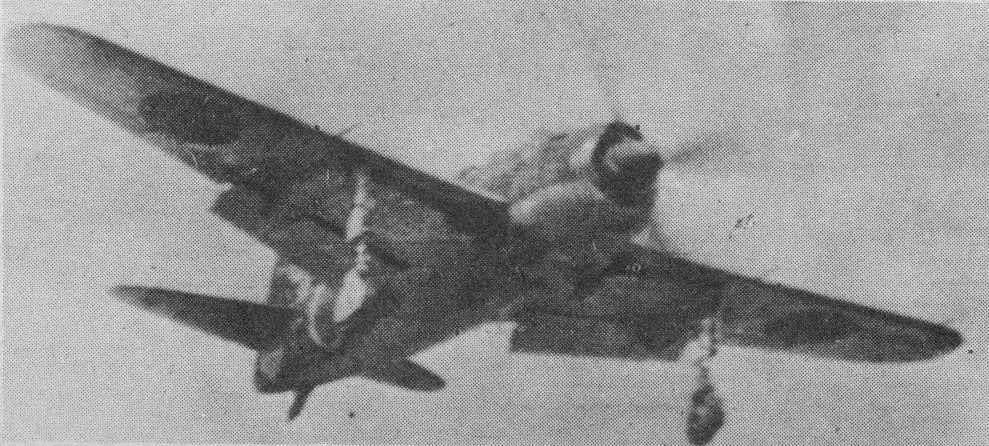
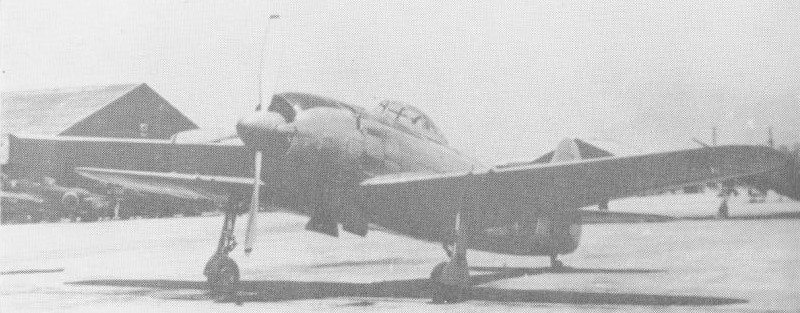
In 1941 Kawanishi was still designing the float-equipped N1K1, and Kawanishi undertook a wheel-landing gear version, designated the N1K1-J Shiden (Violet Lightning). The prototype of the new fighter was flown on 27 December 1942 powered by the new 18-cylinder Nakajima Homare radial.
Production got under way in 1943 of the N1K1-J with Homare 21 radial and an armament of two 7.7-mm nose guns and four 20-mm wing cannon (two of which were carried in underwing fairings). Despite being plagued by constant engine troubles and an inherently weak landing gear, the Shiden was an excellent aircraft in combat, proving an equal match for the Grumman F6F Hellcat. Given the reporting name ‘George’ by the Allies, three other main production versions were produced: the N1K1-Ja with nose guns deleted and all cannon mounted inside the wings; the N1K1-Jb with underwmg racks for two 250-kg bombs; and the N1K1-Jc with racks for four 250-kg bombs.
Kawanishi and Himeji combined to produce 1007 machines of this model, with one of three standard armaments: two 7.7, fuselage guns and four 20mm cannon (two in, two under, the wings) in the N1K1-J; the four cannon only in the –Ja; and four cannon within the wings of the –Jb. Later modifications included a ventral bomb attachment, and a few aircraft were experimentally equipped with a booster rocket.
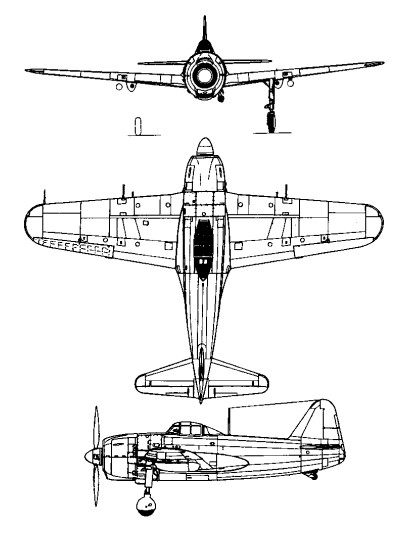
Meanwhile the parent company had recast and simplified the original design, resulting in the N1K2-J Shiden-Kai (George 21) which possessed an extremely rapid climb rate and first class manoeuvrability. It employed only two-thirds as many constructional parts as the N1K1-J, reducing the all-up weight by nearly 500 lb, and differed considerably in appearance from its predecessor with improved landing gear and cleaner engine cowling. The latter’s mid-wing gave way to a low-mounted one, the fuselage was streamlined and extended, and the fin and rudder re-shaped.
Orders for a small prototype batch quickly materialised and the first flew on 31 December 1943.
N1K2-J
Despite the sharing of production among eight different assembly plants, B-29 raids on Japanese industry restricted the number of Shiden-Kais completed to 428. An instance occurred when a single Japanese pilot, Warrant Officer Konsuke Muto, fought off 12 Hellcats, shooting down four.
A total of 1,435 N1K Shiden landplane fighters were produced. A few N1K2-K two-seat trainers were completed.
N1K2-J Engine: 1 x Nakajima NK9H “Homare 21”, 1990 hp / 1365kW Wingspan: 12.0 m / 39 ft 4 in Length: 9.35 m / 30 ft 8 in Height: 3.96 m / 13 ft 0 in Wing area: 23.5 sq.m / 252.95 sq ft Max take-off weight: 4000-4860 kg / 8819 – 10715 lb Empty weight: 2657 kg / 5858 lb Max. Speed: 585 km/h / 364 mph at 1,370 ft Cruise speed: 365 km/h / 227 mph Service ceiling: 10760 m / 35300 ft Range: 1700 km / 1056 miles Crew: 1 Armament: 4 x 20mm cannon Bombload: 2 x 550 lb
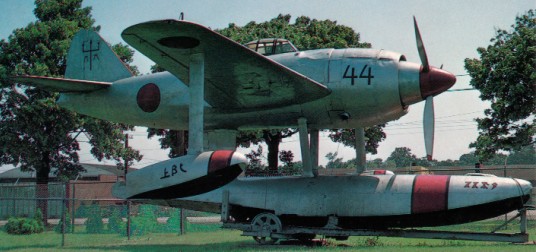
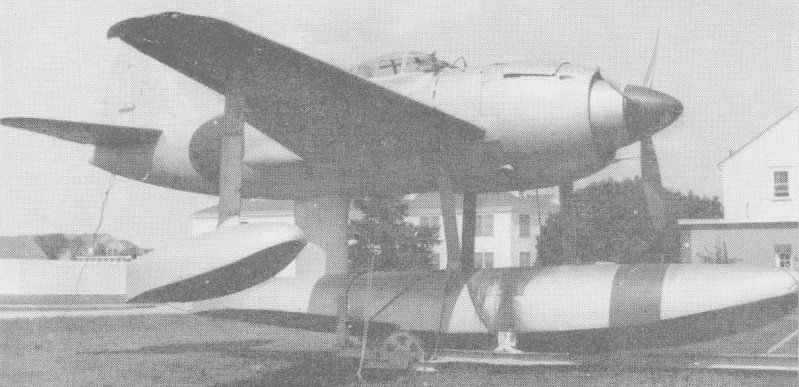
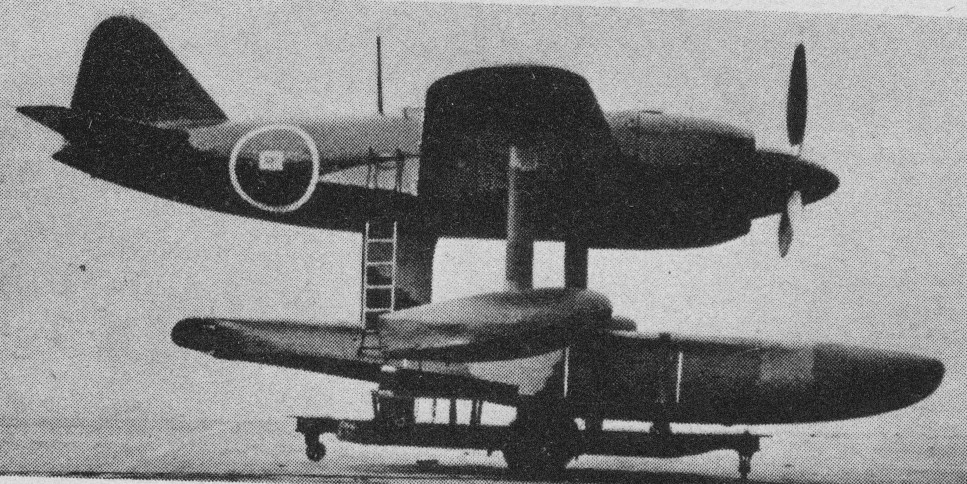
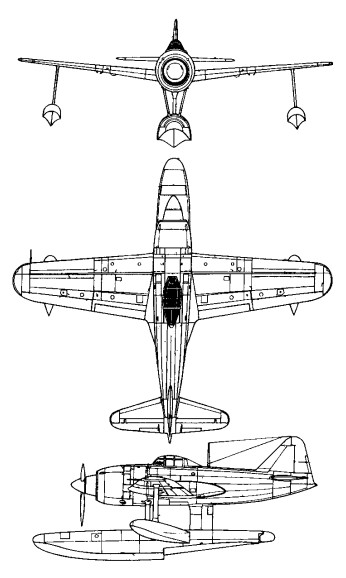
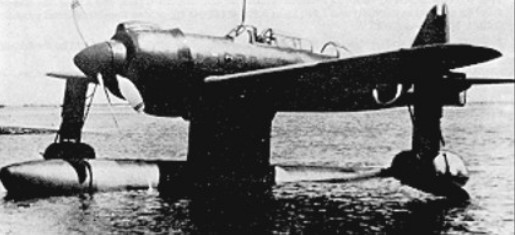
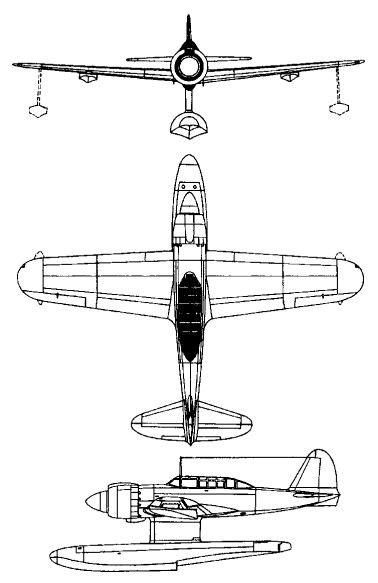
Anticipation of a need for single-seat float-equipped interceptor seaplanes prompted the Japanese navy to initiate a development programme for such aircraft in 1940, the Nakajima A6M2-N floatplane adaptation of the famous Mitsubishi A6M2 Zero being intended as a stopgap until a purpose-designed aircraft could be introduced. This was to be the Kawanishi N1K Kyofu (mighty wind), whose design was started in September of that year.
Featuring a central float and twin wing-mounted stabilizing floats, the new prototype retained the same gun armament as the A6M2 but was powered by a 1089kW Kasei 14 radial engine driving two-blade contraprops in an attempt to counter the torque-induced swing on take-off. The wing-mounted floats were originally intended to be retractable but design problems led to these being fixed before the aircraft’s first flight. Persistent trouble with the contraprop gearbox resulted in a change to the Kasei 13 engine driving a single three blade propeller from the second prototype onwards.
First flown on 6 May 1942, the N1K1 went on to trials with the navy, although with tricky take-off characteristics, in the air, with its combat flaps, the Kyofu handled and manoeuvred well. The N1K1 Kyofu reached the Imperial Navy in August 1942. At a time (the end of 1942), the N1K1 was ordered into production, but the delivery rate was slow to accelerate and fortunes changed rapidly during 1943. By December 1942, with only 15 aircraft being completed each month and Japanese offensive initiative dwindling, it was decided to end production of the aircraft, and in March 1944 the last of 89 Kyofus was delivered to the service.
Codenamed ‘Rex’ by the Allies, the N1K1 was first deployed for the defence of Balikpapan in Borneo. In the final weeks of the war N1K1s flew alongside the ‘Rufes’ of the Otsu Kokutai from Lake Biwa in defence of central Honshu against the increasing American raids on Japan.
In 1941 Kawanishi was still engaged in design of the N1K1, and while their design was still in progress Kawanishi undertook a wheel-landing gear version, designated the N1K1-J Shiden (Violet Lightning).
N1K1 Engine: 1 x Mitsubishi MK4E “Kasei-15”, 1150kW / 1460 hp Wingspan: 12 m / 39 ft 4 in Length: 10.59 m / 34 ft 9 in Height: 4.75 m / 15 ft 7 in Wing area: 23.5 sq.m / 252.95 sq ft Max take-off weight: 3500-3712 kg / 7716 – 8184 lb Empty weight: 2752 kg / 6067 lb Max. speed: 480 km/h / 298 mph at 18,680 ft Cruise speed: 365 km/h / 227 mph Ceiling: 10560 m / 34650 ft Range w/max.fuel: 1650 km / 1025 miles Crew: 1 Armament: 2 x 20mm cannons, 2 x 7.7mm machine-guns
The first prototype flew on December 5, 1941. The central float was jettisonable (in order to increase speed in case of being pursued by fighters), and the wing floats were retractable. In an event of jettisoning the main float, wing floats were to stay retracted during landing on water, and would then keep the plane afloat. 15 were built.
E15K1 Engine: 1 x Mitsubishi MK4S “Kasei-24”, 1390kW Max take-off weight: 4100-4900 kg / 9039 – 10803 lb Empty weight: 3165 kg / 6978 lb Wingspan: 14 m / 45 ft 11 in Length: 11.59 m / 38 ft 0 in Height: 4.95 m / 16 ft 3 in Wing area: 30 sq.m / 322.92 sq ft Max. Speed: 460 km/h / 286 mph Cruise speed: 290 km/h / 180 mph Ceiling: 9830 m / 32250 ft Range: 3320 km / 2063 miles Crew: 2
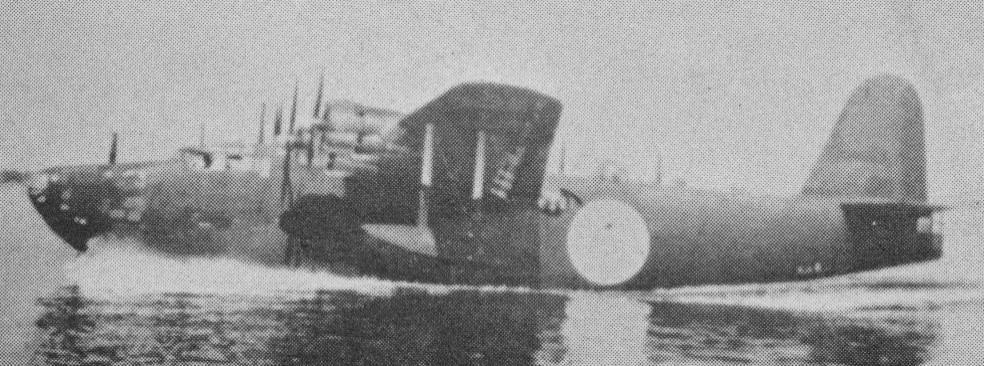
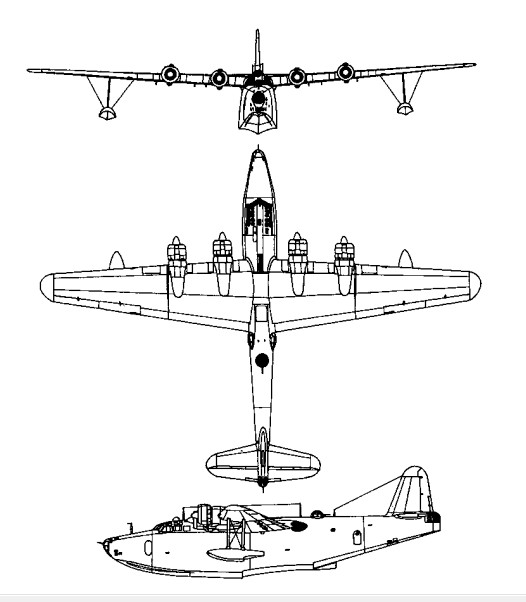
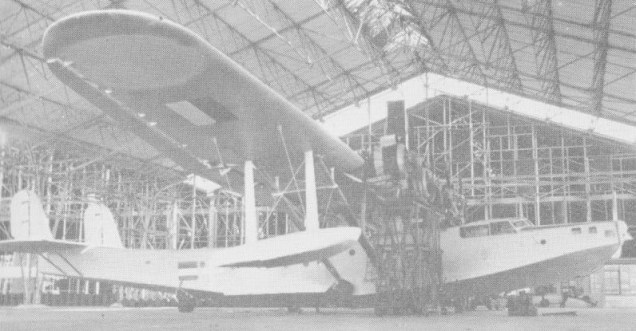
Although only 167 examples were produced, the Kawanishi H8K was the most advanced flying-boat to achieve production status during World War II. Designed to meet a requirement issued in 1938 for a four-engine maritime reconnaissance flying-boat superior in all respects to the British Short Sunderland, the H8K1 prototype was first flown in January 1941, but initially possessed very poor water handling qualities. Extensive modifications were made and after successfully completing its service trials the aircraft was ordered into production as the Navy Type 2 Flying Boat Model 11, powered by four 1141kW Mitsubishsi Kasei 11 or 12 radials. Armament of these early aircraft was two 20mm cannon and four 7.7mm machine guns. With armour protection, selfsealing fuel tanks and a maximum speed of 433km/h, the new flying-boat was a considerable advance over the H6K.
H8K1
It carried out its first operational mission in March 1942 when two aircraft of the Yokohama Kokutai set out from Wotje Atoll in the Marshalls to bomb Oahu Island (Pearl Harbor), putting down at French Frigate Shoals to refuel from a submarine. Arriving over the American base, the Japanese crews found heavy cloud and the raid was ineffective. As a longrange maritime reconnaissance aircraft, the H8K1 (codenamed ‘Emily’ by the Allies) with its 7,200km range, heavy armament and good performance proved a highly competent aircraft. 112 improved H8K2, with 1380kW Kasei 22 radials and armament increased to five 20mm cannon and four 7.7mm machine-guns, were built between 1943 and 1945. It was also equipped with ASV radar, being responsible for the sinking of at least three American submarines in the area north of the Philippines during the last 18 months of the war.
Additional to the maritime reconnaissance version, 36 H8K2-L boats were built in the last two years of the war, these being equipped as naval staff and troop transports capable of accommodating either 29 staff passengers or 64 fully armed troops. The progressively deteriorating war situation for Japan led to a run-down in production of flying boats during 1945 in favour of fighters for home defence, and later versions of the H8K were accordingly abandoned. Nevertheless this excellent aircraft saw considerable service, being flown by the 14th, 801st, 851st, 1001st, 1021st, Takuma, Toko, Yokohama and Yokosuka Chinjufu Kokutais.
H8K2 Engine: 4 x Mitsubishi MK4Q “Kasei-22”, 1380kW / 1850 hp Max take-off weight: 24500-32500 kg / 54014 – 71651 lb Empty weight: 18380 kg / 40521 lb Wingspan: 38 m / 124 ft 8 in Length: 28.13 m / 92 ft 3 in Height: 9.15 m / 30 ft 0 in Wing area: 160 sq.m / 1722.22 sq ft Max. Speed: 460 km/h / 286 mph at 15,485 ft Cruise speed: 290 km/h / 180 mph Ceiling: 8850 m / 29050 ft Range w/max.fuel: 7050 km / 4381 miles Crew: 9 Armament: 3 x 20mm cannons, 4 x 7.7mm machine-guns, 2 x 800-kg torpedos or 2000kg of bomb
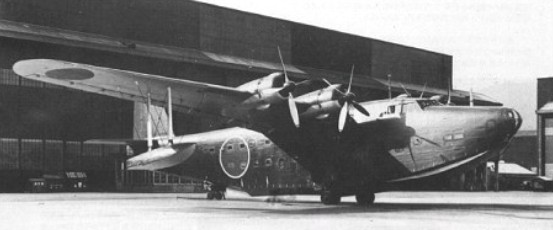
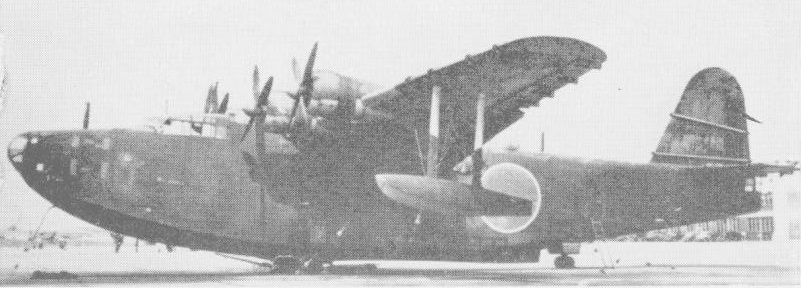
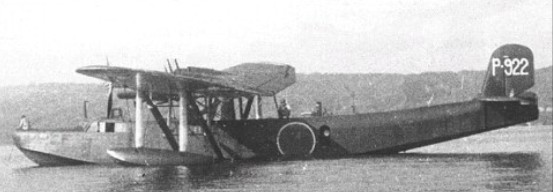
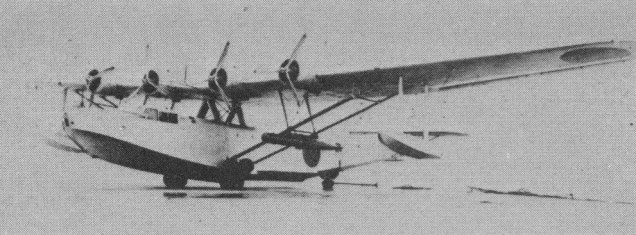
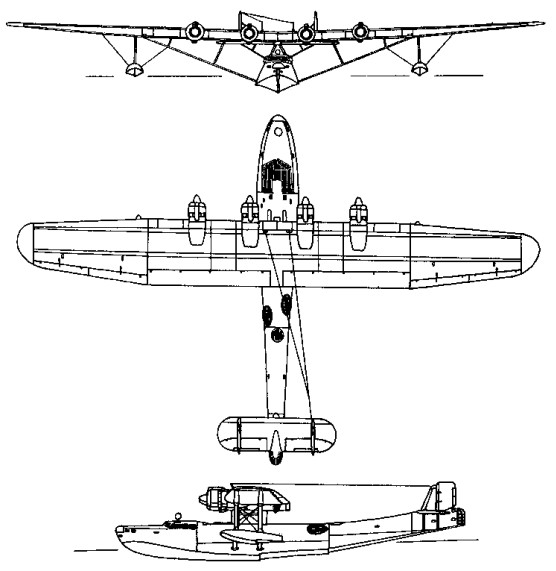
Owing much to American and French flying-boat design of the mid-1930s, the large four engine Kawanishi Type 97 parasol monoplane flying boat. When first flown in July 1936, The Type 97 was Japan’s only in-service long-range reconnaissance flying-boat when that nation went to war in December 1941. The H6K1 initial military version entered limited service with the Imperial Japanese Navy in 1938, and was followed by 10 H6K2 flying-boats.
The first major production version, the H6K4, was powered by four Mitsubishsi Kinsei 43 radiais and armed with four 7.7mm machine-guns in bow and midships positions and a 20mm cannon in a tail turret, and was capable of carrying two 800kg bombs or torpedoes. A total of 66 were in service at the time of Pearl Harbor, later aircraft powered by Kinsei 46 engines. These boats were widely employed, although the initial heavy defeats inflicted on the Allies in the Pacific rendered maritime reconnaissance duties subordinate to the need for air transportation of Japanese troops during the swift conquests in the East Indies and elsewhere. A number of aircraft, designated H6K4-L, were converted for transport duties and were each able to accommodate about 18 fully-armed troops. Lacking armour and self-sealing fuel tanks, they were extremely vulnerable to fighter attacks and, after a number had been shot down, a new version entered production as the H6K5 in August 1942. By that time the maritime reconnaissance version had been given the reporting codename ‘Mavis’ by the Allies, the transport derivative being named ‘Tillie’.
Powered by either Kinsei 51 or 53 radials, the H6K5 was intended to eliminate the shortcomings of the earlier versions, but although the open bow gun position was replaced by a single-gun turret immediately aft of the pilot’s cockpit, the overall armament was not increased. Only 36 H6K5s were completed by 1943, when production gave place to the greatly superior H8K.
H6Ks served with the 8th, 14th, 801st, Toko and Yokohama Kokutais, and some of the H6K5s were employed as naval staff transports throughout the Pacific in 1943. Eighteen aircraft served on the quasicommercial courier services in South East Asia, a number of them being destroyed by Allied aircraft both in the air and at their moorings.
H6K5 Engine: 4 x Mitsubishi “Kinsei-51”, 975kW Take-off weight: 17500-23000 kg / 38581 – 50707 lb Empty weight: 12380 kg / 27293 lb Wingspan: 40 m / 131 ft 3 in Length: 25.63 m / 84 ft 1 in Height: 6.27 m / 20 ft 7 in Wing area: 170 sq.m / 1829.86 sq ft Max. Speed: 380 km/h / 236 mph Cruise speed: 255 km/h / 158 mph Ceiling: 9560 m / 31350 ft Range: 4870 km / 3026 miles Range w/max.fuel: 6670 km / 4145 miles Crew: 10 Armament: 1 x 20mm cannon, 4 x 7.7mm machine-guns, 2 x 800-kg torpedos or 1000kg of bombs
H6K5 Engines: 4 x Mitsubishi Kinsei 46, 1070 hp Span: 131 ft 3 in Max speed: 211 mph at 13,120 ft Range: 3107 miles Max bombload: 3527 lb
In July 1924 a Kawanishi biplane seaplane made a round- Japan flight in nine days. The company formed as Kawanishi Kokuki Kogyo Kabushiki Kaisha in November 1928, taking over the factory and windtunnel (at Kobe) of Kawanishi Machine Works. Held Short Bros license and was Rolls-Royce agent. At the time of formation was supplying aircraft, components, and accessories to Japanese Navy.
Early types included a single-seat biplane fighter and a two-seat long-range high-wing monoplane. At the end of 1930 moved to new works at Narao. In February 1933 flew new three-seat reconnaissance floatplane (E7K) adopted by Japanese Naval Service. Short and Rolls-Royce connections manifested in Navy type 90-2 (K.F.1) flying boat, built in England, assembled in Japan. Built from 1936 a highly successful long-range maritime reconnaissance/ bomber/transport flying-boat, the strut-braced H6K. Subsequent H8K had deep hull and cantilever wing. N1K single-seat fighter monoplane of 1942 originated as floatplane but was developed into outstanding landplane. Projects included suicide aircraft based on German V-1.
ShinMaywa (or Shin Meiwa) became the title of the Kawanishi company after reestablishment in October 1949 as overhaul center for Japanese and U.S. aircraft. Also made components for other constructors, developed re-engined de Havilland Heron. 1962: Shin Meiwa Industry Co Ltd 125 Agenaruo-Naruocho, Nishinomiya City
Shin Meiwa’s technical adviser, Dr Shizuo Kikuhara, designed the Type 97 and Type 2 multi-engined flying-boats used by the former Imperial Japanese Navy. Under his leadership, the company designedg a medium-range patrol flying-boat for the JMSDF. It is also producedfuselage and tail assemblies of the P2V-7 Neptune for Kawasaki and components of the NAMC YS-11, and was licensed to overhaul DH Gipsy Queen engines. Much other overhaul work is done for the US and Japanese services.
After contract in January 1966 directed attention especially to new marine aircraft. Rebuilt a Grumman Albatross as a dynamically similar flying model for projected very large STOL ASW flying-boat for Japanese Maritime Self Defense Force. The latter type developed as four-turboprop PS-1, but later also as U.S.-1 amphibious search-and-rescue aircraft. PS-1 flew October 1967; U.S.- 1 October 1974. First prototype PS-1 converted later as waterbombing test vehicle. Basic type remarkable for low take-off and landing speeds, achieved by boundary-layer control system and large flaps for slipstream deflection. Company also carries out major subcontract work for advanced Mitsubishi and Kawasaki aircraft, and manufactures components for Boeing 717/ 757/ 767/ 777 and Gulfstream bizjets.

 All Aero