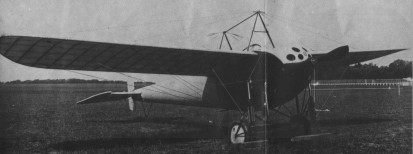
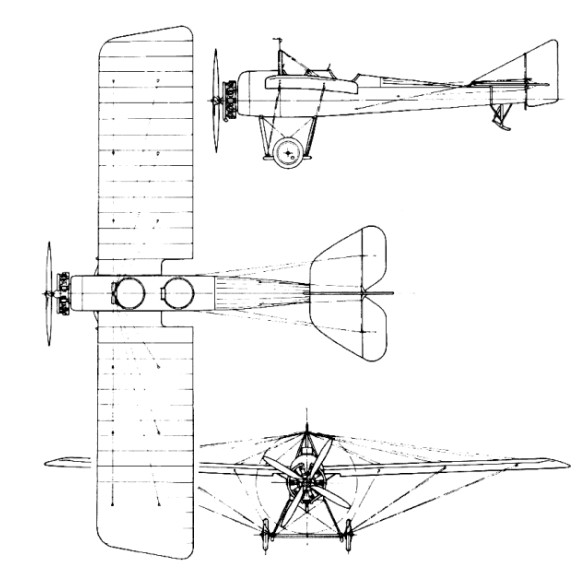
Bleriot achieved little success with this streamlined monocoqe scout in 1915.
Bleriot achieved little success with this streamlined monocoqe scout in 1915.
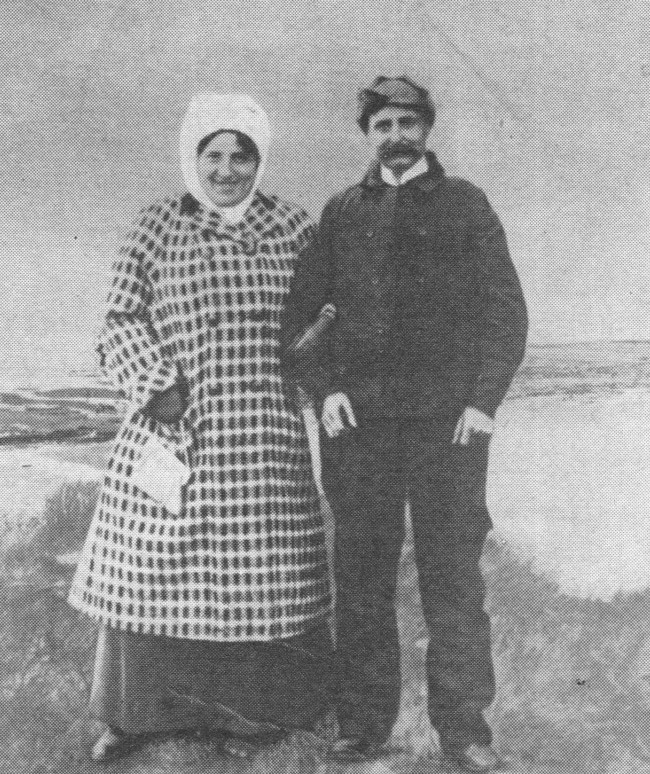
Louis Blériot built the I Ornithoptère model – datable to 1900-1901 and patented in 1901 – with a span of 1.5 m and powered it with a carbonic acid engine. In 1902 Blériot built another machine to size which he tried to fly (span 9 m, weight 70 kg), but despite the successive replacement of three chemical engines it was a failure.
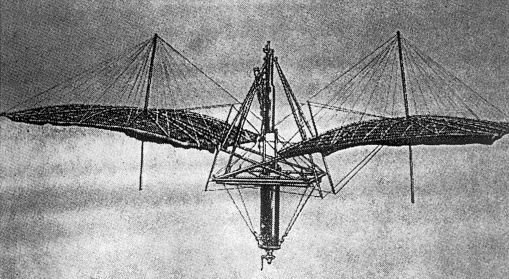
The French aviation pioneer Louis Bleriot achieved a unique place in aviation history by making the first crossing of the English Channel in a powered aircraft (his Type XI monoplane) on July 25, 1909. This success resulted in the formation of the above company to produce the Type XI monoplane, and many significant flights were made with these aircraft.
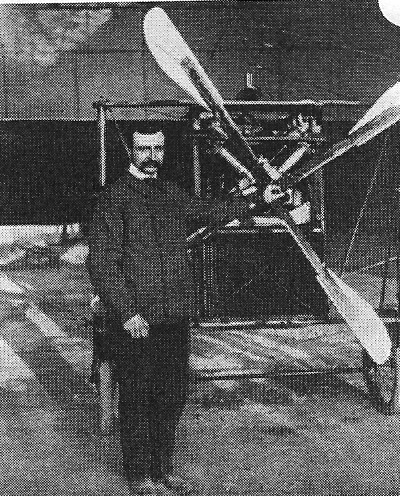
Aircraft of this type, and derivatives served with the French forces, the RFC and RNAS at the beginning of the First World War, as well as with other air arms.
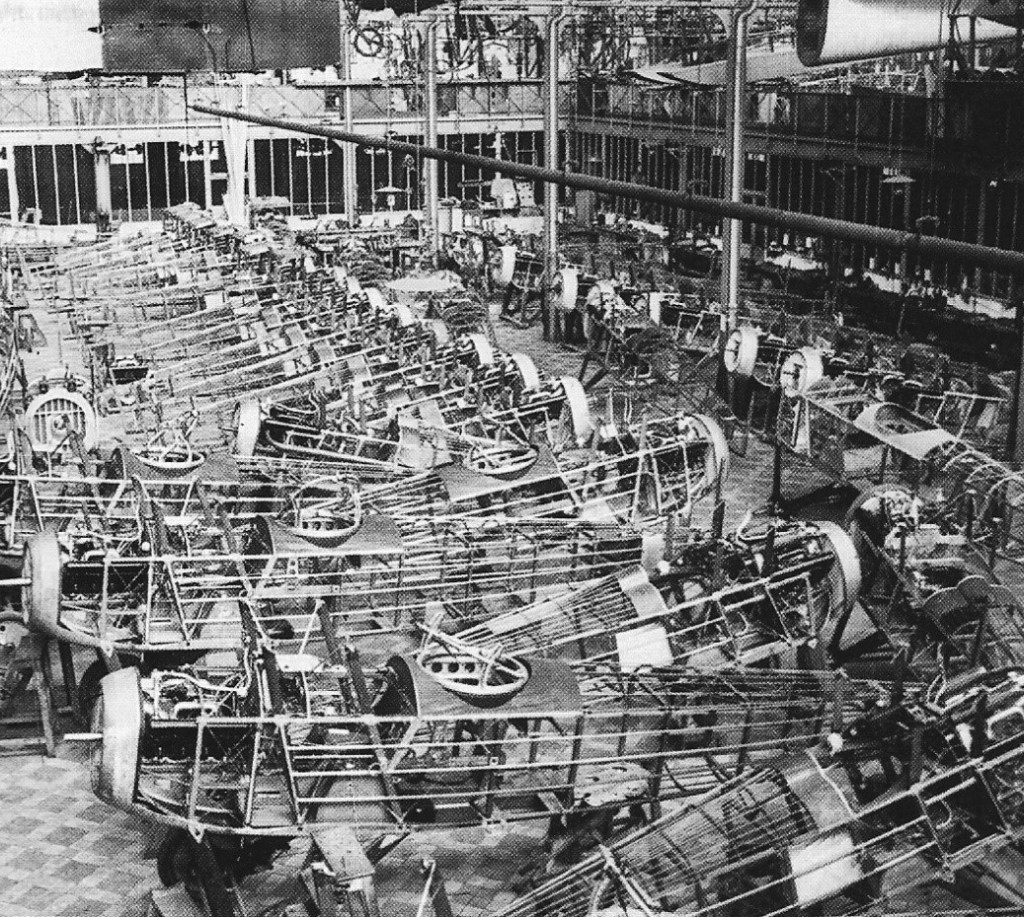
In post-war years Bleriot took over SPAD. The SPAD (Societe pour l’Aviation et ses Derives) concern, although headed by Louis Bleriot, operated as a separate organisation from the Societe Bleriot-Aeronautique until 1921, when SPAD was absorbed and the subsequent progeny of its design team became officially known by the title of Bleriot SPAD.
In France, the Socialist Government of the so called Popular Front brought all the companies building military aircraft, aero engines and armament under its control in 1936. The immediate result was the socialized oblivion of such established companies as Marcel Bloch, Bleriot, Nieuport, Potex, Dewoitine, Hanriot and Farman within half a dozen nationalized groups or Societies Nationales, named according to their geographical location (Nord, Ouest, Centre, Midi and so on).
After World War II, although four of the nationalized groups continued operating under state control, private companies were allowed to resume the design and manufacture of both civil and military aircraft. Some of the pioneering names of French aviation, such as Breguet and Morane Saulnier, returned to prominence.
In a 1934 visit to Newark Airport in the United States, Louis Bleriot predicted commercial overseas flights by 1938. Unfortunately, he would not see this come to fruition as his death from a heart attack took his life on August 2nd, 1936 in Paris, France – bring an end to this French hero’s legacy. The Louis Bleriot Medal, established in 1936, was aptly named in his honor and would be awarded to individuals involved in record-setting flights thereafter. The award is still handed out to this day.
A 1918 single-engine single seat biplane flying boat escort bomber. Construction was started but not finished and the aircraft never flew.
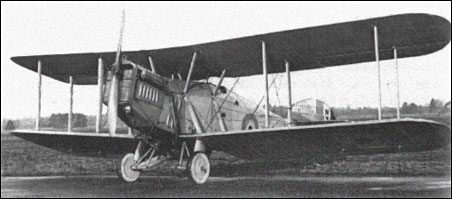
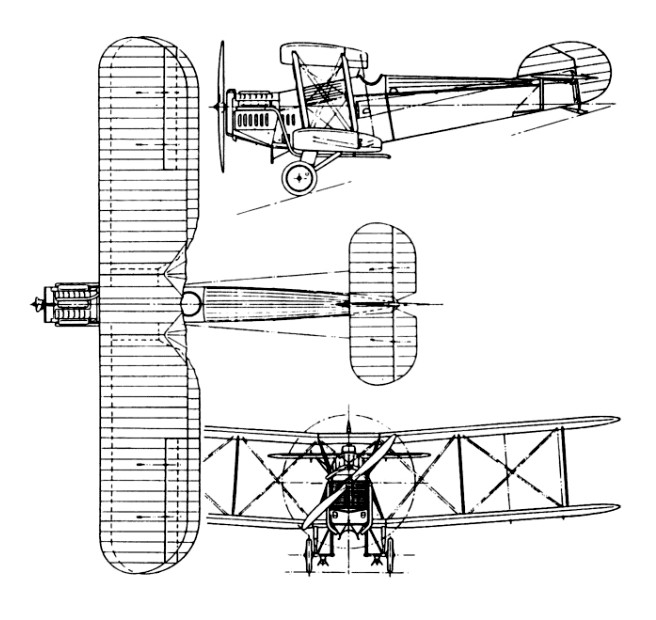
The Blackburn T1 Swift was a private venture torpedo bomber developed by the Blackburn Aeroplane and Motor Company primarily for export sales (whilst having regard to the desire of the Air Ministry to replace the Sopwith Cuckoo). The prototype, designed by Major Frank Arnold Bumpus, was shown in near-complete form at the Olympia Aero Show in July 1920.
The Blackburn T1 Swift was a large conventional single seat two-bay tractor biplane with divided undercarriage legs to accommodate a torpedo. It was also provided with folding wings for stowage aboard ship. The longerons sloped down ahead of the pilot’s cockpit to improve the forward view for deck-landing.
On the first flight in September 1920, the first prototype was found to be seriously tail-heavy and barely controllable. It was safely landed after a wide and flat circuit at low level. The balance of the aircraft was quickly restored by applying a few degrees of sweep to the outboard wing panels.
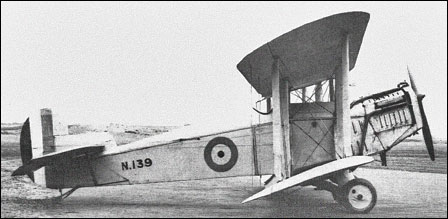
The prototype was sent for trials at Aeroplane and Armament Experimental Establishment (A&AEE) at Martlesham Heath on 21st December 1920, carrying an RAF serial (N139). At Martlesham, it was tested with the Mk VIII and the Mk IX 15-inch torpedo and these trials resulted in the adoption of a revised rudder geometry. After further minor modifications, it proceeded to conduct deck landing trials on HMS Argus in May 1921.
Blackburn then sought export orders for the type, obtaining sales for two aircraft to the US Navy (A-6056 and A-6057) which were to be known the Blackburn Swift F. Later, a further two Blackburn Swift II aircraft were purchased by the Imperial Japanese Navy, as well as a further three (M-NTBA, M-NTBB and M-NTBC) which were sold the Spanish Navy. The export aircraft featured a sloping, front radiator and a further revision to the tail surfaces.
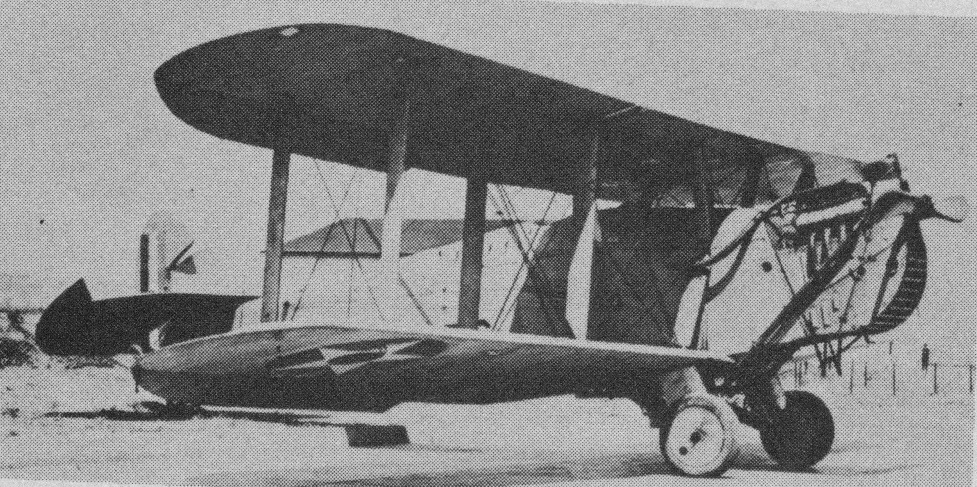
Such was the promise of the design that it was adopted (following minor modifications such as a 35-inch reduction in wingspan) as the standard Fleet Air Arm torpedo aircraft, subsequently renamed the Blackburn T2 Dart.
Engine: 1 x 450hp Napier Lion IB
Take-Off Weight: 2860 kg / 6305 lb
Empty Weight: 1612 kg / 3554 lb
Wingspan: 14.78 m / 48 ft 6 in
Length: 10.82 m / 35 ft 6 in
Height: 3.73 m / 12 ft 3 in
Wing Area: 66.89 sq.m / 720.00 sq ft
Max. Speed: 171 km/h / 106 mph
Ceiling: 4572 m / 15000 ft
Range: 564 km / 350 miles
Armament: 4 x 100kg bombs or a torpedo

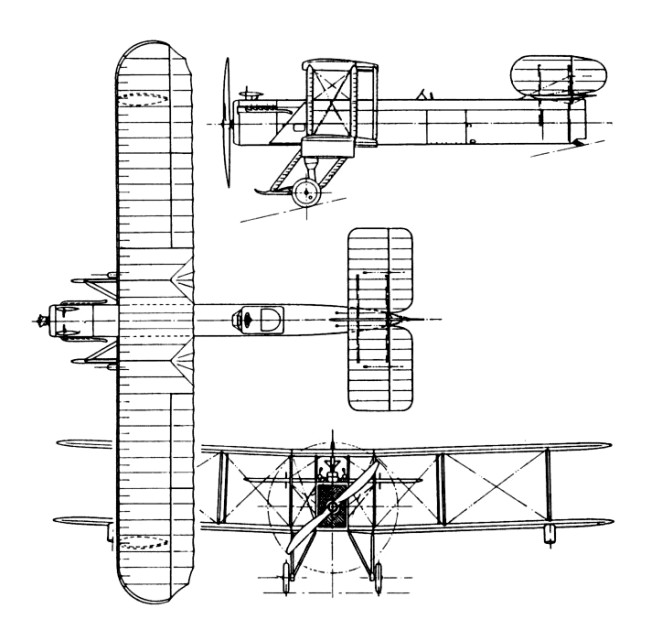
In 1916 large and heavy aircraft such as a torpedo-bomber might be able to take off given enough headwind, but not land again on the small ‘flying-off’ decks of the time. Floatplane operations required a ship to stop in potentially dangerous waters. Blackburn’s Blackburd of 1918 was designed to take off from a ship, jettison its wheels (quickly so they could be recovered) and then its axle so the torpedo could be dropped. At the end of its mission, it was to ditch next to the ship and hopefully be recovered. The Blackburd proved unstable in pitch, being nose heavy with or without a torpedo, and the rudder was ineffective, making deck landings virtually impossible.

Engine: 1 x 350hp Rolls Royce Eagle VIII
Take-Off Weight: 2586 kg / 5701 lb
Wingspan: 15.97 m / 52 ft 5 in
Length: 10.64 m / 34 ft 11 in
Height: 3.78 m / 12 ft 5 in
Max. Speed: 153 km/h / 95 mph
Crew: 1

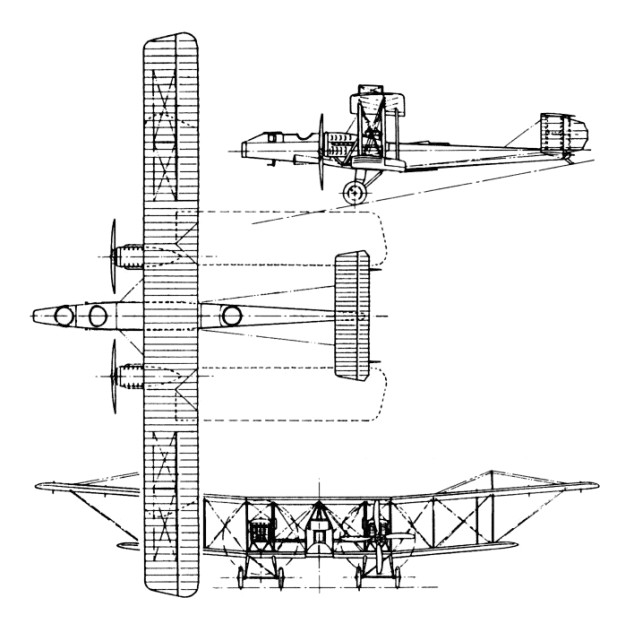
The Blackburn Kangaroo was originally designed as a naval reconnaissance and bomber seaplane in 1916, but was later converted to a landplane.
Two complete prototypes were produced, the first flying in July 1916. These prototype aircraft, known collectively as the Blackburn GP (“GP” for “General Purpose”), featured floats and were designed for use as anti-submarine aircraft
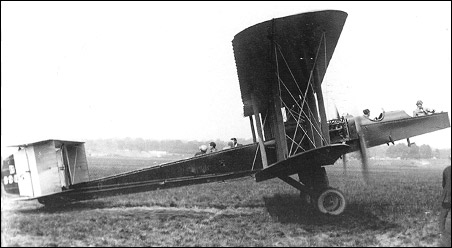
From this, a land-based version was developed as the Blackburn R.T.1 Kangaroo (Reconnaissance Torpedo Type 1). Despite the sub-par performance output of the Rolls-Royce Falcon II series engines (250 horsepower), the Royal Air Force deliveries began sometime in January of 1918 with units made combat-ready the same year. After the sixth production aircraft was complete, an attempt to boost performance was made with the introduction of the Rolls-Royce Falcon III engines developing 270 horsepower each.
Externally, the Kangaroo featured a long box-type straight fuselage. A crew of three was positioned about the forward portion and consisted of the pilot in the center cockpit, a gunner in the forward cockpit and a rear gunner in the far aft cockpit. All three positions were separated from one another. The fuselage was straddled by two engines with either a two- or four-blade propeller. The undercarriage was fixed and featured individual two-wheel bogie front landing gear systems and a tail skid. The main landing gears were positioned just under the engines. Wings were biplane and featured three bays with parallel struts and associated cabling. The wings were of an unequal span. The wings – outboard of the engines – could be swiveled back via hinges and folded against the tail section. The long empennage was fitted with twin vertical tail fins and horizontal plane.
10 were issued to No 246 Squadron (the only unit to operate the type) at Seaton Carew, on the Durham coast, from January 1918. Operations began on 1 May, the Kangaroos flying more than 600 hours on anti-submarine patrols over the North Sea between then and 11 November. During that time they were credited with 12 U-boat sightings and 11 attacks, one of which, on 28 August, resulted in the shared destruction of UC 70 with the destroyer HMS Ouse.
After the war, Kangaroos were used in limited numbers as dual-control trainers up to 1929, when the aircraft was officially retired from service. Several also made their way into the civilian passenger market for a time, ferrying up to 8 people.
The Blackburn Kangaroo was operated exclusively with No. 246 Squadron of the British RAF as well as the Peruvian Army Flying Service. Only 20 of the type were ultimately produced.
Performance from the twin Rolls-Royce Falcon III liquid-cooled, V-12 270 horsepower engines netted a maximum speed of 98 miles per hour with a range out to 487 miles. A rate-of-climb of 480 feet per minute was possible as was a service ceiling of 12,992 feet. As a bomber the Kangaroo could call upon up to 920lbs of ordnance. Self-defense was handled by two 7.7mm Lewis-type machine guns, one mounted in the forward cockpit and the other in the rear cockpit.
Engine: 2 x 255hp Rolls-Royce Falcon II 12-cylinder inline engines
Take-Off Weight: 3636 kg / 8016 lb
Wingspan: 22.82 m / 74 ft 10 in
Length: 14.02 m / 45 ft 12 in
Height: 5.13 m / 16 ft 10 in
Max. Speed: 161 km/h / 100 mph
Ceiling: 3200 m / 10500 ft
Armament: 2 x 7.62mm, 450kg of bombs
Crew: 4
Engines: 2 x Rolls-Royce Falcon III V-12, 270hp each.
Length: 44.16ft (13.46m)
Width: 74.87ft (22.82m)
Height: 16.83ft (5.13m)
Maximum Speed: 98mph (158kmh; 85kts)
Maximum Range: 487miles (784km)
Rate-of-Climb: 480ft/min (146m/min)
Service Ceiling: 13,000 ft (3,960m)
Armament:
1 x 7.7mm Lewis machine gun in forward cockpit
1 x 7.7mm Lewis machine gun in rear cockpit
Bombload: 920lbs
Accommodation: 3
Hardpoints: 1
Empty Weight: 5,284lbs (2,397kg)
Maximum Take-Off Weight: 6,288lbs (2,852kg)
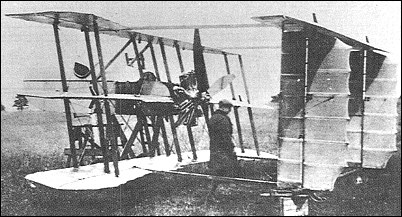
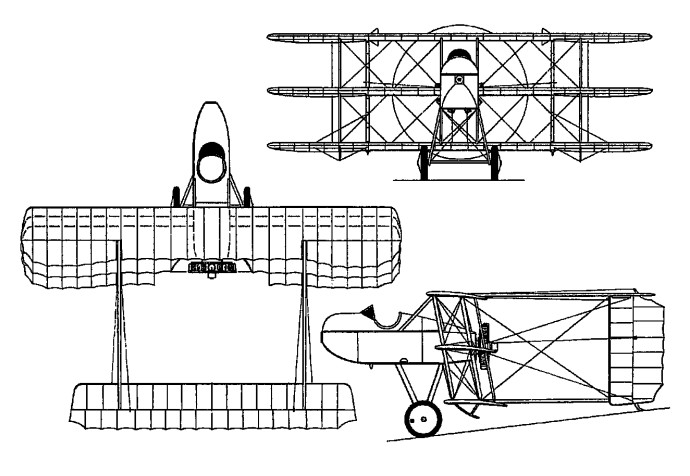
Designed by Harris Booth, the Blackburn single-seat fighter triplane was also intended to carry a single Davis two-pounder quick-fire recoilless gun firing from the nose of the nacelle and was conceived for the anti-Zeppelin role. With a fabric-covered airframe, the triplane was initially flown early in 1917 with a 100hp Clerget 9Z nine-cylinder rotary engine driving a four-bladed propeller. The Clerget was soon replaced by a Gnome Monosoupape nine-cylinder rotary of 100hp driving a two-blade propeller and the triplane was accepted by the Admiralty on 20 February 1917, but was struck off charge as unsatisfactory four weeks later, on 19 March.
Take-off weight: 680 kg / 1499 lb
Empty weight: 458 kg / 1010 lb
Wingspan: 7.31 m / 23 ft 12 in
Length: 6.53 m / 21 ft 5 in
Height: 2.59 m / 8 ft 6 in
Wing area: 20.53 sq.m / 220.98 sq ft
Max. speed: 145 km/h / 90 mph
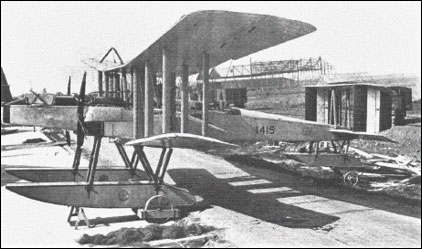
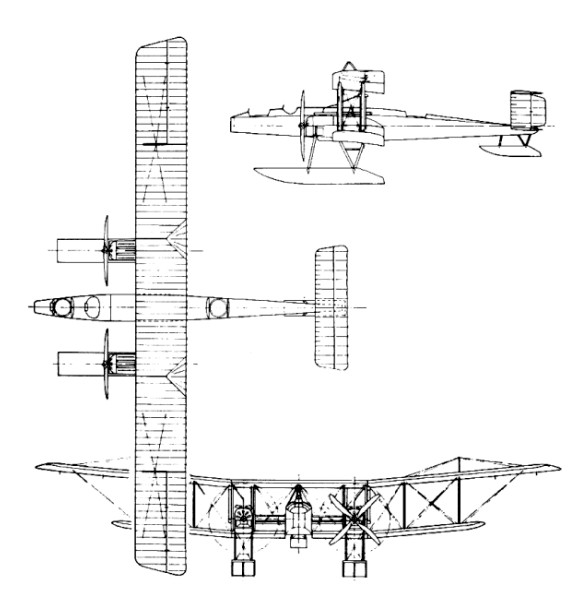
1916
Engine: 2 x 150hp Sunbeam Nubian or 190hp Rolls-Royce water-cooled in-line engine
Take-Off Weight: 3904 kg / 8607 lb
Empty Weight: 2651 kg / 5844 lb
Wingspan: 22.81 m / 74 ft 10 in
Length: 14.02 m / 45 ft 12 in
Height: 5.13 m / 16 ft 10 in
Wing Area: 81.75 sq.m / 879.95 sq ft
Max. Speed: 156 km/h / 97 mph
Ceiling: 3353 m / 11000 ft
Armament: 2 x 7.7mm machine-guns, 4 x 100kg bombs or a torpedo
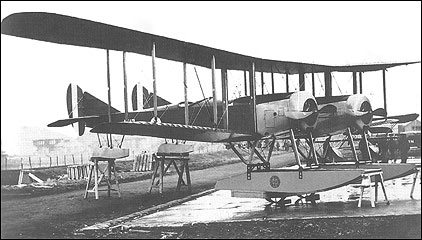
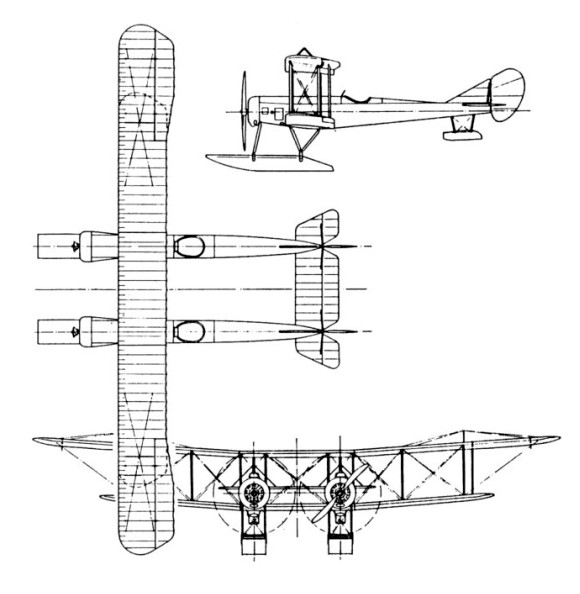
The 1915 Blackburn TB was a long-range twin-engined anti-Zeppelin floatplane. Technically a fighter. This was Blackburn’s first twin-engined aircraft (TB standing for Twin Blackburn), but the rear fuselages and tails came from the BE.2c, then being licence-produced by Blackburn.
Designed for a pair of 150hp Smith radial engines, the TB was built with 100hp Gnome Monosoupapes giving a third less power. Its war load was 32kg of steel incendiary darts. The TB’s were to climb above enemy airships where the observer would throw the darts at them in the hope of causing and igniting a fatal gas leak. The TB had no other armament.
Engine: 2 x 100hp Gnome Monosoupape rotary engines
Take-Off Weight: 1588 kg / 3501 lb
Wingspan: 18.44 m / 60 ft 6 in
Length: 11.13 m / 36 ft 6 in
Height: 4.11 m / 13 ft 6 in
Max. Speed: 138 km/h / 86 mph
Crew: 2
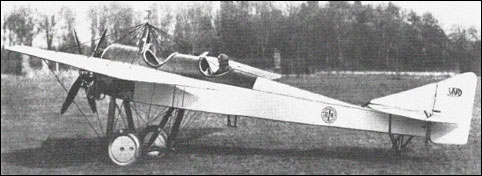
The White Falcon was built by Blackburn during 1915 for the personal use of their test pilot, W. Rowland Dring. It was a mid-wing, wire braced monoplane with open cockpits for pilot and passenger, powered by an uncowled 100 hp (75 kW) Anzani radial engine driving a four-blade 9 ft (2.74 m) diameter propeller. The wings were of parallel chord and generally like those of the Improved Type I, though 1 ft (31 cm) greater in span, similarly wire braced to an inverted ‘V’ kingpost and to the undercarriage. The wing warping wires also ran via the kingpost. The White Falcon initially used a standard B.E.2c undercarriage (Blackburn’s were one company manufacturing these aircraft during the war) but this was replaced later with a simpler structure without skids.
The fuselage was a standard Blackburn Warren girder structure, though of square rather than triangular cross-section. The decking was rounded. The tailplane was like that of the Improved Type I, and the fin and rudder formed a neat triangular shape with a vertical trailing edge.
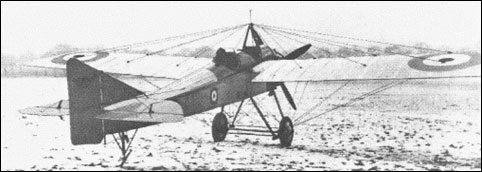
It has been suggested that it was used by Dring to communicate with RNAS stations that had received Blackburn built B.E.2c machines, and to collect their delivery pilots. In the winter of 1916-17 it wore RAF roundels but no serial number. Rowland Dring died in a B.E.2c crash in Leeds on 12 May 1917.
Engine: one 10-cylinder Anzani radial, 100 hp (75 kW)
Crew: 1
Capacity: pilot and one passenger
Length: 26 ft 11.25 in (8.21 m)
Wingspan: 39 ft 6 in (12.04 m)
Wing area: 209 sq ft (19.4 sq.m)
 All Aero