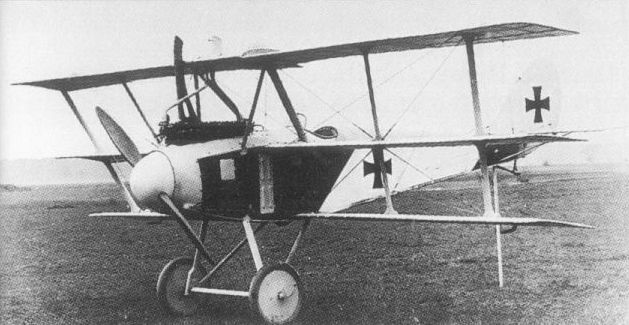
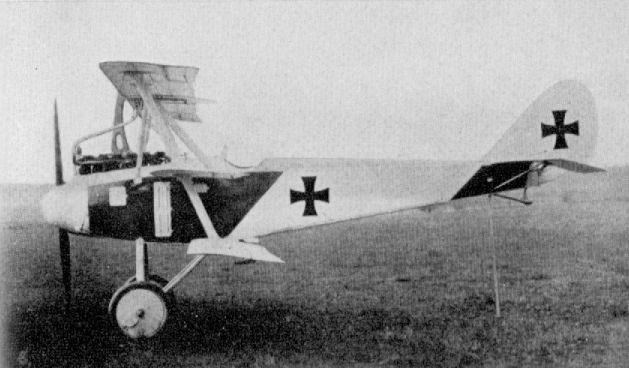
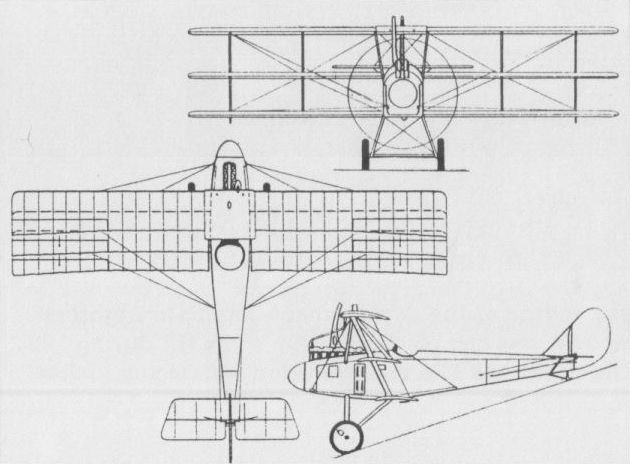
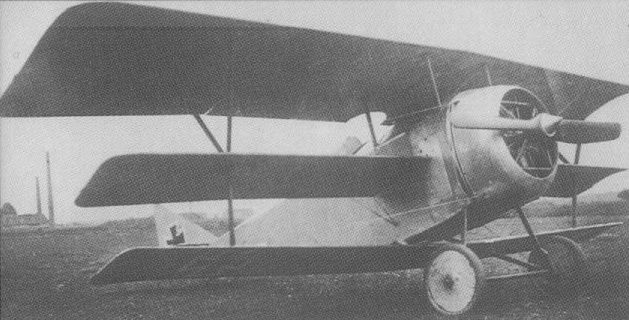
Another experimental triplane powered with 160 h.p. Mercedes D III engine, the designation was not official.
The private-venture Type 3 triplane was the second Euler-Werke fighter of this configuration. Designed by Julius Hromadnik, it was not accepted for service.
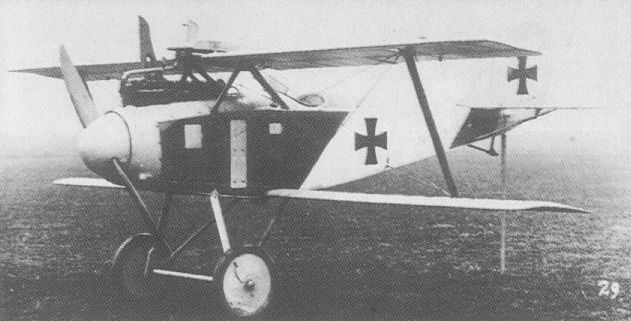
An experimental single-seat pusher design powered with 160 h.p. Mercedes D III engine. Known as the “Gelber Hund” (yellow hound), this single-seat pusher was the first Euler-Werke fighting scout.
The Euler “Gelber Hund” of 1915 featured a fixed forward-firing machine gun in the extreme nose of the fuselage pod.
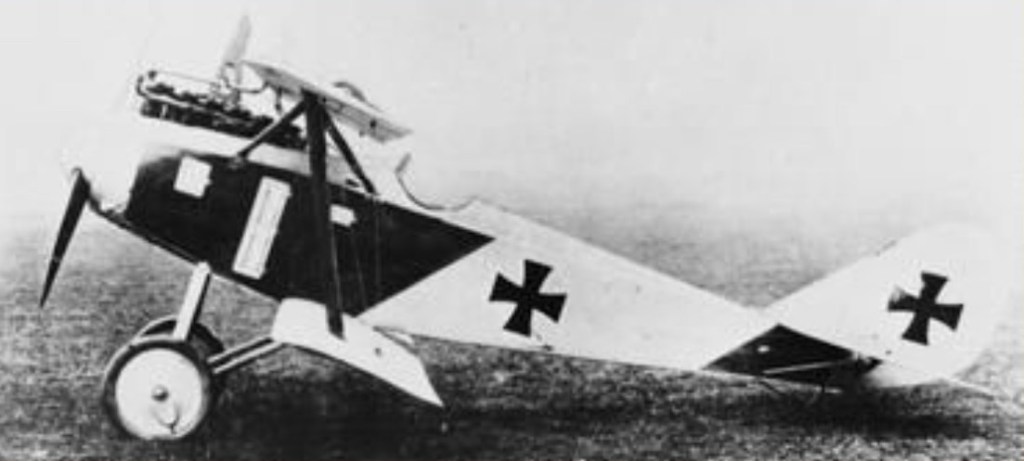
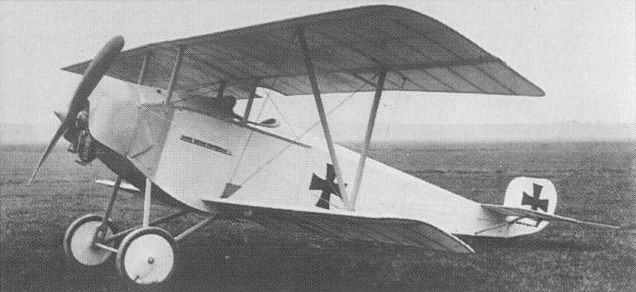
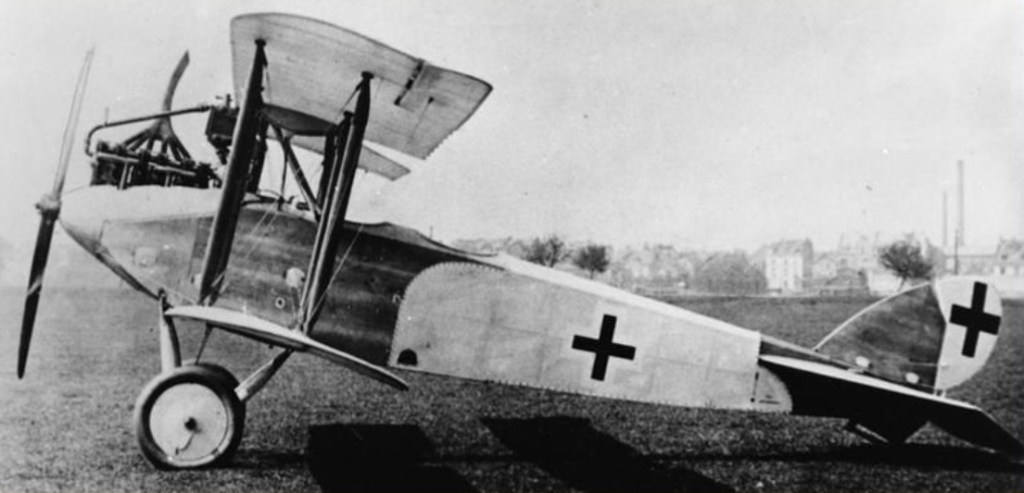
After seeing the success of the French Nieuport 11 at the front, German designer August Euler set about to create a German aircraft based on the Nieuport 17 design. The Euler D.I single-seat fighter first flew in December 1916. It was powered by an 80 hp engine with the Euler patented machine gun on the front.
Two prototypes were recorded as being in service at the front in October 1916, and the German government ordered 50 in the same month. A further 50 were ordered in early 1917, but this order was largely transferred over to the D.I’s successor, the Euler D.II. About 75 were built. The D.I saw very little combat service with the German Empire, being largely used as a fighter trainer for the remainder of the war and retired around 1920.
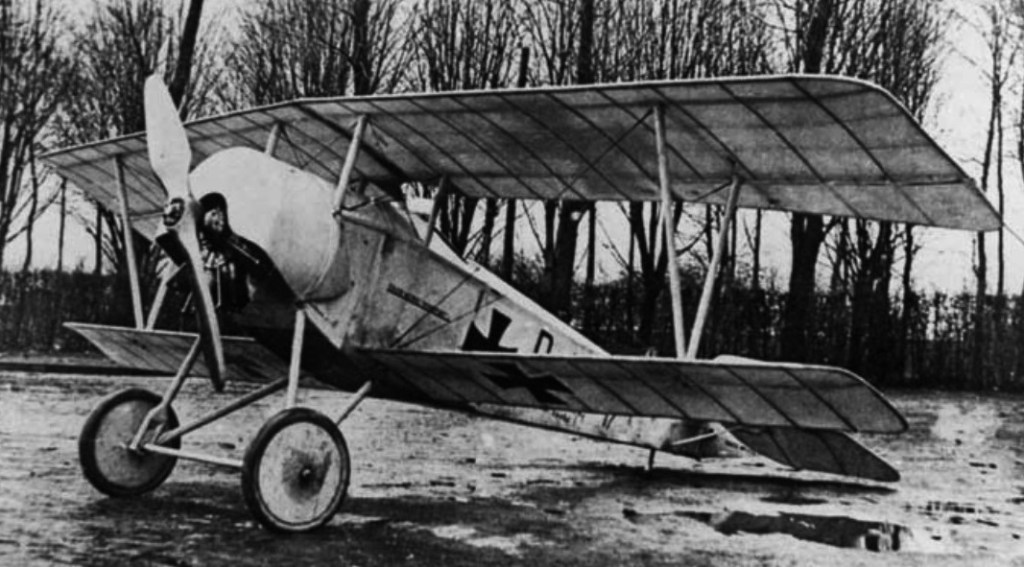
Euler D.II
The Euler D.II single-seat fighter successor to the Euler D.I was essentially a re-engined Euler D.I, the airframe being virtually unchanged and the power plant being a 100 hp Oberusel U I seven cylinder rotary.
Thirty D.II fighters were ordered by the German air force in March 1917, however due to slow production these were not delivered until December 1917. As a result, the D.II was relegated to the role of a trainer aircraft for the rest of the war and retired in 1918.
Euler D.I Engine: 1 × Oberursel U.O, 60 kW (80 hp) Wingspan: 8.10 m (26 ft 6⅞ in) Length: 5.80 m (19 ft 0¼ in) Height: 2.66 m (8 ft 8¾ in) Wing area: 13.00 m² (139.93 ft²) Empty weight: 380 kg (838 lb) Loaded weight: 600 kg (1,323 lb) Maximum speed: 140 km/h (87 mph) Time to 2,000 m: 12.5 minutes Crew: One Armament: 1 x engine-mounted 7.92-mm machine gun
Euler D I Engine: 80 or 100 h.p. Oberursel U O or U I rotary Span: 8.1 m. (26 ft. 7 in.) Length: 7.12 m. (23 ft. 4 3/8 in.) Height: 2.66 m. (8 ft. 8 3/4 in.) Empty weight: 380 kg. (836 lb.) Loaded weight: 600 kg. (1,320 lb.). Climb to 2,000 m: (6,560 ft.): 12.5 min.
Euler D.II Engine: 1 × Oberursel U.I, 75 kW (100 hp) Wingspan: 7.47 m (24 ft 6 in) Length: 5.94m (19 ft 5⅞ in) Height: 2.75 m (9 ft 0 in) Empty weight: 380 kg (838 lb) Loaded weight: 615 kg (1,356 lb) Maximum speed: 145 km/h (90 mph) Time to 2,000 m: 9.5 minutes Endurance: 1.5 hours Armament: 1 x engine-mounted 7.92mm machine gun Crew: One
The Dr.I series however was largely an experimental triplane fighter. The first Euler triplane, powered with 160 h.p. Oberursel U III, the designation was not official, neither is it completely certain.
The Euler Dr 1 apparently stayed at prototype stage, designed by Julius Hromadnik, the first being under test in the summer of 1917, competing with the Hansa-Brandenburg Dr.I and DFW Dr I. It was not accepted for service.
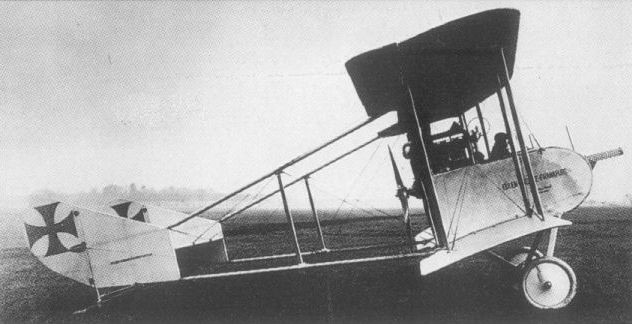
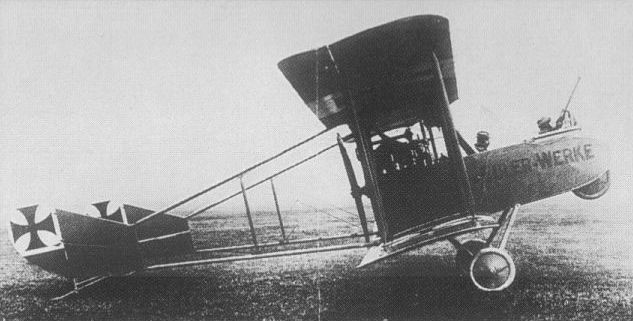
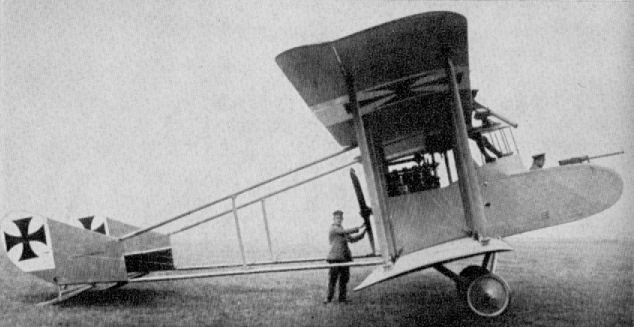
The Euler Type C a reconnaissance aircraft with a pusher engine of 1913-14. The initial form with nose turret of the Euler two-seat fighter of 1915 intended primarily for anti-airship and escort missions.
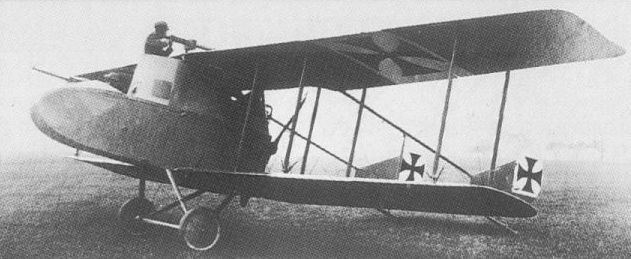
The final form of the Euler two-seat fighter of 1915 with faired, pulpit-like gun position, intended primarily for anti-airship and escort missions.
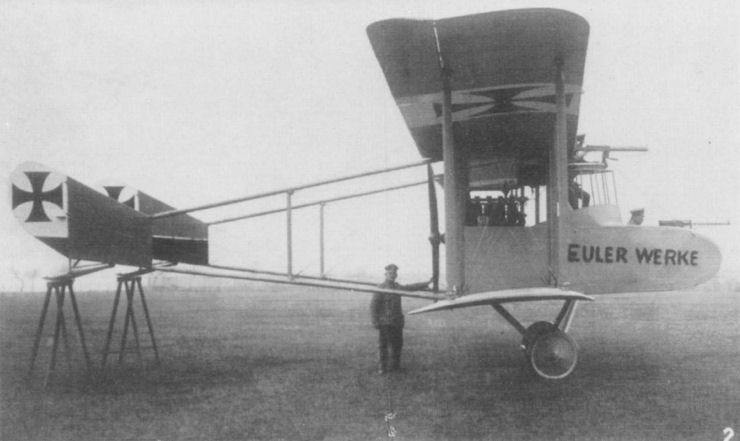
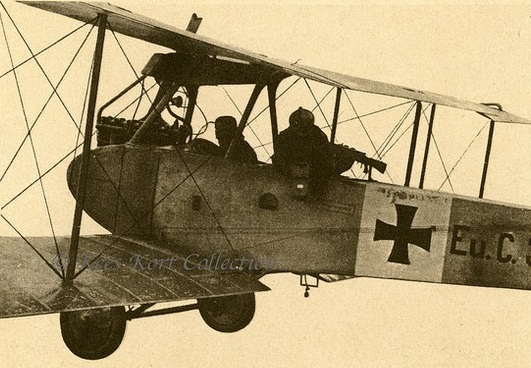
Euler C-type under test in mid-1916: note the armament of two parabellum machine guns. This, along with the Spandau, was a very effective aerial weapon and a success for German machine gun technology. Only one machine was built.
Engine: 160 hp Mercedes D III Span: 14.8 m. (48 ft. 6 3/4 in.) Length: 9.3 m. (30 ft. 6 1/8 in.) Height: 3.2 m. (10 ft. 6 in.) Wing area: 52.6 sq.m. (568 sq.ft.) Empty weight: 492 kg. (1,082 lb.) Climb 3.000 m. (9,840 ft.): 44 min Endurance: 4 hr. Armament: two Parabellum machine-guns
An early wartime reconnaissance type was the BII tractor biplane (built at Frankfurt in late 1914), an early version of which had tricycle landing gear.
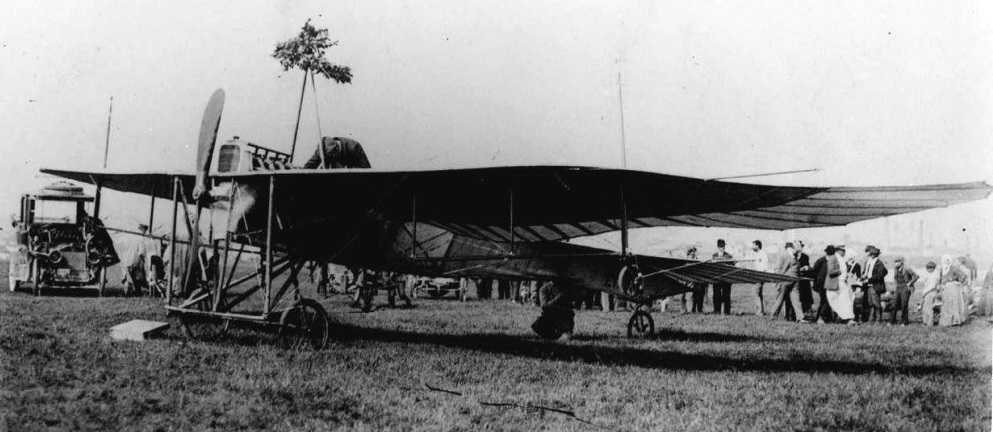
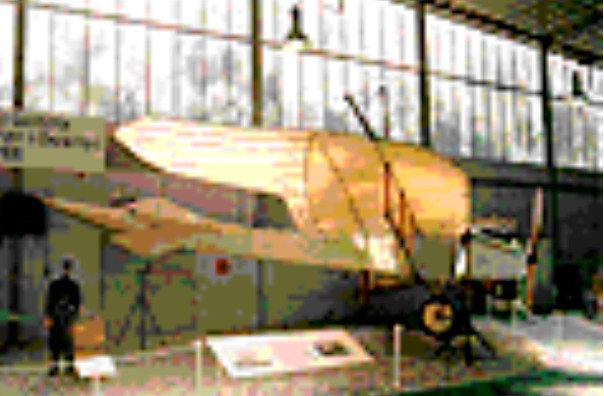
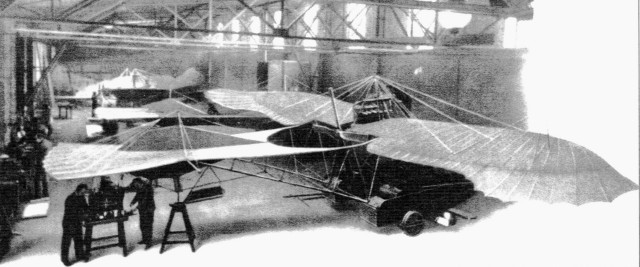
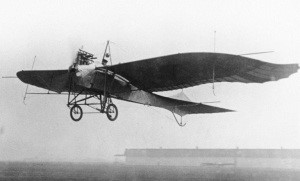
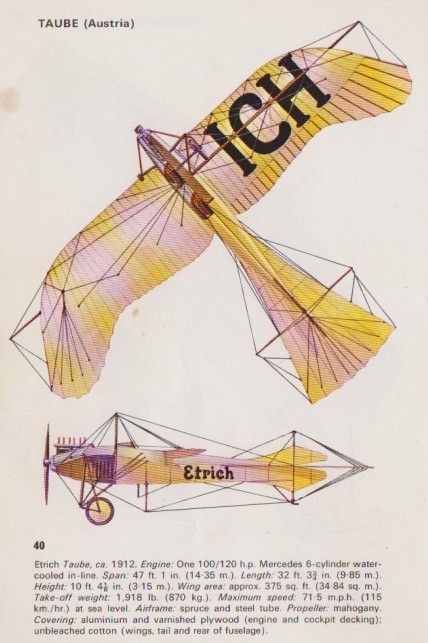
The Etrich Taube was designed by Igo Etrich in 1908 in Austria. After considerable successes, the rights were sold to the German Government, who commissioned Rumpler to produce 20.
These were so successful that the design was standardised for issue to the German Armies.
A training and reconnaissance aircraft, about 500 were ordered from various companies. Those built by Albatros, Gotha and Rumpler had wooden airframes while those produced by DFW and Jeannin had steel structures.
It was built in large scale by Rumpler in Germany and became the first German military aircraft to be used in large scale. A 100hp Mercedes or Argus engine was standard, and no armament was fitted.
The wooden airframe of the Rumpler Taube was fabric covered and wing-warping was used instead of ailerons. The tail surfaces usually comprised a long-chord tailplane ad elevator, fixed fin and a small rudder.
Rumpler 1913 Taube
Taubes were noted for their high flying qualities at the beginning of the War and just before the war began a Rumpler Taube broke the then record by reaching just below 20,000 ft.
Taubes were used operationally in the first nine month of the war, mainly for reconnaissance, and one played a leading role I the Battle of Tannenberg, in East Prussia, by reporting a Russian advance that would have taken the German Army unawares. With clear doping on their fabric covered wings they were relatively invisible at height.
Lt. von Hiddesen dropped five tiny bombs on Paris from a Taube on 30 August 1914, accompanied by a second, piloted by then Lt. Max Immelmann, dropped message inviting the city to surrender.
Rumpler built in 1912-1913 a small number of Taube floatplanes, two with a single float and the others with two floats. It was a pusher, powered by a 100 hp Daimler, and had two floats and a four-blade propeller. The photo was taken at the Johannisthal works in late 1913.
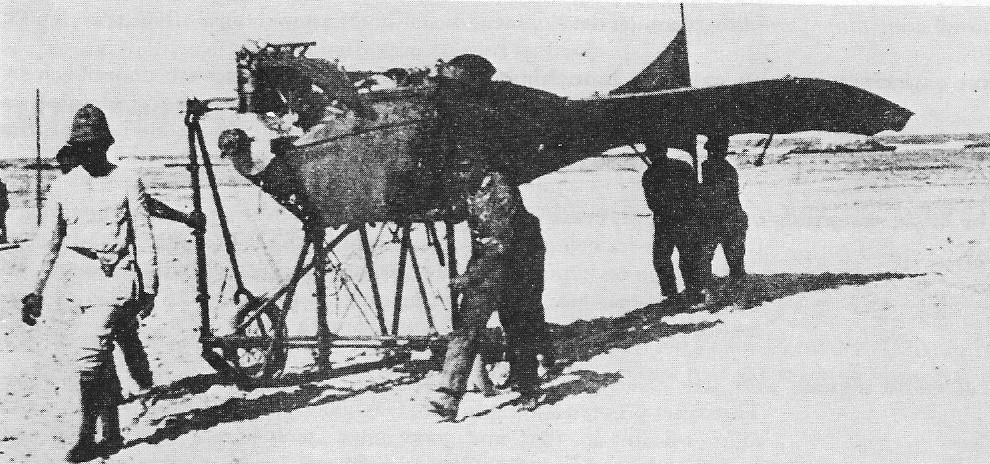
1911 Italian Etrich Taupe in Libya
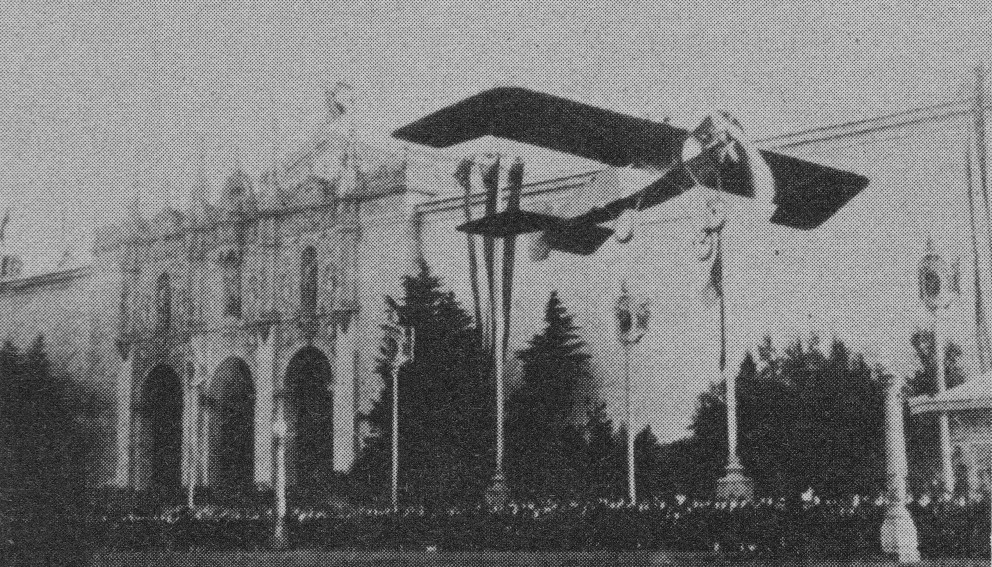
Lincoln Beachy, stunt pilot, took off from the Panama Pacific International Exposition at San Francisco on his fatal flight.
Engine : Argus As I, 99 hp Length: 33.465 ft / 10.2 m Height : 10.499 ft / 3.2 m Wingspan : 45.932 ft / 14.0 m Wing area : 301.392 sq.ft / 28.0 sq.m Max take off weight : 1896.3 lb / 860.0 kg Weight empty : 1323.0 lb / 600.0 kg Max. weight carried : 573.3 lb / 260.0 kg Max. speed : 54 kt / 100 km/h Cruising speed : 49 kt / 90 km/h Wing load : 6.36 lb/sq.ft / 31.0 kg/sq.m Range : 162 nm / 300 km Crew : 2
Rumpler Taube Engine: Mercedes, 100 hp Wingspan: 45 ft 4 in Length: 26 ft 11 in Height: 10 ft 2 in Empty weight: 1323 lb MTOW: 2005 lb Max speed: 74 mph at SL Endurance: 4 hr
Rumpler Taube Engine: Daimler, 100 hp / Austro-Daimler, 120 hp Wing span: 46 ft Wing area: 301 sq.ft Length: 27 ft 3 in Height: 9 ft 9 in Empty weight: 682 lb Loaded weight: 1323 lb Wing loading: 4.3 lb/sq.ft Max speed: 75 mph at SL Crew: 1-2
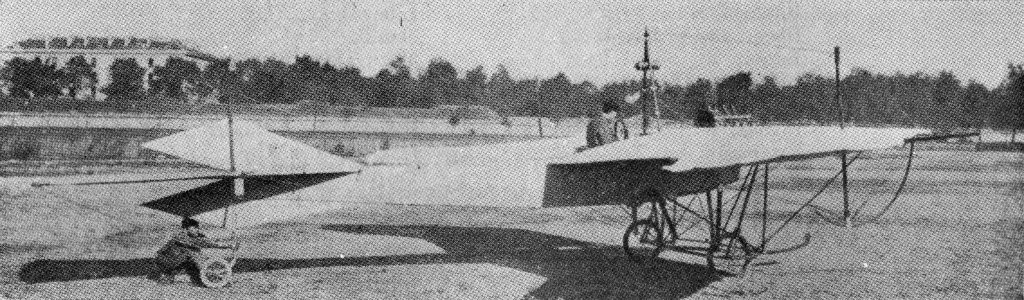
Austrian Igo Etrich (1879-1967) experimented in aeronautics from 1899. After working with engineer Franz Wels he made a tailless glider with backswept wings in 1907. This was intended to be powered, and led to the Etrich Taube monoplane (bird-like, with backswept warping outer wings and fan-like tail) in 1909-1910. Object was inherent stability; first flight at Wiener-Neustadt in November 1909.
Small-scale production (Etrich Flieger Werke) and competitive success followed, in U.K. and other countries and the type was imitated frequently. Early Etrich pilots included Hellmuth Hirth. Jointly with his businessman father, Etrich had a private experimental establishment at Josefstadt. Etrich A-1 and A-2 monoplanes served with Austro-Hungarian Army before First World War. Etrich Fliegerwerke GmbH established at Liebau, Silesia, in 1912, independent of Motorluftfahrzeug Gesellschaft of Vienna and Rumpler of Berlin, each of which held a license for the Taube. Rumpler built the type from 1911-1914, and other German makers built similar machines, as used by the German Army before and during the war. First product from Liebau was a remarkable three-seat cabin monoplane with wings of variable incidence and camber, and nosewheel landing gear. In 1914 the company was absorbed by Brandenburgische Flugzeugwerke.
 All Aero