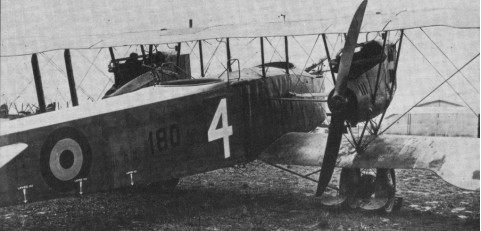
Friedrichschafen G.II

The prototype G.I was developed into the more powerful (149kW Benz Bz.IV) G.II in 1916.
With slightly shorter wings and a single fin/rudder tail unit, power came from twin 200 hp Benz Bz IV engines mounted between the wings and driving pusher propellers. Successfully passing its official trials, the G.II went into limited production.
Its offensive load of just 450kg and range were not adequate for major attacks on British and other strategic targets.
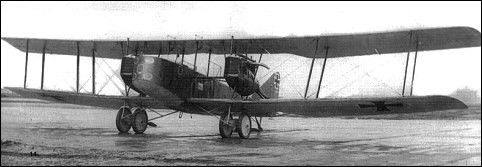
Span: 20.3 m (66 ft 7.25 in).
Length: 11.05 m (36 ft 3 in).
Endurance: 5 hrs.
Engines: 2 x 200 hp Benz Bz IV.
Armament: Bombload up to 1496 kg (3300 lb); 1 Parabellum machine gun in nose; 1 Parabellum machine gun in rear.
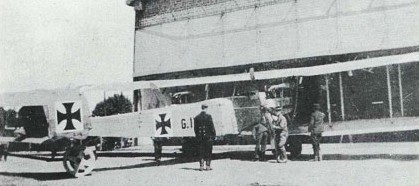
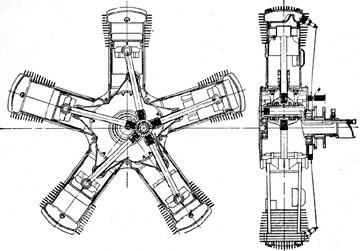
Friedrichschafen

Flugzeugbau Friedrichschafen established with factory at Mansell, later at Warnemunde, producing many seaplane designs for German Navy.
FF 29 twin-float reconnaissance seaplane introduced November 1914 for coastal patrol and fighter versions. Replaced by FF 49, with more powerful Benz Bz IV engine, introduced in May 1917. Also built land-based aircraft, including G III long-range bomber with two Mercedes DIV engines, used on Western Front in 1917

Forlanini F.5

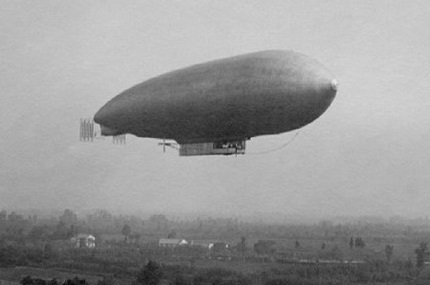
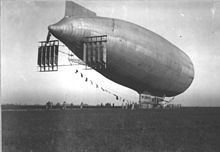
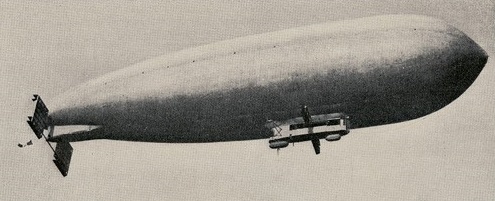
The F.5, ordered by the Army and arriving in 1917, carried a crew of five, full defensive armament, a quantity of bombs, and travelled at an altitude of 6100m (20,000ft).

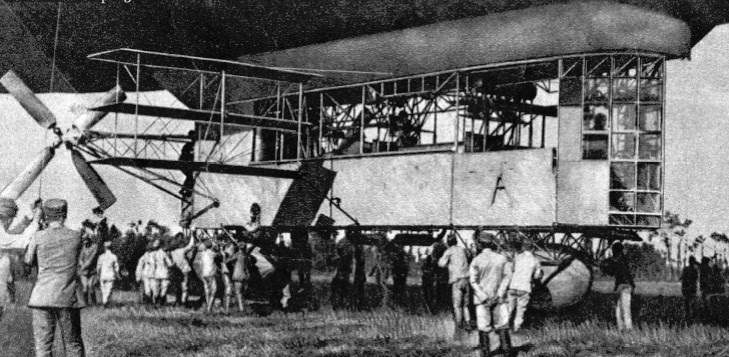
Of light construction in proportion to its size, the envelope was divided into several compartments with a strong, yet flexible internal keel, which allowed the nacelle to be frmly attached to the hull of the airship.

The F.5 was decommissioned on 6 February 1918, then at Baggio, on the western outskirts of Milan, the F.5 met a firey end when it burnt in is hanger on 25 March 1919.

Propulsion: Two FIAT S.76-A, 250 hp
Props: 4 blade
Volume: 17,783 cu.m / 628,000 cu.ft
Length: 300 feet (91 m)
Maximum width: 66 feet (20 m)
Gas cells: 12
Max speed: 75 kph / 46.6 mph
Diameter: 20m / 65.6 ft
Flight ceiling: 20,000 feet (6,100 m)
Payload: 20,227 lb (9175 kg)
Crew: 5: commander, two officers, two mechanics