A sesquiplane fighter (1918)
World War 1
Macchi M.9
A flying boat bomber (1918)
Macchi M.6
A flying boat fighter prototype (1917)
L-W-F G / G-2 / G-3

One of the first developments of LWF Engineering was a dual reconnaissance aircraft Model G, built in late 1917. During the tests the plane was destroyed and on its base in 1918 a new airplane was built- G-2, which could be used as a heavy fighter or as a scout-bomber. Equipped with a liquid-cooled engine Liberty 12 rated at 435 hp. The aircraft carried seven 7.62-mm machine guns (four of them were installed in front and synchronized for firing through the screw, two – in the rear cabin on a mobile turret-type Scarff and one at the bottom of the fuselage).
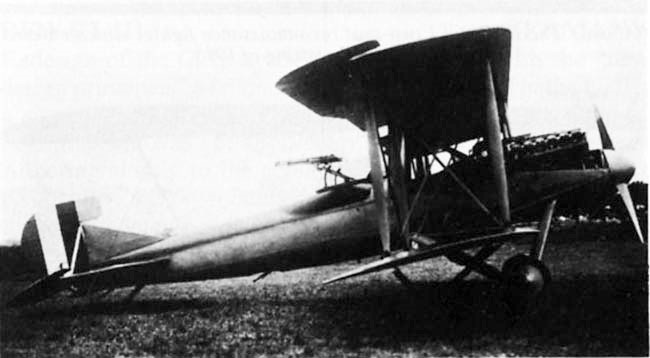
For the first time, the G-2 took off in the spring of 1918. The aircraft successfully passed the tests and the question of its serial production was considered, when on November 18, 1918 the prototype was lost as a result of the accident that occurred during the flight in the fog. This led to a complete halt of the project.
The third copy of the aircraft (G-3) was completed in 1919 as a racing aircraft for the New York-Toronto air race.
G-2
Engine: Liberty 12, 435 hp
Wing span: 12.69 m
Wing area: 47.94 sq.m
Length: 8.88 m
Height: 2.86 m
Empty weight: 1213 kg
Normal take-off weight: 1825 kg
Maximum speed: 222 km / h
Cruising speed: 196 km / h
Endurance: 4 hr
ROC: 328 m / min
Crew: 2
Armament: seven 7.62-mm machine guns

L-W-F V
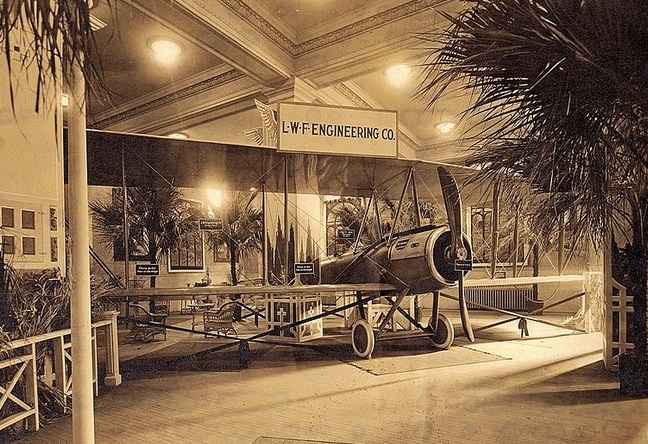
Built series of its own designs, including trainers V-1, -2 and -3 of 1918-1919 for the Army.
LVG E-VI
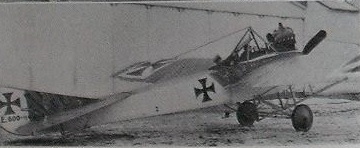
160 hp Mercedes – the first two seater with fixed and flexible guns 1915
LVG D-IV

190 hp Benz 1917-18
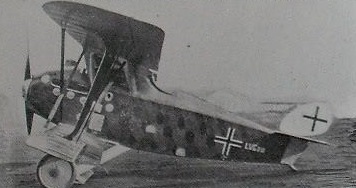
LVG D-II
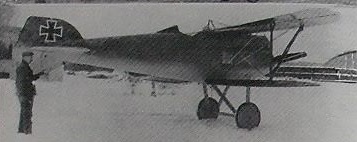
160 hp Mercedes 1916
LVG C-VI
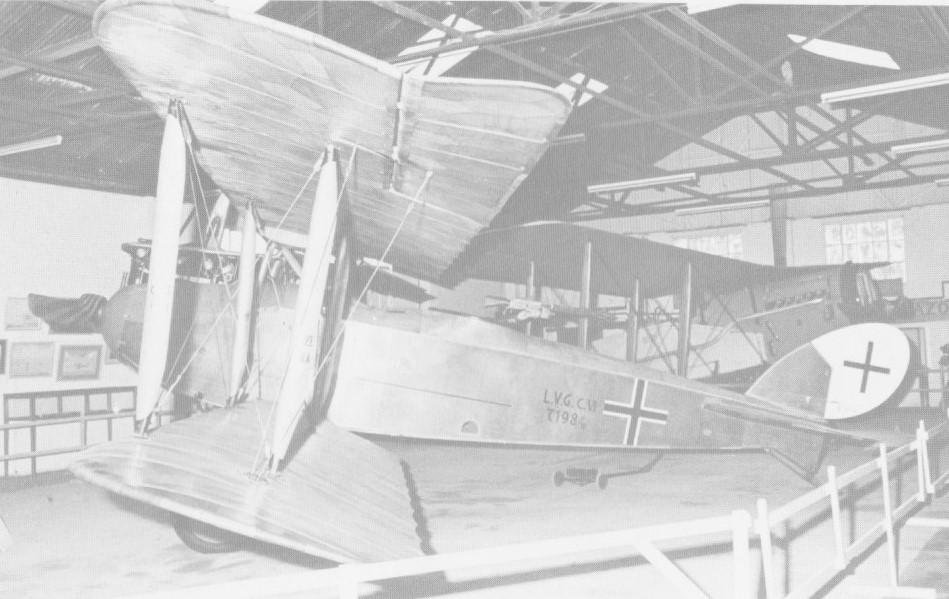
The re-designed C.V and C.VI appeared in 1918. By August 1918 over 500 C.Vs and C.VIs were in use as light bombers, reconnaissance and observation aircraft.
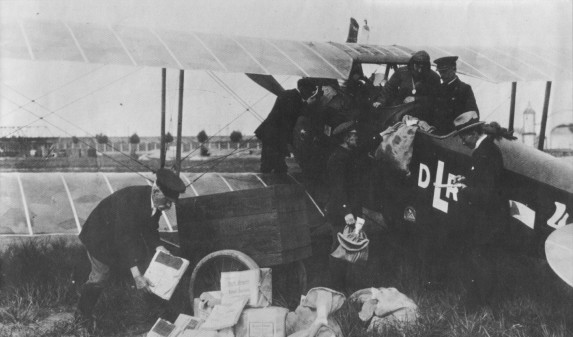
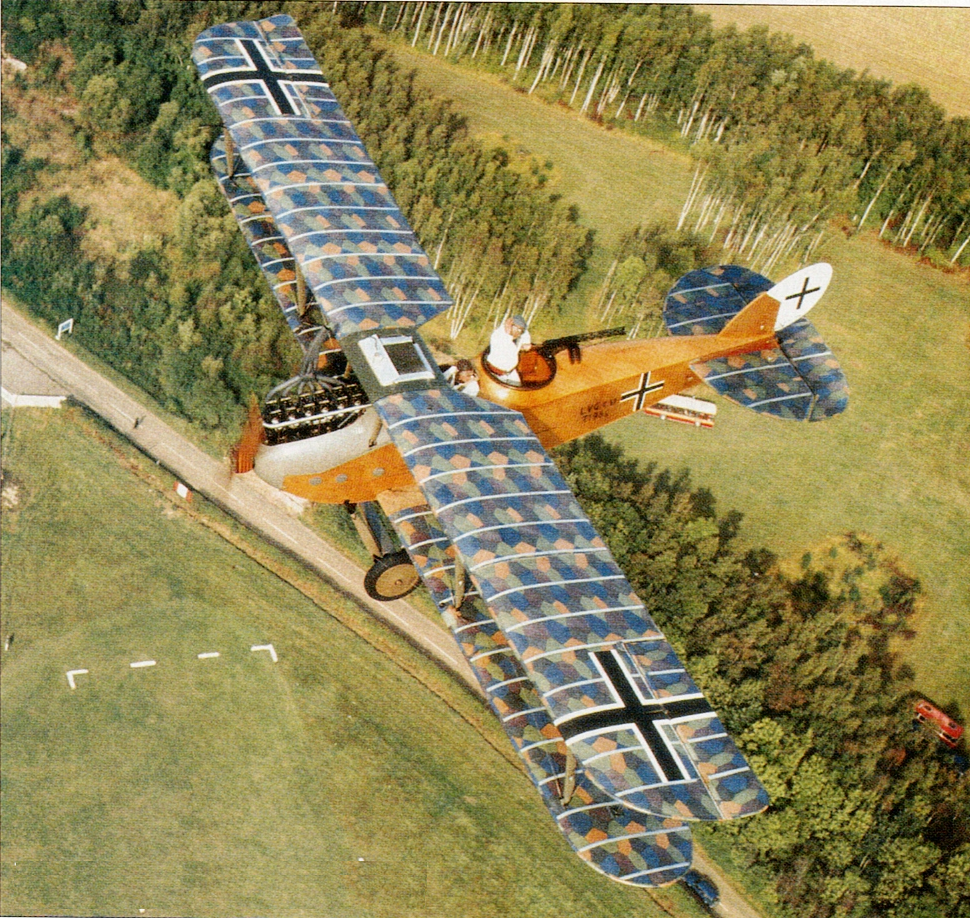
Engine: Benz BzIVa, 200 hp
Wingspan: 42 ft 7.75 in
Length: 24 ft 5.25 in
AUW: 3048 lb
Bombload: 240 lb
Max speed: 106 mph
LVG C-V
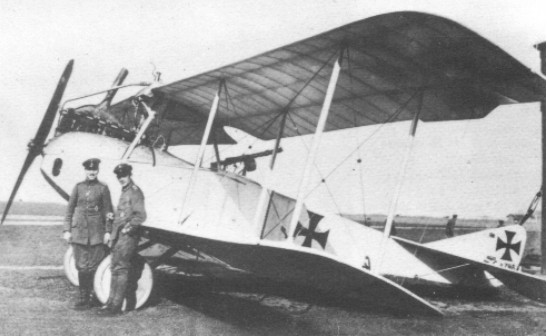
Used for reconnaissance and bombing, a small number of L.V.G.s were in the German air force at the outbreak of war in 1914. Like their British counterparts, they were unarmed and suffered heavy losses. This resulted in the much improved C.V, armed with machine¬guns, which proved a formidable adversary, in spite of the pilot’s exceptionally poor view forward.
A two-bay biplane, the two spar wooden wings were fabric covered. Plywood covered the wooden fuselage, with integral upper and lower tail fins. Fabric covered wooden tailplane. All control surfaces were welded steel-tube construction, with fabric covering. Ailerons were on the top wing only.
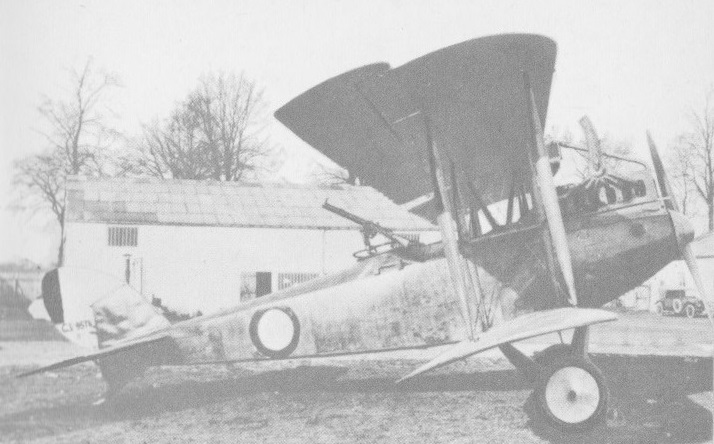
About 500 C.V’s and C.VI’s were in frontline service in the summer of 1918.
Engine: One 200 h.p. Benz Bz.IV
Wing span 42.75 ft (13.02 m.)
Wing area: 459.6 sq.ft
Length 26.5 ft (8.07 m.)
Height: 10 ft 6 in
Weight empty 1,860 lb. (843 kg.)
MTOW: 3141 lb
Fuel capacity: 52.5 Imp.Gal
Max speed: 102 m.p.h. (164 km.p.h.) at 6000 ft
Service ceiling: 16,500 ft. (5,000 m.) fully loaded
Endurance: 3.5 hours
Seats: 1 pilot and 1 observer
Armament One fixed Spandau machine gun firing forward, one Parabellum mg rear cockpit
 All Aero