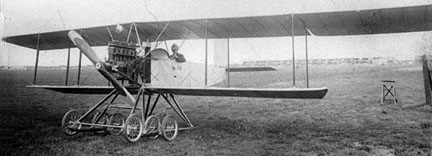
The Stupar 1914 Biplane 1 was Stupar’s first construction while employed by the Aero Works, this one for Hillery Beachy.
The single-place biplane was powered by a Hall-Scott engine, and also a Kirkham 4. A six-wheel undercarriage was fitted.
The Stupar 1914 Biplane 1 was Stupar’s first construction while employed by the Aero Works, this one for Hillery Beachy.
The single-place biplane was powered by a Hall-Scott engine, and also a Kirkham 4. A six-wheel undercarriage was fitted.
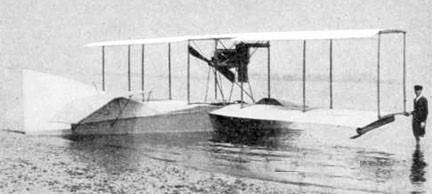
The 1915 B Stevens & Sons flying boat was designed by George Armitage, and constructed by Fred Chanonhouse, production superintendent at Sturtevant Co.
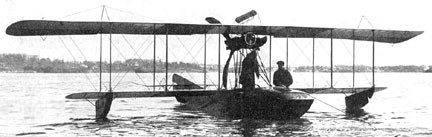
A two-place open cockpit, powered by a 105hp Sturtevant pusher engine, a variation appeared in 1916.
USA
William Starling Burgess was yacht and boat builder. Made an aeroplane 1909/10. Built Wright biplanes under license as Burgess-Wright. Also developed twin-engined type, tractor type and flying-boat. From 1913 under license from Britain’s J. W. Dunne, made Burgess-Dunne tailless floatplanes, Burgess developing the single main float. Two such seaplanes bought by U.S. Navy 1916, and one used for gunnery trials. Navy also bought tractor floatplanes and U.K. bought 36 landplanes developed by the Burgess company.
The 1916 Standard Aircraft Corp model J was the first production model. A two-place, open cockpit biplane, they were powered by a 90hp Hall-Scott A-7 engine, and featured a pronounced overhang in the top wing.
An army contract model, many were sold surplus after WW1.
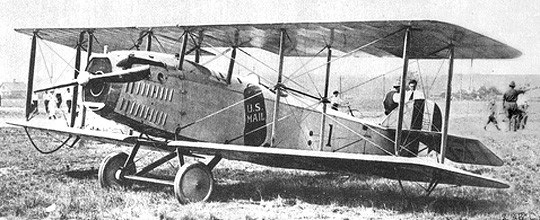
The 1917 Standard JR-1 and -1B were two-place Army advanced trainer, but boldly referred to by the company as “Pursuit”. They were revised J-1/SR-1 with a 175hp Hall-Scott A-5 engine in the JR-1, and 150hp Wright-Hisso A in the JR-1B.
Six JR-1 were built; AS25804, and 34225 to 34229, and six went to the US Mail Service in 1918 as JR-1B with 150hp Wright-Hisso A engine (AS42111 to 42116).
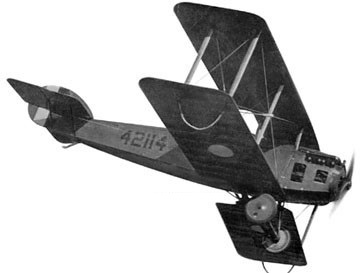
The 1918 Standard E-4 were redesignated JR-1B as a post-war single-place mail plane with a 150hp Wright-Hispano A and a longer top wing.
JR-1
Engine: 175hp Hall-Scott A-5
Useful load: 546 lb
Seats: 2
JR-1B
Engine: 150hp Wright-Hisso A
Speed: 90 mph
Seats: 2
E-4
Engine: 150hp Wright-Hispano A
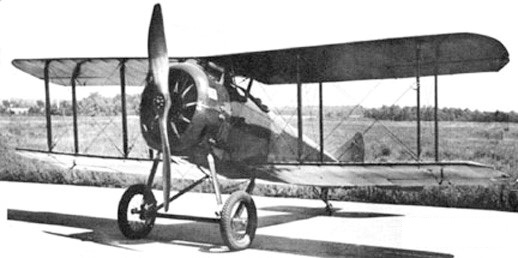
Standard Aircraft Corp made to own designs SJ trainers; E-1 single-seat fighters, used for advanced training; H-3 landplane reconnaissance biplanes and H-4-H floatplanes.
One hundred and twenty-eight Standard E-1 Pursuit Trainer were built, up to 30 with Gnôme Rhône engines (AS33769 to 33770, AS44542 to 44574, and AS47515), the 80hp LeRhône powering most (AS49133 to 49207).
Three LeRhône powered were retitled M-Defense (44575 to 44577).
AS49156 to 49212 are also seen in some records as M-Defense, but those conflict with E-1 s/ns.
Underpowered, none saw combat service. Three were converted in 1919 with lengthened fuselages as MAT experimental radio-controlled aerial torpedoes and reregistered (64228 to 64230).
E-1
Engine: Gnôme Rhône, 100hp
Wingspan: 24’0″
Length: 18’5″
Useful load: 385 lb
Max speed: 105 mph
Stall: 53 mph
Range: 200 mi
Ceiling: 14,500′
Seats: 1
E-1, M-Defense
Engine: LeRhône, 80hp
Wingspan: 24’0″
Length: 18’5″
Useful load: 329 lb
Max speed: 100 mph
Stall: 53 mph
Range: 180 mi
Ceiling: 14,500′
Seats: 1
Standard Aircraft Corp made to own designs SJ trainers; E-1 single-seat fighters, used for advanced training; H-3 landplane reconnaissance biplanes and H-4-H floatplanes.
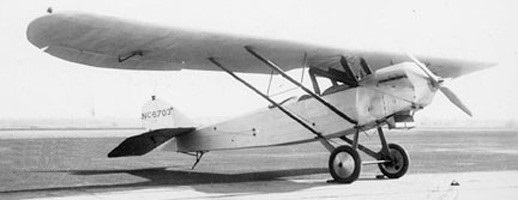
Built in 1916, the SJ was a civil trainer, modified from the J-1 as a two-place high-wing monoplane powered with 90hp Curtiss OX-5 and Sikorsky-designed wing.
Production included NC6703 c/n UNW-9, NC5469.
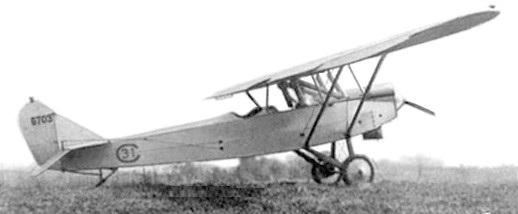
The 1917 Standard Aircraft Corp Twin Hydro, or TH-D, was a two-place, open cockpit, monoplane with twin floats; serial AS364. Only the one was built.
Engine: 125hp Hall-Scott A-5a
Wingspan: 69’2″
Length: 33’4″
Speed: 78 mph
Seats: 2
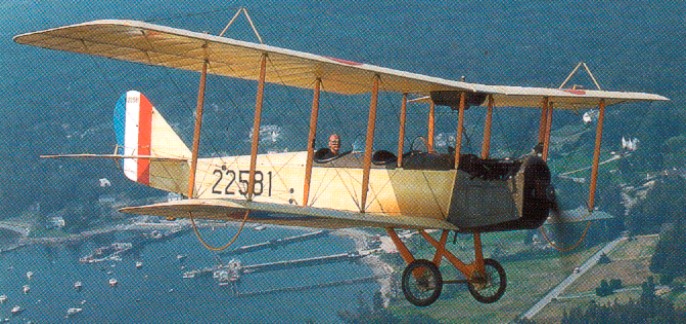
The Standard Aircraft Corp J-1 and SJ-1 of 1917 were Army trainers developed from the Sloane H-3. They are two-place, open cockpit biplanes designed by Charles H Day
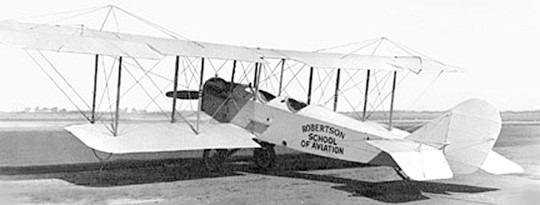
The SJ-1 had an anti-nose over tricycle gear.
The second production model cost government about $8,000.
About 800 were built.
1,601 were built as SJ-1 including those also built by Dayton-Wright (400), Fisher Body Works (400), and Wright-Martin (51) – AS193 to 208, 957 to 1056, 1660 to 2403, 4477 to 4994, 22403 to 22803, and 41208 to 41357.
Many were surplused into civil use after WW1. Walter T Varney Aeroplanes converted many J-1 to 3-4 seats in 1921, from war-surplus Standard J-1.
Engine: Hall-Scott A-7A, 100 hp
Wingspan: 43’10”
Length: 26’2″
Useful load: 513 lb
Max speed: 72 mph
Cruise: 64 mph
Stall: 40 mph
Range: 350 mi
Ceiling: 15,000′
Seats: 2
Engine: Curtiss OX-5
Useful load: 513 lb
Max speed: 72 mph
Cruise: 64 mph
Stall: 40 mph
Range: 350 mi
Ceiling: 15,000′
Seats: 2
Engine: Hispano E, 180 hp
Wingspan: 43’10”
Length: 26’7″
Useful load: 513 lb
Max speed: 72 mph
Cruise: 64 mph
Stall: 40 mph
Range: 350 mi
Ceiling: 15,000′
Seats: 2
Standard-Caproni
Standard-DH
Standard-Handley-Page
Gates-Day Standard
Anticipating eventual entry of U.S.A. into First World War, was formed in 1916 as Standard Aero Corp, with factories in New Jersey. Made to own designs SJ trainers; E-1 single-seat fighters, used for advanced training; H-3 landplane reconnaissance biplanes and H-4-H floatplanes. Also built 80 Curtiss HS single-engined flying-boats and began quantity production of Handley Page and Caproni large bombers. Also built about 140 DH-4s; total wartime output was over 1,000 aircraft.
1917: Standard Aircraft Corp.
1920: Ended operations, inventory sold to Nebraska Aircraft Co.
1928: Reorganized as (Ivan R) Gates-(Charles H) Day Aircraft Co, Paterson NJ.
1929: Reorganized as Standard Aircraft Corp to build New Standard line, aka Gates-Day Standard.
 All Aero