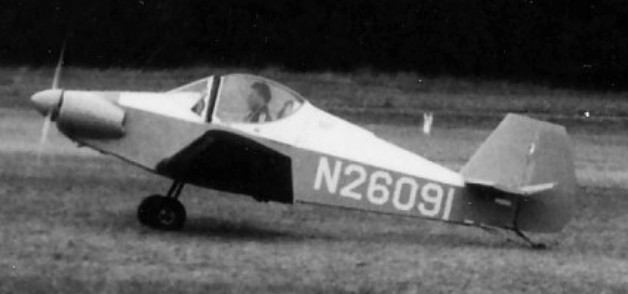
The Wickham C (N26091 c/n 1) is a fixed wing single engine experimental aircraft, built in 1975.
Engine: Volkswagen
Seats: 1
The Wickham C (N26091 c/n 1) is a fixed wing single engine experimental aircraft, built in 1975.
Engine: Volkswagen
Seats: 1
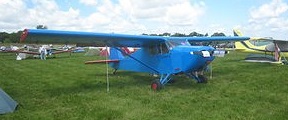
The A Bluebird built in 1955 by Boeing engineer James Wickham, N4944V, was all-metal construction. A high-wing, cabin, monoplane, first flying with a 115hp Lycoming, it was later repowered with a 135hp Lycoming.
Engine: 115hp Lycoming
Wingspan: 33’0″
Length: 21’0″
Useful load: 750 lb
Max speed: 120 mph
Cruise speed: 100 mph
Stall: 45 mph
Range: 300 mi
Seats: 4
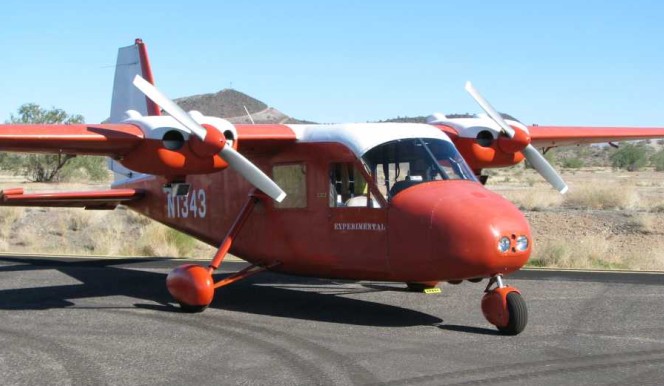
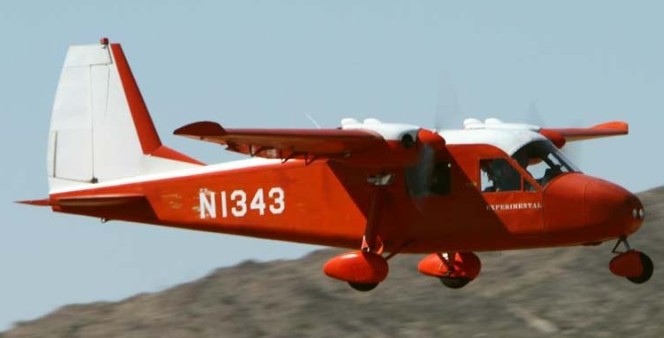
The Wickham B twin engine homebuilt aircraft was designed by Boeing engineer Jim Wickham in order to fly safely on one engine over the Seattle area, and completed in 1968.
The model B is a high-wing, fixed tricycle landing gear, all metal, twin engine aircraft. The aircraft uses all aluminum construction with fiberglass cowlings, nose cone and wheel pants. The wings are configured with Fowler flaps. The two 25 U.S. gallons (95 L; 21 imp gal) fuel tanks are independent of each other. There is no cross-feed. The aircraft uses a throw-over yoke control, similar to a Beechcraft Bonanza.
The aircraft cost US$7,000 in 1968. Help by Wickham able to purchase scrap aluminium from a Boeing surplus store at 10c in the dollar.
Jim Wickham put more than 600 hours on his craft and the Wickham B was donated to the Seattle Museum of Flight to avoid any product liability issues. The craft was later traded to the South Seattle Community College for an F-4 Phantom.
Eventually Boeing Field hanger area was to be remodeled and the Wickham B had to go. The aircraft was sold to Austin Ballard, dismantles, and moved to Everett, Washington.
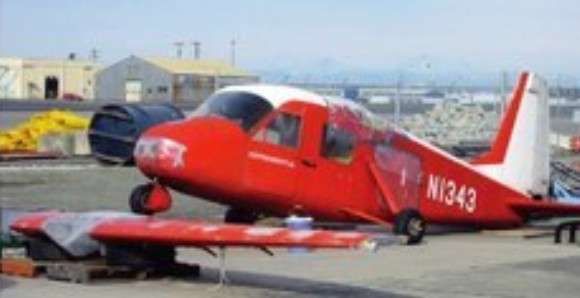
In 2002, the aircraft was sold and restored to flying condition. Many parts had been missing but were recovered. The restoration and flight was completed in 2005.
By 2012 it was owned by Curtis Clark of Scottsdale AZ.
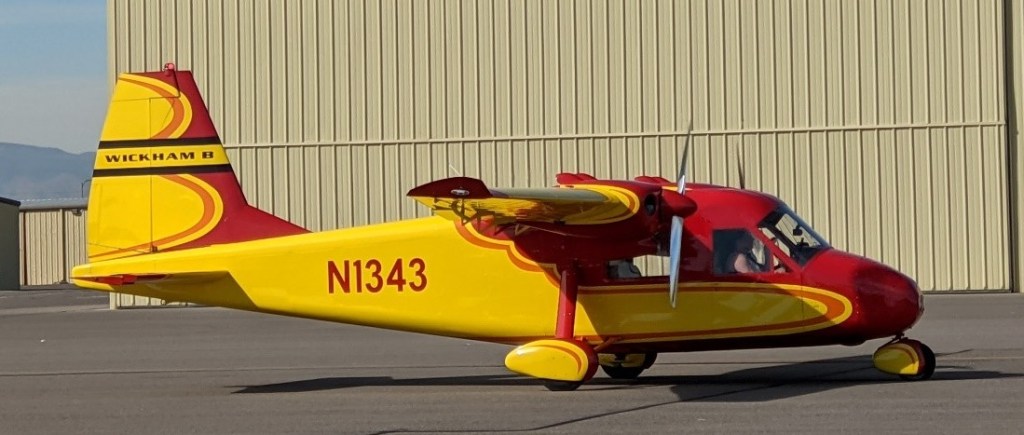
Engines: 2 × Lycoming O-320, 160hp
Prop: McCauley
Wingspan: 39′ 0″
Empty weight: 1,950 lb (885 kg)
Gross weight: 3,200 lb (1,451 kg)
Fuel capacity: 50 U.S. gallons (190 L; 42 imp gal)
Max speed: 150 mph
Cruise speed: 104 kn / 193 km/h / 120 mph
Stall: 60 mph
Singe engine cruise: 80 mph
Seats: 5
Registration: N1343
Engineer James M. Wickham had studied engineering at Ohio State University, and graduated from MIT as an Aeronautical Engineer. Wickham’s career began at Chance-Vought, then in 1938 joined the Stearman division of Boeing. Starting in the 1950s, Wickham started designing and building his own series of homebuilt aircraft.
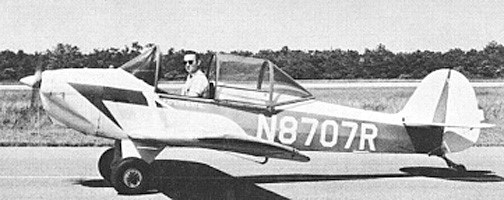
Built by Mickey Whittenburg circa 1965 and registered N8707R, the one-off aircraft was a conglomerate of Luscombe wings and cowling with parts from two J-2 Cubs and a PT-22. First flying in June 1965 powered by a 65hp Continental, the total cost was $575.00.
CT.
USA
Airplane builder circa 1965.
William T White of Dallas TX., USA, built the Longhorn in 1967.
First flying in June 1967, the Longhorn was a single place cabin, low wing monoplane.
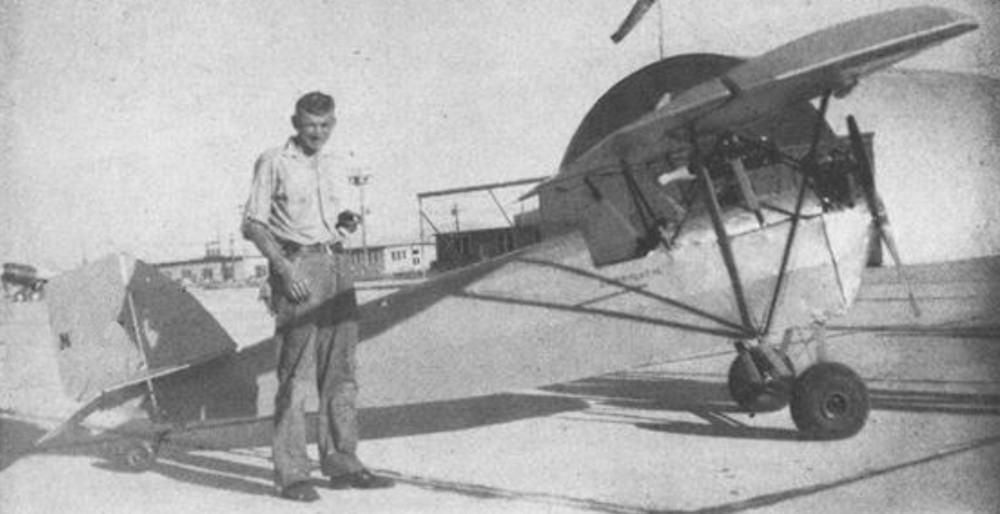
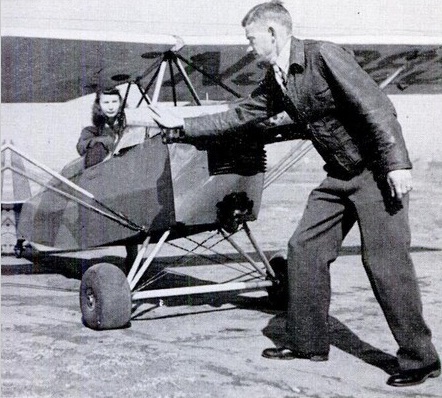
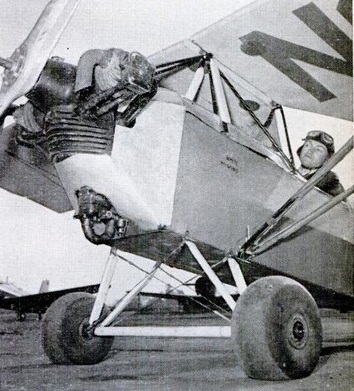
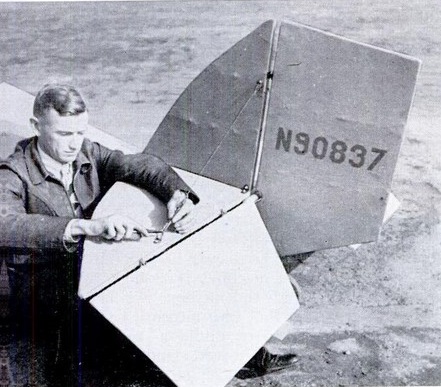
W.E.White, a Navy machinist, built himself an airplane for less than $200 in 1950. Using tubing and instruments from crashed aircraft, parts of three different engines made one good one.
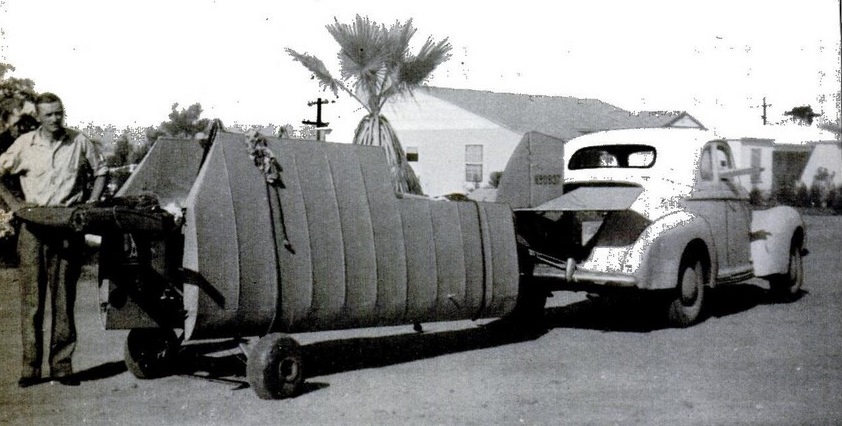
The bill for the materials was, tubing $6, Welding gas $7, spars $10, small wood parts $10, balsa to fair the struts $1, sheet metal $6, fabric and dope $50, engine $50. Miscellaneous other items brought the total to just under $200.
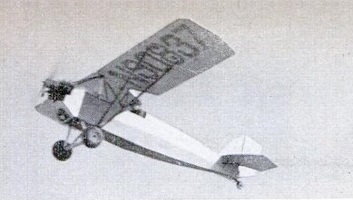
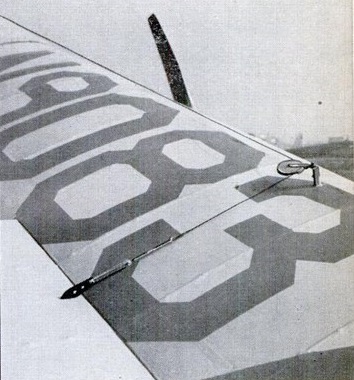
White used steel tubing for the fuselage from the pilot’s headrest forward, and spruce from the headrest to the tail. The wing is fabric covered wood. The control cables to the ailerons are mounted on top and bottom of the wings, through standard aircraft pulleys. The tires are 7×16 salvaged from an Aeronca.
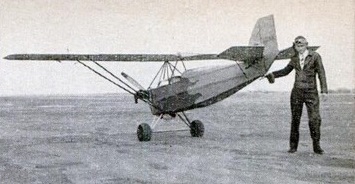
Engine: 40 hp
Wingspan: 20 ft
Length: 14 ft 9 in
Take-off weight: 450 lb
Fuel capacity: 4 USG
Cruise: 60 mph
Landing speed: 35 mph
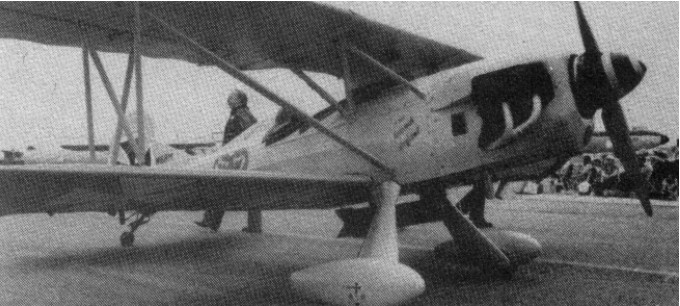
Designed by Lou Stolp & Marshall White, though modeled after World War I fighters, the Der Jager is not a replica. Its builder, Marshall White, patterned the wing shape after that of the German Albatross, the tail assembly after that of the Fokker D-7 and the gear after that of the Focke-Wulf “Strosser”. The frameworks of the fuselage and the tail group are of welded steel tube, fabric covered. The wings are wood with no flaps. The pro¬totype was fitted with a 115-hp Lycoming, but the airplane is so light that anything down to the Volkswagen 1600 engine will fly it nicely.
The prototype, N3610, first flew on 7 September 1968.
Engine: Lycoming O-235-C1, 115hp
Wingspan (upper): 20 ft 0 in
Wingspan (lower): 16 ft 0 in
Length: 17 ft
Gross Wt: 888 lb
Empty Wt: 534 lb
Fuel capacity: 24 USG
Top speed: 145 mph
Cruise: 133 mph
Stall: 54 mph
Climb rate: 2000 fpm
Takeoff run: 175 ft
Landing roll: 250 ft
Range: 532 mi
Seats: 1
Huntington Beach CA.
USA
Designer of the White Der Jäger D.IX in 1969.
 All Aero