In 1912 French automobile manufacturers Peugeot, launched a 10,000 franc competition for the first man powered man to fly 10 m (323 ft) without a motor. The prize was not won until 9 July 1921 when Gabriel Poulain made two dawn flights on his ‘aerocycle’ at Longchamps racetrack, travelling about 10.6 m (35 ft) at a height of 1 m (3¼ ft). Peugeot immediately posted a 20,000 franc reward for a 50 m (164 ft) flight, but it was never claimed.
Pioneers
Porte & Pirie 1909 Glider
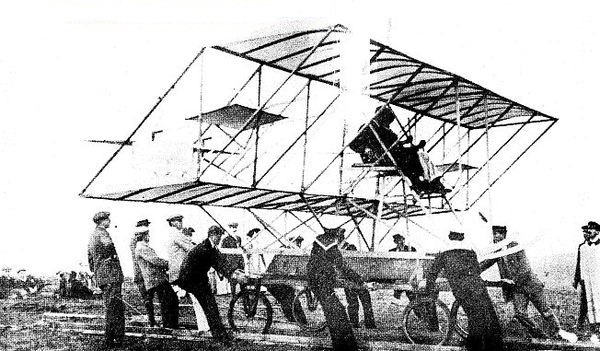
Porte and Pirie were both lieutenants in the Royal Navy when they designed and built this biplane. It was taken to Portsdown Hills, Portsmouth for a trial on 17th September 1909.
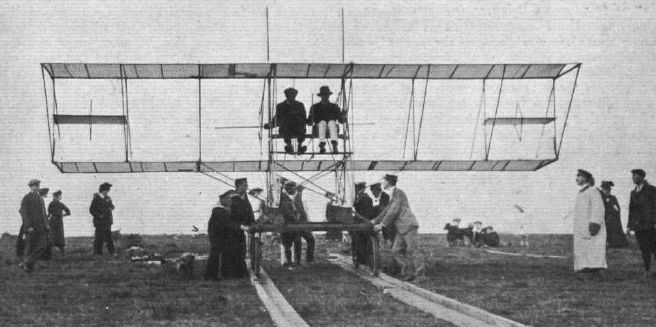
To quote “Flight” magazine for 25th September 1909; “With both officers seated in it the machine was mounted on a trolley and run along a temporary track, but it failed to rise, and eventually pitched forward and collapsed, both officers being thrown out, but escaping unhurt.” One of the designers, John Cyril Porte, who went on to have a successful career within aviation, was closely involved with the Curtiss biplane “America” intended to have made a pre-war trans-Atlantic flight.
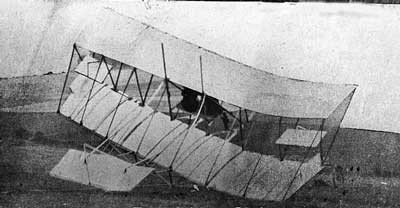
Ponzelli-Miller Aerocurvo
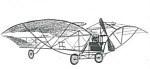
The 1909 Ponzelli-Miller ” Aerocurvo ” monoplane was designed by Riccardo Ponzelli and built by Franz Miller in Italy.
Pons Velocípedo Aéreo
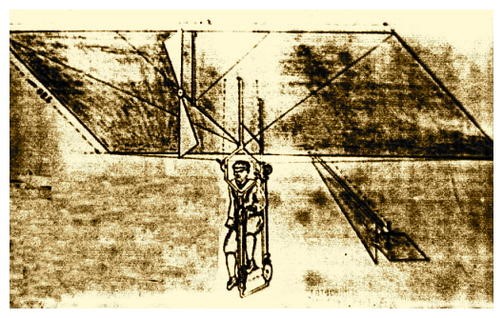
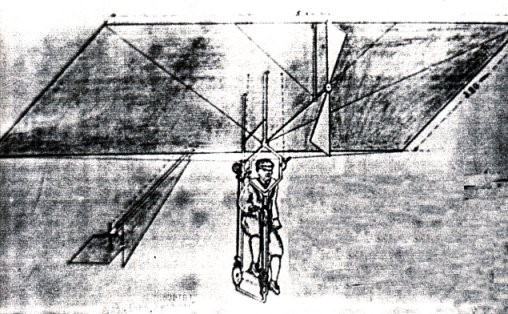
The first attempt to create the planes in Cuba dates back to 1893, when the leader of Cuban independence Jose Marti Patriot was approached Arturo Comas Pons, Cuban agronomist and journalist, to create a flying machine “to make it applicable to uses of war “, steel and aluminum.
Ponnier F-1

Former Director of the Hanriot factory at Rheims, Ponnier founded his own company around 1912 and built a monoplane which Emile Vedrines flew into second place in the 1913 Coupe Internationale d’Aviation at Reims, achieving 123mph (198km/h).

F-1
Span: upper 42’8″ lower: 26’3″
Length: 26′
Weight gross: 1210 lb
Ponnier
France
Former Director of the Hanriot factory at Rheims, Ponnier founded his own company around 1912 and built a monoplane which Emile Vedrines flew into second place in the 1913 Coupe Internationale d’Aviation at Reims, achieving 123mph (198km/h).
Ponche & Pimard Tubavion
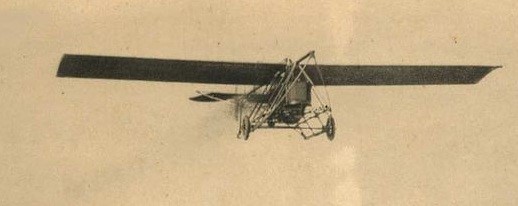
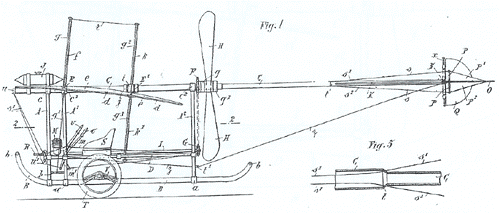
The all-metal Tubavion of Charles Ponche & Maurice Primard, the first 100% metal aeroplane built in France, went through a number of variations from 1911 onward, well into WWI.
Ponche & Pimard Tubavion Article
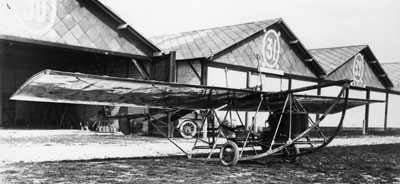
This photograph represents the 1912 version flown by Marcel Goffin at Reims or Amiens. The undercarriage and metal framework around the nacelle containing the engine and pilot are distinctive.
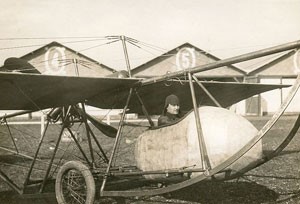
Development of the Tubavion halted when Ponche was killed in an aircraft accident on February 10, 1916.
Pompéïen-Piraud 1900 Aéroplane
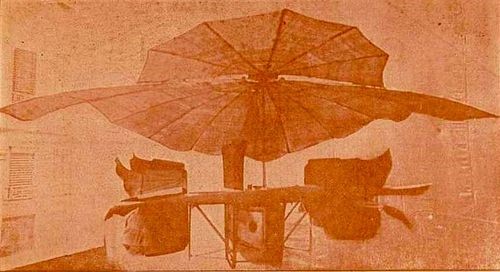
Jean-Claude Pompéïen-Piraud lived in Lyon and was of profession a dentist. His aviation journey started in earnest in 1883 when he wrote the first of his 12 works on the subject, published between 1883 and 1909. He studied the flight of birds and especially bats, making designs and models of ornithopters. Later changing somewhat to a balloon-ornithopter combination and in the end designing this machine, presented at the Exposition Internationale 1900 de Paris. Pompéïen was somewhat unlucky as besides his machine was the Avion 3 of Clément Ader (who got a “medaille d’or”). Pompéïen only received a honourable mention. As the bat-like machines of Pompéïen were continually evolving, this is most likely the second edition.
Pomar 1908 monoplane
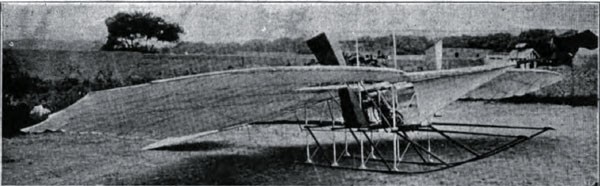
The first Peruvian monoplane. The building of this 36-foot monoplane with butterfly-shaped wings was carried out by Peruvian engineer Carlos Tenaud Pomar (1884-1911). It crashed after a low test flight, but the government sent him to study flying in France, where he qualified for his license (No. 298).
Pomar, Carlos Tenaud
Peruvian engineer Carlos Tenaud Pomar (1884-1911) built the first Peruvian monoplane. It crashed after a low test flight, but the government sent him to study flying in France, where he qualified for his license (No. 298). He brought a Blériot back to Peru, but soon had an accident, on 2 February 1911. He crashed after hitting electrical power lines and received back injuries that led to his painful death seven months later.
 All Aero