F. Raiche and C. M. Crout built a biplane circa 1909.
Pioneers
Ragot 1910 monoplane
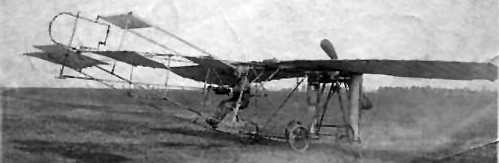
The invention of 17-year-old Henri Ragot, aided by his father, Louis F. Ragot, a sculptor, and his brother, Charles. The canard monoplane had flexible wings which were based on the study of bird’s flight. After models the concept was built in real size in the hangar of the Aeronautic Society of America (Louis Ragot was a member) in 1910.
Ragot
Henri & Louis Ragot
Adrien Lacroix
New York NY.
USA
Aeroplane builder circa 1910
Radley-England Waterplane
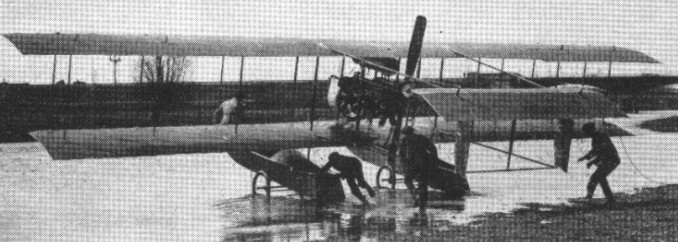
Designed and flown by E.C. Gordon England circa 1909. It had three engines, geared to a single propeller. Pilot and passengers sat in the twin floats.
The 1913 Radley England No. 2 waterplane was designed and built by James Radley and Eric England
1913 Radley England No. 2 waterplane
Span: top51′ 7.5″ bottom 45’10”
Length: 29’9″
Hull length: 18′
Quick 1908 Monoplane
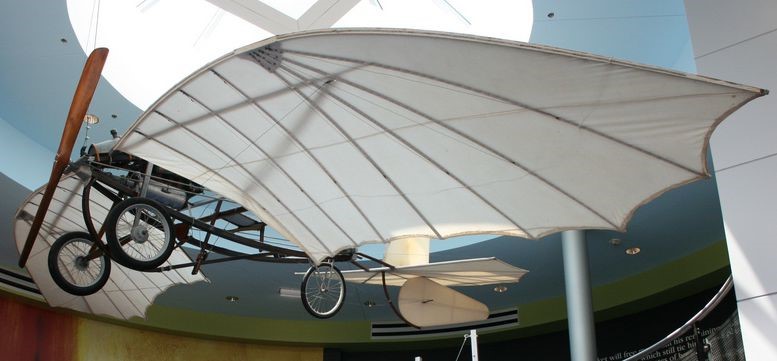
This monoplane was designed and built by William Lafayette Quick and apparently made a single flight in April, 1908 in Hazel Green, Alabama, making it the first aircraft to have flown in that state. The builders’ son, William Massey Quick, was the pilot. When the craft actually took to the air, the pilot leaned forward in order to admire the view below him. That pitched the nose down, and the craft crashed. It ended up being stored in a barn for 54 years. It’s now been restored and is on display at the U.S. Space & Rocket Center in Huntsville.
Queen Aeroplane Company Twin Monoplane / Speed Monoplane / Double Gnome Monoplane
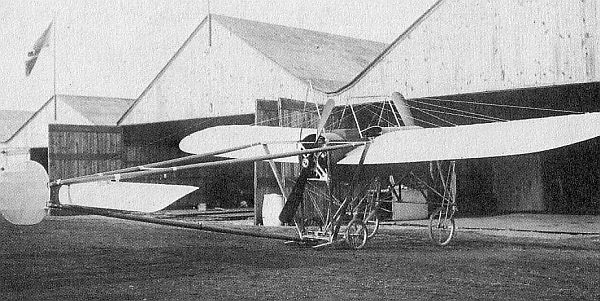
Taken at Mineola airfield, the Queen Speed Monoplane / Double Gnome Monoplane; fitted with two Gnôme rotary engines of 50 hp – the two bladed propellers driven in opposite direction to prevent torque. Its design influenced by the Blériot monoplane (Queen built Blériot XI monoplanes under license at the time), the twin engine construction was thought to be safer, that in the case of malfunction of one, flight could continue using the other. The machine was financed by the banker Willis McCormick, who was president of the New York Aeronautical Society. Built in Fort George, New York in 1911, its first flight was made by Frank Stone on July 10, 1911. Unfortunately the machine was unstable during the climb, turned and crashed, injuring the fearless Stone. The machine was ruined, never to fly again.
Span: 26’4″
Purvis-Wilson Helicopter

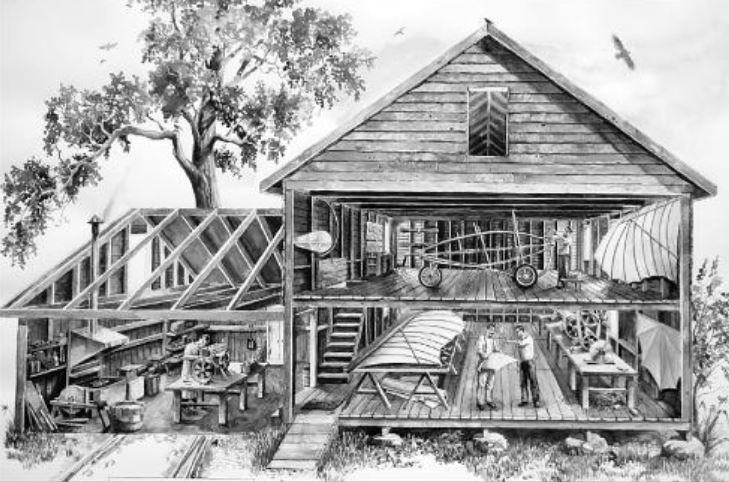
Believed to be the first rotary-winged aircraft ever patented (US patent #1,028,781), the Purvis-Wilson Helicopter of 1910 was powered by two 7hp motors. A single seater with three-bicycle-wheeled cart with a 24′ vertical shaft for two rotors, funds ran out before their creation flew outside of a brief, tethered test-hop in its barnlike workshop.
Reports claimed it later flew, untethered and piloted by Purvis, momentarily in a show for investors, then crashed and flailed itself to pieces as Purvis ran from it.
Purvis-Wilson / Goodland Aviation Co
William J Purvis, Charles A Wilson
Goodland KS.
USA
Circa 1910 built a helicopter
Prowse Model B
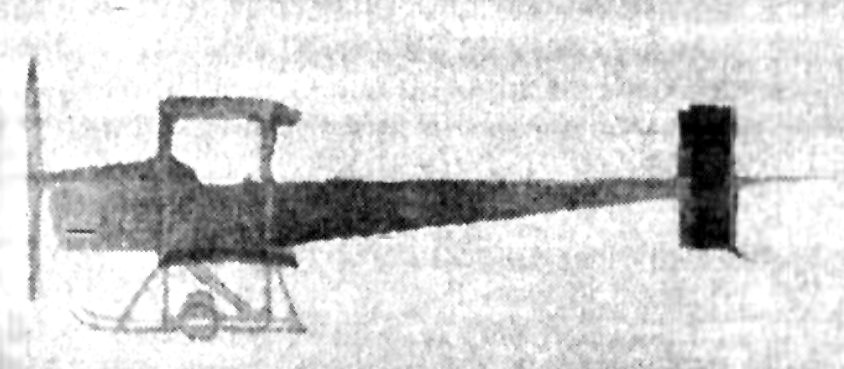
The 1912 Prowse Model B biplane was built by C.O. Prowse from Hopkinsville, Kentucky, USA.
Proudhon 1911 monoplane
The 1911 Proudhon monoplane was designed and built by Proudhon in France.
 All Aero