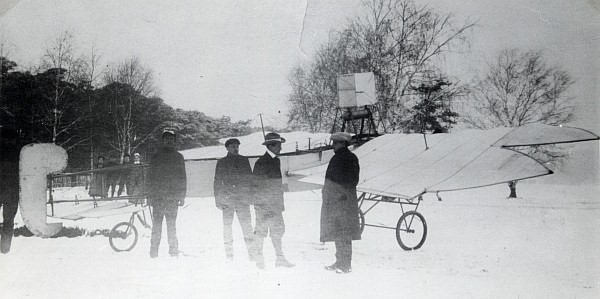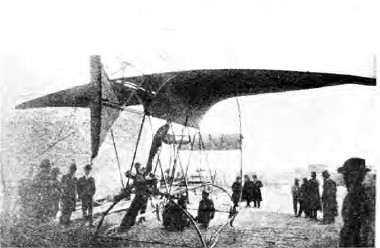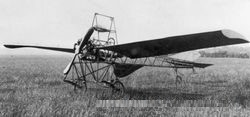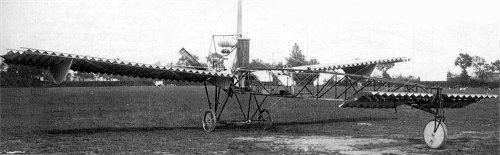
Reissner Ente / Wellblech Ente

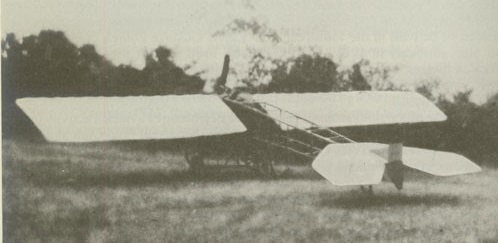
Prof. Dr. Hans Reißner built this canard in the experimental workshop of Junkers that was connected to the “Technische Hochschule Aachen”.

First flying on 23 May, 1912, in second form after having been rebuilt (in the third form, it got four fins under the mainplane).

According to G. Schmitt several versions were built and also flown. The Swiss Robert Gesell presented the machine over a few weeks in Johannisthal at the end of 1912.
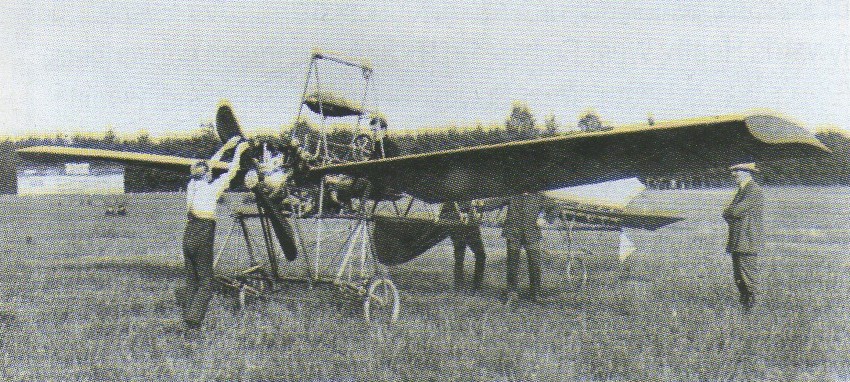
Reichelt Eindecker Nr. 1

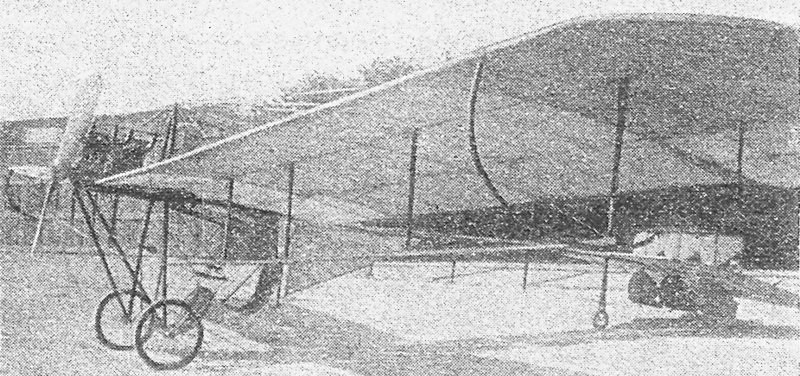
This was the first motorized aeroplane built by Hermann Reichelt in Dresden, Germany, who had previously experimented with gliders. He based the 1910 design on the famous Blériot monoplane but added some self-developed features, for example the unique split wing tips. The 16 hp two-cylinder engine was sponsored by the Gruhl motorcycle company. Ing. Gruhl and Hermann Reichelt can be seen in the foreground of the photograph. Take-off attempts with the underpowered monoplane failed.

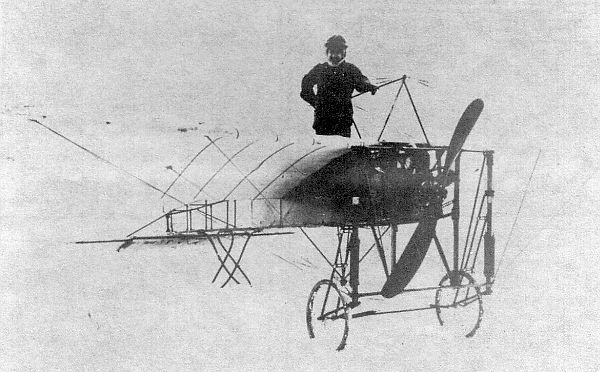
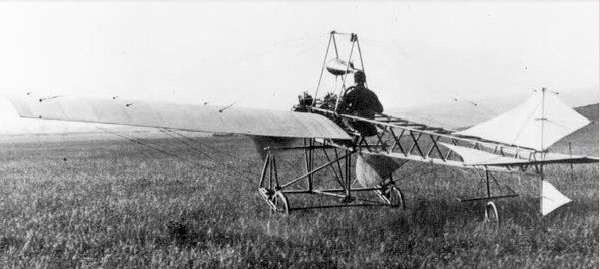
RAS Aeroplane Co Monoplane

Constructed by the RAS Aeroplane Co, at Grange Airfield, Gosport, Hants, UK, around 1909/1910, the framework was of brazed cycle tubing.

The name RAS came from the initials of the three London men who were responsible for the flying machine: Mr Reader, a barman; Mr Allen, a bricklayer; and Mr Sheffield, a chauffeur. Constructed by Vic Hutfield, the aircraft made several flights with a 24 hp or 35 hp Lascelles engine.

The person in the pilot’s seat is Oswyn George William Gifford Lywood, who eventually became an Air Vice Marshal in the Royal Air Force.

For many years it hung in a workshop roof in Gosport until sold, and was last seen on a lorry heading for London.

Engine; 35 h.p. Lascelles
Propeller; 7ft.
Wing span; 32ft 4in
Length; 28ft 6in
Wing area; 210 sq.ft
Total weight; 7001b