Founded by brothers Horace, Eustace and Oswald Short in November 1908 as Short Brothers Ltd., though Eustace and Oswald had made balloons since 1898. The capital was £600, equally shared between the brothers Horace Leonard, Albert Eustace, and Hugh Oswald.
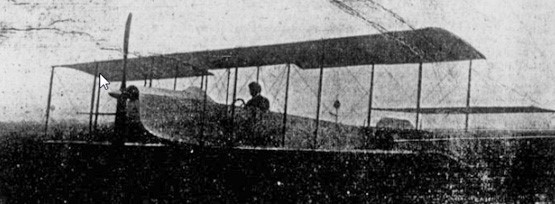
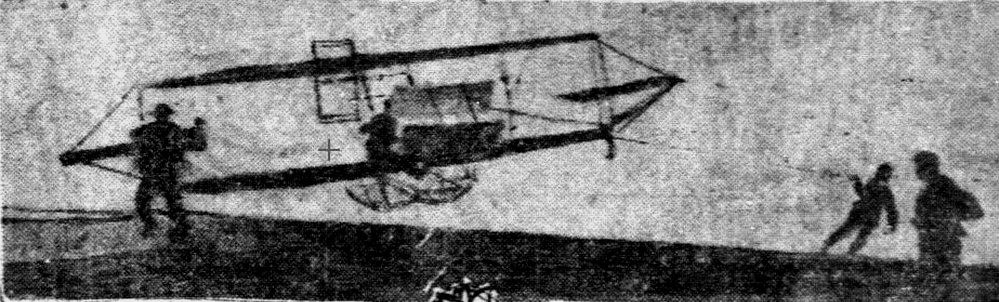
At Leysdown, Isle of Sheppey, completed first biplane glider, construction of which had begun at Battersea, London, in 1909. It was designed by Horace Short from photographs of the Wright Flyer.
Received order for six Wright biplanes, in one of which Hon. C. S. Rolls made first return crossing of English Channel.
The Short Brothers moved their factory from Battersea to Leysdown in 1909 and completed a tailess biplane of their own design.
In February 1909, Eustace Short and Wilber Wright signed a licence agreement for six of the Wright biplanes. The deal was worth £8400 to the Wright Brothers. The Short brothers already had cash buyers for the aircraft.
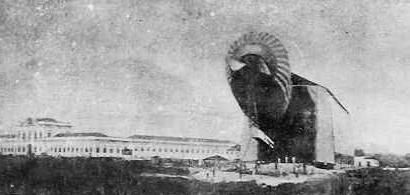
Company pioneered multi-engine and multi propeller types, and tractor biplanes with folding wings for naval use. Did more to aid development of early naval flying than any other British firm. New works at Rochester, Kent, started 1914. Most famous type was 184 torpedo-bomber, which was used at Battle of Jutland and was also the first to sink a ship at sea. During First World War established airship works at Cardington, Bedfordshire.
After First World War developed Cromarty flying-boat but diversified in other fields. Gave special attention to all-metal aircraft (Silver Streak of 1920 and derivatives) and concentrated later on large civil and military flying-boats (Singapore biplane series for RAF from 1926; Calcutta and Kent for Imperial Airways). Six-engined Sarafand of 1936 was then largest British flying-boat. Wing form developed for Scion and Scion Senior monoplanes used for famous fleet of Empire flying-boats in 1936, for equally-famous Sunderland military development; also on Short-Mayo composite aircraft and Stirling four-engined monoplane bomber.
Jointly established Short and Harland Ltd. in 1936 with shipbuilder Harland & Wolff; became British Government run 1943, leading to integration of Short Brothers (Rochester & Bedford) Ltd. and Short and Harland into Short Brothers and Harland Ltd. in 1947.
In Second World War built and had built under subcontract Short Stirling four-engined bombers and Sunderland flying-boats; also Handley Page Herefords. In 1947 Short & Harland joined Short Brothers (Rochester & Bedford) Ltd. and altered name to Short Brothers and Harland Ltd., concentrating activities at Belfast, Northern Ireland. Sealand twin-engined amphibian flying-boat of 1948 was produced in small numbers. Sandringham and Solent flying-boats used by BOAC stemmed from the Sunderland. Of great technical significance was the SC.1 VTOL (jet-lift) research program, which followed exploratory research by Rolls-Royce. First free vertical take-off made October 25,1958. Company became heavily involved in production of English Electric Canberra and Bristol Britannia. From 1963 built Belfast heavy transports (four turboprops) and many Skyvan light piston-engined transports (first flown January 1963). Twin-turboprop Shorts 330 30-passenger regional airliner flown August 1974, with Sherpa offered as freighter derivative. Much important manufacture and modification work carried out for leading international constructors and operators under subcontract.
Name Short Brothers Ltd. readopted June 1977, but named Short Brothers PLC, as part of Bombardier Aerospace Group since Bombardier acquired, in October 1989, Short Brothers of Northern Ireland.
Operating three principal business units, as Aerospace producing aircraft components and engine nacelles, Missile Systems, and Belfast City Airport. Shorts 360 36- passenger transport (first flown June 1981) followed Shorts 330/Sherpa, with final complete aircraft built by Shorts becoming the Tucano for the RAF, a variant of the EMBRAER turboprop trainer.


 All Aero