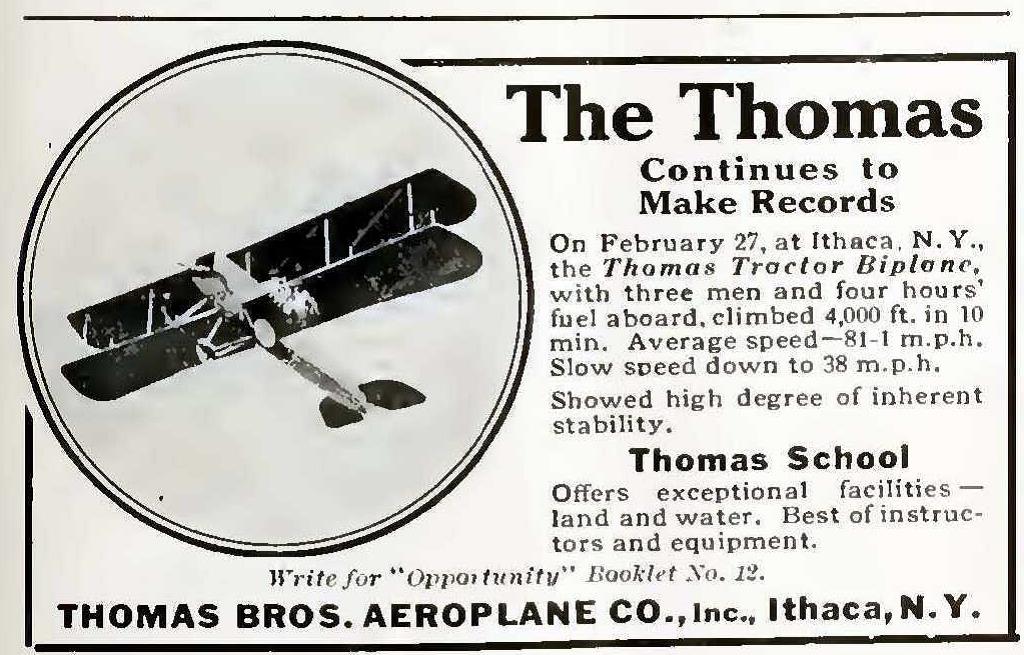
The 1912 Thomas Biplane was a single place open cockpit tractor version of the TA. Only one was built and further development was abandoned in favour of pusher versions.
Engine: 65hp Kirkham
The 1912 Thomas Biplane was a single place open cockpit tractor version of the TA. Only one was built and further development was abandoned in favour of pusher versions.
Engine: 65hp Kirkham
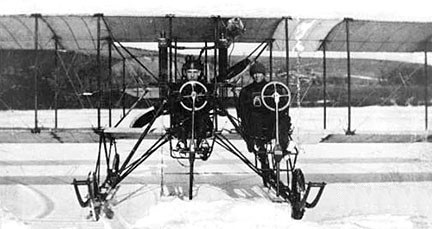
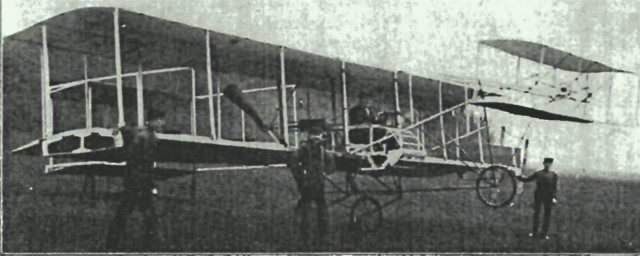
The Thomas Biplane first appeared in 1911 and was possibly the first dual-control trainer. Early versions had a four wheel undercarriage, which was changed during the time to a two double wheel and skid undercarriage.
This Thomas Biplane with 65 hp Kirkham C6 engine was used in this configuration for record flying of which the most famous one is the US Endurance record flown on October 31, 1912.
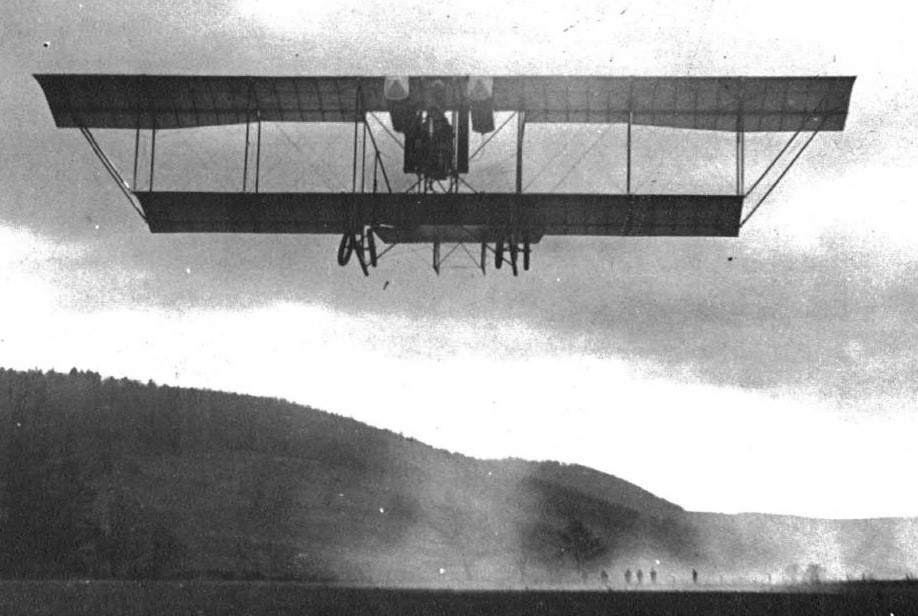
Referred to in contemporary literature as Thomas Headless biplane and Thomas 65.
Engine: Kirkham I-6, 65hp pusher
Wingspan: 31’6″
Length: 20’0″
Seats: 2
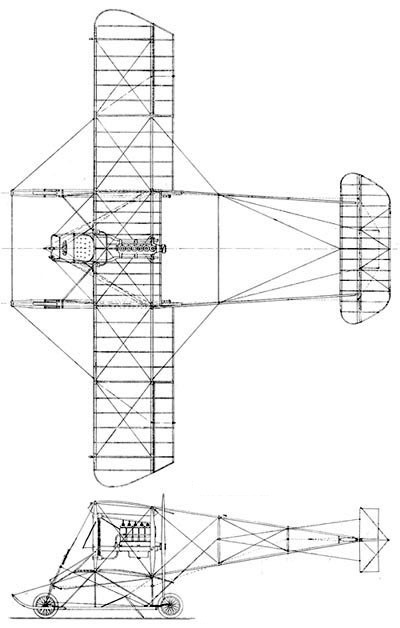
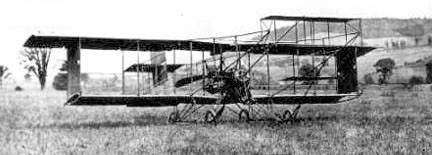
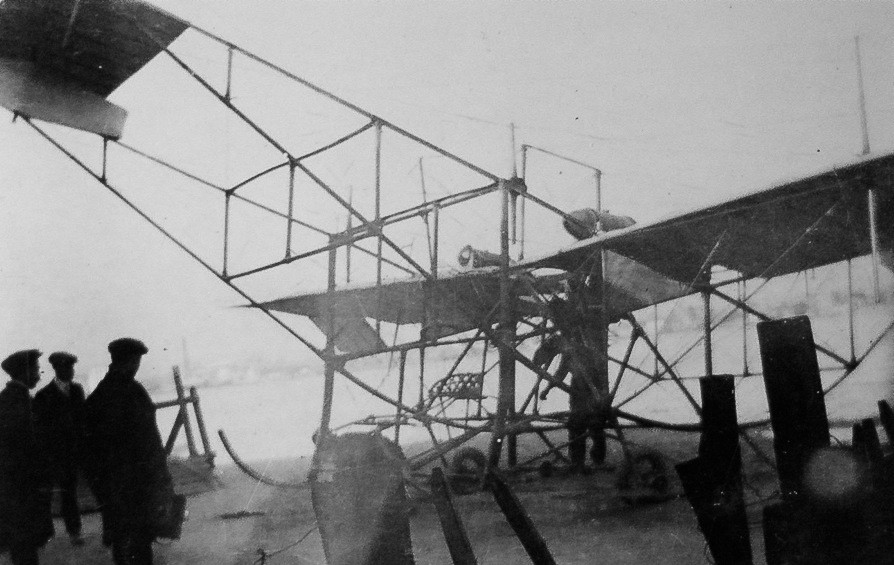
Designed by William T Thomas, the 1910 Thomas biplane was originally powered by a chain-driven 22hp Kirkham V-8 pusher engine. First flown on 25 June 1910, piloted by Bert Chambers, it was equipped with a quad landing gear with bamboo skids. It was later modified with twin rudders and direct-drive motor.
Wingspan: 27’0″
Length: 25’0″
Seats: 2
USA
1910: (William T & Oliver W) Thomas Bros Co, Hammondsport NY, USA and Hornell NY, USA.
Founded at Bath, New York, 1912 by William and Oliver Thomas, who built their first aircraft in Winter 1909-1910.
1912-13: Thomas School of Aviation Inc, Cayuga Lake NY. USA.
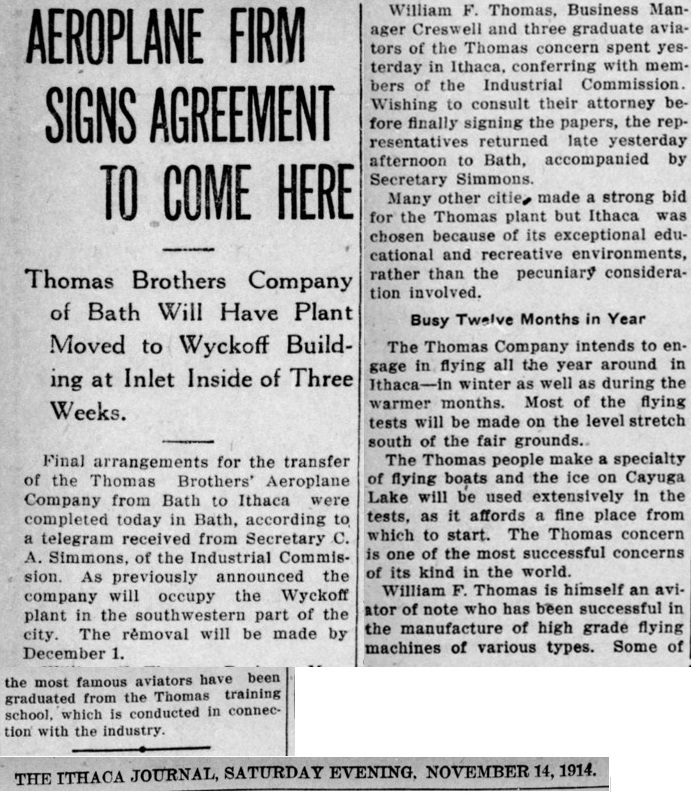
1915: Thomas Aeromotor Co.
Products included T-2 biplane (similar to Curtiss J) and D-5 two-seat observation biplane, of which two evaluated by US Army.
Merged and re-capitalised in January 1917 with Morse Chain Company to form Thomas-Morse Aircraft Corporation, Ithaca NY, USA.
Little is known about this machine, except that it was designed by Ingenieur Erich Thiele, who made some flight tests in with it in 1910, and that “Flugsport” erroneously attributed it to Stefano Amerigo. Early in 1911, Thiele created the “Sächsische Flugzeugwerke” which in November 1911 became the famous Deutsche Flugzeugwerke.
Founded in 1914 by Jay Ingram.
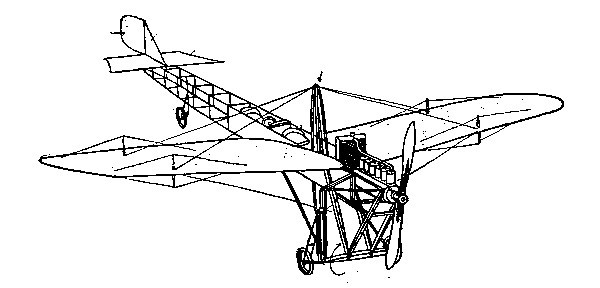
The Romanian inventor Ioan Teodorescu (French style name Jean Théodoresco) built a big high wing pusher monoplane, which flew successfully during September – November 1911 at Issy-les-Moulineux, France. Development was halted at that time, because Teodorescu ran out of funds.
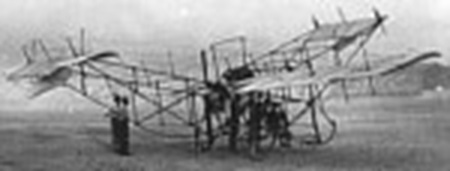
Designed by Teodorescu and built by Raymond, Lecoq, Rossi.
Span: 38’8″
Length: 37’9″
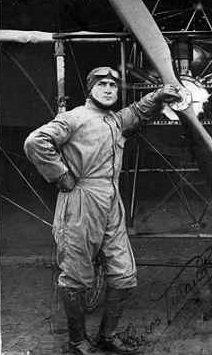
Carlos Tenaud, born in 1885, was the son of Julio Tenaud and Maria Luisa del Pomar in Peru. His name in Spanish then is Carlos Tenaud Del Pomar. Carlos Tenaud intended to build an ornithopter in 1905. He failed but the government sent him to study flying in France.
Educated at the Carnot Lyceum in France, Tenaud came to Lima with Paulet, to collaborate on his project for the school. The construction of the first Peruvian monoplane in 1908 was a 36-foot monoplane, carried out by Peruvian engineer Carlos Tenaud Pomar, at the School of Arts and Trades.
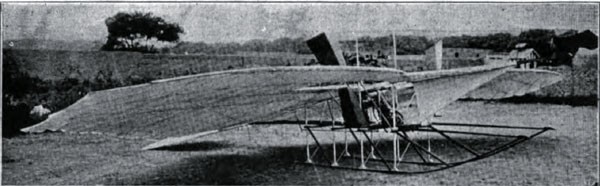
Carlos Tenaud died on 7 Sep 1911
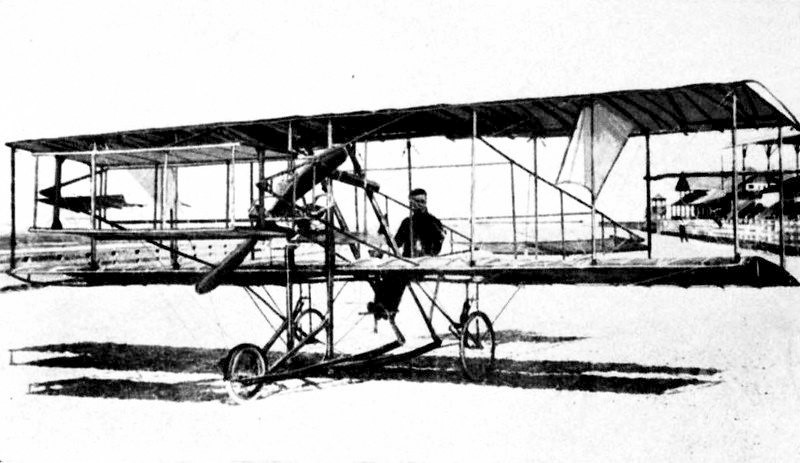
The Templeton-McMullen biplane was the first flying machine to have been built and flown in Vancouver, Canada. It was was built by William McMullen and William Templeton, assisted by Winston Templeton, brother of William . It was completed in April, 1911, and initial trials were made at Minoru Park race-track, Lulu Island. In April and May of 1911, it managed to make a few short hops – the longest being 260 feet – but it was limited by its under-powered 35 hp 3-cylinder Humber engine. The machine eventually came to grief by crashing into the railing of the race-track. It was intended to rebuild it and fit it with pontoons, but the plane was unfortunately destroyed by a factory fire.

The Tellier company mainly built monoplanes with 4-cylinder engines before its 1910 bankruptcy, but this machine with a 6-cylinder engine fits the characteristics of the two-seater “type militaire” with 55 hp Panhard-Levassor engine, displayed at the Paris Aéro Salon in Autumn 1910.
One of this type was sold to the Russian Government.
 All Aero