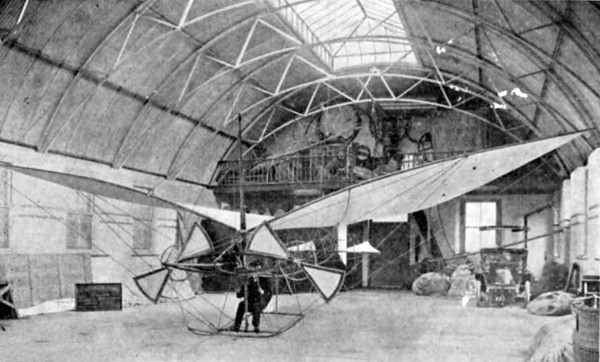
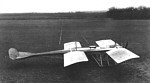
Designed by a Mr. Alvarez of Brazil, built by the firm of C. G. Spencer and Sons of Highbury and tested at Hendon with ballast instead of a pilot. It was taken to altitude of 3,000 feet by a balloon and dropped with the engine running, descending steadily to a soft landing. It had a 2 hp motor, a span of 40 ft, a wing area of 400 sq.ft and weighed 150 lbs. A larger model was planned, but nothing is known of it.
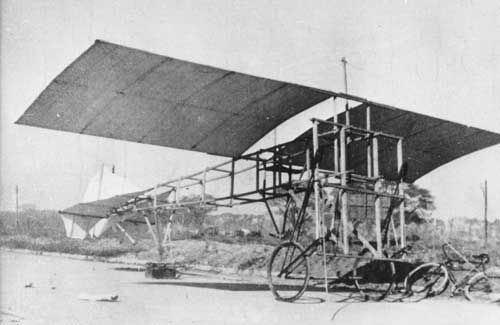
A monoplane glider built by brothers Juan Pablo (1893–1962) and Eduardo Aldasoro Suárez (1894-1968) of Mexico City. By 1908 they began to design and construct their first gliders, achieving flights of about one hundred meters. On March 9, 1909 they took the glider towards the outskirts of Mexico City and tied it to a White steam car, the fastest automobile of those days. Juan Pablo would be the pilot and Eduardo would drive the tow car. As they started moving, the glider slowly lifted the tail and finally emerged from the big dust cloud made by the car. The car continued moving for about 300 meters and then slowly decreased the speed to allow the glider to release the cable and continue flying. However, the cable did not release properly and Juan Pablo went flying above the car without being able to free himself. As the plane continued, the cable pulled it back and it somersaulted and crashed. The glider was destroyed but miraculously Juan Pablo was alive with only a fractured leg. He had managed to control the glider for more than 480 meters in stable flight at a height of 10 meters. This accident, and others undergone by Eduardo, did not discourage the brothers, since they both eventually qualified for pilot licenses in the USA.
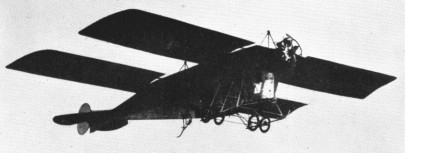
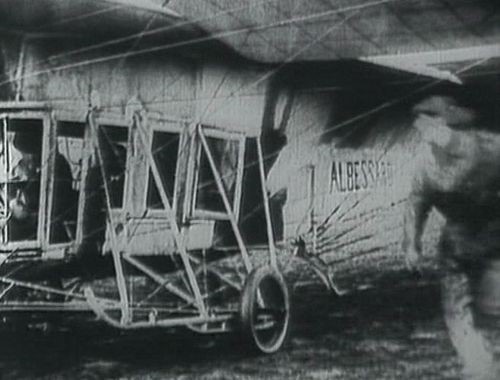
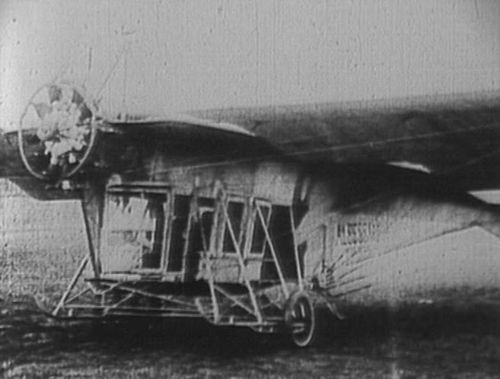
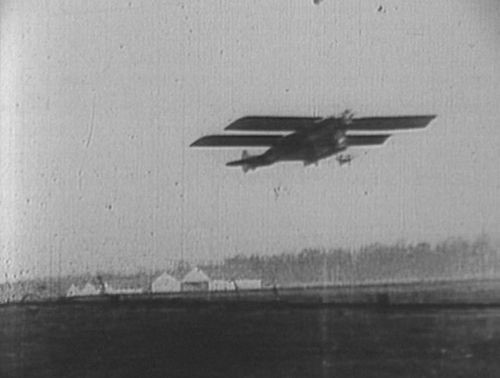
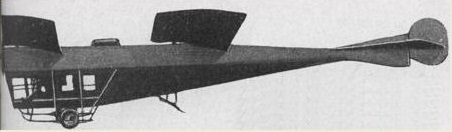
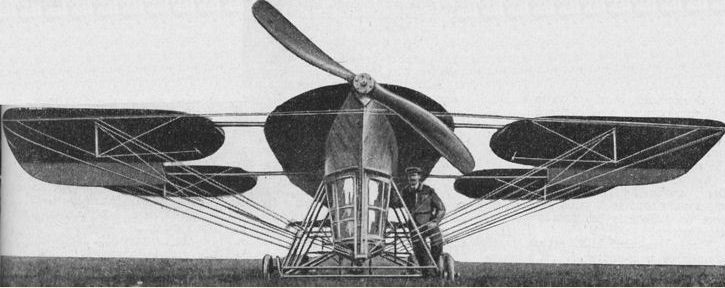
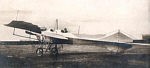
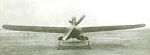
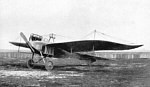
First actual built design of Lucien-Joseph-Antonin Albessard; although not necessarily named “La Balancelle” at the time. Built in 1912, the Albessard La Balancelle experimental aircraft had tandem wings.
Albessard tried to design a comfortable passenger aeroplane that would prevent stalling in alternating wind conditions, therefore he arranged the wings around an enclosed cabin to help keep the aircraft in the stream. Jules Vedrines tested the machine and noted that it was underpowered.
The design “Autostable” was efficient and research continued until 1926.
 All Aero