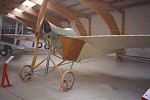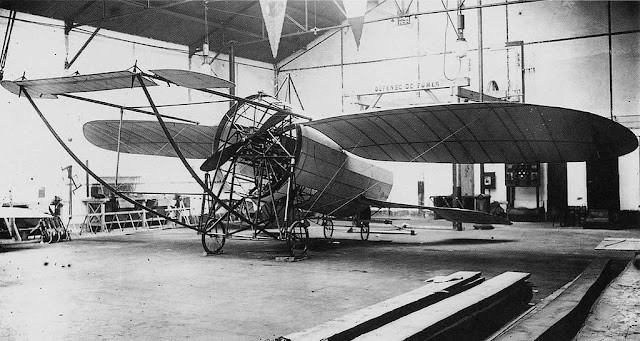
Bertrand U1

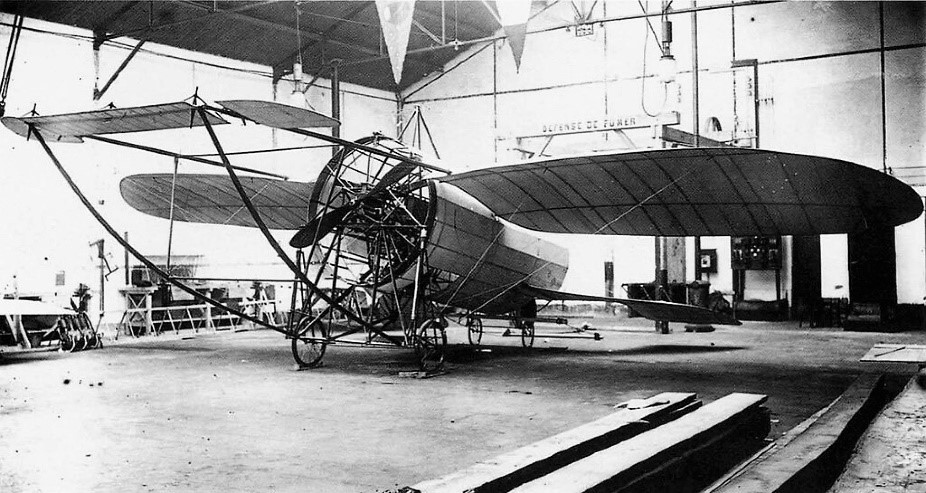
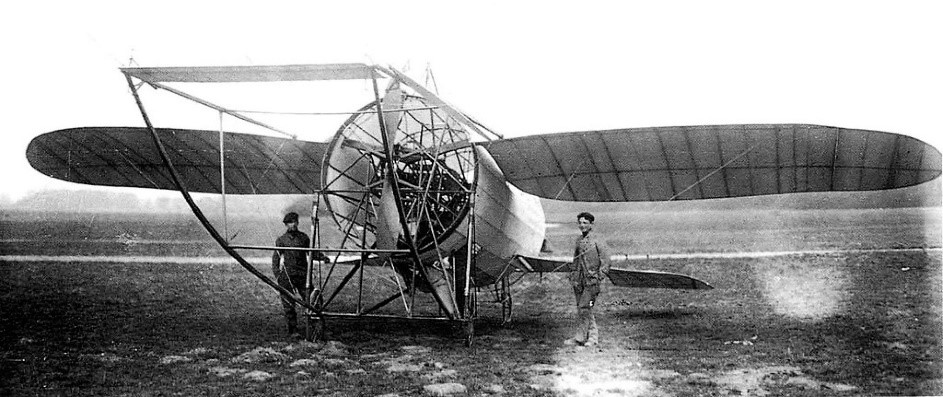
Aeronautical engineers have known for many years that the efficiency of a propeller can be improved by placing it in an annular channel. At the same time, the additional mass and aerodynamic resistance of the channel can often negate the achieved increase in the efficiency of the power plant. Some designers sought to solve this problem by turning part of the fuselage into an annular channel.
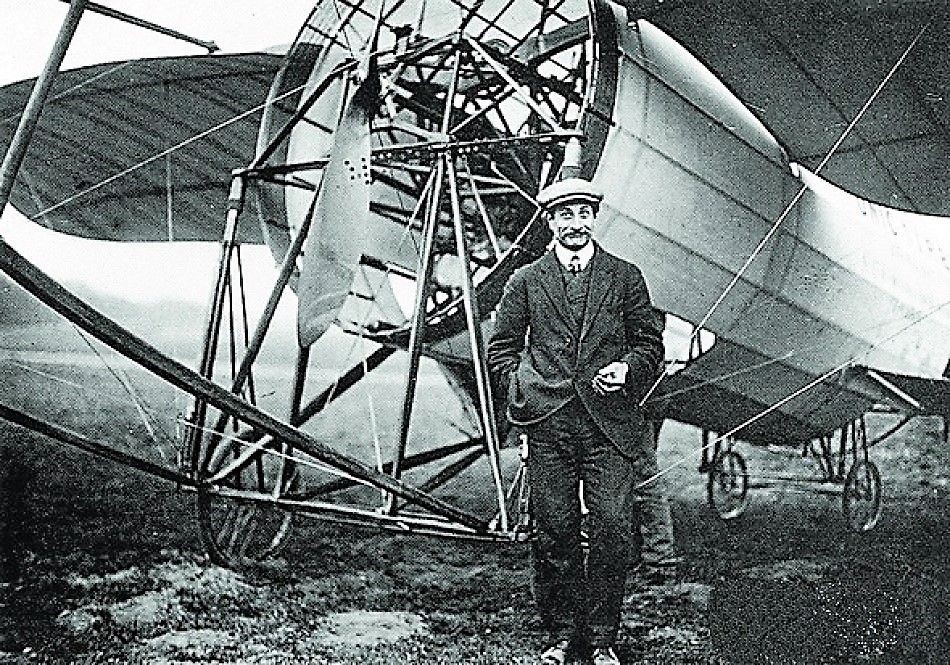
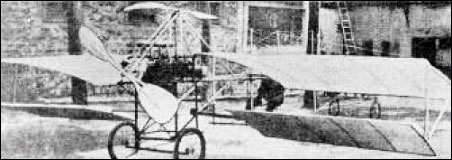
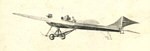
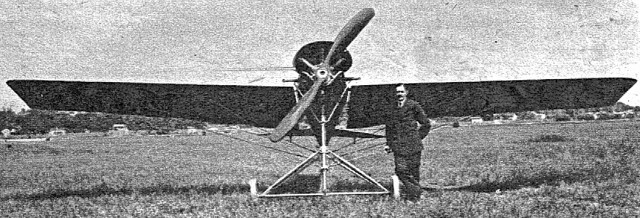
One of these aircraft was the monoplane Bertrand U1 (Bertrand Unic 1). This French “tunnel” aircraft built in 1909 had a number of unique features. One 30 hp Unic engine. (22 kW) set in motion two propellers, each of which was installed at opposite ends of the tunnel (diameter 2 meters). According to the aerodynamic scheme, the aircraft was a “duck” equipped with an additional tail unit. The ailerons were not installed on the wing (span 13.40 m), but on the ends of the PGO.
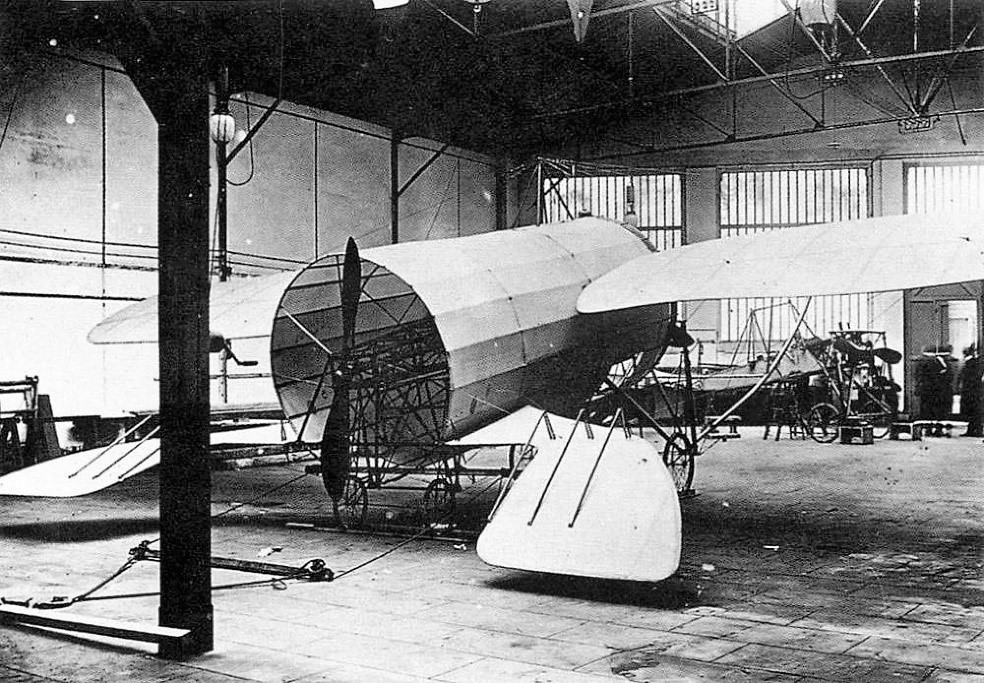
Engine: 30 hp (22 kW) Unic.
Wingspan: 13.40 m
Wing area: 40.00 sq.m
Normal takeoff weight: 461 kg
Seats: 1
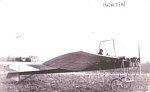
Bertin Compound Helicopter

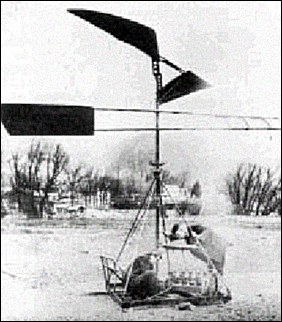
In France in 1908, Bertin, a motorcyclist, and Boulline, a mechanic from Puteaux, built a machine with variable incidence angle biplane wings, a 2.2m tractor propeller and a 2m lifting propeller. Bertin built a 150hp flat eight-cylinder motor (weighing 120kg) to power the 433kg vehicle. It could hop off the ground for a few feet, but lacked adequate control to achieve any stability.

Berry Airship

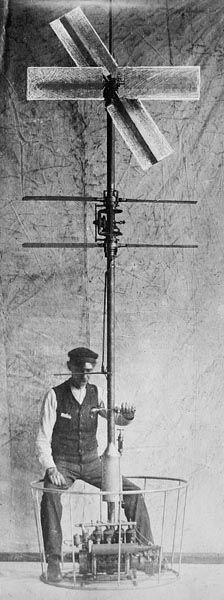
John Berry was a builder of balloons in St. Louis who in 1907 was slated to race his airship in the dirigible races held in conjunction with the Gordon Bennett balloon race. For unknown reasons it was never tried and no photos of it are known to exist. This photograph shows the patented airship mechanism without the gas bag.

Berry, John

John Berry (1849-1931) was an inventor, mechanic, car-dealer, and builder of balloons in St. Louis who in 1907 was slated to race his airship in the dirigible races held in conjunction with the Gordon Bennett balloon race.

Berry made his first balloon flight on a smoke balloon, in 1862 at the age of 13 from Rochester, N.Y., and his first gas balloon flight the following year. “The Dean of American Aeronauts”, Capt. Berry made more than 500 balloon flights during his aeronautical career which lasted sixty years; his last flight taking place in 1922.

Berliner-Williams Helicopter

The first manned US vertical flight machine appears to have been developed by Emile Berliner and John Newton Williams. Berliner was an inventor who developed the disk-type phonograph record and designed what may be the first production rotary aircraft engine, the 36hp Adams-Farwell engine. In 1908, Williams constructed a coaxial machine for Berliner using two of these rotary engines. It reportedly lifted both Williams and the machine, a total of 277kg, but was probably steadied from the ground.

In May, 1908, Williams built another stand in Hammondsport, New York, as a member of the famed Aerial Experiment Association (which included Alexander Bell and Glenn Curtiss), using a 40hp Curtiss engine. It made hovers around 1m, again steadied from the ground.

Bertèlli Aerostave

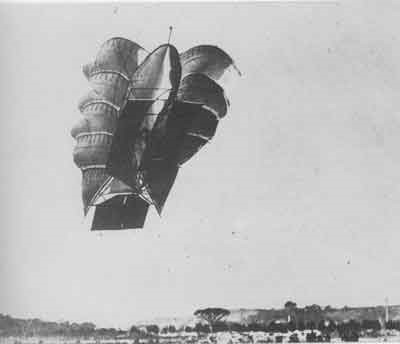
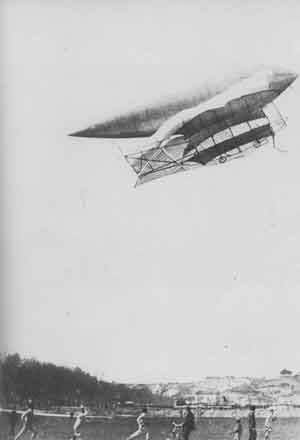
Shown in Rome in 1905, the “Aerostave” was financed by the Italian industrialist Achille Bertèlli (1855-1925). As a consequence the machine is commonly known as the Aerostave Bertèlli. The man who designed the machine was Vittorio Cordero di Montezemolo, who in 1903 published his ideas in a study of aerial navigation. The complex multi-wing structure was eventually built at the Surcouf factory in Paris. There, powered by a Levavasseur engine of 22 hp, trials were performed fitted with a gas bag, thus giving it additional lift in the manner done in 1906 by Santos-Dumont when testing his No. 14-bis.

Berg & Storm Type II / Type III

This 1910 machine was designed by Olaf Berg (aerodynamic expert) and Louis Storm (statics expert) for the shipbuilders firm Burmeister & Wain in Denmark. Olaf Berg was one of the early flying pioneers in Paris in 1908, where he saw Farman, Blériot and Levasseur fly at Issy-les-Moulineaux. It was powered by a three-cylinder Nielsen engine. The type III was bought by the Danish army and served until 1914. It currently resides in the Denmark Flymuseum.

Wingspan 8.8 m / 31’2″
Length 8.3 m / 26’3″
Height 2.1 m
Weight empty: 770 lbs
Speed: 60 mph