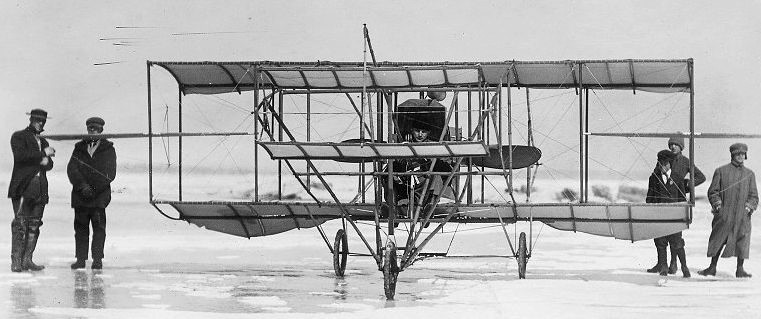
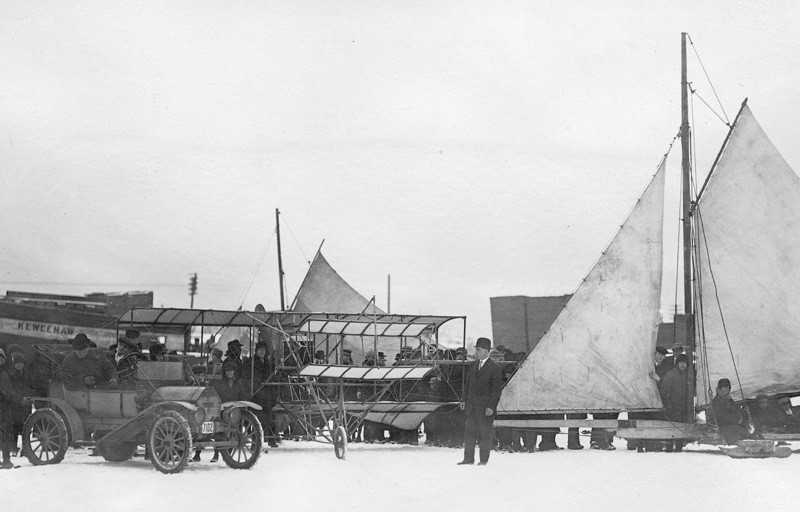
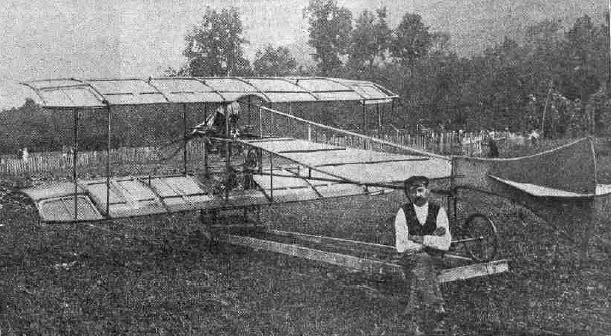
George J. Bing was one of Sandusky, Ohio’s prominent businessmen. He operated a carriage, bicycle, and automobile repair shop at West Adams and Tiffin Avenue and held the distinction of being the first to build an airplane in the city of Sandusky. In 1911, he constructed this biplane, modelling it after the Hudson flier flown from Euclid Beach to Cedar Point by Glenn Curtiss in 1910. It was tested on the ice of Lake Erie, but apparently never flew.
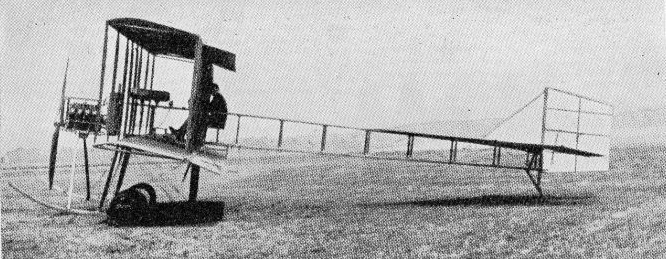
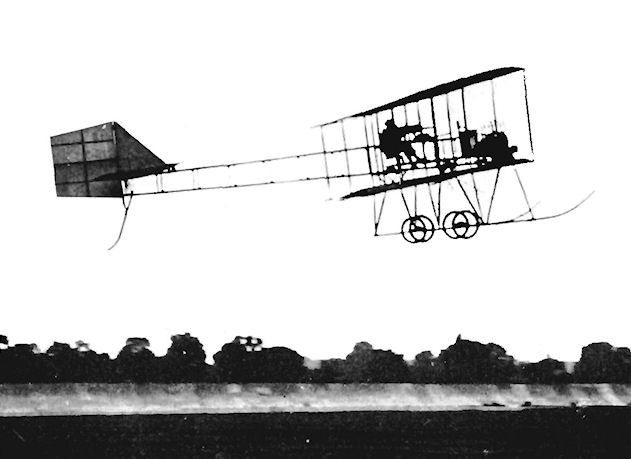
The 1911 Billing biplane was designed and built by Eardley Billing at Brooklands in the UK during 1911. It was a single-seat tractor built from C.A.Moreing’s discarded Voisin.
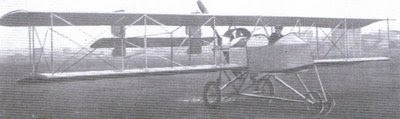
The Billing tractor biplane was constructed using the wings of the Voisin pusher of C.A. Moreing. The engine was a 40 h.p. ENV Type D. It was originally flown with an uncovered fuselage but fabric was added later.
The machine was in use from May 1911 to the end of the season, becoming nicknamed the ‘Oozley Bird’. Billing was, at that time, in charge of the Lane Gliding School at Brooklands and for a brief period at the begining of 1912 was in charge of the Deperdussin School at Brooklands. Eardley and his wife Ada also ran the Bluebird restaurant at Brooklands until its closure at the outbreak of war.
The Billing biplane was crashed on 4 October 1911 by N.S. Percival, who rebuilt it as the Percival Parseval I at the end of 1911. Percival had completed the tests for his Royal Aero Club Aviator’s Certificate No.111 in the machine on 1 August 1911.
Eardley Delauny Billing was born in 1873 in Kensington, London, the son of Charles Eardley Billing, a Birmingham iron-founder, and his wife, Annie Emilia Claridge, and the elder brother of Noel Pemberton Billing.
The Billing tractor biplane was constructed at Brooklands during 1911. Billing was, at that time, in charge of the Lane Gliding School at Brooklands and for a brief period at the begining of 1912 was in charge of the Deperdussin School at Brooklands.
Billing had previously made a ground trainer, the Eardley Billing Oscillator, at Brooklands which was exhibited at the Stanley Show in November 1910.
Eardley Billing died in Colchester in December 1915.
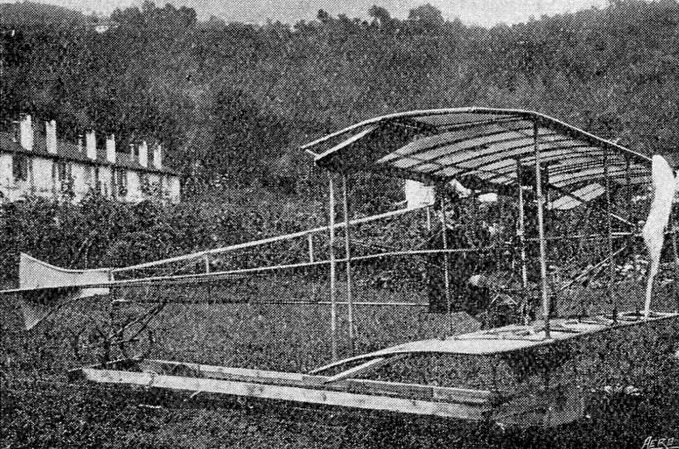
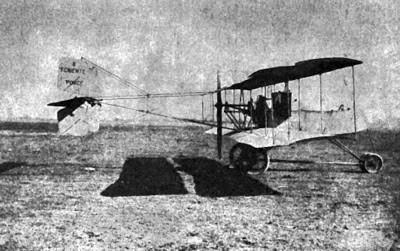
This machine was owned by M. Betteo and built by A. Caravaggio, who also provided the four-cylinder air-cooled “semi-radial” engine, which was placed immediately in front of the pilot and drove the propeller via a long shaft. The tail surfaces were fixed, but the incidence of the wings could be changed by 35 degrees by a patented mechanism, thereby achieving pitch control.
The plane made some short flights at an altitude of 3-4 m in late 1910, in Pallanza on the shores of Lago Maggiore in northern Italy.
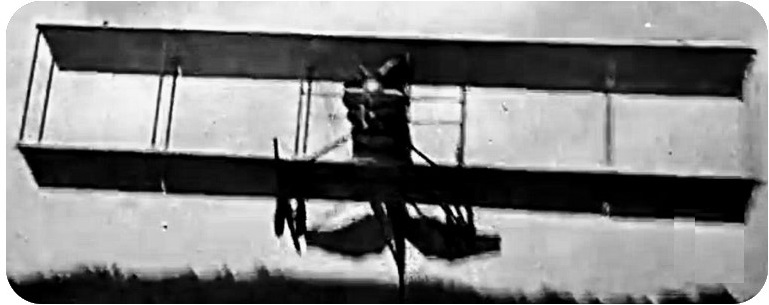
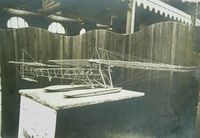
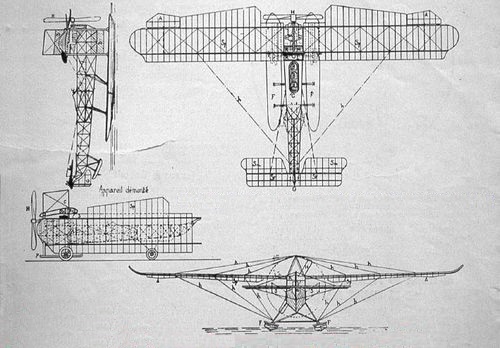
The Marcel Besson canard hydroplane was exhibited as a model at the Grand Palais in Paris, which hosted the 1912 Exposition Internationale Aéronautique (Salon de l’Aviation), along with a full scale landplane. A full scale hydroplane, powered by an 80 hp Gnôme, was built and tested in late 1912.
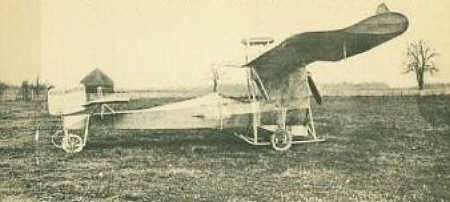
The 1911 Besson canard monoplane was designed by Marcel Besson and built by Louis Clement.
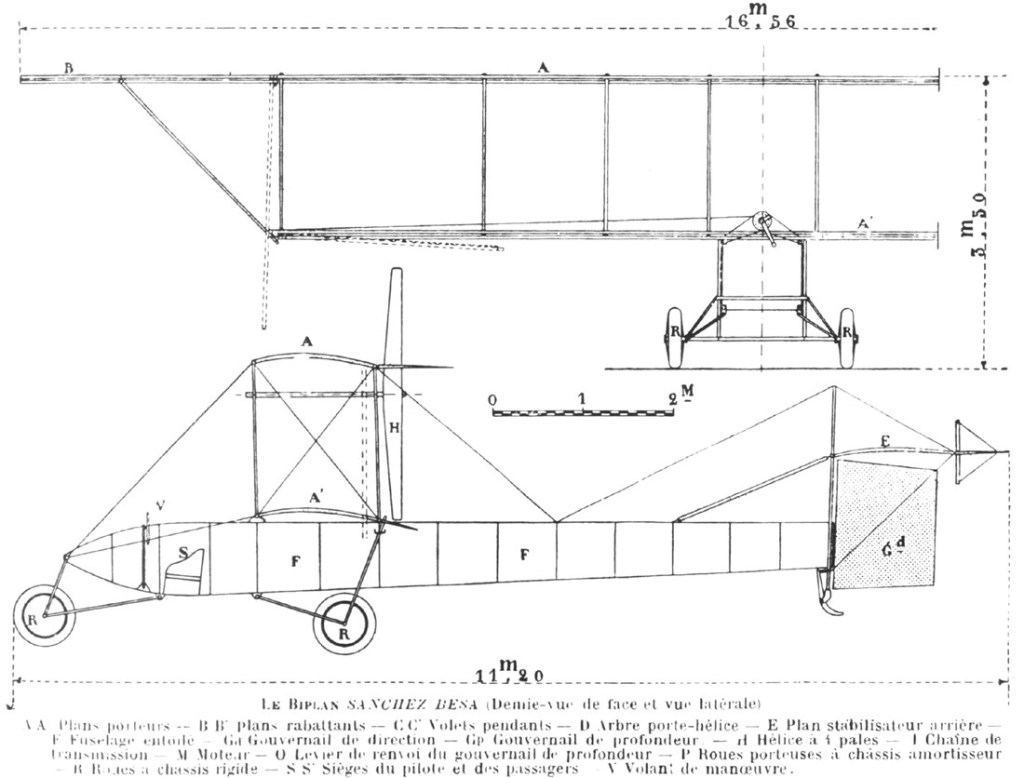
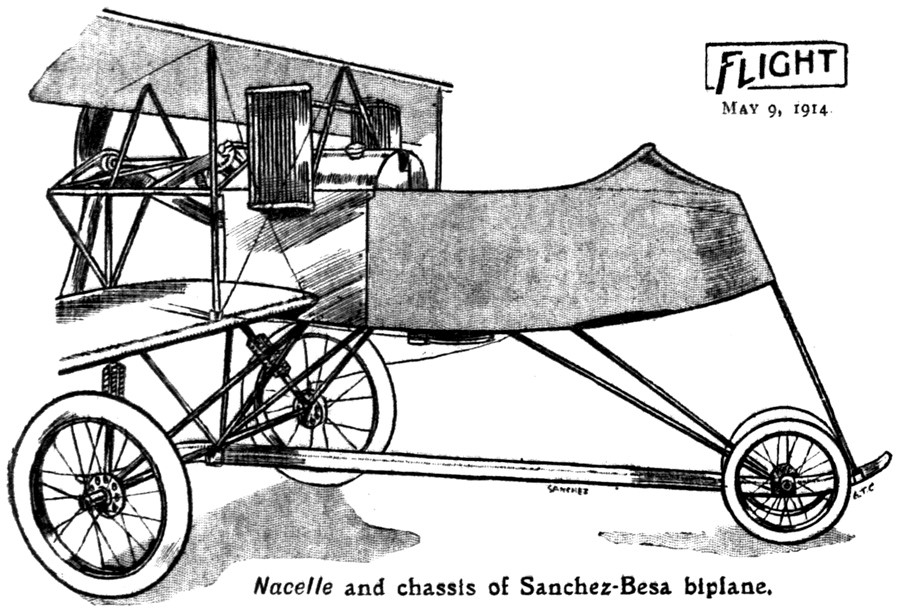
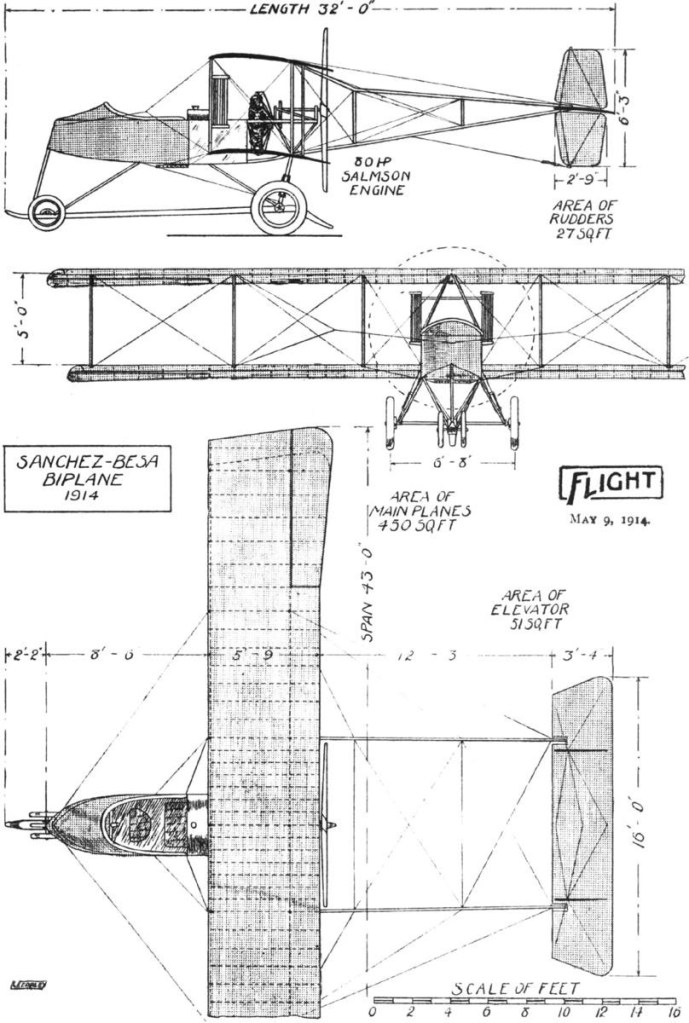
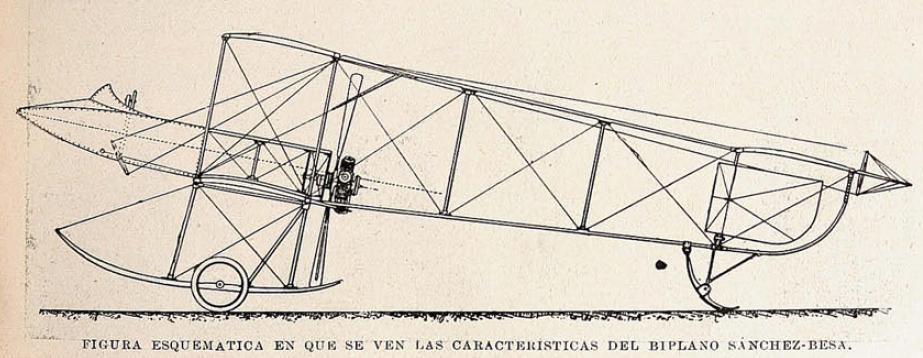
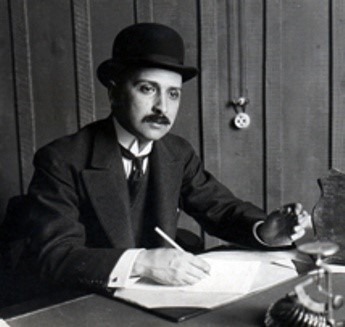
José Luis Sanchez Besa was born in Santiago, Chile, on February 13th, 1879. He came from a wealthy family that had made its fortune in the sugar industry. He thus had the money to live a bohemian life. He moved to France as a young man and studied law and engineering. He became interested in aviation and ballooning. He became a friend of Alberto Santos-Dumont and closely followed the Brazilian’s first flights in 1906.
He made his first flights in July 1909, becoming the first Chilean to fly. Together with his compatriot and friend Emilio Edwards Bello he bought two Voisin planes. One of them was entered at the 1909 Grande Semaine of Reims, but since the two Chileans hadn’t learned to fly it was reportedly piloted by Léon Bathiat. The brand-new machine wasn’t correctly rigged and only made some ground runs, but they were invited to the meetings in Berlin and Hamburg later in the year, where their appearances resulted in damaged machines.
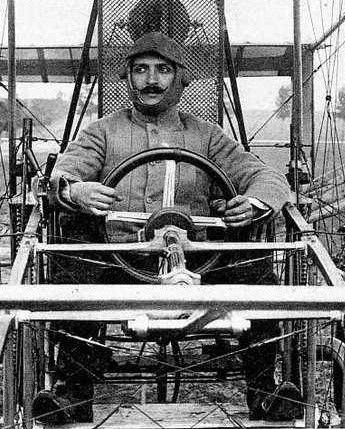
Sanchez Besa at the steering wheel of a Voisin
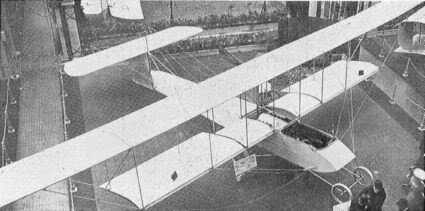
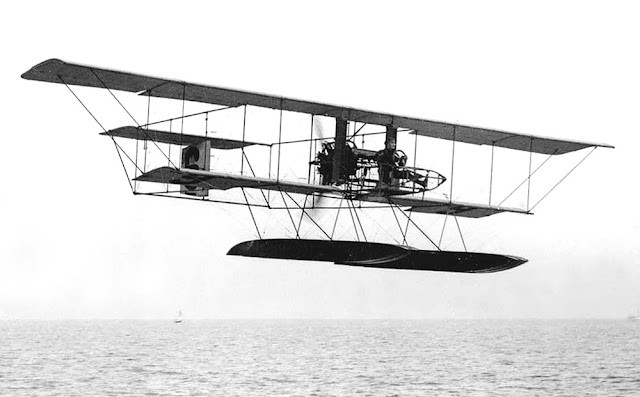
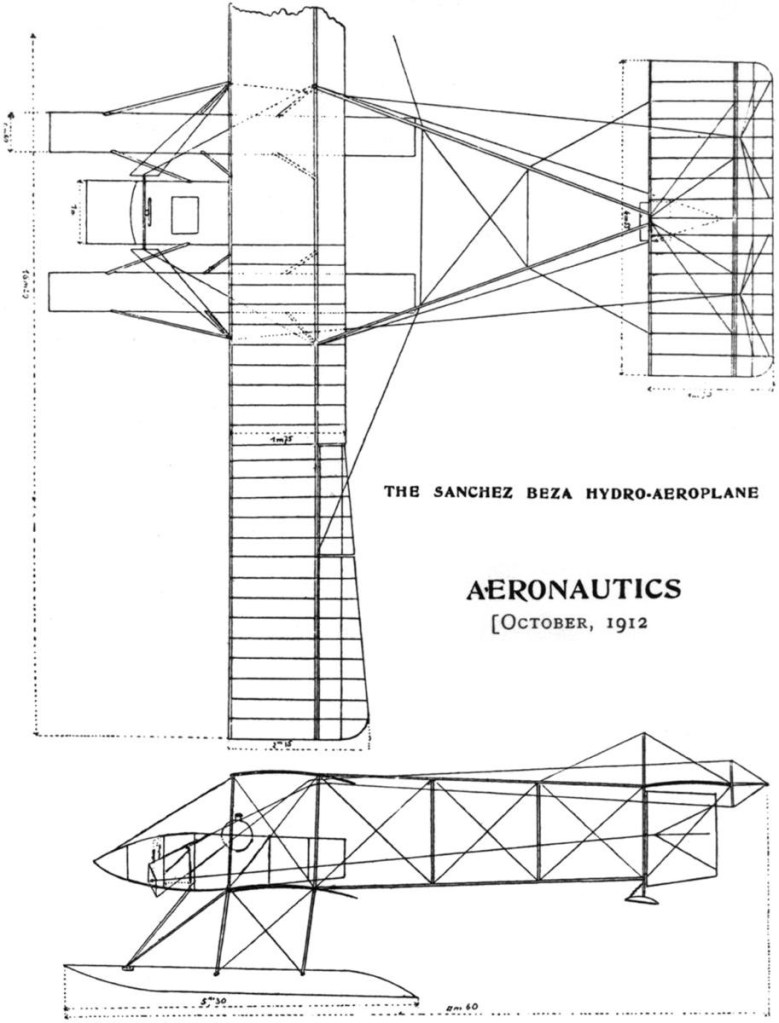
Sánchez Besa started a flying school at Reims and began producing his own machines at Boulogne-Billancourt, first inspired by Farman and later by Voisin designs. When Émile Train and Roger Sommer left the aviation industry he bought their factories. His first designs were not very successful, but later seaplane designs, developed together with Léon Bathiat, were more successful. Several were sold and participated in meetings in 1912-1914.
Some of Besa’s aircraft were used by the Chilean Military Aeronautics.
During WW1 his factories where involved in licence production of Breguet, Sopwith and Caudron machines and according to himself employed some 2,000 people. Since there was no demand for aircraft after the war they were used for maintenance of railway cars and manufacture of boxes, but in 1921 “Etablissements Louis Clement et Sanchez-Besa” displayed a “venetian blind-type” multiplane machine.
José Sánchez Besa passed away in Paris on March 2nd, 1955, after a heart attack.
He was granted French “Brevet de Pilote” (Pilot’s Licence) No. 155 on August 9th, 1910, having made the qualification flights on a machine of his own make.
José Sánchez Besa participated in the following air race meetings: Reims 1909 Berlin 1909
 All Aero