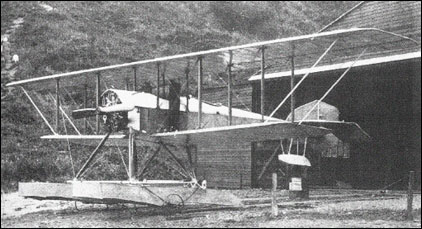
1914
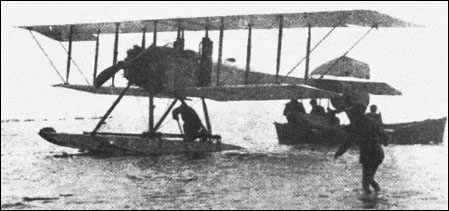
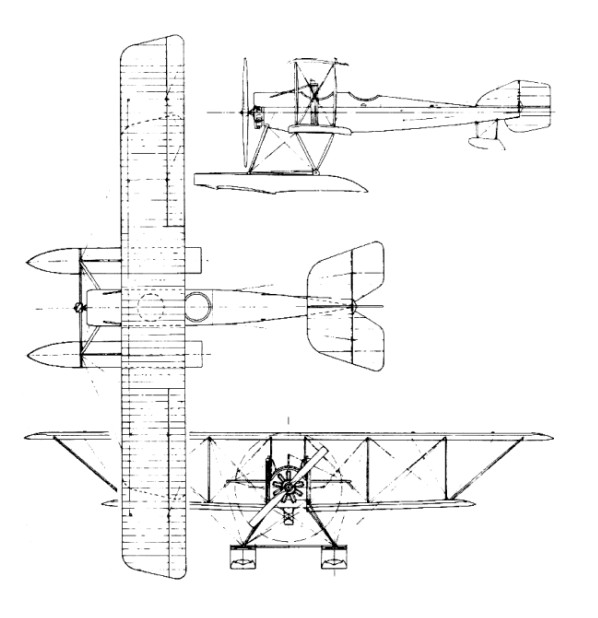
1914
Developing precious designs, Blackburn built a two-seat version designated Type I, the first of these flying in August 1913. Powered by an 80-hp (60-kW) Gnome rotary engine, the Type I carried out a considerable amount of flying before another Type I followed. A single-seater with the same engine, and in turn an ‘Improved Type I’ appeared. It, too, saw much use, and was rebuilt eventually as a floatplane trainer with an Anzani engine for the Northern Aircraft Co. at Lake Windermere. Many pilots of the Royal Naval Air Service received their basic training on this ‘Land/Sea Monoplane’, before it was written off on 1st April 1916
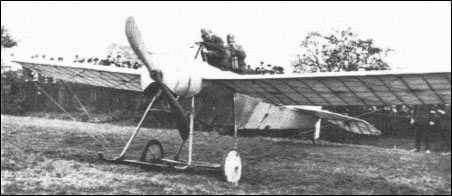
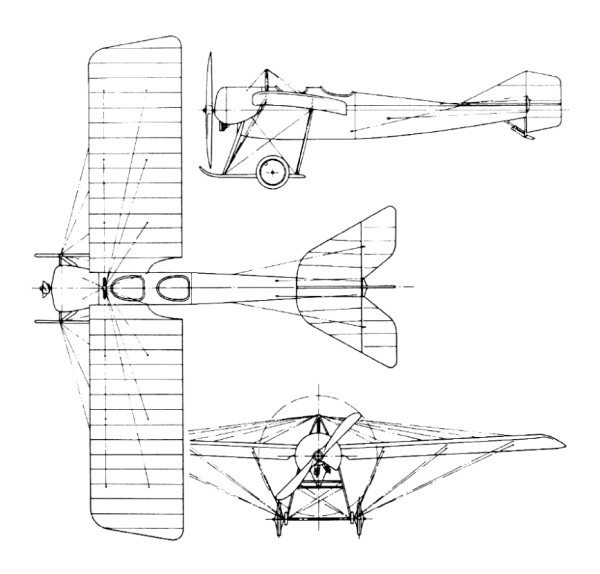
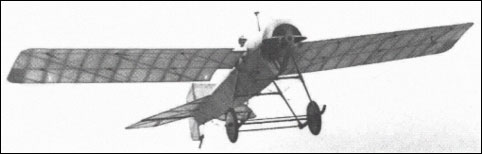
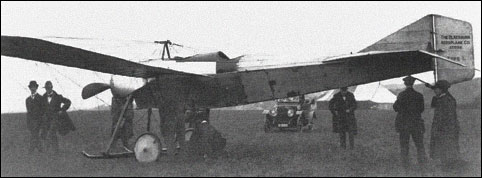
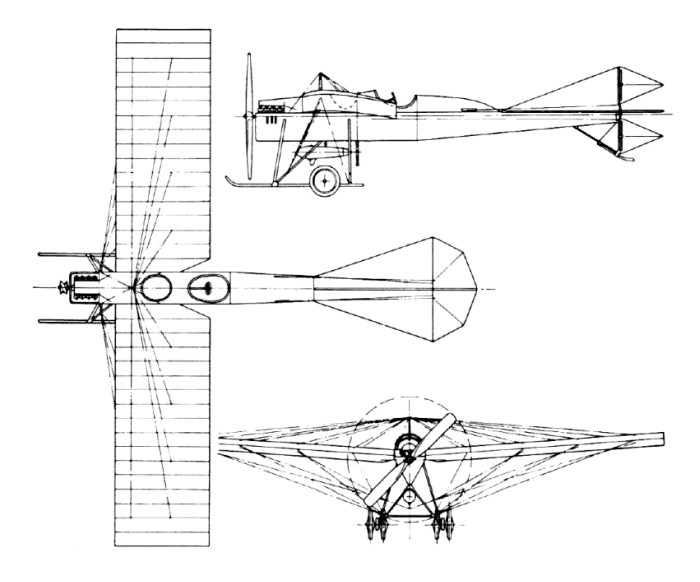
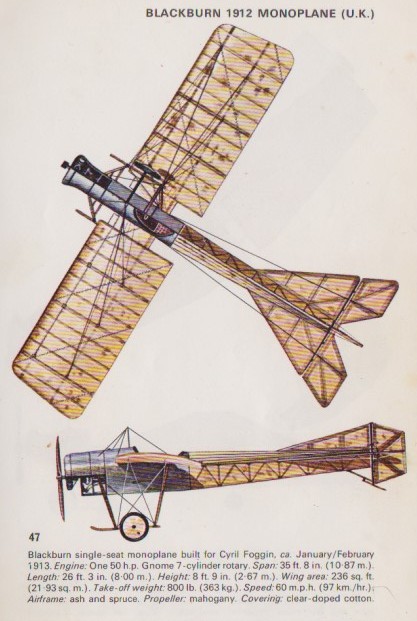
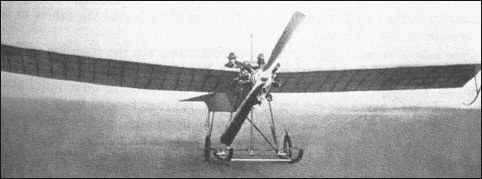
Following the Blackburn Type Es, Robert Blackburn’s next design was the Single-Seat Monoplane sometimes refered to as the Blackburn Type D, built for Cyril Foggin in 1912. A wooden, fabric-covered single-seat monoplane which, for the first time, Blackburn fitted a rudder bar in preference to his “triple steering column”.
The aircraft first flew late in 1912. Some modifications followed in time: the engine cowling was extended into a semicircular shape to discourage the discharge of smoke and hot oil from the rotary into the cockpit; the wing tips were slightly rounded; and the crook-shaped skids were replaced by ones of ‘hockey stick’ form.
First flown in 1912, it was powered by a 50-hp (37-kW) Gnome rotary engine and accumulated a considerable number of flying hours before it was almost destroyed in a crash of 1914.
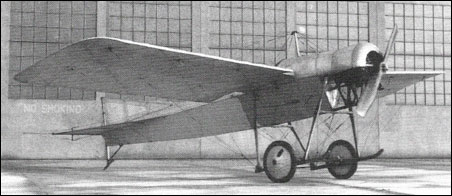
Blackburn used the Type D for a series of demonstration flights from Lofthouse Park, situated between Leeds and Wakefield, from March to May 1913. He also flew to neighbouring towns: to Stamford, dropping leaflets; to Harrogate, where he landed; and on three successive days in late July to York, carrying bundles of the Leeds-printed Yorkshire Post. Foggin sold the aircraft on to Montague Glew, who crashed it in 1914 on the family farm at Wittering, where the remains lay untouched until discovered by Richard Ormode Shuttleworth in 1938. Restoration was undertaken at Old Warden, flying again on 17 September 1947. Although only a single example was built, it has the distinction of being the oldest airworthy British aircraft.
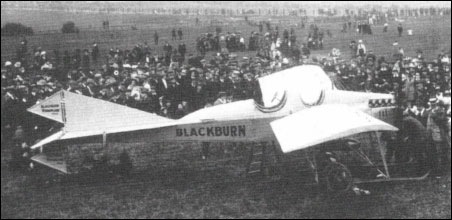
Nine months before competitive trials were scheduled on Salisbury Plain, Robert Blackburn built two monoplanes with the designation Type E. The first completed, in April 1912, was a single-seater powered by a 60-hp (45-kW) Green inline engine, built for Lieutenant W. Lawrence, for use in India. That idea did not come to fruition.
The other Type E two-seater, built for the War Office trials, was completed in June 1912, and was powered by a 70-hp (52-kW) Renault ‘V’ engine, which proved too heavy for flight. Blackburn then went on to his next design, The Single-Seat Monoplane.

The need to train pilots led Blackburn to develop a larger, two-seat monoplane, which he christened Mercury. The Mercury was the third aircraft built by Robert Blackburn at the factory in Leeds. Powered by a 50hp (37 kW) Isaacson radial engine, it was a two-seater and flew early in 1911 flying from the beach at Filey with the newly formed Blackburn Flying School. The new machine, sometimes known in retrospect as the Mercury I, joined the Second Monoplane at the Blackburn Flying School.
The Mercury I was displayed at the Olympia Aero Show in March 1911.
In May 1911, it flew from Filey to Scarborough and back in 19 minutes at an average speed of 50 mph, reaching an altitude of 1200 feet. This aircraft crashed the next day when the engine seized and the propeller flew off.

Interest had been aroused in the Mercury and orders were received for eight aircraft. The first two, known under the designation Mercury II, were single-seaters, each with a 50-hp (37-kW) Gnome rotary and were built for the Daily Mail Circuit of Britain contest, which offered £10,000 in prize money. The first machine was lost in a take-off accident, while the second, being converted to a two-seater, and later being revised as a school machine with wings of greater span and receiving the designation of Type B. Of the remaining six Mercurys, the first (Mercury Passenger Type or Mercury III) had a 60-hp (45-kW) Renault engine, the second a 50-hp (37-kW) Isaacson engine, the third, fourth and fifth machines were powered by the 50-hp (37-kW) Gnome rotary, and the sixth had an Anzani engine of similar power.
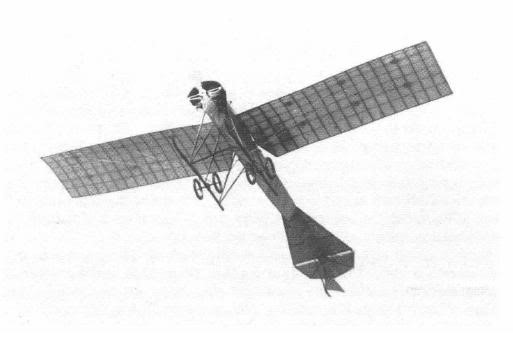
Reported in November 1911, Hurbert Oxley had the new Blackburn passenger machine out. This is fitted with a Renault motor and had just been completed. He made one or two straight flights, taking the pupils as passengers, at its first appearance. Next day he was again out trying the same machine. Several short flights were made with passengers. The estimated speed of this machine is 65 mph when fully loaded.
The Renault engined Mercury crashed at Filey in December 1911, killing an instructor and passenger.

Other Blackburn Monoplanes were built for private owners and examples were shown at the Olympia Aero Shows in 1911 and 1914, and also took part in the Daily Mail sponsored Circuit of Britain Race in 1911.

Constructor number 725 was built in 1912 for Cyril Foggin. Stored at Wittering by Francis Glew until 1938 it was again stored during WW2 In 1947 it was restored to flying condition.

Mercury I
Engine: 1 x 50 hp Isaacson
Wing span: 38 ft 4 in
Length: 33 ft
Gross weight: 1000 lbs
Max speed: 60 mph
Number built: 1
Mercury II
Engine: 1 x 50 hp gnome
Wing span: 32 ft
Length: 25 ft
Gross weight: 750 lbs
Max speed: 80-85 mph
Number built: 1
Mercury III
Engine: 1 x 60 hp Renault
Wing span: 38 ft 4 in
Length: 33 ft
Gross weight: 800 lbs
Max speed: 85-90 mph
Number built: 9
c/n 725
Engine: Gnome, 50 hp
Wingspan: 32 ft 1 in
Length: 26 ft 3 in
All up weight: 900 lb
Max speed: 60 mph
The Blackburn Second Monoplane (sometimes described as The Light Type Monoplane) of 1910 used the then new and untried Isaacson 40-hp radial engine. It first flew from Filey Sands in Yorkshire on 8 March 1911. Surviving damage on that occasion, it subsequently went on to achieve a number of successful flights (and landings).
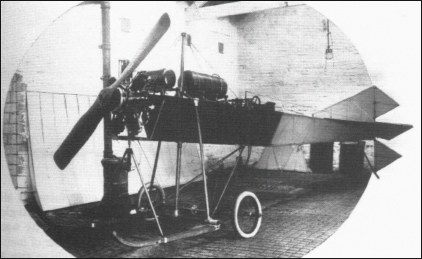
This aircraft marked the acceptance of Robert Blackburn as a leading British aircraft designer.
Engine: Isaacson 40-hp radial
Wingspan: 30 ft
Length: 32 ft
Max speed: 60 mph
Number built: 1

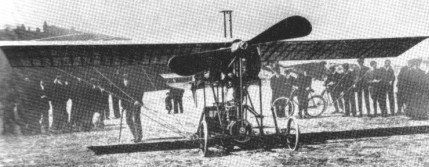
Robert Blackburn’s First monoplane left the ground at the first attempt in April 1909, but side-slipped in a turn and was wrecked.
Engine: Green, 35 hp.

The Blackburn Aeroplane Company was founded by Robert Blackburn, who had designed and built his first aircraft in 1909. The Blackburn Aeroplane & Motor Company was created in 1914. A new factory was built at Brough, East Riding of Yorkshire in 1916.

Throughout the company’s history the emphasis was on the design and production of naval aircraft; its first for the Royal Navy was the twin-engined GP seaplane of 1916. A similar landplane, the Kangaroo, was supplied to the RAF in 1918. Aircraft to serve with the Navy include the Baffin, Blackburn, Buccaneer, Dart, Firebrand, Ripon, Roc, Shark and Skua. In 1930 acquired Cirrus Hermes Engineering Co. By acquiring the Cirrus-Hermes company in 1937, Blackburn started producing aircraft engines – the Blackburn Cirrus range. Blackburn Aircraft Company founded 1936. The company’s name was changed to Blackburn Aircraft Limited in 1939.
During 1948, discussions between General Aircraft Ltd and the Humberside firm of Blackburn led to a merger of the two companies under the joint name of Blackburn & General Aircraft Ltd. The new company was formed on 1 January 1949 and it was proposed that all work in progress at the various factories be com¬pleted as originally planned.
Company name reverted to Blackburn Aircraft Ltd. in 1959, when Blackburn & General became the holding company. Its aircraft production operation was absorbed into Hawker Siddeley in 1960, and its engine operations into Bristol Siddeley, as part of the rationalisation of British aircraft manufacturers, and the Blackburn name was dropped completely in 1963.

Constructed in September 1910 by Edward Bjork, a Chicago building contractor residing at 934 Fletcher Street. His machine was forty feet in length by twenty in width. He constructed it in a shed at Evanston Avenue and Byron Place.
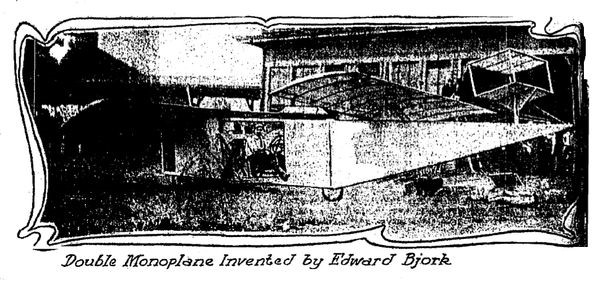
Bjork was a member of the Swedish-American Aerial Club of Chicago – a manufacturer of aerial machines that failed to conduct the business for which it was created.
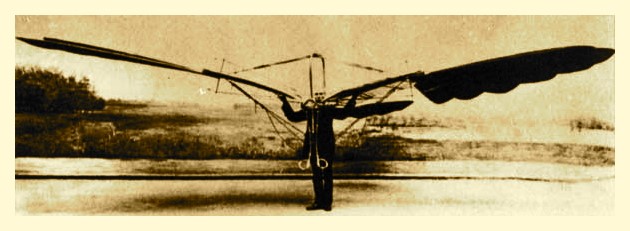
Designed and built by Comte de Massia in 1879, leading to flights made by Gaston Biot. Biot flew the glider several times at Clamart, a suburb of Paris approximately 3 km south-southwest of Issy-les-Moulineaux. Donated to the Musée de l’Air in 1925 and restored in 1960, the glider is currently on display at the Musée de l’Air et de l’Espace, and is said to be the oldest surviving heavier-than-air flying machine in the world.
 All Aero