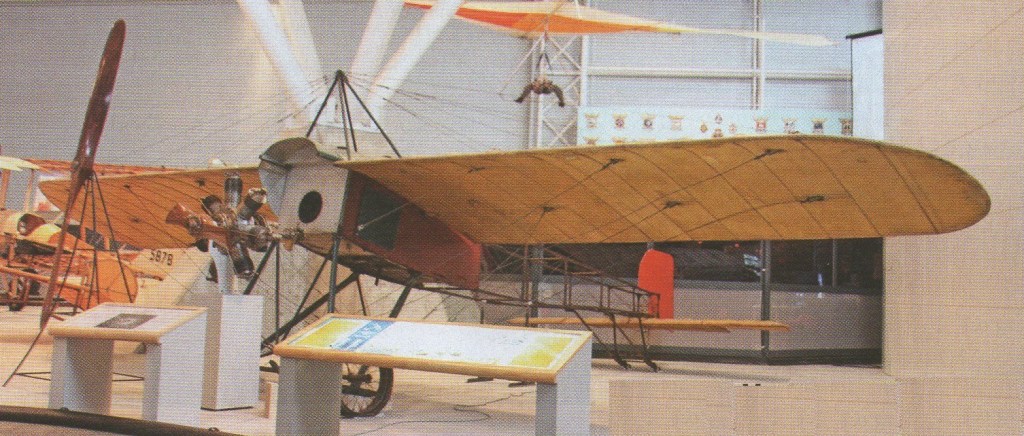
Designed and built by Borel Brothers, the 1911 Borel Type Militaire monoplane was a four seater.
Engine: Gnome, 50 hp
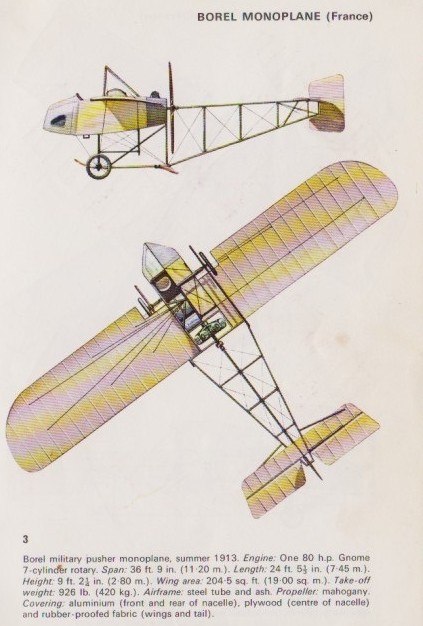
Designed and built by Borel Brothers, the 1911 Borel Type Militaire monoplane was a four seater.
Engine: Gnome, 50 hp
France
Formed in 1909 by Gabriel Borel, Etablissements Borel was an early constructor of floatplanes. One of the first aircraft to serve with the British Navy was a Borel monoplane, purchased in 1912, and at least eight were in service with the Naval Wing before the beginning of the First World War. A high performance two-seat fighter was built to the design of M. Boccacion, but too late for wartime service.
Known subsequently as Societe Generale des Constructions Industrielles et Mecaniques.
The Bonnet-Labranche 2-seater monoplane racer was designed and built by A and E Bonnet-Labranche about 1911, in France.
No. 6 School
Span: 27’10”
Length: 26’3″
Weight: 485 lb gross
Speed: 47 mph
No. 7 Racer
Span: 31’6″
Length: 28’2″
Weight gross: 617 lbs
Speed: 62 mph
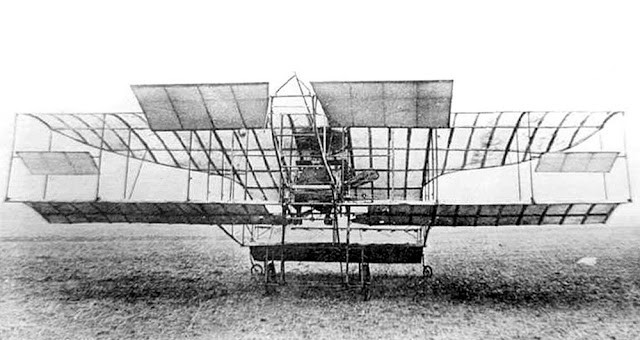
The 1909 Bonnet-Labranche No. 3 pusher biplane was designed and built by Brothers Bonnet-Labranche in France.
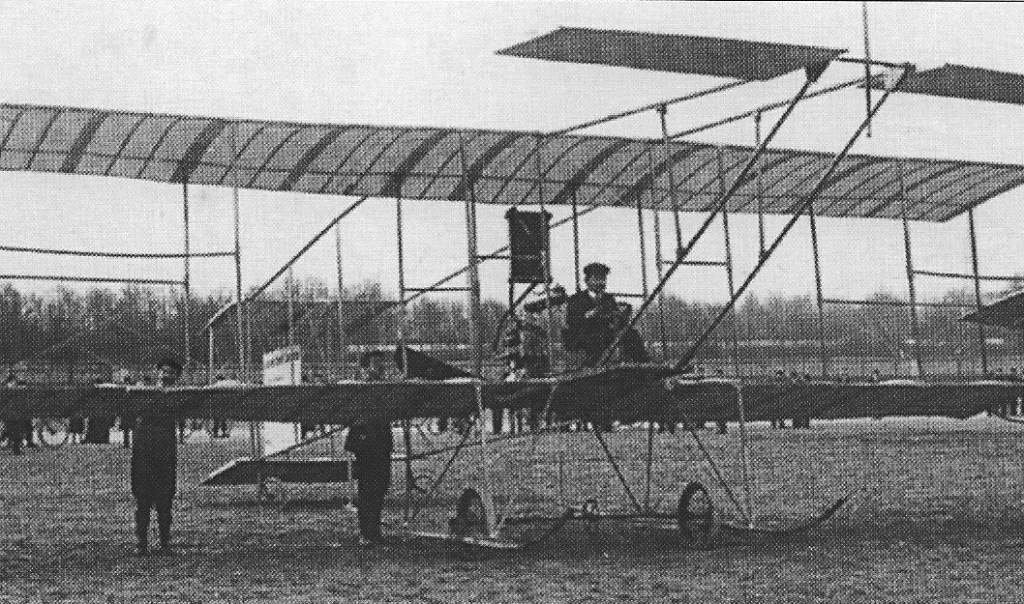
The Bonnet-Labranche was trialled at Issy-Moulineaux, Paris, in August 1910.
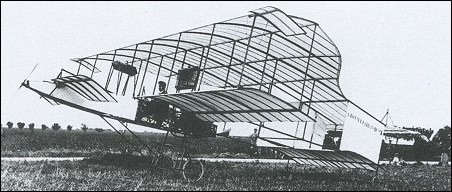
Apparently, this airplane is the device bearing the generic name “1” or “2”, characteristics with their large wing.
Engine: 30 Hp Filtz-Arion
Span: 23′ / 11.50 m
Length: 26’3″ / 12.50m
Weight: 550 lb
The ABL monoplane was built in France by Brothers Bonnet-Labranche in 1909.
Span: 36′
Length: 32’10”
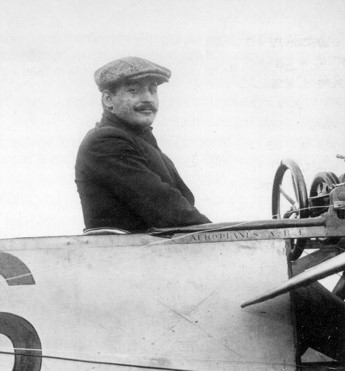
Albert Casimir Marius Bonnet-Labranche was born in Toulouse on September 10th, 1883, the son of an architect and engineer. Aviation ran in the blood of Albert and his younger brother Émile. Their father had tried to build a flying machine already in 1869, and also built a balloon that was used in the 1870-1871 war.
After finishing his studies and military service he moved to Paris and together with his brother formed “Aéroplanes Bonnet-Labranche”. They designed and built their first machine already in 1907, a biplane with a characteristic big long-chord top wing that joined with the horizontal tail, but it never flew. In 1909 they partnered with Charles Roux of Saint-Die to form AVIA, who built several more or less unsuccessful designs.
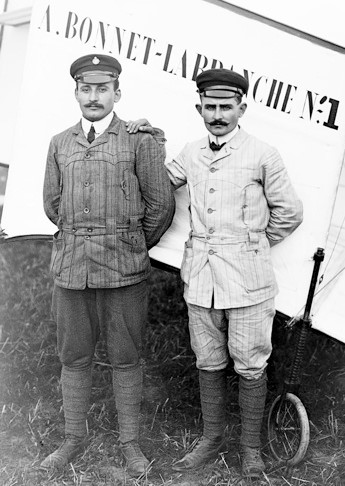
At the October 1909 Paris “Grande Quinzaine” Albert Bonnet-Labranche entered a monoplane, the fourth “ABL” design, but it was untested and only managed short, straight flights. This was his only appearance at an aviation meeting.
The Bonnet-Labranche brothers were involved in all kinds of aviation-related business. They established the “Aéro-Garage” in Paris, where they bought, sold, built, repaired and shipped aeroplanes. In the end of 1910 they claimed to have 31 aeroplanes of different types in the 2,200 square metre halls of the “Aéro-Garage”, and their inventory of machines, engines and spare parts was valued at 512,000 francs. The brothers also published the fortnightly magazine “L’Aviation Illustrée” and manufactured and sold model airplanes. They started flying schools and built hangars at Issy-les-Moulineaux, in Orléans and in Oran in Algeria, and they had big plans for several more schools in France, Belgium and China, which in the end were never realized. They designed seven types of airplanes of different configurations. The last types, Blériot-inspired monoplanes, were produced in several examples during 1911 and flown successfully in many meetings, particularly by Louis Janoir.
Albert moved to Algeria around 1911 and ran the flying school there. It appears that the other Bonnet-Labranche aviation businesses were sold or wound down in the end of 1911, but the “Aéro-Garage” reportedly still existed in 1913.
Albert Bonnet-Labranche was drafted into the infantry when WW1 started, but soon transferred to the air forces. He qualified for his military “brevet” on April 1st, 1915 and served as a pilot with the rank of sergeant. He was wounded on July 18th, 1915 when his machine was attacked by a German fighter during a reconnaissance mission. Despite being hit in the leg he managed to bring his bullet-ridden Voisin LA back to the base, earning a citation. Later during the war he proposed a four-engine triplane long-range bomber to the war ministry, but nothing came out of it.
Little is known about Bonnet-Labranche’s life after the end of the war, but it appears that he spent most of his life in Algeria. In 1943 he went missing there, together with the plane he was piloting.
Bonnet-Labranche did not qualify for a pilot’s license before WW1.
The 1912 Bomhard “Pfeil” (“Arrow”) biplane was designed and built by Karl Bomhard in Austria.
It set a world record on Sept 27, 1912 with three passengers to a height of 1120 meters, piloted by Sablatnig.
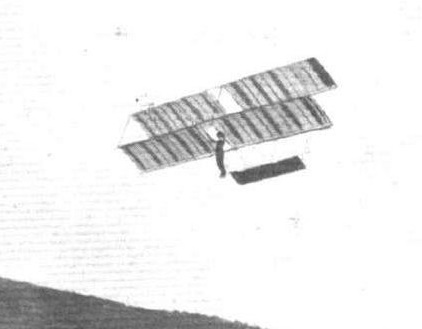
The machine is of Chanute type, built by two Canterbury Aero Club members, Messrs. Bolt and Angus, in New Zealand, in early 1912. Great success was attained in towed flights with passengers, about fifty trips through the air being indulged in before a bad smash through faulty towing put an end to experiments for a week or so. Among the many passengers carried was a lady, the wife of Mr. Johnassen, Club Engineer.
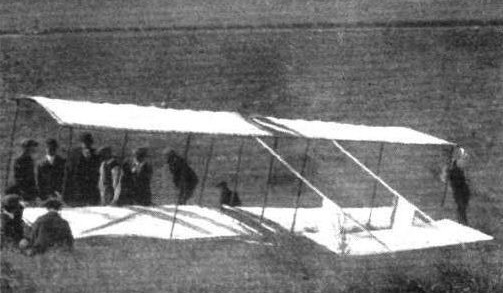
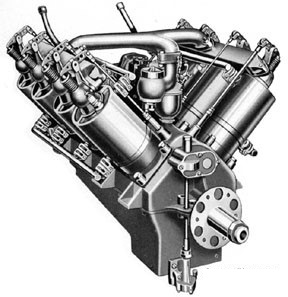
Boland 60hp
1911
60hp
402ci
Water cooled V-8
dry wt: 240 lb
1913
70hp
452ci
Water cooled V-8
dry wt: 255 lb
1913
100hp
700ci
Water cooled V-8
dry wt: 325 lb
The 1911 Boland pusher biplane was designed by F.and J. Boland, and built by Boland Aeroplanes Co.
Span: 29’6″
Length: 19’6″
 All Aero