
The Ruby Monoplane was built in 1914, with a pusher propeller.
The Ruby Monoplane was built in 1914, with a pusher propeller.
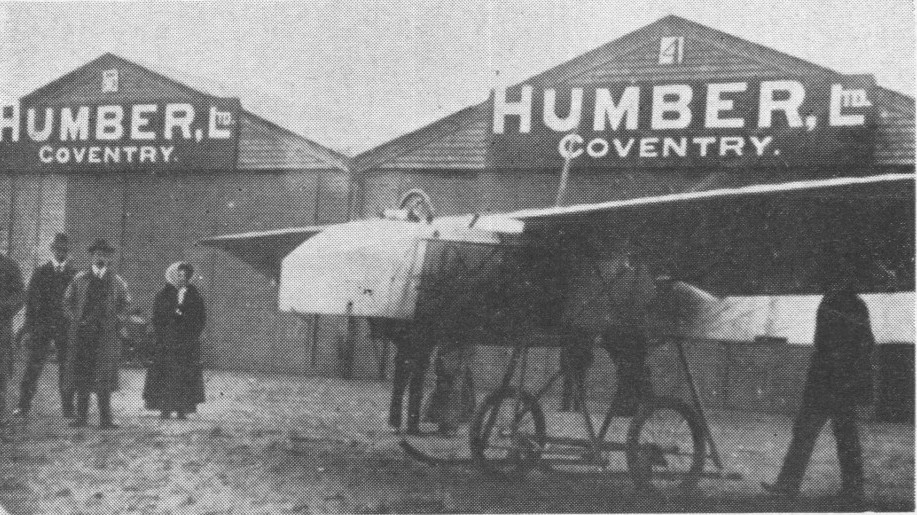
Edward and Henry Petre, both famous pilots, built this monoplane, with a propeller behind its tail, in 1909.
It did not fly.

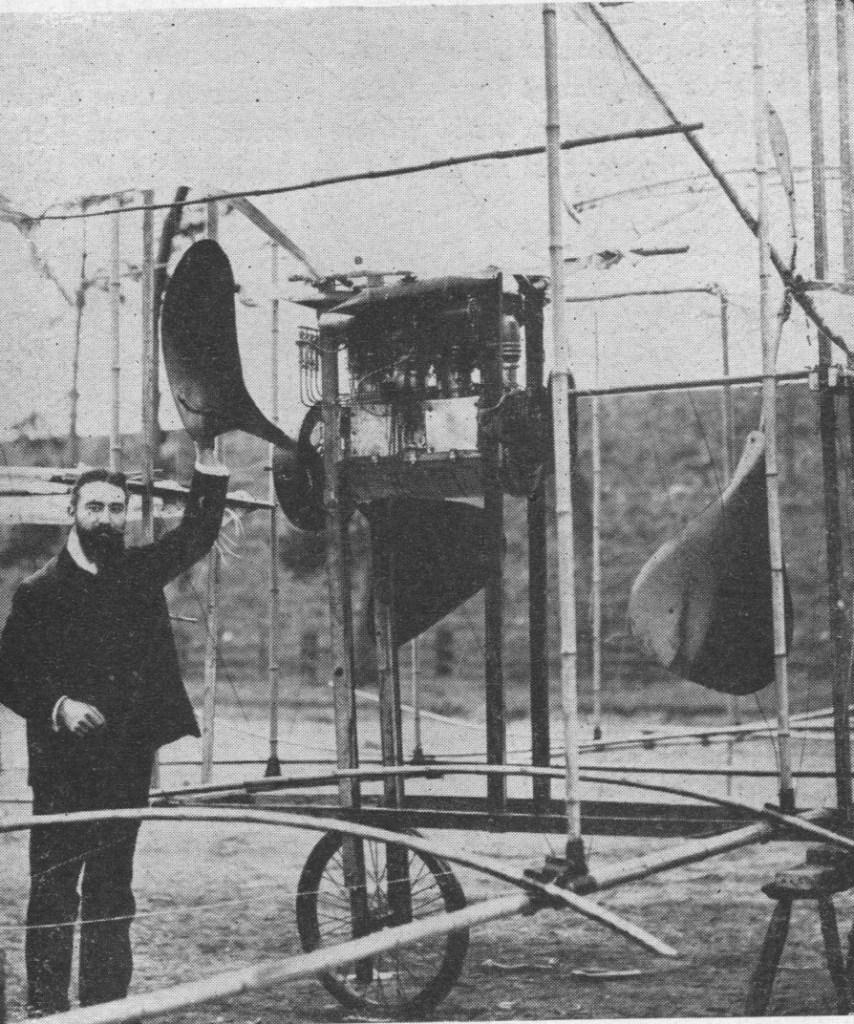
A multi-rotor helicopter built by Monsieur Lestage in 1907.
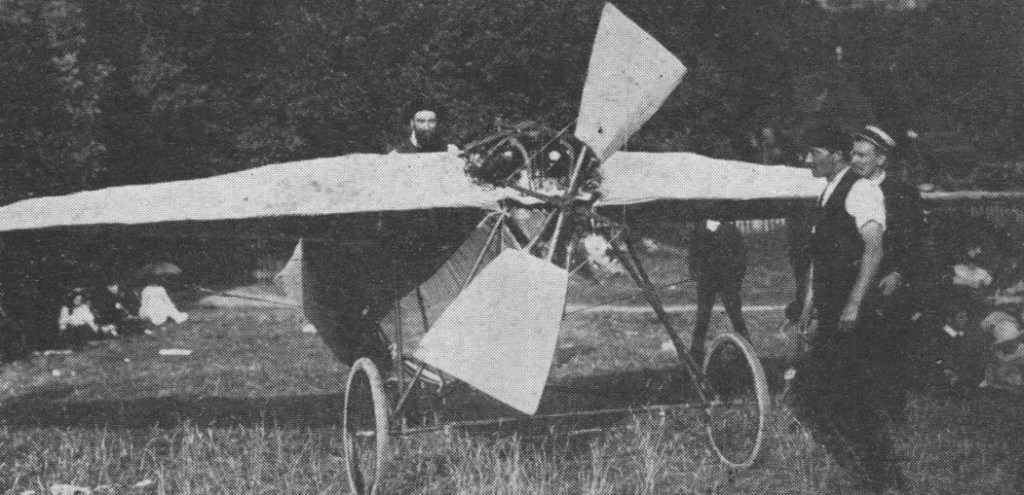
Bellamy’s later tailless monoplane, tested at Petersham Meadows in August 1908 did not fly, but taxied quite quickly along the ground.
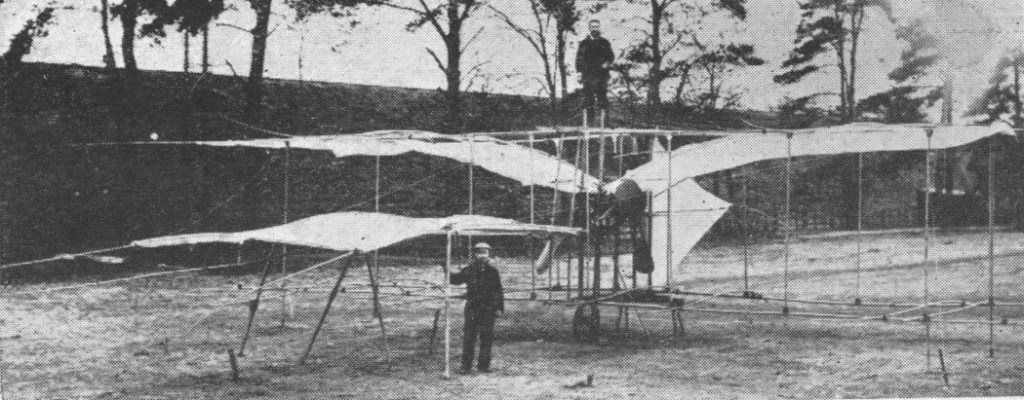
An early enthusiast at Weybridge, UK, Mr Bellamy built the bamboo and canvas-covered biplane.
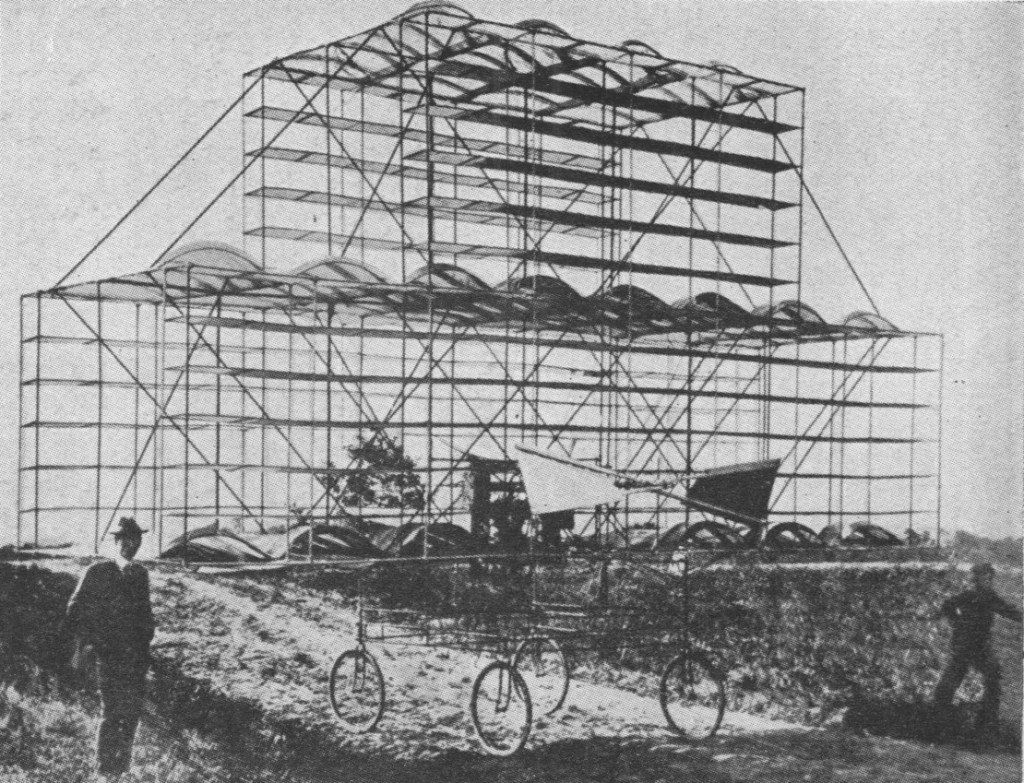

A red, white and blue built by Schmutz in 1904.

Sir Hiram Maxim’s aircraft of 1894 was powered by two 180 hp steam engines.
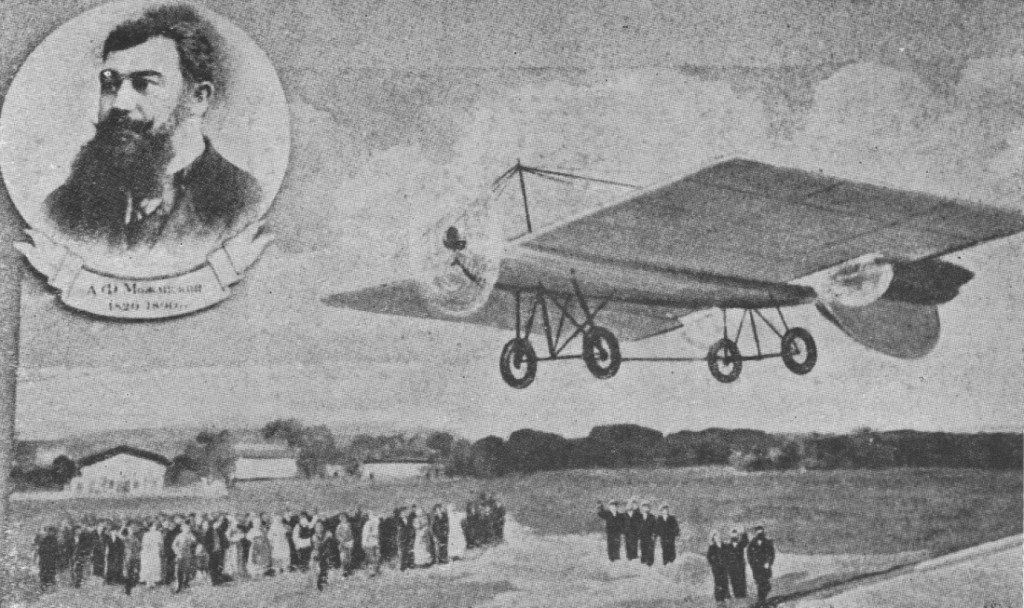
I.N. Golubev’s 1882 hop in the steam powered aeroplane designed by Alexander Mozhaisky used a take-off down a steep slope.
Bert Volk started life as an engineer making cars in 1910.
A year later the first airplane landed in Brighton on the beach, a Bleriot monoplane. Volk became fascinated with aviation and he thought he would have a go.

In 1911, he started making parts for engines, wings, floats, and fabric bodies that would be fitted into planes, and two years later pleasure flights began being launched.
Bert Volk’s elder brother, Herman, invented a collapsible, portable hanger on the edge of the water from where pleasure flights started.
They were all built in bits and taken down to the seafront next to the Banjo Groyne, put together and launched into the sea.”
There was a ramp down into the water and planes were launched into the sea.
Seaplane pleasure flights began in Brighton in 1913
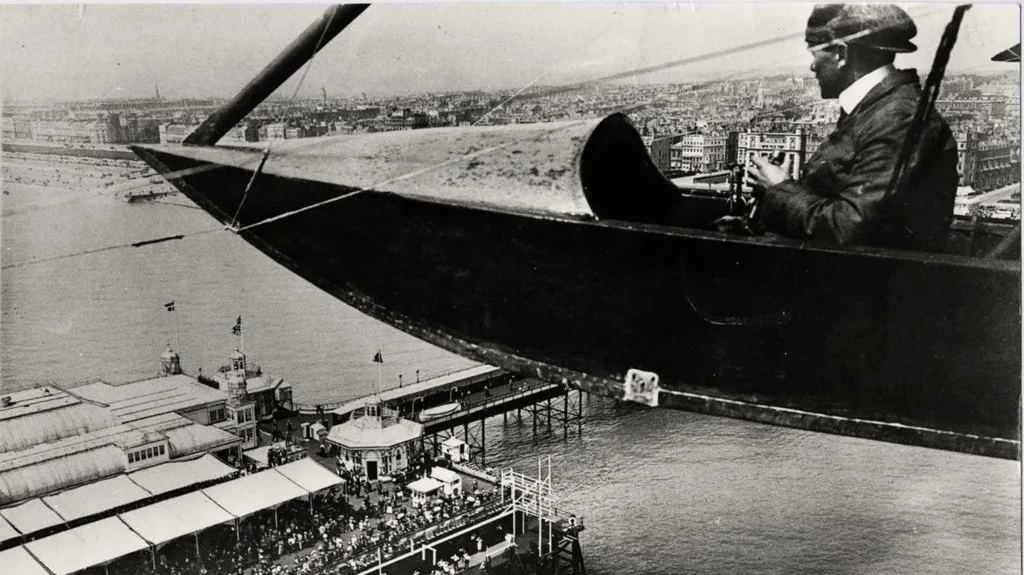
A year after flights started, the outbreak of World War One meant the hanger was requisitioned by the government and the project ended.
Herman Volk went off to manufacture planes for the war effort.
He also contributed to the development of Shoreham Airport – one of the first aerodromes in England.
After the war he took over the running of Volk’s Electric Railway on the seafront.
Bert went off to South Africa where he spent most of the rest of his life.
 All Aero