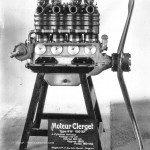
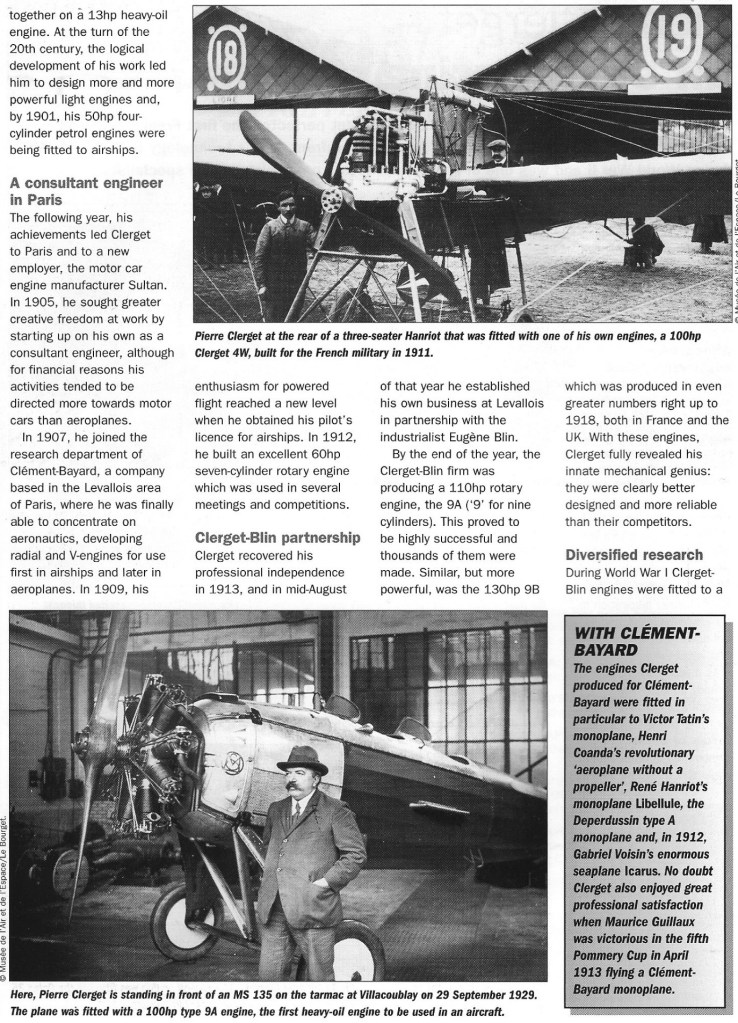
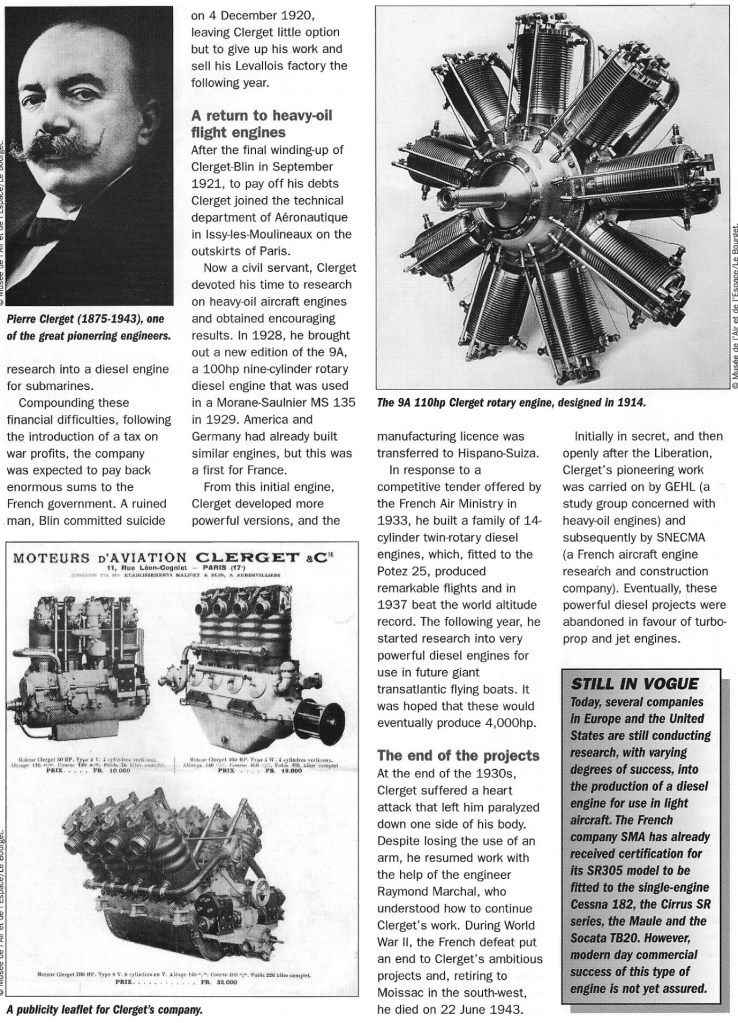
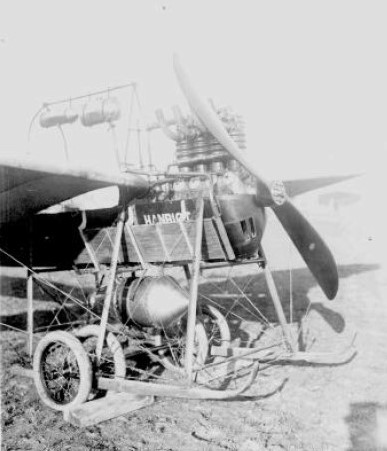
A Moteur Clerget Type 4W 100 HP, as used in Hanriot craft.
A Moteur Clerget Type 4W 100 HP, as used in Hanriot craft.
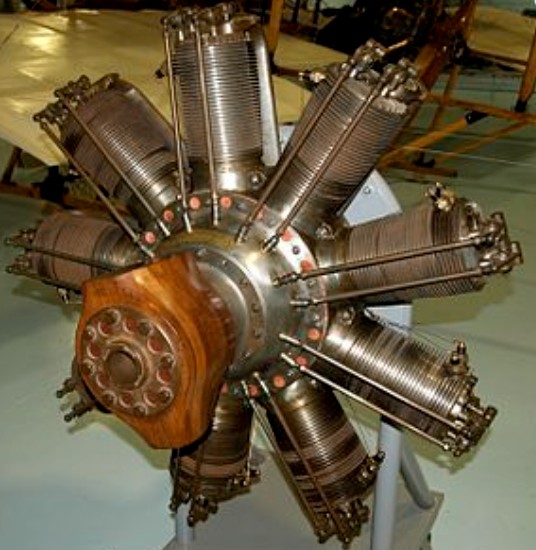
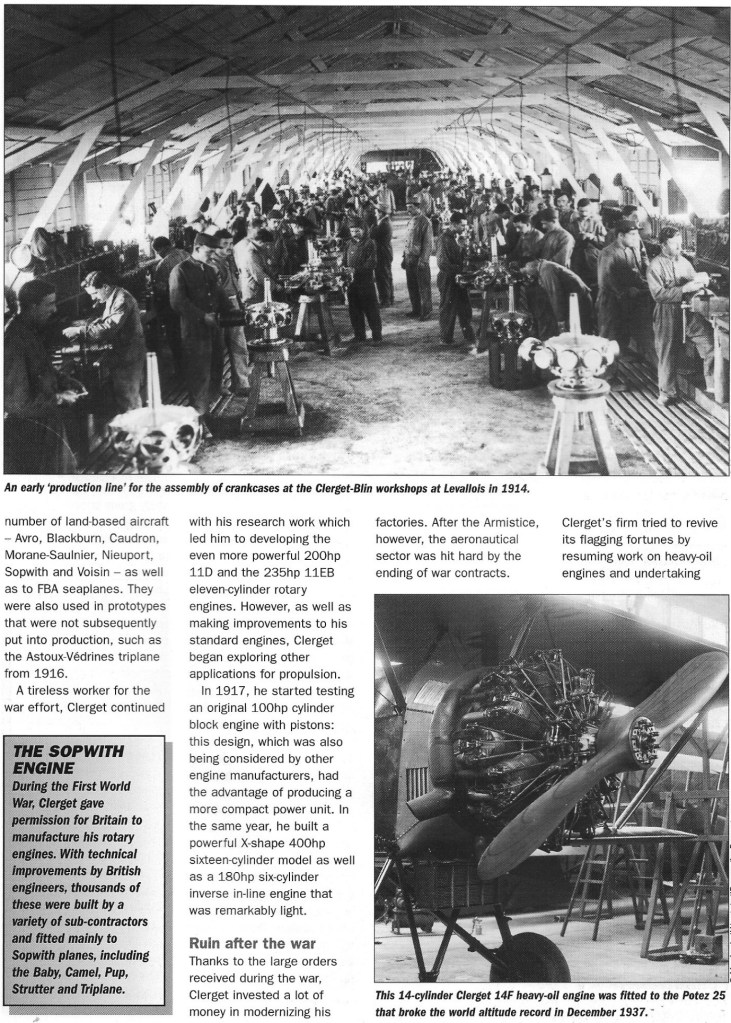
First run in 1913, the Clerget 9B was a nine-cylinder rotary aircraft engine of the World War I era designed by Pierre Clerget. Manufactured in both Great Britain (Gwynne Limited) and France, it was used on such aircraft as the Sopwith Camel. The unit cost of the 9B was £907.50 in 1915. British production totalled 3,650.
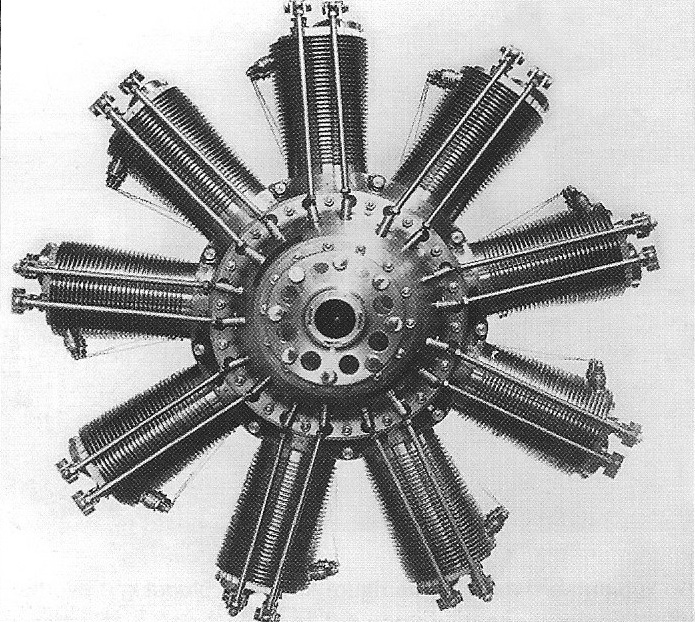
The Clerget 9Bf was an increased stroke version.
Variants:
Clerget 9B
(1913) 130 hp (97 kW). 1,300 produced by Ruston Proctor & Co Ltd of Lincoln
Clerget 9Bf
(1915) 140 hp (104 kW). Extended stroke (172 mm (6.75 in)) version, increasing capacity to 17.5 lt (1,066.5 cu in). 1,750 produced by Gwynnes Ltd. and 600 produced by Ruston Proctor.
Applications:
Clerget 9B
Armstrong Whitworth F.K.10
Avro 504
Avro 531
Bristol M.1
Cierva C.6
Cierva C.8
Fairey Hamble Baby
Nieuport 12
Nieuport 17
Nieuport Triplane
Sopwith Baby
Sopwith Camel
Sopwith Scooter
Sopwith Triplane
Sopwith 1½ Strutter
Clerget 9Bf
Sopwith Camel
Specifications:
Clerget 9B
Type: Nine-cylinder air-cooled rotary engine
Bore: 120 mm (4.72 in)
Stroke: 9B: 160 mm (6.30 in), 9Bf: 172 mm (6.77 in)
Displacement: 9B: 16.29 l (994.08 cu in), 9Bf: 17.5 l (1,067.92 cu in)
Length: 920 mm (36.22 in)
Diameter: 9B: 1,020 mm (40.15 in), 9Bf: 1,030 mm (40.55 in)
Dry weight: 173 kg (381 lb)
Valvetrain: Single inlet and exhaust valves operated by pushrods and rockers
Fuel system: Bloctube carburettor
Fuel type: Gasoline mixed with Castor oil lubricant
Oil system: Castor oil mixed with fuel
Cooling system: Air-cooled
Power output: 9B: 96.94 kW (130 hp) at 1,250 rpm, 9Bf: 104.40 kW (140 hp) at 1,250 rpm
Specific power: 9B: 0.1308 hp/cu in (5.953 kW/l), 9Bf: 0.131 hp/cu in (5.966 kW/l)
Compression ratio: 9B: 4.56:1, 9Bf: 5.3:1
Specific fuel consumption: 9B: 0.564 l/kW/hour(0.74 pt/hp/hour), 9Bf: 0.45 l/kW/hour(0.59 pt/hp/hour)
Oil consumption: 9B: 0.0686 l/kW/hour (0.09 0.11 pt/hp/hour), 9Bf: 0.0838 l/kW/hour (0.11 pt/hp/hour)
Power-to-weight ratio: 9B: 0.563 kW/kg (0.341 hp/lb), 9Bf: 0.556 kW/kg (0.337 hp/lb)
The Clerget 7Z was a seven-cylinder rotary aircraft engine of the World War I era designed by Pierre Clerget. First run in 1911 it was nominally rated at 80 horsepower (60 kW). 347 examples were jointly built in Britain by Gordon Watney & Co Ltd of Weybridge and Gwynnes Ltd of Hammersmith.
Applications:
Avro 504
Beardmore W.B.III
Bristol Scout
Grahame-White 20
Royal Aircraft Factory B.E.8
Royal Aircraft Factory S.E.2
Royal Aircraft Factory S.E.4
Sopwith Pup
Specifications:
Clerget 7Z
Type: Seven-cylinder air-cooled rotary engine
Bore: 120 mm (4.72 in)
Stroke: 150 mm (5.91 in)
Displacement: 11.88 l (724.96 cu in)
Diameter: 914 mm (35.98 in)
Dry weight: 106 kg (234 lb)
Valvetrain: 1 each overhead inlet and exhaust valves operated by pushrods and rockers
Fuel system: Bloctube carburettor
Fuel type: Gasoline with Castor oil lubricant
Oil system: Castor oil mixed with fuel
Cooling system: Air-cooled
Power output: 70.84 kW (95 hp) at 1,300 rpm (maximum power)
Specific power: 0.1314 hp/cu in (5.98 kW/l)
Compression ratio: 4.3:1
Specific fuel consumption: 0.564 l/kW/hour(0.74 pt/hp/hour)
Oil consumption: 0.0762 l/kW/hour (0.1 pt/hp/hour)
Power-to-weight ratio: 0.67 kW/kg (0.406 hp/lb)
The 1911 biplane designed and built by Louis Clement was built of all steel tube.
Span upper: 43’9″
Span lower: 30’8″
Length: 34’5″
Gross Weight: 1600 lb
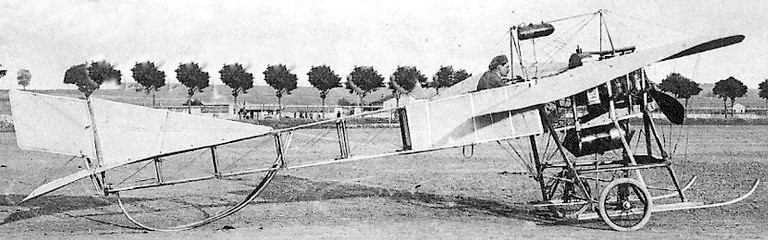
Émile Chesnay, a photographer and balloonist, had a monoplane built by Clement Bayard. It was equipped with a Clerget engine of 50 hp. The wings, with a span of 8.50 m resembled those of Bleriots and may have been built at their factory. The landing gear had two wheels and two curved skids. It was presented at the aviation meeting of Dijon which was held from 22 to 25 September 1910.
Clément-Bayard built Alberto Santos-Dumont’s Demoiselle No 19 monoplane that he had designed to compete for the Coupe d’Aviation Ernest Archdeacon prize from the Aéro-Club de France. The plane was small and stable, but they planned a production run of 100 units, built 50 and sold only 15 for 7,500 francs for each airframe. It was the world’s first series production aircraft. By 1909 it was offered with a choice of 3 engines, Clement 20 hp; Wright 4-cyl 30 hp (Clement-Bayard had the license to manufacture Wright engines); and Clement-Bayard 40 hp designed by Pierre Clerget. It achieved 120 km/h.
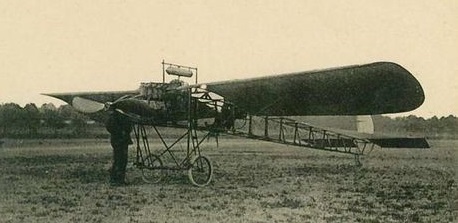
In March 1908 Pierre Clerget, employed by Gustave-Adolphe Clément-Bayard at the time, received an order from Ernest Archdeacon to design a monoplane. It was to be financed by Archdeacon and constructed by the firm of Clément-Bayard.
Alternately known as monoplan C.A.M. (Clerget-Archdeacon-Marquézy), on November 4, 1909, during a trial of the C.A.M. monoplane, fitted with a Clerget motor of 50 hp, the pilot, René Marquézy, after a quick start, suddenly rose to a height of 15 meters whereupon Marquézy cut the ignition and the aircraft returned to earth abruptly, breaking the propeller and distorting the wheels.
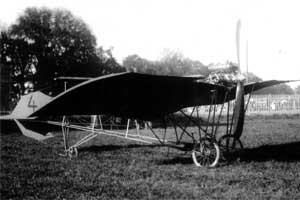
René Marquézy, oft mentioned as being a lighter-than-air aeronaut, later acquired a Brevet of the Aeroclub de France (#238) on October 4, 1910.
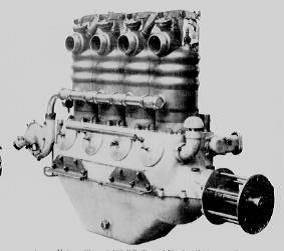
The Clément-Bayard 100 hp type 4W engine sold for 19,000 francs; it weighs 155 kg in working order, a weight limit for aviation at this time.
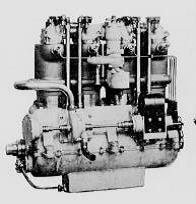
The Clément-Bayard 40 hp V-4 engine sold for 10,000 francs in 1910, a very affordable price; it weighs only 78 kg in working order.
 All Aero