Cornu Helicopter

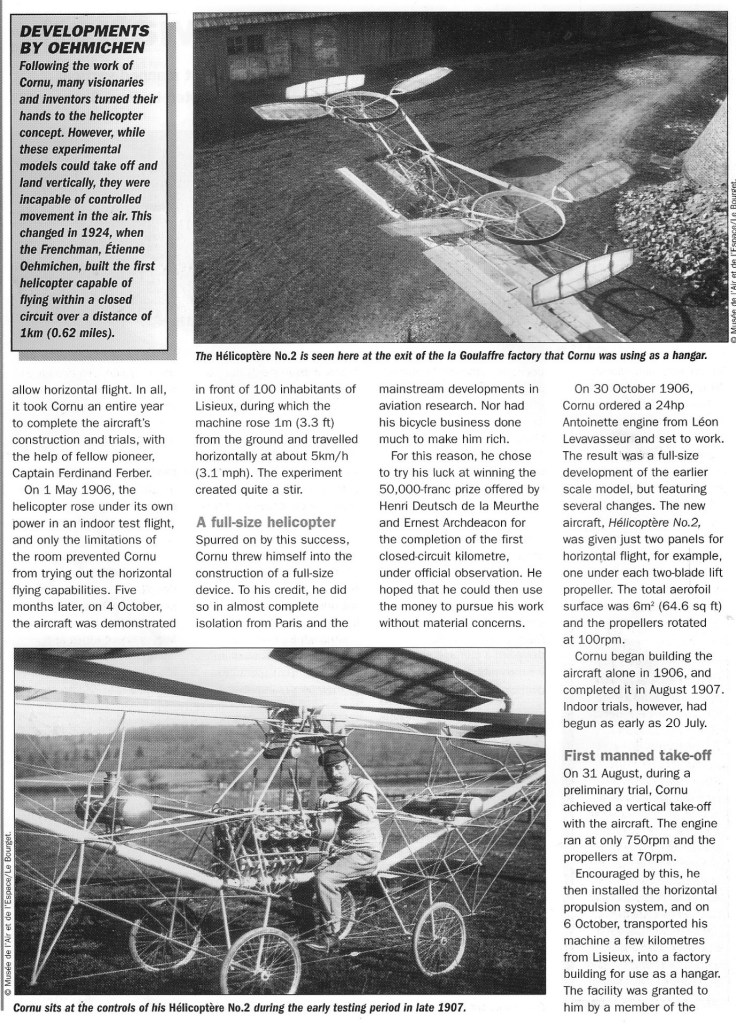
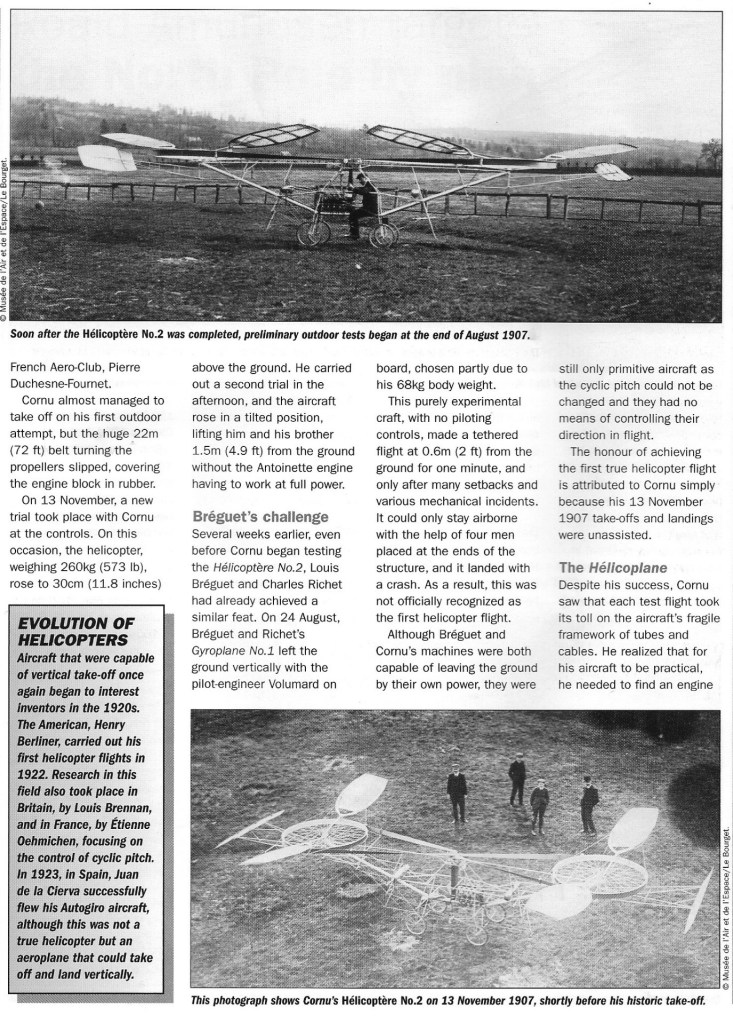
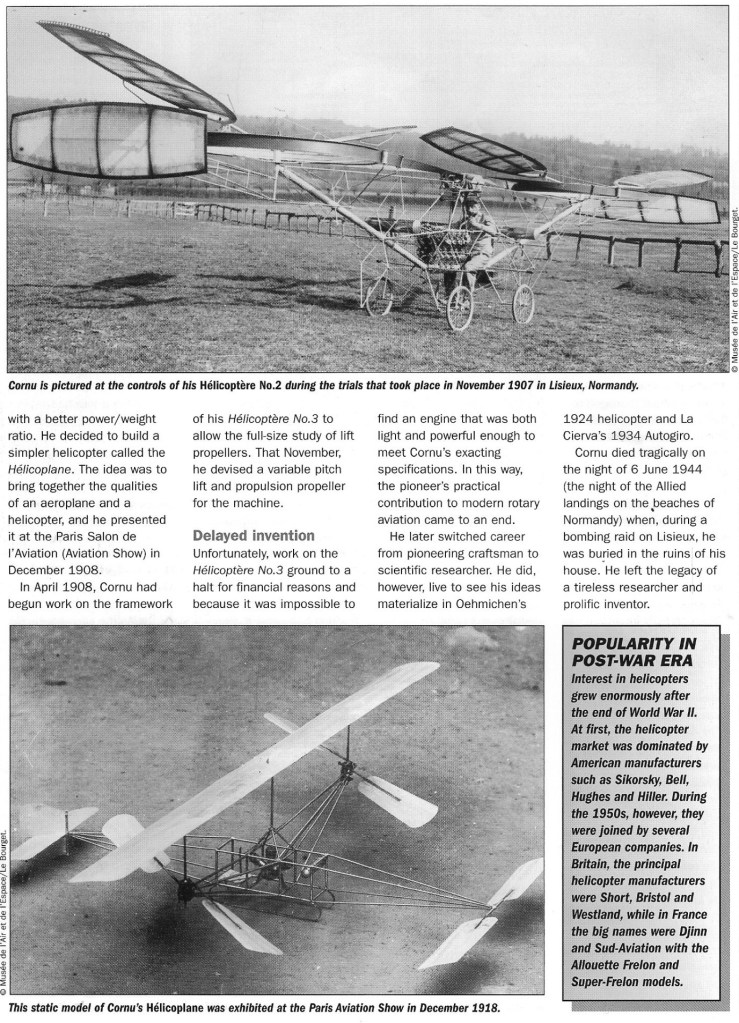
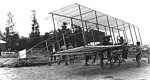
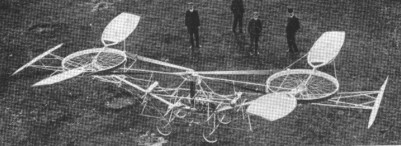
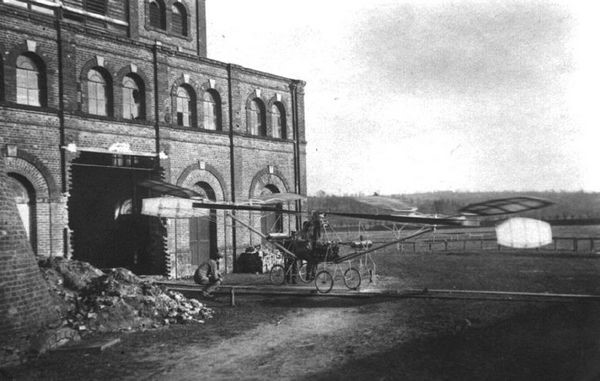
At Coquainvilliers, near Lisieux, France, Paul Cornu, a bicycle maker, built a practical heli¬copter with fore and aft rotors driven by belts from a 24 hp Antoinette engine, which made a free flight lasting about 20 seconds on 13 November 1907. The machine was stabilized with sticks by men on the ground because of its poor controllability. Powered by an Antoinette engine, it rose about 1 foot on its first flight, and then climbed to 5 feet carrying Cornu and his brother.
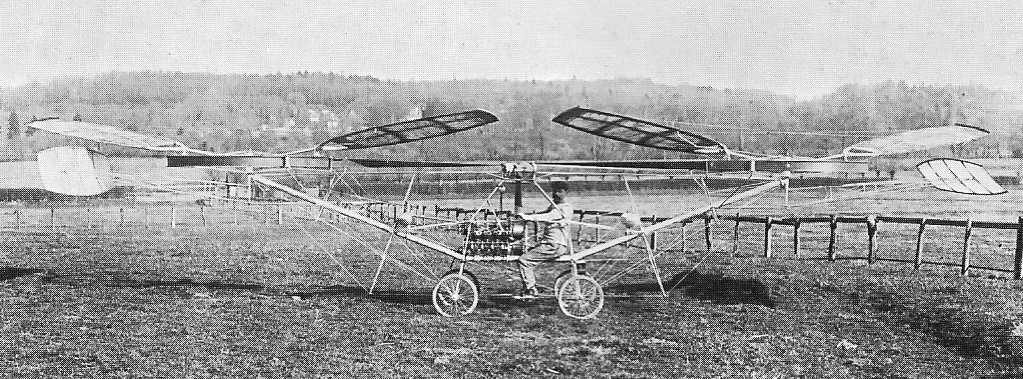
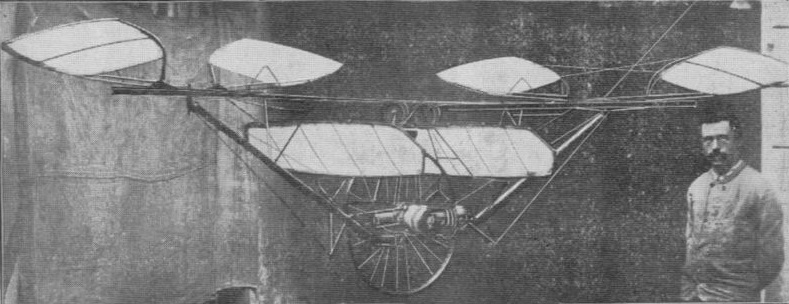
The central frame supported the engine, pilot seat and fuel tank, and the whole contraption weighed just over 250kg. To rock the ship from side to side, or to nose up and down, there were movable flat surfaces ‘control vanes’ mounted under the rotors so the airflow would push against them. The system on the Cornu machine was ineffectual.
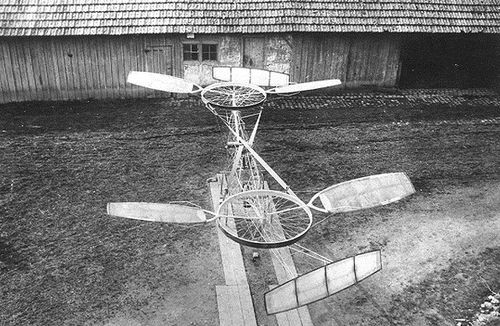
The chassis rested on a four-wheeled landing gear. The rotors were paddle-shaped and fabric-covered, mounted on large horizontal, bicycle-type wheels situated one at each end of the machine. The design followed that of a small scale model made by Cornu a year or so previously with 2.25m rotors, a 2hp Buchet engine and a weight of 13kg. The full-scale machine made its second flight with Cornu’s brother hanging on to the framework, increasing the total weight to 328kg, and take-offs to about 2m were made later carrying the pilot only.
Cornu was unfortunate in that his flight came just as public hysteria was focusing on the fixed wing achievements of the Wrights. He was unable to obtain support for developing his helicopter.

Engine: Antoinette, 18kW, 24 hp
Rotor diameter: 6m approx
Empty weight: 203kg
Loaded weight: approx 250 kg
Cornu, Paul

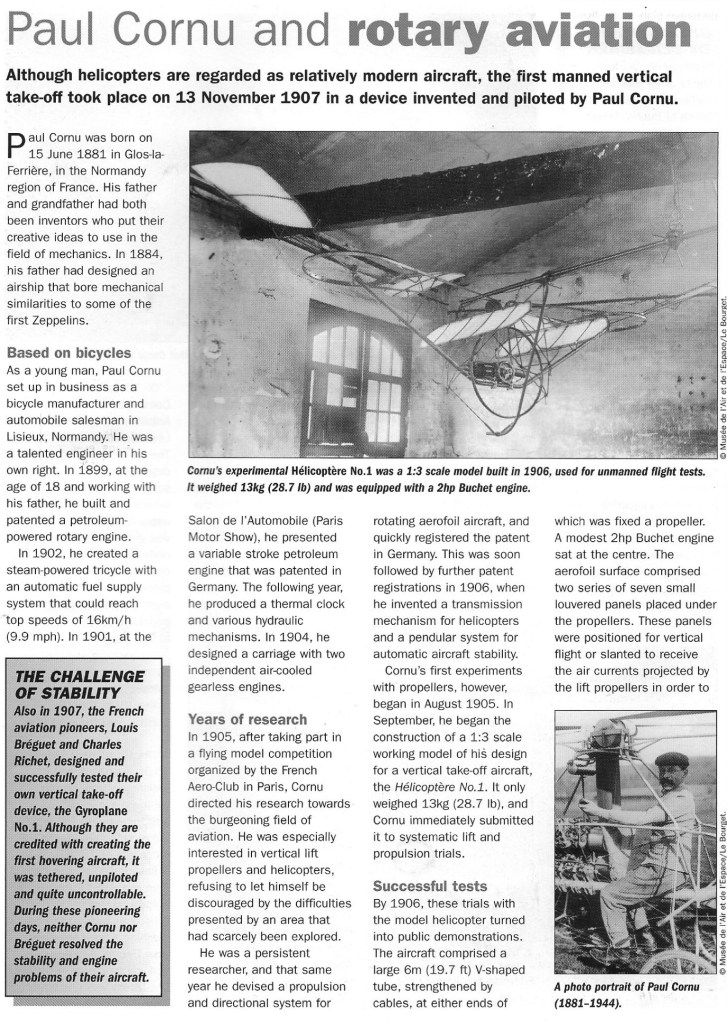
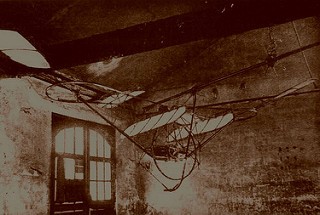
The first Paul Cornu helicopter was built in 1906 in Lisieux. The machine weighed 13.75 kg and its Buchet engine delivered a full 2 hp and drove two 2,25 m rotors. Horizontal propulsion was achieved by inclined surfaces that were placed in the downwash from the lifting propellers.

Paul Cornu’s unmanned model helicopter

It reached an altitude of three metres and made flights of up to 20 metres.

Cornu Aîné Ballon Remorqueur

The ballon remorqueur, or balloon tug, was a patented dirigible airship conceived and drafted by Cornu Aîné of Nuits, Cote D’Or, France, during the years 1852–1854, with the intention of using compressed steam as its system of propulsion to tow a train of balloon carriages as a proposed aerial express running between Paris and London. The steam reactor system employed a pivoting “point d’appui aerien” (aerial fulcrum) in the shape of a bell set three meters ahead of the nose of the dirigible express. By injecting steam into the bell and deflecting the steam rearward, M. Cornu planned to steer the craft by articulating this hinged fulcrum device.

Copetta El Burrito

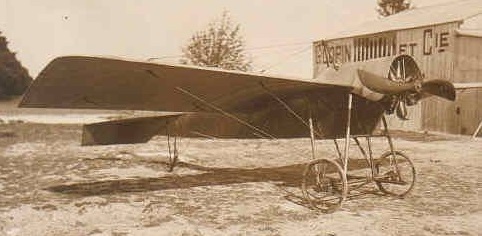
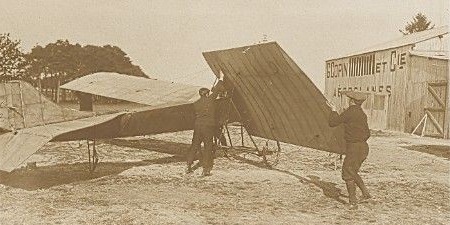
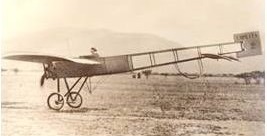
The first four airplanes constructed in Chile, were designed and built by the Copetta brothers. The first of them flew in 1911 and its name was “El Burrito” (young donkey). This airplane followed the lines of the Blériot IX in some way and was built in the necessity to fly after the irreparable destruction of their Voisin biplane, brought originally from France. Regardless of it being the first, “El Burrito” bore on its tail the inscription “Copetta 2”, since in those years it was common to put the name of the pilot and constructor; in this case Copetta and Copetta.

Cooke Aeroplane Co 1913 Biplane / Sandusky Biplane

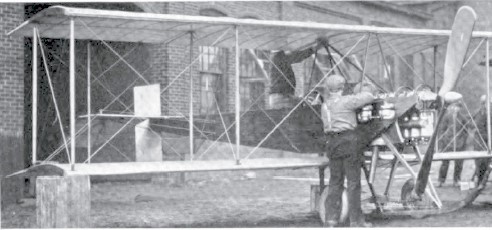
Weldon B. Cooke from Pittsburgh – Sandusky designed and built this tandem biplane aircraft in the winter of 1912-1913. Cooke, who was a well-known exhibition pilot, designed this aircraft with racing and exhibition flying in mind.

Cooke designed the aircraft for a 75 mph (121 km/h) top speed. For the time it was designed, it was a very modern aircraft, incorporating features that wouldn’t become commonplace on aircraft until towards the end of the Great War. The layout of the aircraft itself, a tandem two seat biplane with a tractor motor, was very unusual in 1912. Most of the aircraft being built and flying in North America at the time being some variation of a Curtiss type pusher biplane where the pilot and passengers would sit exposed in front of the leading edge of the lower wing.

Another unusual feature of the aircraft was the inverted installation of the Roberts inline 6 cylinder engine. When the early direct drive inline motors were mounted upright in a tractor installation, the cylinders would be almost completely exposed above fuselage deck. This type of mount would add aerodynamic drag to the aircraft, as well as presenting a substantial visual barrier for the pilot. By inverting the motor, the engine could be contained within the fuselage profile and the pilot had an unobstructed forward view. This may have been the first recorded inverted motor installation in an aircraft. The undercarriage consisted of a central skid with two flexible wheels at right / left with no connection to the fuselage (only to the central skid).

Cooke biplane on a take off run on ice, Sandusky Bay,1913

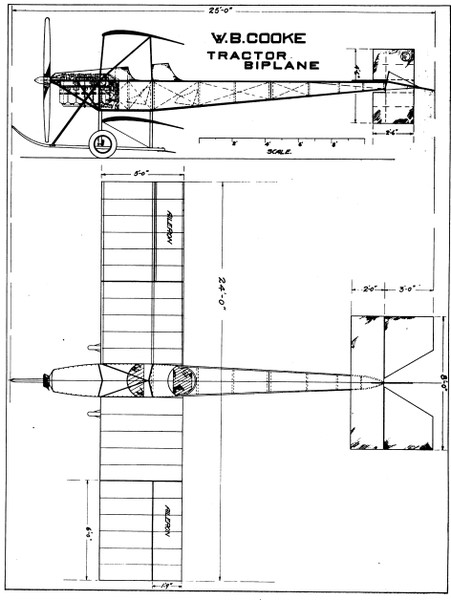
Because of the inability of period aircraft to be able to fly to and from the exhibition, the logistics of flying in the 1910s involved shipping the aircraft by train from one event to the next. To facilitate this, Cooke designed the aircraft to be quick and easy to take apart and re-assemble. The wings, which have a span of 24 feet, are made up of four detachable six foot sections. The fuselage is built in three detachable sections. The front section contains the engine and the passenger’s seat with all controls and their connections. The second section contains the pilot’s seat and the third, the tail and the square rudder. The skin of the fuselage was made up of a thin ply veneer to give it additional stiffness.

Used for exhibition flying and air racing, this biplane is sometimes identified as the ‘Sandusky Biplane’. Only the one was built.

Engine: 1 × Roberts two-stroke 6 cylinder, 75 hp (56 kW)
Propeller: 2-blade
Wingspan: 24 ft (7.3 m)
Length: 25 ft (7.6 m)

Cooke Aeroplane Co Irene

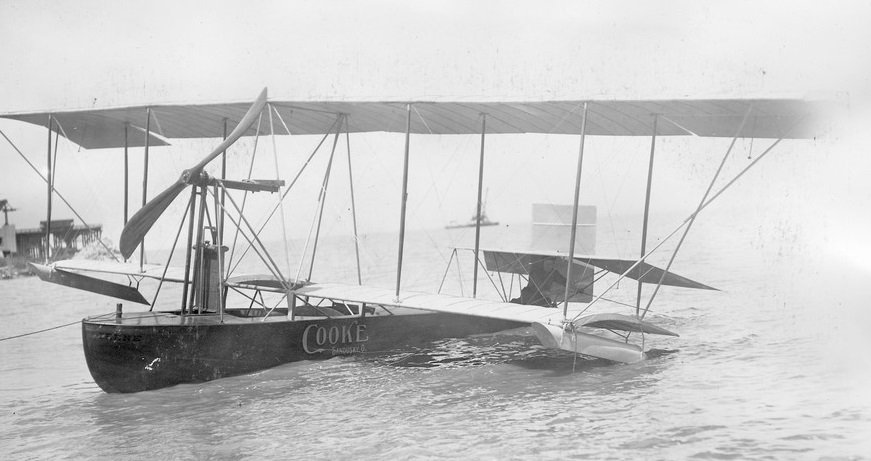
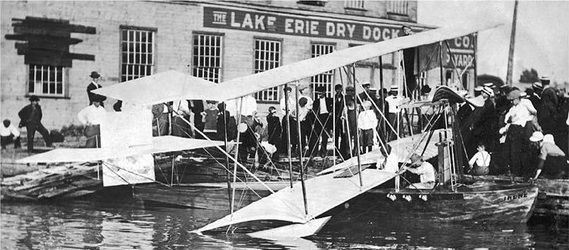
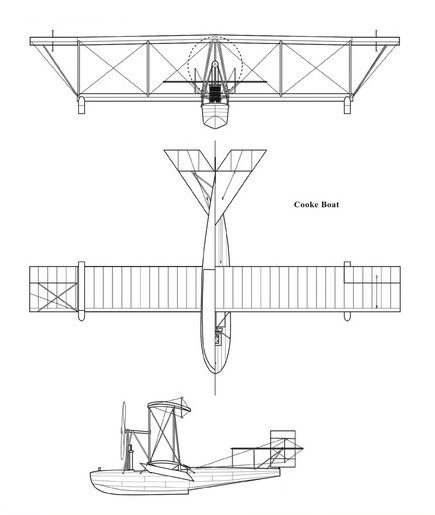
Weldon B. Cooke, an early pioneer who taught himself to fly in a Curtiss pusher, started construction of a flying boat project in California.

The craft’s biplane wings rested on a full length boat hull that ended in a tail group supported by struts. Its single tractor propeller, mounted forward of the wing, was driven by a belt running from a 75-hp Roberts engine. Sometime in 1913, Cooke shipped the parts by rail to Sandusky, Ohio, where the aircraft was completed and flown.

Although the “Irene,” depicted in this image, suffered from design and construction flaws, she became famous locally when Cooke raced her against C. B. Lockwood’s motorboat “Chinook.” Cooke attained speeds of 35 miles per hour in the water and 50 miles per hour in the air. Lockwood’s fast motor boat reached a speed of 23 miles per hour.