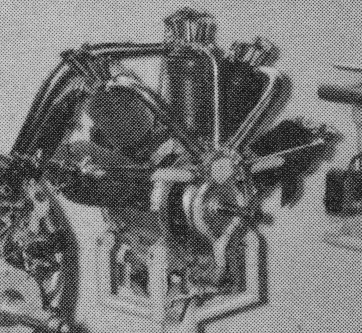
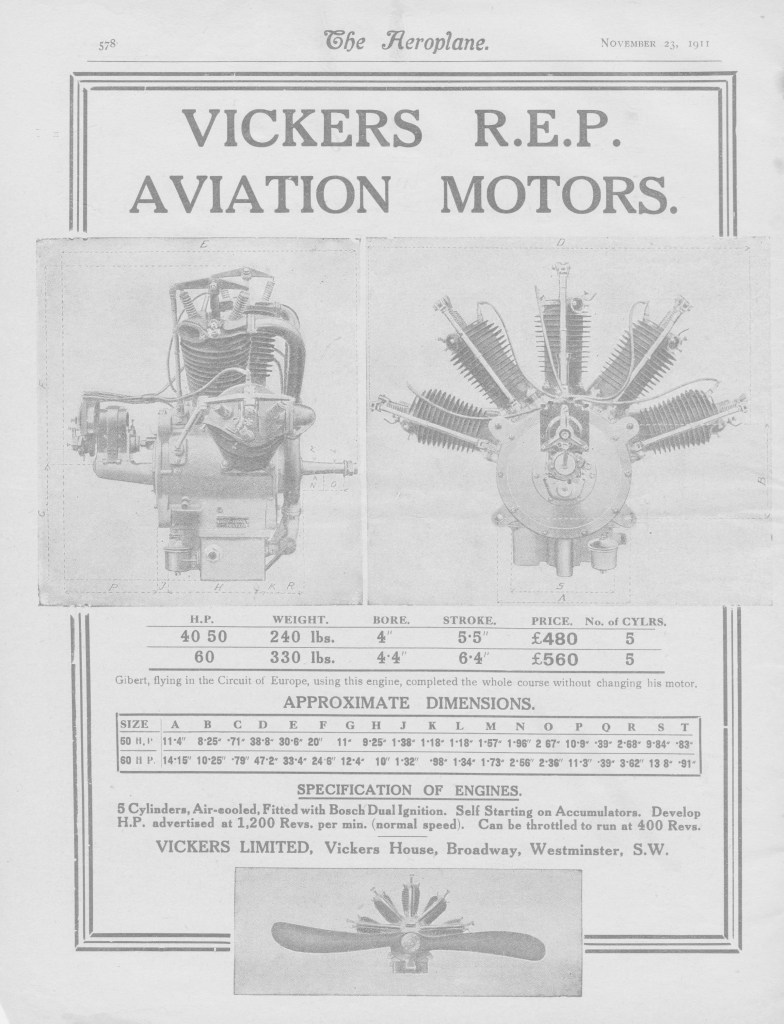
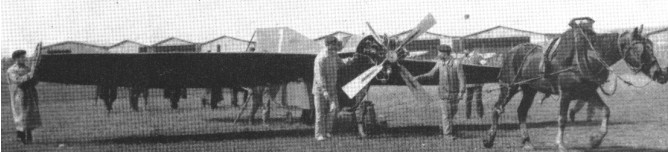
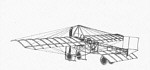
One of the few pioneers to persevere with the monoplane, Robert Esnault Pelterie applied to his work to apply aileron control to a full-sized aeroplane (a glider, in 1904), the first to use hydraulic wheel brakes, the first to develop an aircraft seat belt, he also designed the engines that powered his early aircraft. First flown on 15 February 1909, the steel frame REP 2bis represented the culmination of development of his first powered aircraft, and in May 1909 it made its best flight, travelling some 5 miles (8 km). Before the end of the first World War, however. Esnauit Peiterie had transferred his interest to an even more exciting field that of rocket propulsion.
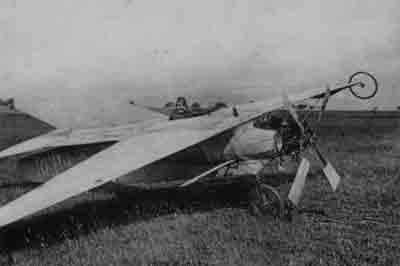
The REP 2 was similar to the REP 1 but now with fin and rudder.
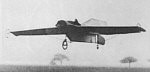
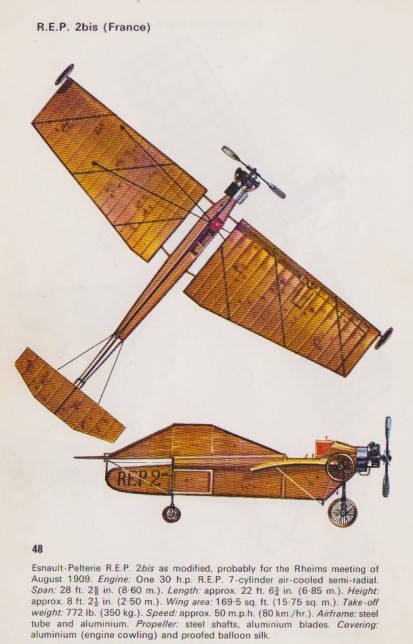
Engine: R.E.P. seven¬-cylinder air-cooled semi radial, 30 hp.
Prop: 4-blade.
Wing span: 28 ft 2.5 in (8.60 m).
Length: appro. 22 ft 6.75 in (6.85 m).
Height: approx 8 ft 21 in (2.50 m).
Wing area: 169.5 sq ft (15.75 sq.m).
Gross weight: 772 lb (350 kg).
Speed: approx 50 mph (80 kph).
Seats: 1.
R.E.P. No.2bis
First flight: 1908
Wing span: 9.6m / 31ft 6 in
Length:8m / 26 ft
Weight: 420kg / 925 lb
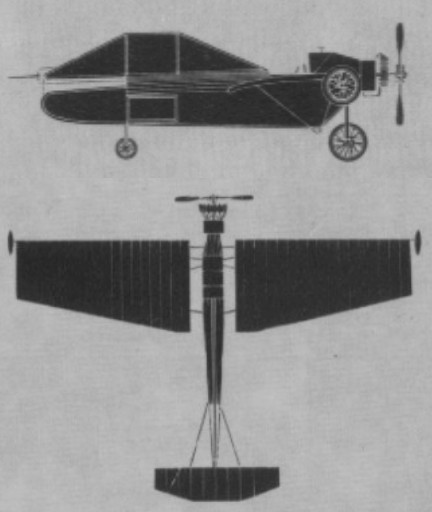
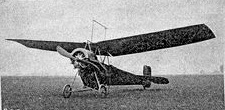
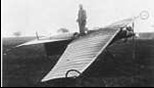
The 1907 Esnault-Pelterie Rep 1 tractor monoplane, with no rudder initially, but flew up to 2000′ It was designed and built by Robert Esnault-Pelterie in France
Span: 32’2″
Robert Esnault-Pelterie (1881 -1957) was a pioneer in aircraft design and development, rocketry, and aero-engine construction. Especially noted for tractor monoplanes and metal-tube construction. Following construction of Wright type gliders (1904), he tested REP 1 (1907) and REP 2 (1908) powered by his own engines. Founded in 1908 Association des Industriels de la Locomotion Aerienne and merged with Chambre Syndicale des Industries Aeronautiques. Developed central-float seaplane. Vickers in England acquired license for REP monoplanes in 1911. A few French-built REP monoplanes (including parasol type) used in First World War. After the Armistice, Esnault-Pelterie, something of a visionary, increasingly concerned himself with the problems of spaceflight.
In Germany in 1911 Bernhard Escher designed and built a monoplane.
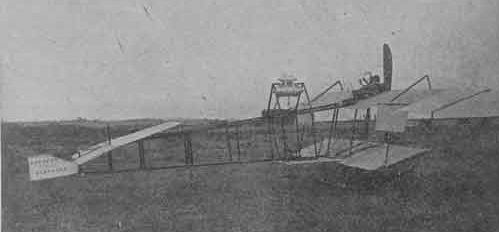
The Escofet II was built by the brothers Escofet; Rodolfo, Carlos, Julio and Armando in Uruguay, bankrolled and probably mostly designed by Enrique Martinez Velazco. It flew in August, 1910.
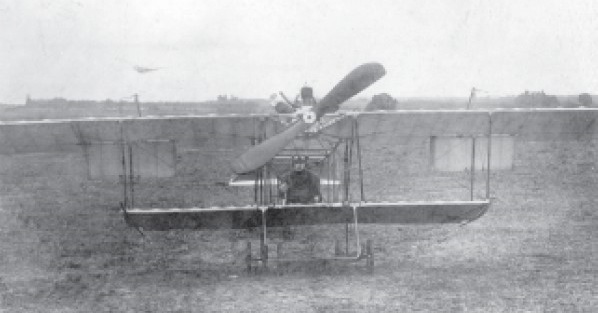
Span: 6.7 m
Length: 4.6 m
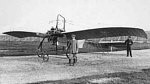
Designed and built by Ery in 1911.
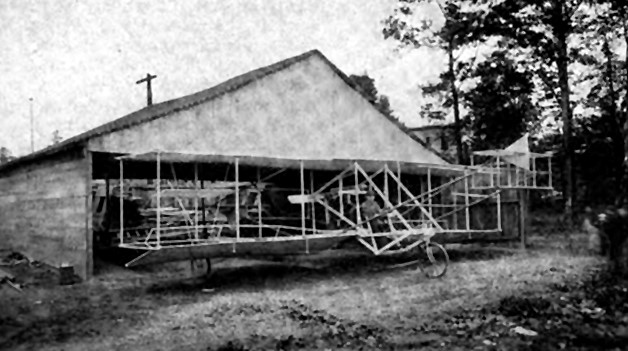
The first machine built by Louis G. Ericson, president of the Eureka Soap Company, Springfield, Massachusetts, USA, and member of the Springfield Aeronautical Club. It was a pusher biplane of Curtiss type with variable incidence lower wings with a span of 30″, a 4-cyinder. Knox 225 auto engine, removed from Ericson’s own Buick, and a total weight of 800-900 lbs. No flight was recorded. Ericson built three more machines. All crashed, and the last crash broke his hip and forced him to retire from aviation.
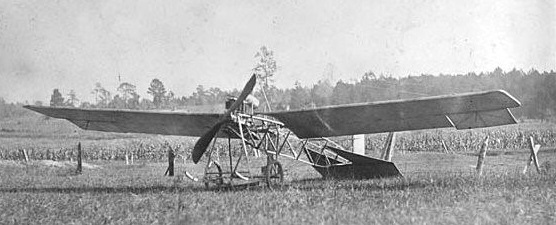
The Epps Monoplane, which made successful flights, was designed and built in 1912 by Ben T. Epps from Athens, Georgia. It was an open cockpit, single engine, mid-winged wire braced monoplane with conventional landing gear supplemented with skids.
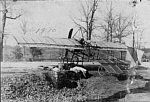
The 1909 Epps monoplane was designed and built by Benjamin Thomas Epps in the USA.
 All Aero