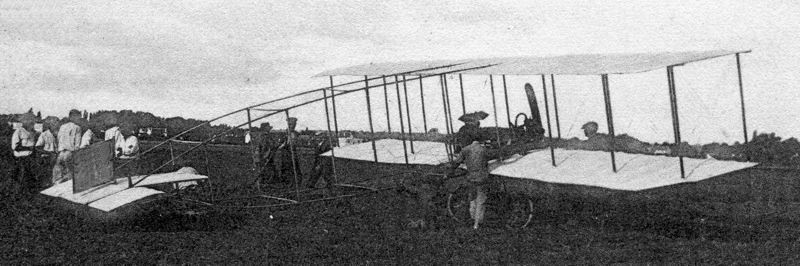
This big tractor biplane was known under two different names, after Jean Florencie and Georges Copin. It was powered by a three-cylinder Anzani and flew at Port-Aviation, France, in late 1909.
This big tractor biplane was known under two different names, after Jean Florencie and Georges Copin. It was powered by a three-cylinder Anzani and flew at Port-Aviation, France, in late 1909.
Tomasz Fleger of Warsaw (who already designed in 1911 a floatplane and airship) designed and built a small monoplane pusher in 1914, which, however, never flew.
The two-seat B.2 biplane, powered by 70 hp Gnome Rhone rotary engine, first flown 1912 and acquired by Admiralty 1914.
Flanders built four F.4 two-seat monoplanes for RFC in 1912.
The F.2 was a single-seat monoplane, flown August 1911 then altered to two-seater as F.3. As the two-seater F.3, Fisher and a passenger lost his life on 15 May 1912.
Span: 41′
Length: 31’9″
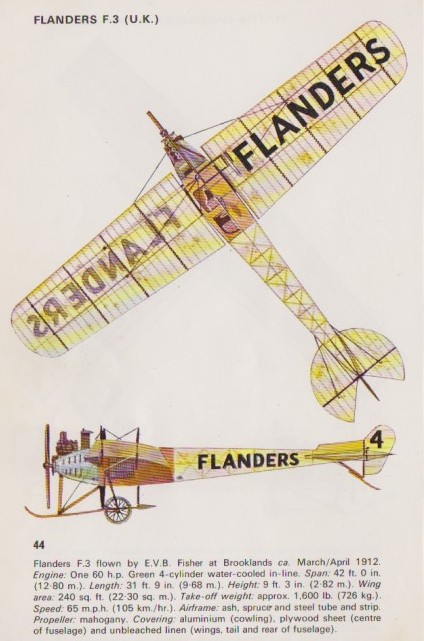
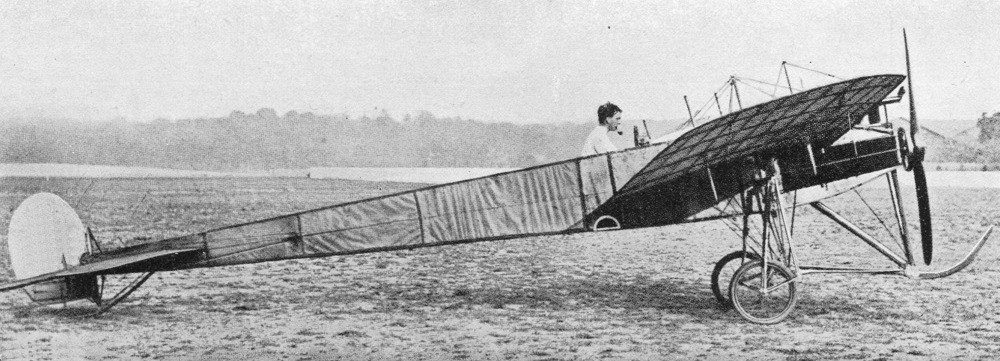
A conventional monoplane, built by L. Howard Flanders Ltd, Richmond, Surrey. It was equipped with a 60 hp Green engine and flew for the first time by E.V.B. Fisher on 31 July 1911.
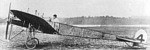
A single-seat monoplane, flown August 1911 then altered to two-seater as F.3.
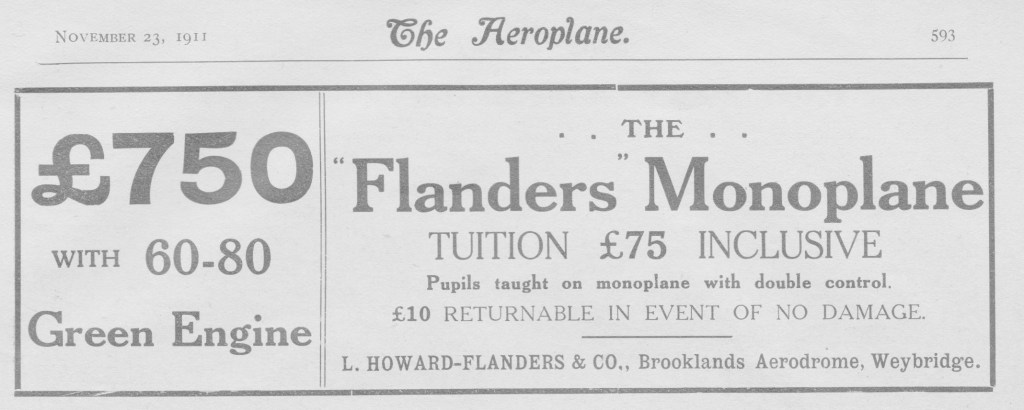
Span: 34’6″
Length: 29’6″
Dihedral 4 degree
UK
First machine, F.2 single-seat monoplane, flown August 1911 then altered to two-seater as F.3. Built four F.4 two-seat monoplanes for RFC in 1912. Two-seat B.2 biplane, powered by 70 hp Gnome Rhone rotary engine, first flown 1912 and acquired by Admiralty 1914.
The 1911 Fitzsimmons pusher monoplane was designed and built by Frank Fitzsimmons in the USA.
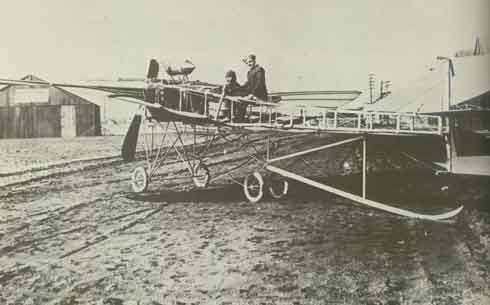
A 1911 American machine, this monoplane had folding wings, with the idea to drive the machine as a car on the ground using its elaborate 4-wheel undercarriage. It is told that the machine flew on three times for about 15-20 minutes each flight, the final flight at 50 foot height. The third time was disaster, the machine stalled, breaking ribs of the pilot (Charles Fity) and wrecking the propeller (and probably more …). When he came back the next day, he saw that his father had wrecked the complete machine. This was the end of the Fity aviation saga.
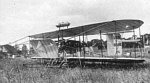
The 1911 Fitch biplane was designed and built by Fitch & Son in the UK.
Span: 33′
Wing Area: 330 sq.ft
Weight all up: 616 lb
 All Aero