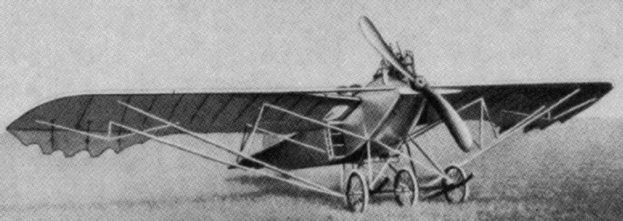
Gakkel IX
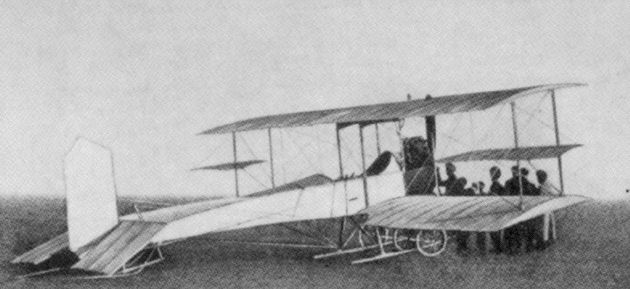
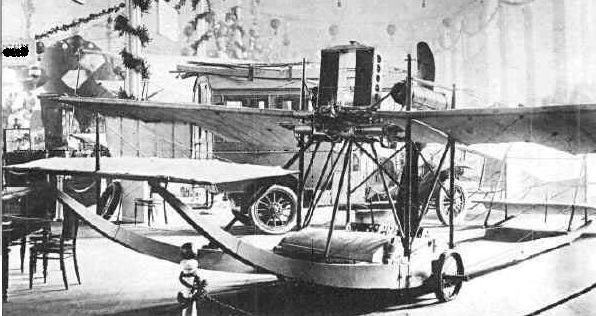
The 1911 Gakkel VII biplane was designed and built by Ya. M. Gakkel in Russia.
Span: top 32’6″ bottom 37’9″
Length: 29’2″
Weight loaded: 1763 lb
Speed: 57 mph
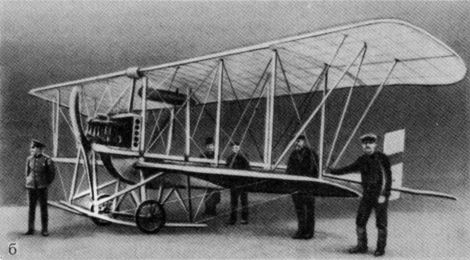
The 1911 Gakkel VI biplane was designed and built by Ya. M. Gakkel and started city-to-city flights in Russia.
Length: 29’2″
Weight loaded: 1610 lb
Speed: 56 mph
High wing monoplane powered by a 50 hp Oerlikon, designed and built in 1911 by Яков Модестович Гаккель (Ya. M Gakkel).
Span: 34′
Length: 33’8″
Weight: 705 lbs
Speed: 56-62 mph
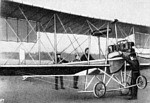
The 1911 Gakel IV biplane was designed and built by Ya. M. Gakkel in Russia.
Span: 30’10”
Length: 27’3″
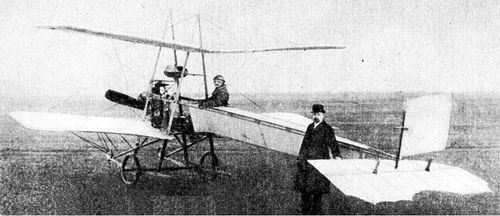
The Gakkel-III (Гаккель-III) is the second Russian airplane flown. Although recognized by the All Russian Aero-Club as the first aeroplane of Russian design to fly – on May 24, 1910 at Gatchina airfield (Гатчинский аэродром) – it was actually the second aeroplane of Russian design flying; Kudashev in Kiev was the first flying a day before. The most important recognition feature of this aircraft is wing structure without interplane struts.
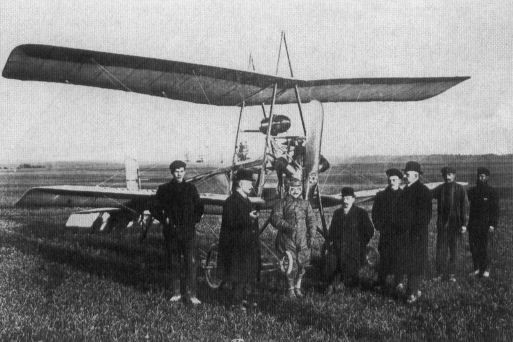
Span: 24’7″
Length: 24’7″
Weight loaded: 1235 lb
Speed: 50 mph
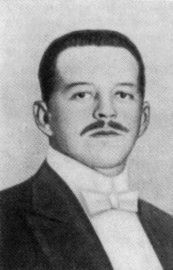
Jakow Modestowicz Gakkel (1874-1945)

A single place, open cockpit biplane Curtiss-type pusher.
One was built for exhibition use by Roy Francis and later, reportedly, one tractor version for Francis and Frank Bryant to share.
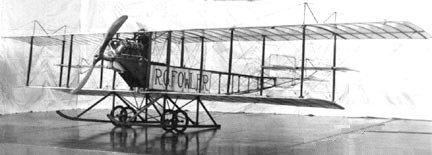
This tractor biplane is more familiar as a land plane, as it is displayed in the Smithsonian, now with a Curtiss engine in place of its original Hall-Scott. It is often referred to as the Fowler-Gage, in recognition of its owner and pilot, Robert G. Fowler. Beginning in October 1912, Fowler made numerous exhibition and passenger flights in California. He made his most famous flight in the airplane in 1913, flying ocean-to-ocean across Panama. With the Gage now on floats, Fowler started his Isthmus of Panama crossing with a takeoff from the Pacific side at 9:45 a.m. on April 27. He completed the 83 km (52 mi) flight in one hour and 45 minutes, landing with his passenger/cameraman, R.E. Duhem, at Cristobal at 11:30 a.m.
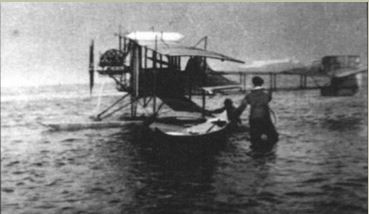
1911: Jay Gage Flying School, Griffith Park, Los Angeles CA.
c.1912: Gage-McClay Co.
Airplane builder
Poland
Brothers Paweł and Jan Gabriel from Bydgoszcz began building gliders already before World War One. In 1921 they built diminutive plane P.V (wingspan: 5 m, length: 4 m) inspired by Fokker E.V, first flown in 1921. Encouraged by its good quality designed several larger aircraft, largely inspired by Fokker D.VII. Of these only one, P.VI was actually built and flown in 1924. Although very good plane, it unfortunately didn’t get any orders, leading brother to lose interest in aviation.
 All Aero