Achille Hanssens was a Belgian who emigrated to Canada in 1899 and settled in Montreal, Canada.
He had a four-propeller aeroplane project in 1910 and also built a Bleriot and the “La Montréalaise”, a tandem-winged monoplane.
Achille Hanssens was a Belgian who emigrated to Canada in 1899 and settled in Montreal, Canada.
He had a four-propeller aeroplane project in 1910 and also built a Bleriot and the “La Montréalaise”, a tandem-winged monoplane.
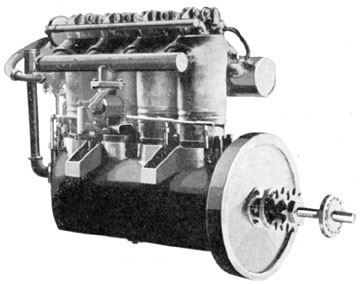
In 1910 Hansen & Snow built a four-cylinder aero engine producing 35hp@1200rpm from 226.2ci, with a dry weight (minus flywheel) of 105 lb.
(W G) Hansen & (Leland L) Snow
Pasadena CA.
USA
Built a 35 hp aero engine in 1910.
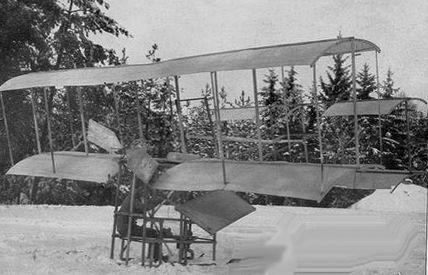
In 1908 Friedrich Hansen built two aeroplanes in Zürich and made some “hops”.
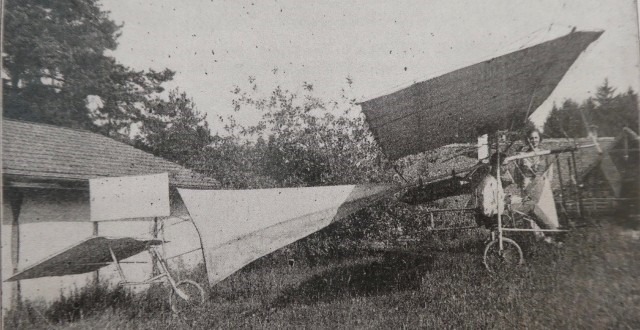
In Zürich, Switzerland, Friedrich Hansen built in 1909 the Monoplan III monoplane which crashed after some trials.
Friedrich Hansen was born in 1890 in Aachen. In 1908 he built two aeroplanes in Zürich and made some “hops”. In 1909 he built the Monoplan III monoplane which crashed after some trials, and then flew Wright and Blériot machines in Pau. In 1911 he designed the Statax motor in England. He returned to Germany at the start of the war, but was wounded. In December 1914 he founded Flugmaschine REX GmbH together with the businessman Walter Gutbier in Köln-Ossendorf, and designed a fighter. In 1923, he moved to Switzerland where he built engines. He was also the author several books about aviation.
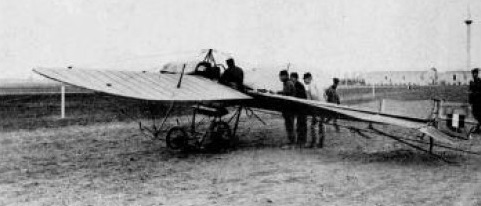
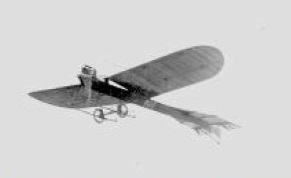
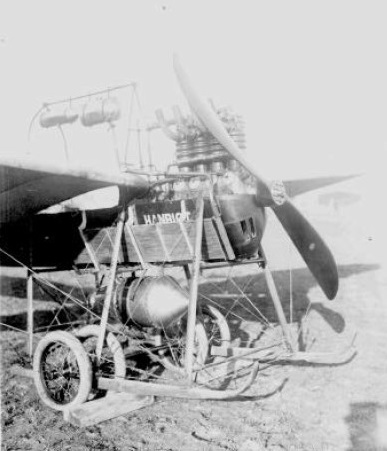
Hanriot’s entry into the 2nd Military Trials in 1912 was smaller than the X or XI. The fuselage appears to be all-wood, and the undercarriage is reduced to four legs. The pylon is a pyramid similar to a Nieuport or Morane-Borel, and a high metal cowling encloses the Gnome engine. This would seem to the last of the early-style Hanriots.
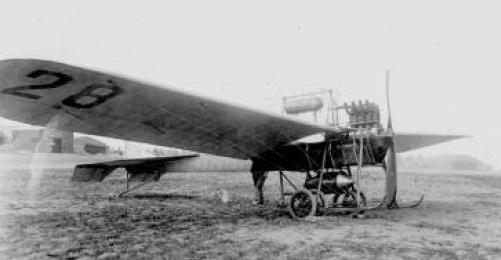
The third Hanriot entered in the 1911 Concours military trials had a 200hp Clement-Bayard. Photos show a machine similar to the IX but with an extended wingspan, single, larger tank hanging form the pylon and triangular, non-arched pylon uprights front and back. It looks to have a 100hp Clement-Bayard. This is the machine featured in the Automobiline ad.
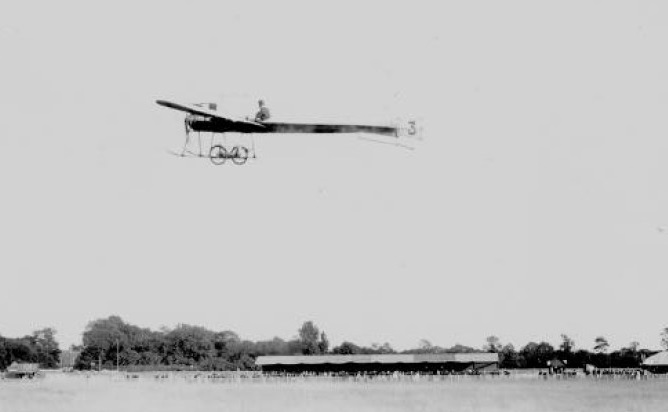
The longer-winged 100hp machine at the 1911 Concours Militaire has a “28” on the underside of the starboard wing.
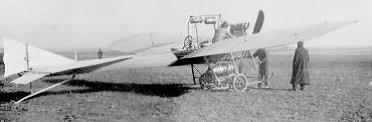
Hanriot entered three machines into the 1911 Concours military trials. A larger machine than the VIII, the 100hp Clement-Bayard powered IX had two pair of wheels, a fuel tank carried below the fuselage in the middle of the undercarriage birdcage, and two smaller tanks on the pylon. The rear pylon uprights were curved, coming to a point at the top rather like a gothic arch. Radiators are mounted on each side of the forward fuse Antoinette-style. The rear fuse is fabric-covered and the rudder is completely above the stabilizer/elevators (whereas earlier types had a “fishtail” rudder centered on the back end with small fins above and below the fuse). Curiously, there is one photo of what appears to be this machine with an early-style rudder. There is a large steering wheel in place of the trademark Hanriot dual levers.
A photo of Dubreuil in the cockpit of the shorter-winged one (IX) shows a small “23” on the fusealge side, near the seat.
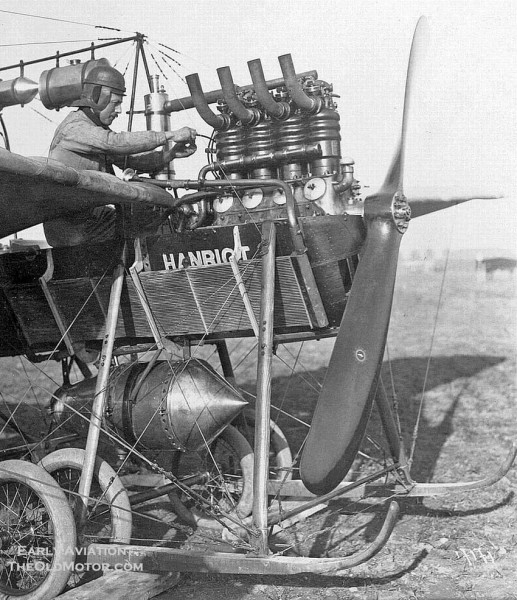
Built in cooperation with Henri-Hubert Pagny, who had previously worked with Nieuport. This 100 hp Clement Bayard powered machine, the first of the Antoinette-developments by Hanriot, was designed for the Concours Militaire de Reims in October 1911, where it was flown by Gaston Dubreuil.
Hanriot entered three machines into the 1911 Concours military trials. The VIII looks very similar to but perhaps a little larger than the VII, except there is no tank on the pylon. Since one of the requirements of the Concours was that the aeroplane carry three people, possibly the tank was moved in the interest of headroom.

Hanriot’s craft was passed over at the trials because the fuselage was very slender and open which left the crew unprotected.
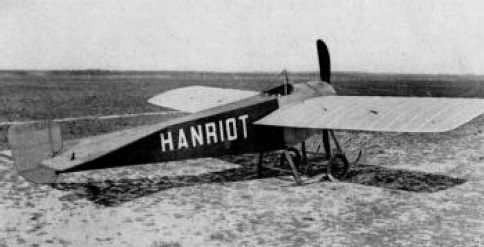
The VIII should be powered by a 40hp Clement-Bayard.
 All Aero