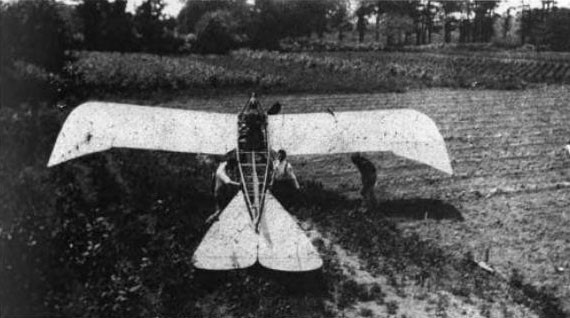
The Model A was the first monoplane of the brothers Albert & Arthur Heinrich from Baldwin, New York, on which both taught themselves to fly. Its maiden flight was made in May of 1910, and was powered by a 60 hp Emerson boat engine.
The Model A was the first monoplane of the brothers Albert & Arthur Heinrich from Baldwin, New York, on which both taught themselves to fly. Its maiden flight was made in May of 1910, and was powered by a 60 hp Emerson boat engine.
Brothers Albert & Arthur Heinrich from Baldwin, New York, were previously active in the boat business and both taught themselves to fly in their own Model A.
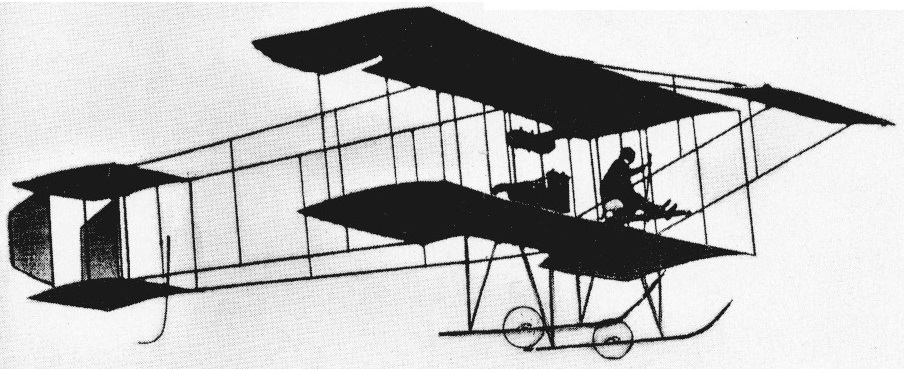
In 1909, after attended an international airshow in Frankfurt am Main, he determined flight was the future of transportation, and the following year, he built his first aircraft.
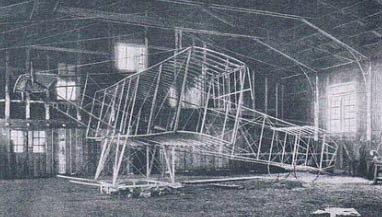
Working from a set of plans by Henri Farman, Heinkel’s aircraft was originally powered by a modified marine engine, but first flew his biplane at Cannstatter Wasen near Stuttgart in July, 1911, with a 50 hp engine on loan from DMG (Daimler). Heinkel crashed the plane and suffered severe injuries on 19 July, 1911.
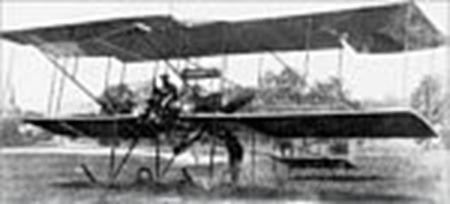
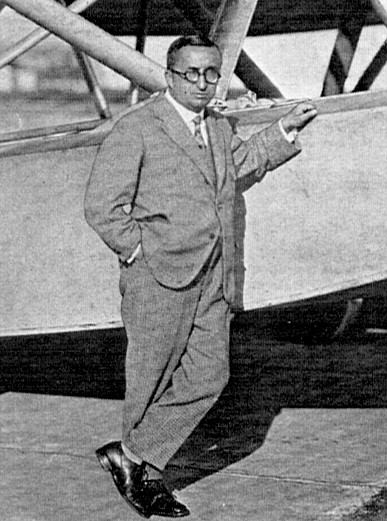
Ernst Heinkel was born in Grunbach, Germany, today a part of Remshalden. As a young man he became an apprentice machinist at a foundry. Heinkel studied at the Technical Academy of Stuttgart, where he initially became interested in aviation through a fascination with Zeppelins. In 1909, after he attended an international airshow in Frankfurt am Main, he determined flight was the future of transportation, and the following year, he built his first aircraft.
Ernst Heinkel established his own company shortly after the liquidation of Hansa Brandenburg, building a series of single-engined seaplanes (He 1 to He 8) in Sweden to circumvent the ban on the construction of military aircraft in Germany.
Heinkel, created in 1922, dealt with design, building of prototypes and small series. Large-scale production was not available, since all its production areas were limited to old aviation hangar in Varnemyunde.
The general practice was using HD designations for Heinkel Doppeldeckers (biplanes) and HE designations for Heinkel Eindeckers (monoplanes) was dropped in favour of He designations.
The He 51 biplane fighter went into production for the Luftwaffe in the 1930s and served with the Condor Legion in Spain. When the Heinkel He 70 passenger/mailplane appeared in 1932, ostensibly for Deutsche Lufthansa, it was the most advanced aerodynamic design then seen in Europe. A natural outgrowth of this design was the Heinkel He 111 twin-engined bomber which served with the Luftwaffe throughout the Second World War. A Rolls-Royce Merlin-engined version of the He 111 was built by CASA in Spain, and served with the Spanish Air Force until the late 1960s. Heinkel also produced late in the war the He 162 Volksjager (People’s Fighter), a lightweight turbojet fighter constructed almost entirely of wood. Heinkel had designed, built and flown the world’s first jet aircraft, the He 178, in 1939. Other significant Heinkel projects included the He 177 Greif heavy bomber and the He 219 Uhu nightfighter.
Heinkel joined VFW in 1965.
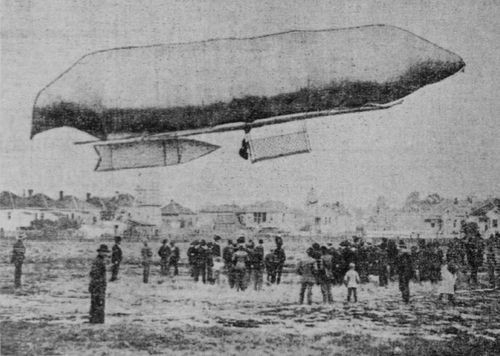
George E. Heaton’s 1904/05 Oakland/Bay-area airship, the California Messenger, making its first trial on December 2, 1904, at a field in East Oakland (north of the Tidal Canal, east of 23rd Ave.). At Idora Park during the following February it was on the California Messenger which world-renowned birdman Lincoln Beachey made his first powered-flight.
In 1918 Edward B Heath built two 4-cylinder, inline water-cooled aero engine.
The 4-B produced 75hp.
The 4-C prodeced 40-60hp.
In 1909 Edward B Heath built a 25hp 2-cylinder aero engine.
The 1909 Heath monoplane was designed and built by Ed. Heath.

The tandem Hayot multiplane had divided tail surface in the foreground, preceded by five sets of small triplane wings going forward to the nose.
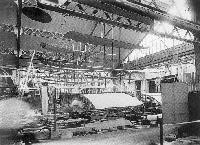

The Hayot 1911 monoplane was designed and built by Captain Hayot in France.

1911
Span: 39’4″
Weight: 1100 lbs
1913
Span: 42’8″
Length: 28’4″
Weight empty: 1212 lbs
 All Aero