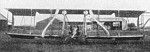
The 1910 Jezzi No. 1 tractor Biplane was designed and built by Leo Jezzi in the UK.
The 1910 Jezzi No. 1 tractor Biplane was designed and built by Leo Jezzi in the UK.
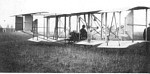
The 1910 Jezzi No. 1 pusher biplane was designed and built by Leo Jezzi in the UK.
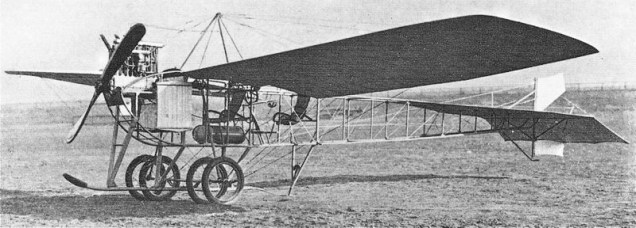
The first of Emil Jeannin’s monoplanes, the 1912 Eindecker Typ A design was the basis for all Jeannin’s Eindecker before the Stahltaube. It was sold with a 50/70 hp Argus, or a Gnôme engine.
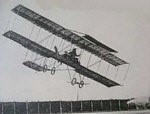
The 1910 Jeannin biplane was designed and built by Emil Jeannin in Germany.
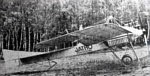
The 1911 Jatho “Stahltaube” (“Steel Dove”) monoplane was designed and built by Karl Jatho in Germany.
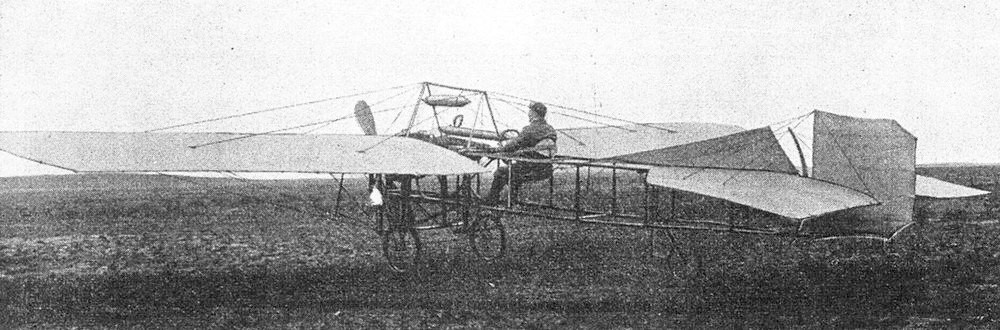
This 1910 Jatho Eindecker was first fitted with a 35 hp Koerting engine. It is likely that this Blériot-inspired monoplane was later identified as the Jatho V, later fitted with an Argus engine.
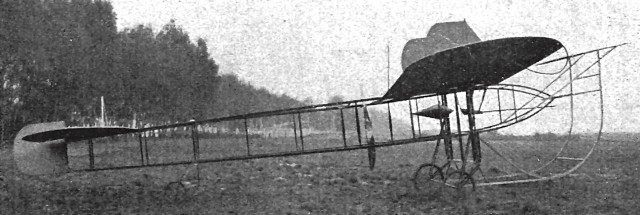
Not much is known about this pusher, which was designed by pioneer Karl Jatho (1873-1933) of Germany. It had a 50 hp Argus engine, a wing span of 11.8 m and a maximum speed of 70 km/h. It was built by the Hannoversche Flugzeugwerke GmbH in 1910 and was reported to fly well.
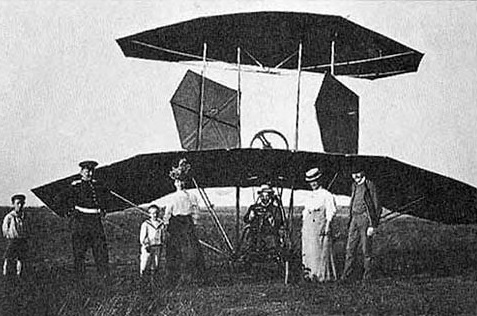
Rebuilt from Karl Jatho’s earlier Dreidecker, which had been damaged on August 21, 1903, the Jatho Doppeldecker “Motordrachen” of 1903 was powered by a 9-12 hp Buchet motor, belt-drive pusher propeller.
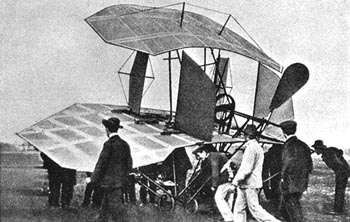
Two Germans, Gustav Weisskopf and Karl Jatho, made the first motorized flight on August 14, 1901 with a 21-horsepower monoplane with 12 horses, a flight of 850 meters. The second was a similar performance on August 18, 1903.
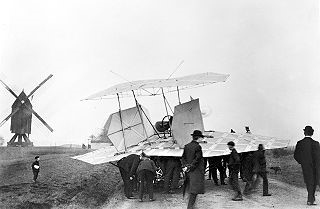
It is on the moor of Vahrenfelder, that Karl Jatho flew 18 meters, rising to 1 meter of height, with his biplane type “Zweidecker I”. The propulsion was from a two-bladed propeller and single-cylinder Buchet engine of 9 horses.
Engine: Buchet, 9-12 hp
Wingspan: 8 m
Wing area: 36 sq.m
Length: 3.6 m
Height: 1.78 m

Austrian Paul Jaritz after finishing his engineering studies in 1911 went to Leipzig, where he met Wilhelm Weidenauer, who was in the bicycle and motorcycle business and wanted to enter the field of aviation. So Jaritz built a steel-tube monoplane and Weidenauer constructed the 30 hp 4-cylinder engine, composed from two pacemaker engines. The Lindenthal airfield offered a shed for free.
The aircraft was ready in spring 1912 and test flying continued until summer. A couple of flights were accomplished, but the engine proved quite troublesome. It quickly overheated and lacked in power.
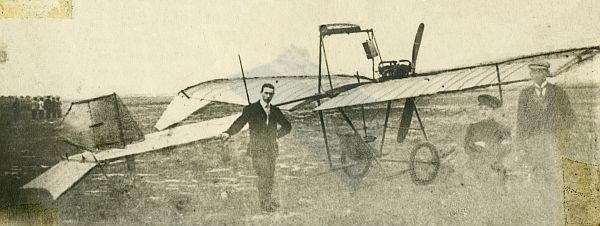
Weidenauer then built another engine, this time a 50 hp with 5-cylinders, probably a radial or fan-type. But before that was completed Jaritz was ordered home for his military service and the liaison came to an abrupt end.
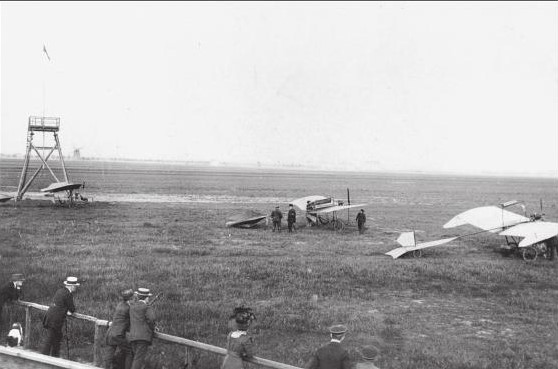
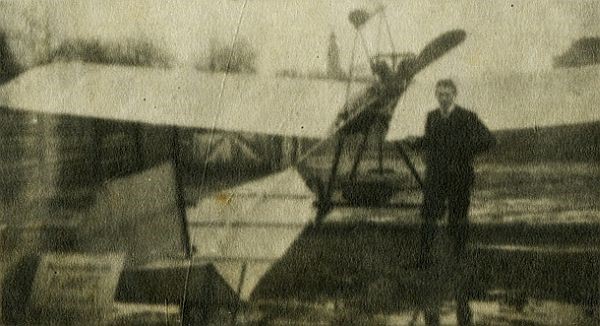
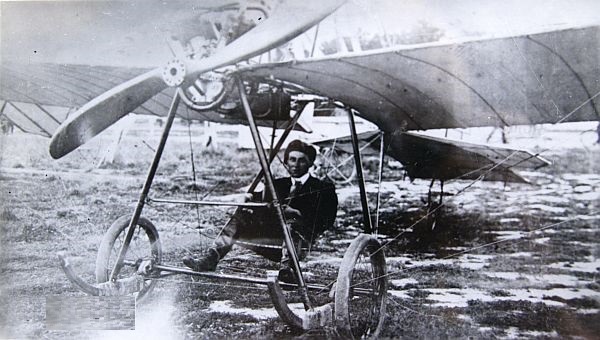
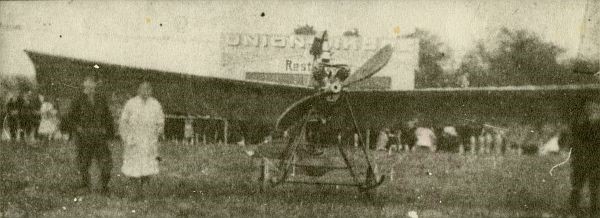
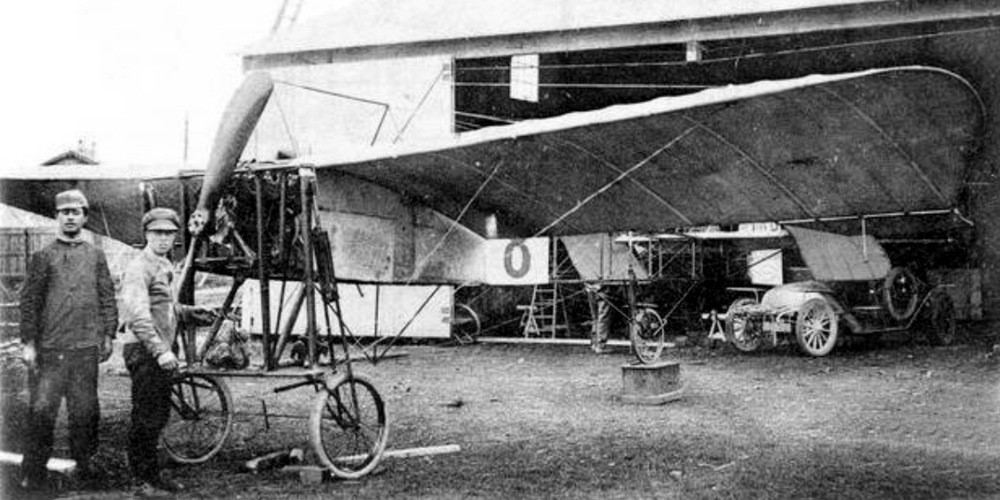
Powered by a 40 hp air-cooled JAP V-8 engine, the JAP-Harding 1910 monoplane carried race number 8 from the May 1910 Lyon meeting. It did not fly there, but flew successfully in France and Britain.
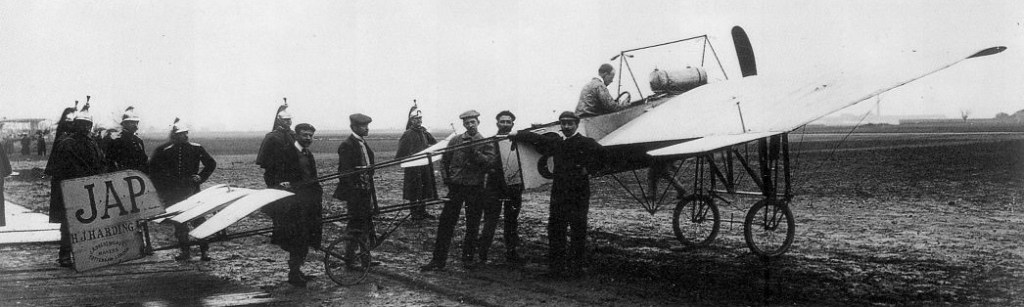
The plane still exists, at the London Science Museum.
Span 30 ft
Length 27 ft
Weigh, 510 lb.
Speed: 50 mph
 All Aero