Levasseur Antoinette / Antoinette IV / V / VI / VII / VIII

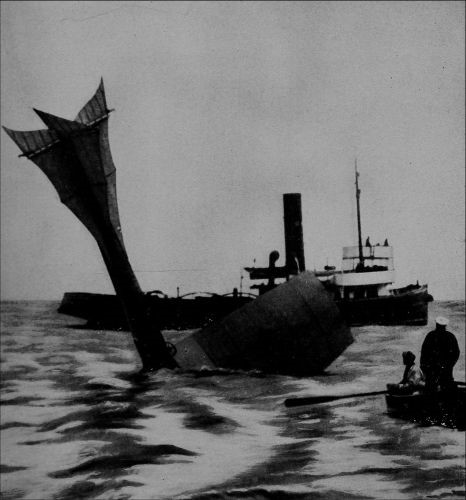
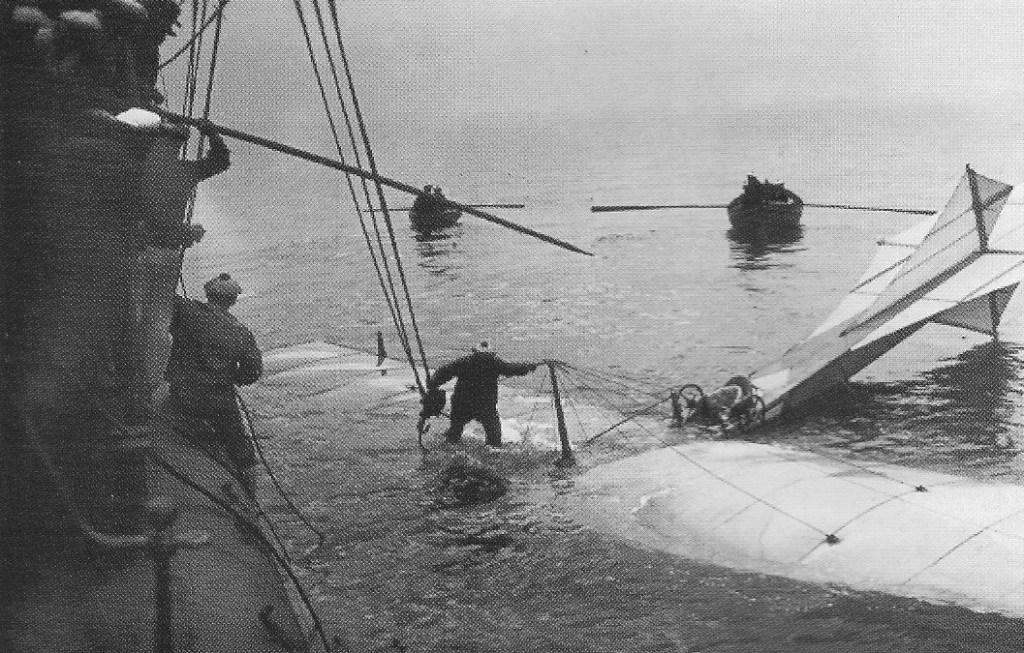
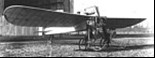
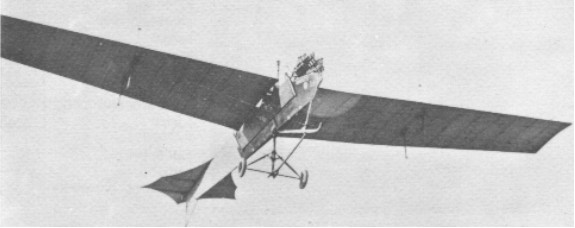
Designer Leon Levavasseur produce the first Antoinette (model IV) in 1908. The Antoinette IV was a single-engine one-seat monoplane with aft-mounted aileron surfaces. It was first flown at Issy on 9 October 1908 but was not demonstrated to the public until early 1909. English pilot Herbert Latham made a number of test flights with the type IV and attempted a Chsnnel crossing on 19 July 1909 but landed in the sea.

Several records were flown, like the first German cross country and the first time at 1000m height.
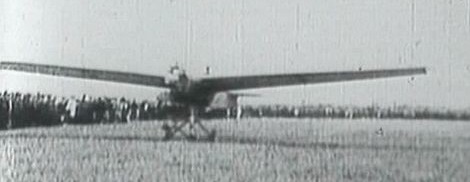
Antoinette IV

The Antoinette V, first flown on 20 December 1908, was a variant of Antoinette IV with wing warping instead of ailerons. The Antoinette would set a world distance record 96 miles in 2 hours 19 minutes.

The 1909 Antoinette VI was similar to the Type IV & V but with true ailerons (later converted to wing warping)
Antoinette VI

Latham flew the improved Type VII in July 1909. This featured a warping wing control system, larger engine, and other minor changes.
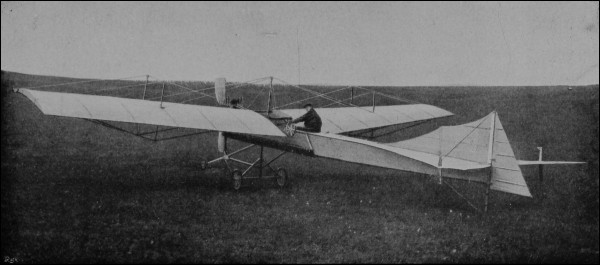
Latham’s “Antoinette”

On 19 July 1910 it too landed in the sea one mile short of the English coastline.
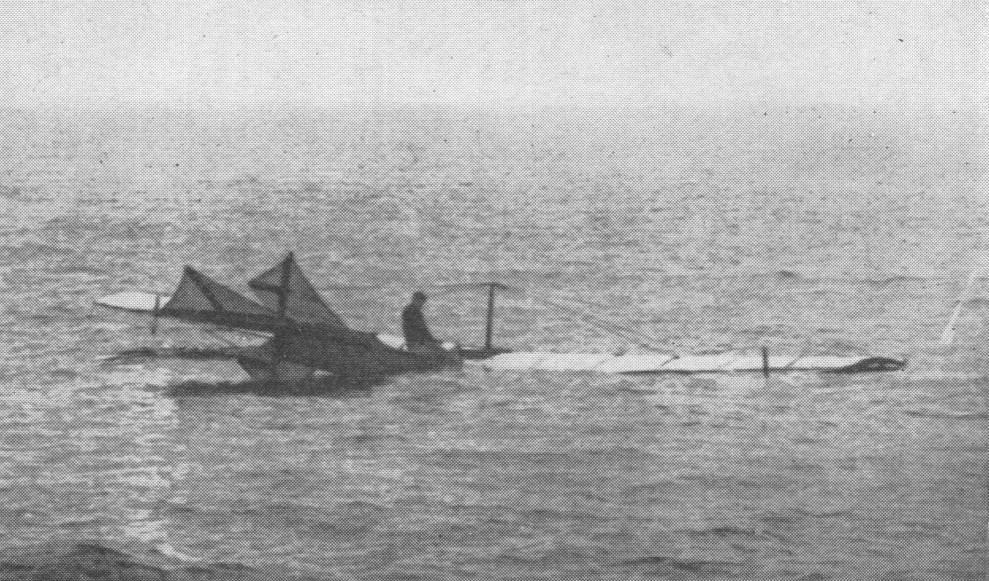
Latham’s Fall into the Channel
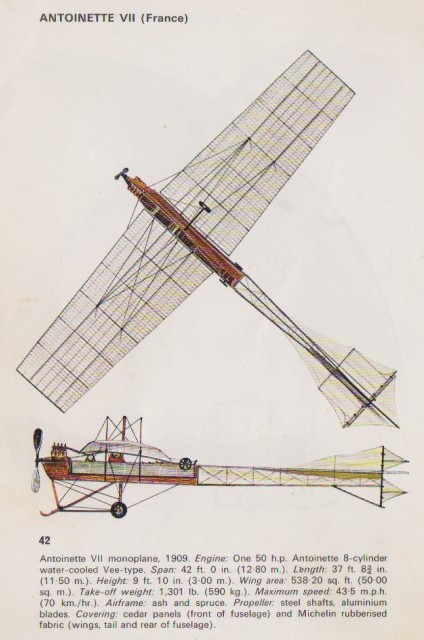
Antoinette VII

In 1910 Latham built his own Type VII using original Antoinette plans and it was flown regularly for several years in his experiments with monoplane designs.
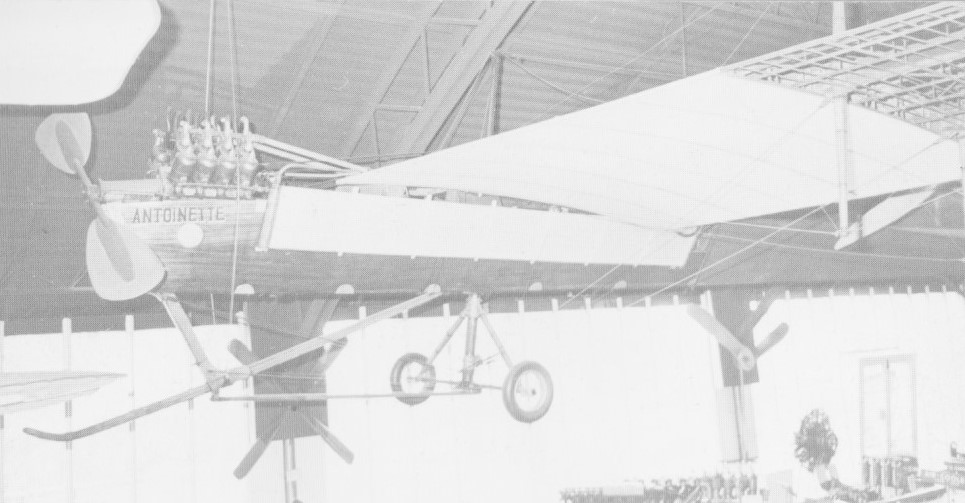
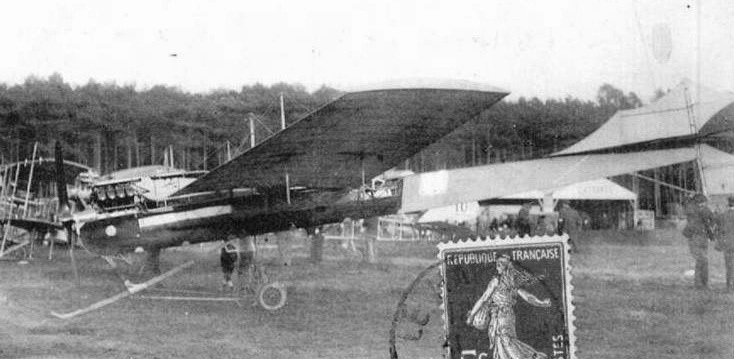
Latham Antoinette VII
Küller’s Antoinette VII

Gijs Küller flew an Antoinette VII with an 50 hp E.N.V. engine at the 1910 Rouen meeting.
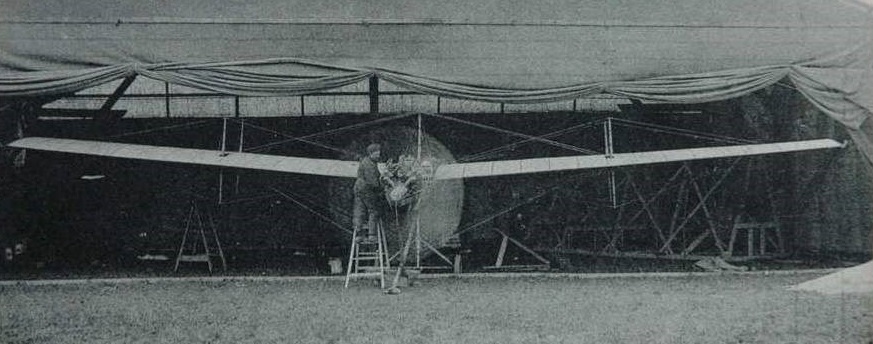
Küller’s Antoinette VII
Antoinette VIII

The 1909 Antoinette VIII monoplane was similar to the previous types but the wing span was 46 feet.

Replica:
Hants & Sussex Aviation Antoinette

Gallery

Engine One 50 hp Antoinette.
Length 37 ft. (11.5m)
Wing span 42 ft (12.8m)
Weight empty 992 lb (450 kg)
Seats: 1.
Speed: 43 mph (70 kph)
Range 96 miles (155 km)

Latham Type VII
Engine: Antoinette V-8, 50 hp
Wingspan: 42 ft
Length: 37 ft 8 in
All up weight: 1300 lb
Max speed: 44 mph
Letur Parachute-dirigeable

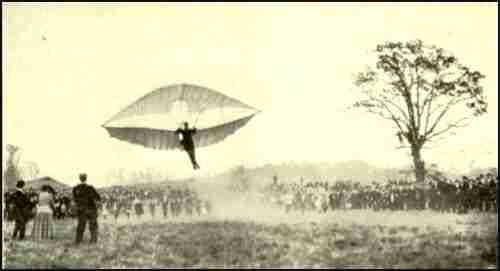
Designed and patented by Louis-Charles Letur (French brevet dated July 1852); the first pilot-controlled, heavier-than-air machine to be flight-tested in France and Britain. The fateful last flight by Letur at London’s Cremorne Garden on June 27, 1854 resulted in a fatal accident. The story is told in the references differently, nevertheless, the machine was suspended below the balloon of William Adam which was intended to get the “parachute-dirigeable” to the required height, but was almost immediately seized by heavy winds. The balloon did not get much height and bounced the machine over the obstacle-littered ground with Letur fastened by ropes to his seat. Fatally wounded, he lived only a few hours after the balloon and machine came back to earth to a complete stop.

Letord

Établissements Letord – Société d’Aviation Letord – 1921-1922

Beginning in 1909, Emile-Louis Letord began construction of aircraft out of a facility in Meudon near Paris, France. Ultimately the company was commissioned to build aircraft from other manufacturers (including Dorand and Nieuport) until the concern headed development of their own three-seat biplane – the Letord Let.1. The series encompassed the Let.1 up to the Let.7 and some 1,500 were eventually ordered by the French Air Force for service in World War 1 (1914-1918) but only about 300 were realized.

This company built bombers to designs of the Section Technique de I’Aeronautique, 1916-1918, as the Establissements Letord at Chalais-Meudon. The last of these aircraft to be developed was intended as a night bomber. It was in the same class as the Handley Page bombers, with a wingspan of 25.91m. In 1923 Letord built an experimental aircraft for the government, which was evolved by Becherau, designer of the prewar Deperdussins. In 1925 part of the works was let to Villiers, which built racing aircraft and the small Albert biplane produced under license of Tellier-Duhamel.

Lesh 1908 glider

Lawrence J. Lesh made his first flight in a glider in Chicago in 1906 at the age of 14. In 1908 he had an accident with his own glider at Morris Park, New York, which confined him to hospital for over seven months. Though only a boy of 17 years, Lesh had done a great deal of experimental gliding from the age of 14. He held the world’s record, having made a flight of more than six miles in length over the St. Lawrence River, towed by a motorboat.

Lesh, Lawrence J.

Lawrence J. Lesh made his first flight in a glider in Chicago in 1906 at the age of 14. In 1908 he had an accident withhis glider at Morris Park, New York, which confined him to hospital for over seven months. Though only a boy of 17 years, Lesh had done a great deal of experimental gliding from the age of 14. He held the world’s record, having made a flight of more than six miles in length over the St. Lawrence River, towed by a motorboat.

Lescarts N’Deke Mwaope

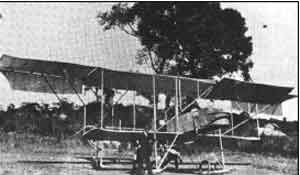
In April 1912 Fernand Lescarts, with the financial help of King Albert, travelled from Belgium to the Congo bringing with him a Farman biplane. The Farman was destroyed during the journey whereupon Lescarts designed and built a new biplane, and named it N’Deke Mwaope (White Bird), which flew pretty well until a violent windstorm wrote an end to the story.