Mars Skylark

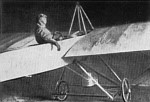
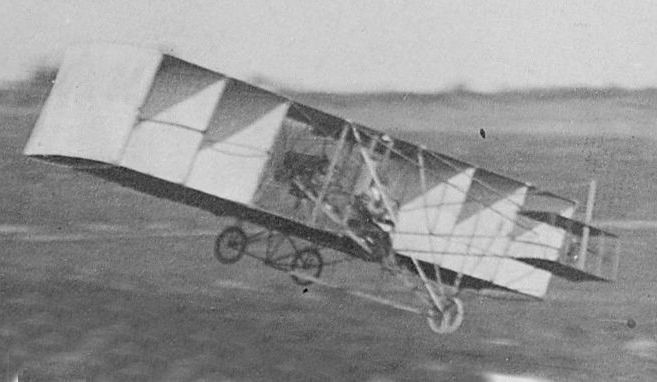
The Philippines can claim south-east Asia’s earliest encounter with manned powered flight, when American aviator James C. “Bud” Mars thrilled spectators in his Skylark pusher biplane (a modified Curtiss design) at the Manila Carnival on February 21, 1911. Mars was part of a Pacific Aviation Exhibition tour organised by fellow American Capt Thomas Baldwin, who followed Mars’s Skylark display at the Carnival with a demonstration of his own Baldwin Red Devil, the pair having arrived with their dismantled aircraft aboard a steamer from Hawaii ten days previously. The exhibition had not gone so well in Hawaii, where the locals had quickly established a principle that has caused headaches for airshow organisers ever since; why pay for a ticket to enter the showground when you can see an air display from any nearby vantage point? The Manila Carnival organisers must have found a way to sidestep this issue, as the pair of aviators made numerous flights during the week-long festival. Baldwin sold his machine before the duo moved on to complete the Pacific tour with visits to Thailand, Hong Kong and Japan.

A replica of the Mars Skylark built by students at the Philippine Air Transport & Training Services College of Aeronautics in 2011 now hangs in the Philippine Air Force Museum at Villamor Air Base near Manila.

Marichal Estudiantil

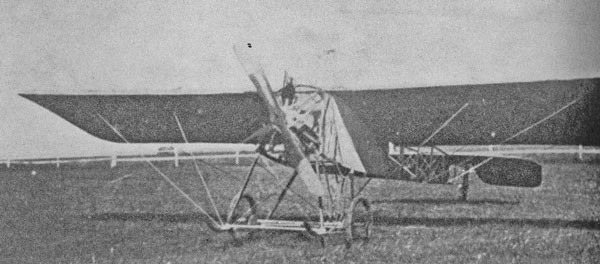
A monoplane built in Argentina by the Chilean Edmundo Marichal, and fitted with an Anzani Y 35hp engine. Marichal had produced some modified Bleriots before constructing the “Estudiantil” in the spring of 1913. It was used by the school of military aviation and had the distinction of being involved in the first aerial collision in Argentina in late November 1913, in which it was destroyed.

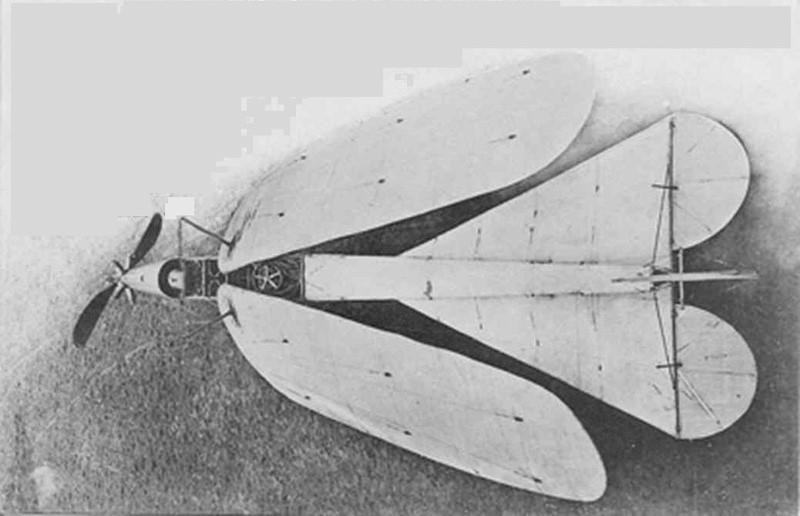
Marçay-Moonen 1911 monoplane

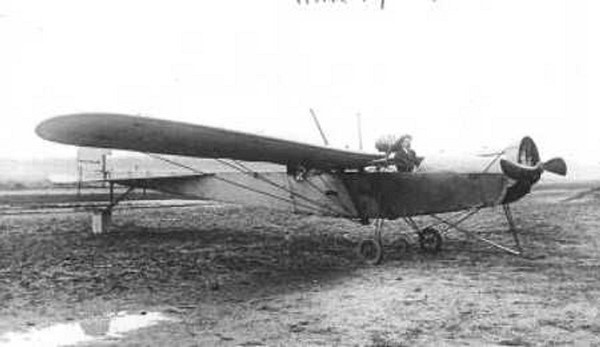
In 1911 the French army wanted to have an aircraft easily transportable and quickly dismountable from one location to another by road or railway. It was also required that the aircraft could be reassembled quickly. Baron Edmond de Marçay and Emile Moonen simplified the problem by imagining a device with wings folding along the fuselage, which was triangular and completely covered. The pilot could fold the wings without help and afterwards, according to the inventors, drive the machine on the road like a car, using the steerable rear wheels. The machine was first presented at the 1911 exhibition.

Manning Comet

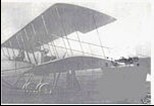
H. W. Manning had little experience with airplane design, but using the financial resources of his gas mantle business, Manning and his sons built an airplane they called “Comet I”. Son Jack made unimpressive test flights, but he convinced his father to build a larger plane, dubbed “Comet II”. They unsuccessfully displayed the machine in Baker City, Oregon on July 4-5, 1910. During the summer the Mannings attempted flights near Astoria, Oregon, and they also built a “Comet III” before giving up as constructors.