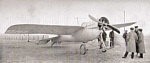
Orme 1908 biplane

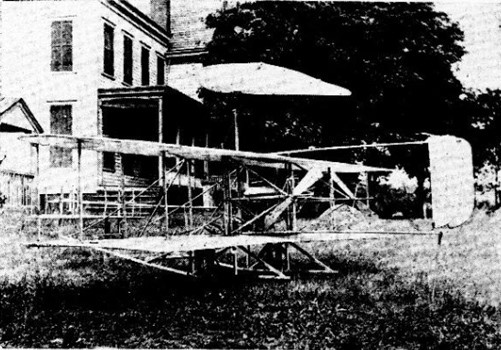
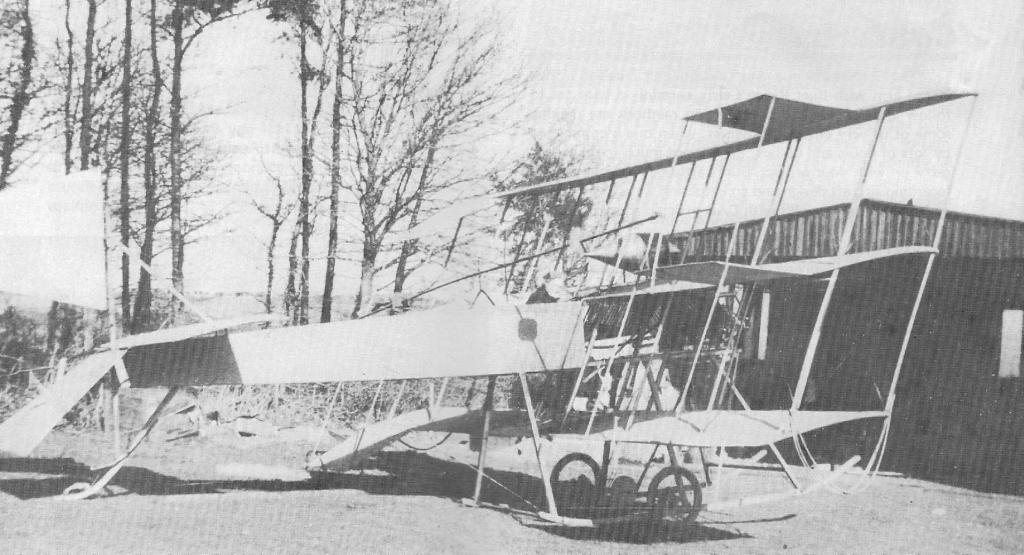
Washington DC man Harry Orme’s machine was generally similar to a Wright biplane, but differed in several respects. It was powered by an 8 hp 45 lb Belgian-made motor driving two propellers, with variable pitch. Over the top wing was a smaller “mushroom-shaped” wing on springs, capable of being distorted, and “intended to act as a bird’s tail does”, which Orme claimed would “prevent the sudden plunging of the aerial craft to the earth if any mishap occurs.” It didn’t help in December of 1908 when a loose wire got in the way of the propellers, breaking them, and ruining many support wires. The plane probably never flew again

Orlandi Hybrid hot-air/hydrogen Balloon

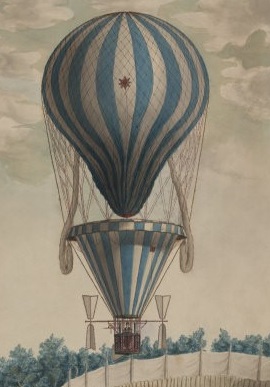
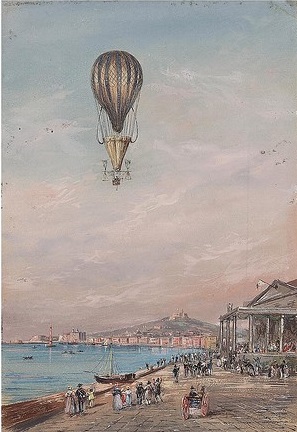
Francesco Orlandi, the most successful with hybrid hot-air/hydrogen type of aerostat, published a treatise on ballooning, suggesting this new design, in 1800. His first flight did not occur until August 30, 1825 after which he made 40 flights. Despite the death in June 1785 of Pilatre de Rozier and Jules Romain in their combination hot-air and hydrogen balloon, experimenters continued to build balloons that combined these elements. The aeronaut Francis Olivari lost his life in one on November 25, 1802, at Orleans, as did Francesco Zambeccari on September 21, 1812, near Boulogne.

Onigkeit, Otto

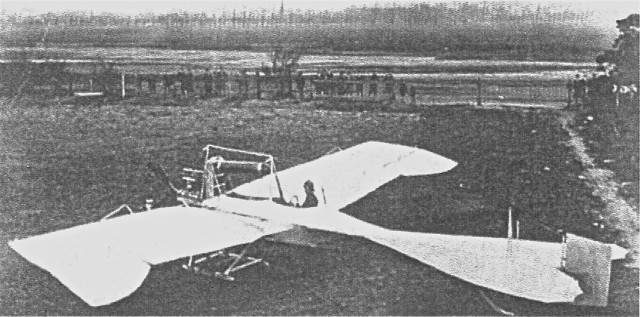
Otto Onigkeit from Magdeburg built four monoplanes before the War; the last one, built in 1914. It was powered by a 50 hp RAW engine.

After the War, in 1921-1923, he built a man-powered plane with crashed at it first taking off in 1923. Otto Onigkeit was heavily injured.

In 1924 he built a little biplane which he flew until 1935.

In 1925-1926 he built a monoplane.

At last, in 1938, he built a new man-powered plane, propelled by pedal-driven swinging trailing edge surfaces, which flew several times.

Ogilvie Triplane

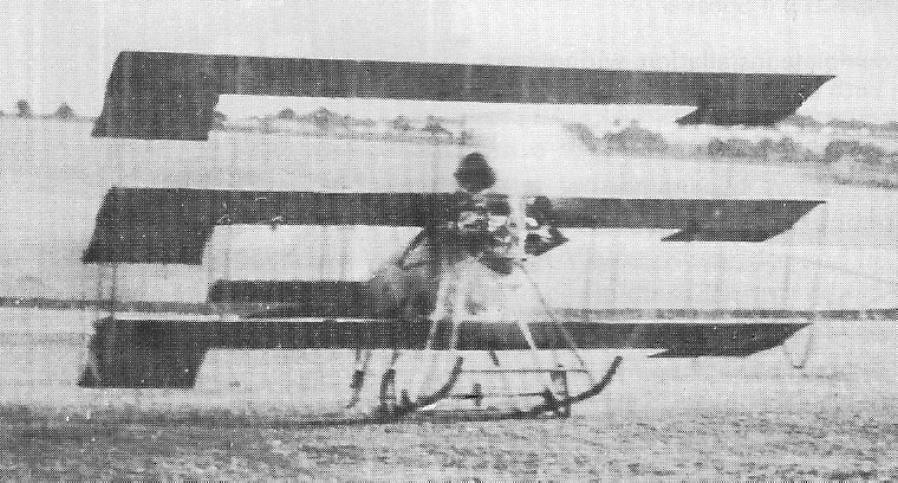
The second machine of Bertram Ogilvie wa a larger triplane about 12 feet high at the upper mainplane. The success of this aircraft is reputed to have been no better than that of the first. But Bertram Ogilvie, and Arthur Pickard-Hawkins, his employer, who’s help and encouragement had been instrumental in construction of these first two machines, set about building a third, still with the intention of testing Ogilvies ‘briai child’ the aileron.

Prior to construction of his first aircraft, Ogilvie built a small wing of about 4 foot span, mounting it behind a motor vehicle, and had observed its reaction when, with the aid of cords, the ailerons were activated.

By all accounts, the third aircraft proved successful, and Lord Kitchener who witnessed flights at ‘Grafton’, the Pickard-Hawkins’ property at Maraenui near Napier, was so impressed that he undertook to arrange publicity for Ogilvie and his aircraft should he take it to England.

On arrival in the UK Ogilvie and Pickard-Hawkins assembled the aircraft at Aldershot. With top military personnel present in preparation for Oglvie’s display, difficulty was experienced in coaxing the engine into life and, in the ensuing confusion the throttle was left open. When the motor finally fired the aircraft careered across the airfield and was wrecked.

Arthur Pickard-Hawkins returned to New Zealand but Bertram Oglvie remained in the UK and became and aircraft designer with Handley Page Ltd.