It is reported the in 1912 the Peterson Aerial Transportation & Defense Co built an aircraft of some sort.
Pioneers
Patrocínio Aerostato/Dirigivel Santa Cruz
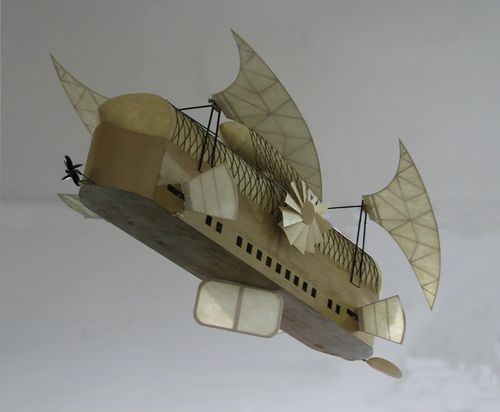
A machine devised by the Brazilian José do Patrocínio. The machine was variously named the Aerostato Santa Cruz or the Dirigível Santa Cruz. It was a mix between lighter and heavier than air. The balloon (hydrogen gas filled) mounted on top of the fuselage lifted the machine in the air, where it paddled along with the “Mississippi-wheels” mounted at the side. To navigate the machine several rudders were installed. It seems the construction at the top were auxiliary wings. Patrocínio started construction in mid-1901, but fate struck as on December 12, 1901 a violent storm hit Rio de Janeiro and destroyed the building hangar completely, killing two of the workforce and wounding five man. In already failing health Patrocínio started all over again, selling everything he had to fund the new project. In the end he lived in a small room next to the building hangar. But his life work was not finished and he passed away in 1905.
Paterson-Francis 1913 Twin-Tractor
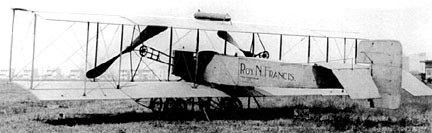
The Paterson-Francis Twin-Tractor of 1913 was a two-place open cockpit biplane. It was powered by Hall-Scott V-8 with two chain-driven props. A developed version of the 1912 Fowler-Gage, the plane’s components were designed and built in San Francisco by Francis, then shipped to Cicero IL for assembly. It crashed on its test flight and disappeared soon afterwards, either stolen or vandalized.
Paterson-Francis 1913 flying boat
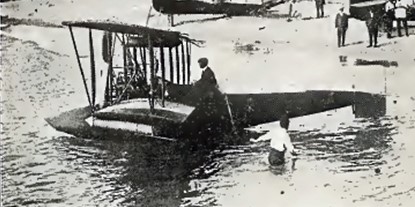
A flying boat with the engine mounted in the front of the (boat) fuselage, driving two tractor propellers via chains. Roy Noel Francis was a designer and aviator who in 1913 founded the Paterson-Francis Aviation Company. Charles Paterson was probably the financier. The machine was built in 1913 for the Great Lakes Reliability Tour. It apparently did survive the Great Lakes event and is reported to have been packed up by Francis and sent home, but nothing seems to be mentioned afterward. Around the same time, Paterson was reportedly building a monoplane flying boat.
Paterson-Francis Aviation Co
Roy Noel Francis was a designer and aviator who in 1913 founded the Paterson-Francis Aviation Company. Charles Paterson was probably the financier.
Paterson No. 2 biplane
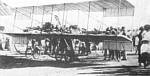
The 1911 Paterson No. 2 biplane was designed by C. C. Paterson and built by Liverpool Motor House Ltd in the UK.
The 1913 Paterson No. 2bis sea-biplane was designed by C. C. Paterson and built by Liverpool Motor House Ltd in the UK.
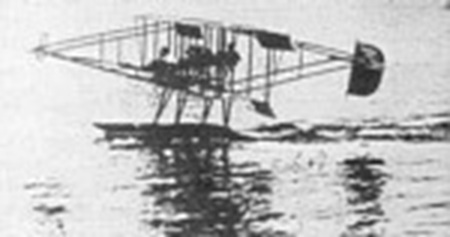
Paterson No. 2 biplane
Span: 32′
Length: 32’9″
Weight: 750 lb
1913 Paterson No. 2bis sea-biplane
Span: 32′
Length: 32’9″
Paterson 1911 biplane
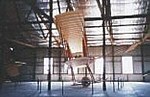
The 1911 Paterson biplane was designed by C.C. Paterson, and built by Paterson Aviation Syndicate (Kimberly) in South Africa.
Illustrated is a reproduction in SAAF Museum.
Passerat & Radiguet Sylphe
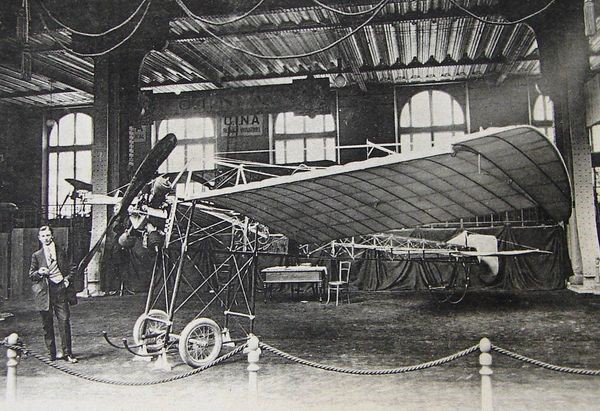
Designed and built by the Parisian automobile coachbuilding firm of Passerat & Radiguet, the monoplane “Sylphe” was displayed at the 2e Exposition Internationale AÈronautique (Salon de l’Aviation) held at the Grand Palais in Paris from October 15 until November 3, 1910.
Wingspan: 29′ 6″
Length: 43′
Weight gross: 1080 lbs
Partridge-Keller Trainer
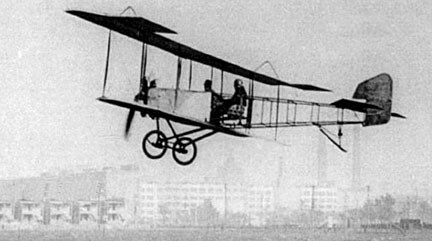
The tractor Trainer two place open cockpit biplane of 1913 was powered by an 80hp Smith radial.
Partridge-Keller Biplane / Looper
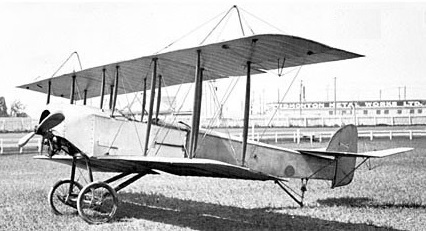
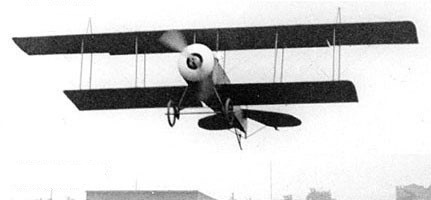
The Partridge-Keller Bi-Plane aka “Looper” was built in 1914 especially for Katherine Stinson for her exhibition flights in North American and the Orient.
At first the two place open cockpit biplane was powered by an 80hp Gnôme rotary and had an uncovered fuselage. Later, power was changed to an 80hp Smith 6-cylinder radial and the fuselage covered with fabric.
 All Aero