Paulat Hydro-Aero

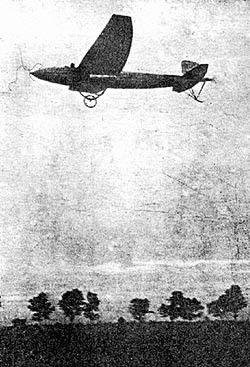
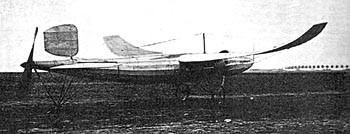
Ion Paulat built the first Romanian seaplane in 1911. As the Ministry of War provide no assistance to him, Paulat had difficulties obtaining an engine to power the aeroplane. In the end – through friendly help in order to conduct a flight test – he obtained one of the two 55 hp Hilz engines needed. With one engine the machine flew in early November 1911, making a jump of 10 meters at a height of 35 centimetres.

As Paulat did not succeed in obtaining the required second Hilz engine, he designed the light 1912 Hydro-Aero Monoplane – suited for one Hilz engine
Paulat, Ion

Ion Paulat (1873-1954), born at Cioara, near Braila, Romania, was a sailor who at Galati built the first Romanian seaplane.

Paulat was called under arms during the Balkan War (1912-1913), but once returning, decided to end his aeronautical work due to his financial difficulties.

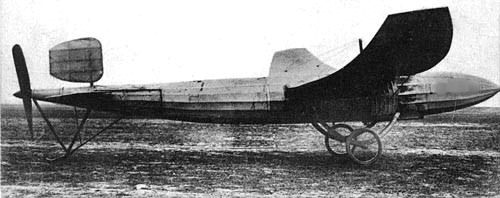
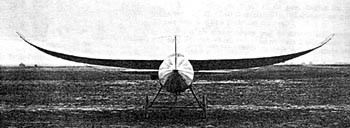
Paulhan-Tatin Aéro Torpille No 1

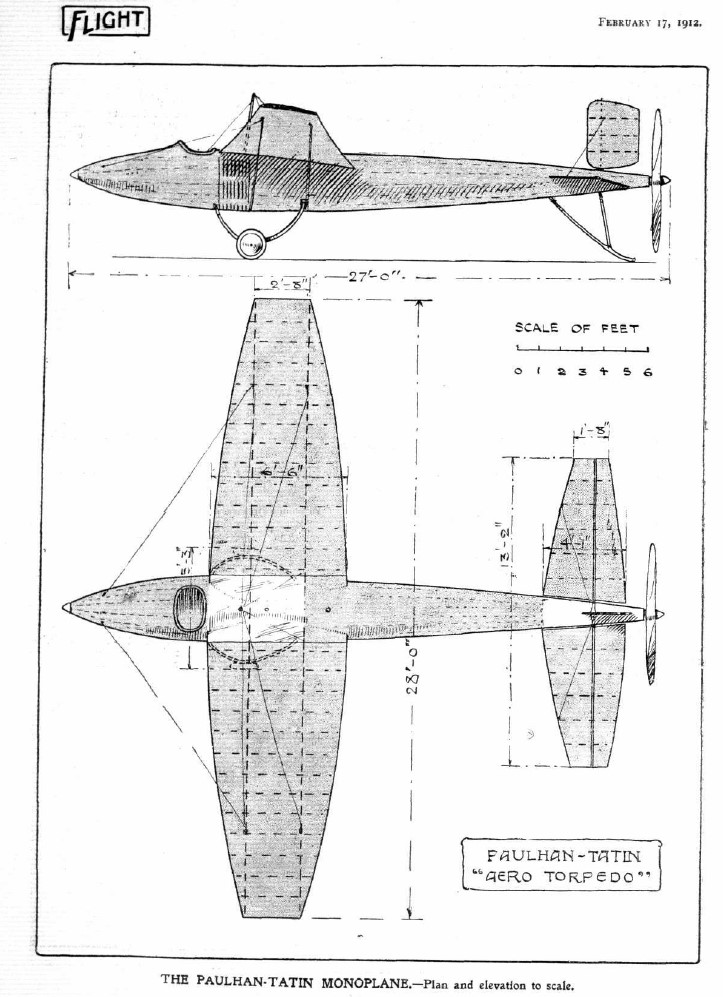
Powered by a 50 hp Gnôme; the “Torpedo” was designed by Victor Tatin with Luis Paulhan being a sponsor of its 1911 construction.

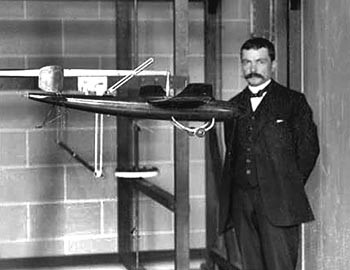
The Aero-Torpille sported arched wings, a streamlined monocoque fuselage with a Gnome rotary engine buried within, its power delivered to a tail-mounted pusher propeller by a lengthy shaft.

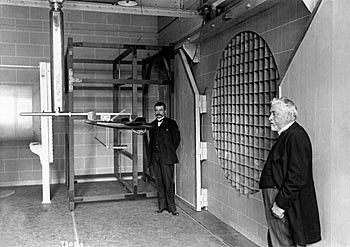
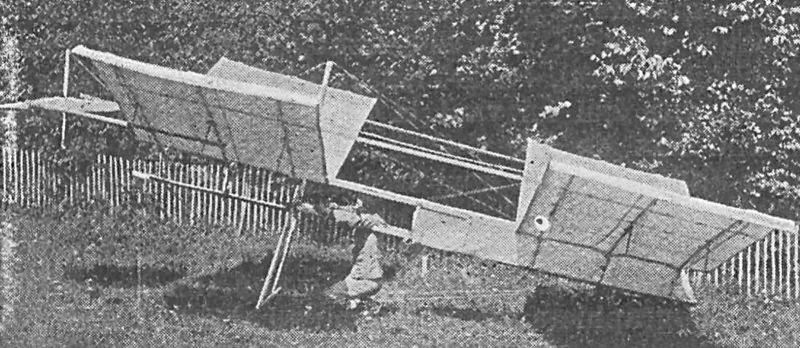
Tatin testing a model with Gustav Eiffel at the right
Testing a model of the Tatin-Paulhan ‘Aéro-Torpille’

Span: 28’3″
Length: 28’3″
Weight: 790 lb empty

Paulhan Triplane

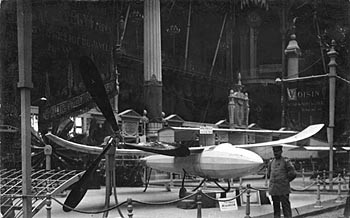
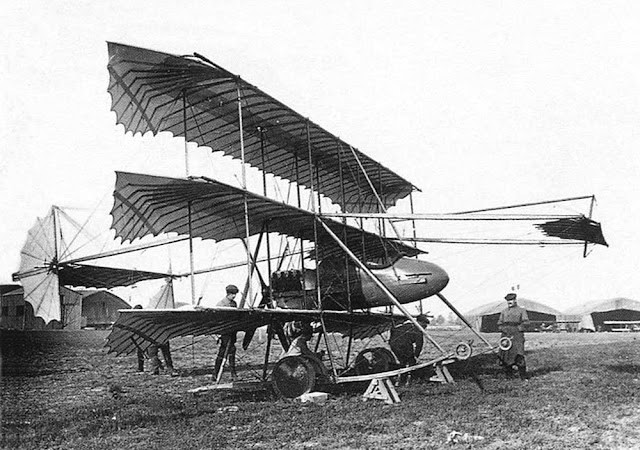
The Paulhan triplane was entered by Louis Paulhan for the 1911 military aircraft competition [Concours Militaire d’Aviation]. This Concours was the chance to get orders from the French Army. As a result the competitors entered in great numbers. 41 Aeroplane constructors entered, with a total of 138 (!) aeroplanes which were powered by 24 different engine constructors.

The Paulhan design was a mix of aluminium used for the nacelle and wood for the wings. The wing construction was elaborate as a form of wing warping was used which resembled somewhat the Taube way of wing warping. All wing tips on the three wings could be bent down almost 90 degrees. Almost always wing warping weakened the wing structure because of the regular bending of the wood in flight, making extra inspections and replacements necessary.

The engine fitted is a Renault of 80 hp driving a four-bladed propeller of 3,5 meter diameter.

The Paulhan triplane did not win any orders.

Span: 45’3″
Length: 33’5″
Weight: 2300 lb

Paulhan 1910 Machine à voler

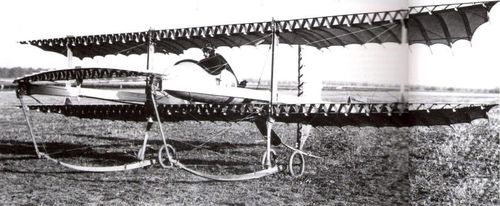
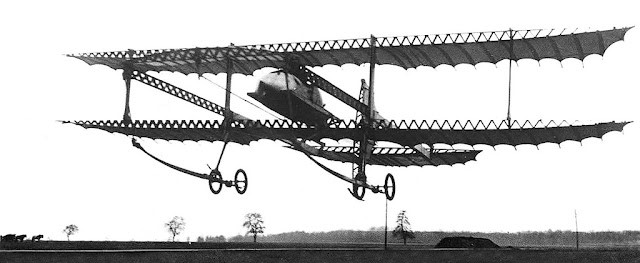
The first biplane built by Louis Paulhan in September/October 1910 [not February 1911 as given by Opdycke] in association with Henri Fabre. This explains the Fabre like wing construction. It was a big pusher with elevator in front and huge skids, powered by a 50 hp Gnome rotary engine. A later version of the biplane, featuring ‘conventional’ wooden spars, was notable for it being able to be re-configured, so that it could be towed on a road behind a car, and also to be demountable so that all its parts could be fitted into packing crates.