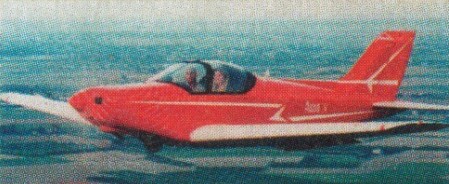
Littner Champion V / Asso Aerei Champion V / Vidor Guiseppe Asso V

The Champion V is a side by side two seat, low wing aircraft designed by Giuseppe Vidor. Construction materials are wood & fabric. And the landing gear can be built in fixed trigear or retractable trigear configurations.
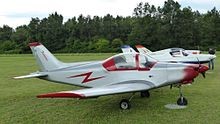
Asso V Champion I-7490

2009 Complete set of plans $400 (US$)
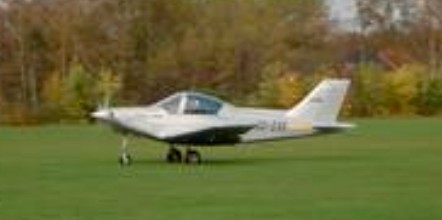
The Asso V Champion was built by Alpi Aviation with composite skin panels as the Pioneer 300.

Undercarriage: Fixed
Engine: Limbach 2000, 80 hp
Wing Span 27.3 ft.
Wing Area 120 sq. ft.
Length 20 ft.
Gross Weight 993 lbs.
Fuel 78 lbs.
G Loads (Ultimate) +5.7, -2.67
Horsepower Range 75 to 100
Empty Weight: 595 to 604 lbs.
Max Speed: 130 mph.
Cruise 75% Power: 107 mph.
Cruise 90% Power: 115 mph.
Stall Speed: 40 mph.
V.N.E: 160 mph.
R.O.C: 800 ft./min.
Take-Off Distance: 425 ft.
Landing Distance: 330 ft.
Range: 425 miles
Maneuvering Speed: 95 miles
Max Speed With Flaps: 70 mph.

Undercarriage: Retractable
Engine: Limbach 2000, 80 hp
Wing Span 27.3 ft.
Wing span: 27.3 ft
Wing Area 120 sq. ft.
Length: 20 ft.
Height: 7 ft
Gross Weight 1058 lbs.
Fuel 13 USG / 78 lbs.
G Loads (Ultimate) +5.7, -2.67
Horsepower Range 75 to 100
Empty Weight 617 lbs.
Max Speed: 140 mph
Cruise 75% Power: 103 kt / 118 mph / 190 kmh
Cruise 90% Power: 127 mph.
Stall Speed: 34 kt / 39 mph / 63 kmh
V.N.E: 139 kt / 160 mph / 258 kmh
R.O.C: 800 ft/min / 4 m/s
Take-Off Distance: 425 ft.
Landing Distance: 330 ft.
Range: 425 miles
Maneuvering Speed: 105 miles
Max Speed With Flaps: 70 mph.
Service ceiling: 12,000 ft
Seats: 2
2009 Price: 66000 EURO

Vidor Guiseppe Asso V
Engine: Rotax 912, 80 hp
Wing span: 8.3 m
Wing area: 11 sq.m
MAUW: 450 kg
Empty weight: 275 kg
Fuel capacity: 55 lt
Max speed: 245 kph
Cruise speed: 225 kph
Minimum speed: 62 kph
Climb rate: 4.5 m/s
Seats: 2
Fuel consumption: 13 lt/hr
Plan price (1998): 800 000 L
Kit price (1998): 12 172 000 L
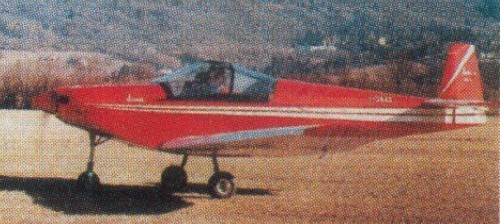
Littner Junior IV / Asso Junior / Asso Aerei Junior IV / Asso Junior / Vidor Guiseppe Asso IV Wisky

A wood and fabric design by Giuseppe Vidor. The side by side two seater is capable of modest aerobatics.

Top speed: 125 mph
Cruise: 100 mph
Stall: 38 mph
Range: 375 nm
Rate of climb: 600 fpm
Takeoff dist: 350 ft
Landing dist: 400 ft
Service ceiling: 10,000 ft
Engine: Limbach, 62 hp
HP range: 50-65
Fuel capacity: 15 USG
Empty weight: 530 lb
Gross weight: 950 lb
Height: 5.9 ft
Length: 20 ft
Wing span: 28.6 ft
Wing area: 123.7 sq.ft
Seats: 2
Landing gear: retractable nose wheel

Vidor Guiseppe Asso IV Wisky
Engine: Sterpha, 85 hp
Wing span: 8.1 m
Wing area: 11.2 sq.m
MAUW: 450 kg
Empty weight: 285 kg
Fuel capacity: 50 lt
Max speed: 245 kph
Cruise speed: 225 kph
Minimum speed: 63 kph
Climb rate: 5 m/s
Seats: 2
Fuel consumption: 12 lt/hr
Plan price (1998): $450
Kit price (1998): 15 000 000 L

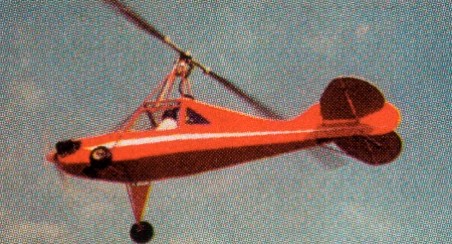
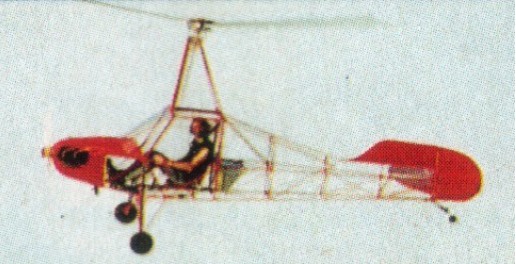
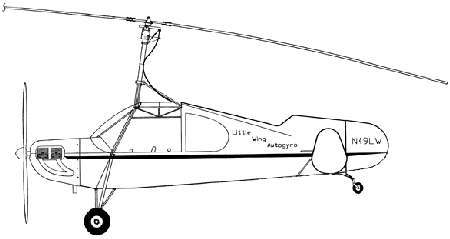
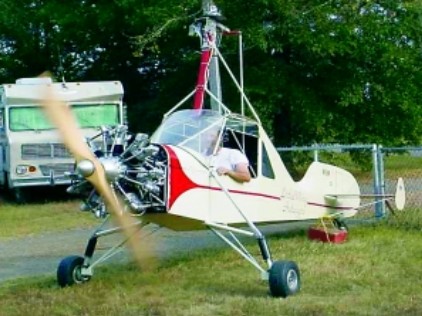
Little Wing Autogyros Two Place

Trans-continental record holder.
Info package: $5 Video: $10 Postage $2.00
Pre-Welded Airframe: $3,500 Plans: $175 in 2009

Two-seat enclosed tractor autogyro
Engines: Hirth F-30 110 hp; Rotax; 912S-100 hp, 914-115 hp; Rotec Radial 110hp
Propeller: Warp Drive, Prince, Sterba 76″
Rotor Blades: 27′-29′ Dragon Wings
Specifications:
Min Speed 20 mph
Cruise 70 mph
Top Speed 90 mph
Empty Weight 450-600 lbs
Useful Load 500 lbs
Gross Weight 1,100 lbs
Width 7′
Height 9′
Length 16′ – LW-5, 18′ – LW-4
Seating is tandem (solo from rear).

Main Rotor: 23 to 27 feet
Blade Chord: 7 inches
Length Overall: (rotor turning) 23-27 feet
Length of Aircraft without Rotor installed: 18 feet (16 feet, short-versions)
Wheel Track: 7 feet
Wheel Base: 13 feet – (11.5 feet, short-versions)
Landing Gear: Conventional (tailgear)
Overall Height: 8.5 feet
Cabin Width: 26 inches
Cabin Height: 42 inches
Cabin Length: 75 inches (2-place)
Baggage: Small shelf aft seat(s) 10 lbs. max.
Rotor Disc Area: 415 Sq. feet (23 ft.) / 573 Sq. feet (27 ft.)
Disc Loading (@ gross wt.): 1.9 lb./sq.ft., 2-place (27 ft.)
Tailplane Area:
Vertical Fin: 4.52 Sq. feet
Tip Shields: (2) 1.59 Sq. feet each
Rudder: 3.3 Sq. feet
Rotor/horizontal tail volume ratio: 22% for long frame / 14.9% for short frame.
Empty Weight: 451 lbs. w/ Hirth F-30 (two-stroke powered) / 520 lbs. w/ Rotax 914 (four-stroke powered)
Gross Weight: 1100 lbs.
Fuel Capacity: 13.5 US gal.
Cruise Speed: 65 – 75 mph
Minimum Speed: 15 – 20 mph
Landing Speed: 10 – 15 mph
Takeoff distance: 100-750 ft
Landing Roll: 0-25 ft.
Two-Place seating: Tandem, solo from rear seat w/ fully dual controls.
Construction: Welded SAE 4130 steel tubing, Dacron fabric covering.

Little Wing Autogyros Roto-Pup

A single seat enclosed tractor gyrocopter.

Top speed: 80 mph
Cruise: 60 mph
Range: 100 sm
Rate of climb: 1000 fpm
Takeoff dist: 200 ft
Landing dist: 50 ft
Engine: 2si, 70 hp
hp range: 50-100
Fuel capacity: 10 USG
Empty weight: 450 lb
Gross weight: 750 lb
Height: 8.5 ft
Length: 18 ft
Disk span: 23 ft
Disk area: 415 sq.ft
Seats: 1

E Model
Engine: 70 hp TEC 4 cycle.
Prop: Pop’s Props 62×28.
Min speed: 15 mph.
Cruise: 70 mph.
Top speed: 85 mph.
Empty wt: 300-350 lbs.
Useful load: 300 lbs.
Gross wt: 650 lbs.
Width: 7’.
Height: 8’6”.
Length: 16’6”.

U Model
Engine: 72 hp McCulloch.
HP range: 50-100.
Prop: Tennessee 52×26.
Speed max: 70 mph.
Cruise: 55 mph.
Range: 50 sm.
ROC: 1000 fpm.
Take-off dist: 200 ft.
Landing dist: 50 ft.
Fuel cap: 5 USG.
Weight empty: 251 lbs.
Gross: 551 lbs.
Height: 8.5 ft.
Length: 18 ft.
Disk span: 23 ft.
Disk area: 411.8 sq.ft.
Seats: 1.
Landing gear: nose wheel.

Little Wing Autogyros LW-5

After the LW-3, the next logical step was to develop a two-place version. The prototype, based on the LW-2 and LW-3 single-place models, is a shortened version of all models. The original fuselage was designed for using an elevator for longitudinal control and, therefore, was built longer to provide ample control power at all flight speeds. With the direct (full tilting head) control, the full length fuselage isn’t required and the shorter version will be much less likely to receive damage to the tail from a rotor blade during ground operation. The horizontal tail area has been increased accordingly. Plans were available for this version. The prototype two-place, short-version, has been test flown and should be in a cosmetically completed state by early fall, 2000. It features a Rotax 914 turbo-charged engine of 115 hp. It is very smooth and very quiet.

Main Rotor: 23 to 27 feet
Blade Chord: 7 inches
Length Overall: (rotor turning) 23-27 feet
Length of Aircraft without Rotor installed: 18 feet (16 feet, short-versions)
Wheel Track: 7 feet
Wheel Base: 13 feet – (11.5 feet, short-versions)
Landing Gear: Conventional (tailgear)
Overall Height: 8.5 feet
Cabin Width: 26 inches
Cabin Height: 42 inches
Cabin Length: 75 inches (2-place)
Baggage: Small shelf aft seat(s) 10 lbs. max.
Rotor Disc Area: 415 Sq. feet (23 ft.) / 573 Sq. feet (27 ft.)
Disc Loading (@ gross wt.): 1.9 lb./sq.ft., 2-place (27 ft.)
Tailplane Area:
Vertical Fin: 4.52 Sq. feet
Tip Shields: (2) 1.59 Sq. feet each
Rudder: 3.3 Sq. feet
Rotor/horizontal tail volume ratio: 22% for long frame / 14.9% for short frame.
Empty Weight: (Two-Place) 451 lbs. w/ Hirth F-30 (two-stroke powered) / 520 lbs. w/ Rotax 914 (four-stroke powered)
Gross Weight: 1100 lbs. 2-Place.
Fuel Capacity: 13.5 US gal. (2-place)
Cruise Speed: 65 – 75 mph
Minimum Speed: 15 – 20 mph
Landing Speed: 10 – 15 mph
Takeoff distance: 100-750 ft
Landing Roll: 0-25 ft.
Rate of Climb: Varies with powerplant, density altitude and weight.
Two-Place seating: Tandem, solo from rear seat w/ fully dual controls.
Construction: Welded SAE 4130 steel tubing, Dacron fabric covering.

Little Wing Autogyros LW-4

Main Rotor: 23 to 27 feet
Blade Chord: 7 inches
Length Overall: (rotor turning) 23-27 feet
Length of Aircraft without Rotor installed: 18 feet (16 feet, short-versions)
Wheel Track: 7 feet
Wheel Base: 13 feet – (11.5 feet, short-versions)
Landing Gear: Conventional (tailgear)
Overall Height: 8.5 feet
Cabin Width: 26 inches
Cabin Height: 42 inches
Cabin Length: 75 inches (2-place)
Baggage: Small shelf aft seat(s) 10 lbs. max.
Rotor Disc Area: 415 Sq. feet (23 ft.) / 573 Sq. feet (27 ft.)
Disc Loading (@ gross wt.): 1.9 lb./sq.ft., 2-place (27 ft.)
Tailplane Area:
Vertical Fin: 4.52 Sq. feet
Tip Shields: (2) 1.59 Sq. feet each
Rudder: 3.3 Sq. feet
Rotor/horizontal tail volume ratio: 22% for long frame / 14.9% for short frame.
Empty Weight: (Two-Place) 451 lbs. w/ Hirth F-30 (two-stroke powered) / 520 lbs. w/ Rotax 914 (four-stroke powered)
Gross Weight: 1100 lbs. 2-Place.
Fuel Capacity: 13.5 US gal. (2-place)
Cruise Speed: 65 – 75 mph
Minimum Speed: 15 – 20 mph
Landing Speed: 10 – 15 mph
Takeoff distance: 100-750 ft
Landing Roll: 0-25 ft.
Rate of Climb: Varies with powerplant, density altitude and weight.
Two-Place seating: Tandem, solo from rear seat w/ fully dual controls.
Construction: Welded SAE 4130 steel tubing, Dacron fabric covering.

Little Wing Autogyros LW-3

The LW-2 craft was so stable that Herron was prepared to compare it to a similar machine with a fully tilting head. Thus, LW-3 was born.
This craft was built with some other changes implemented besides the control method. A shock absorbing, outrigger landing gear, and a 2180cc Volkswagen conversion, with dual ignition. This had a rotor brake and a simple electric prerotator, the centrifugal flyweights and also a control stick lock to hold the stick full forward any time the craft was operated on the ground prior to take-off and after landing. This precluded the rotor contacting the tail prior to the blades reaching stable speed prior to take-off and as the rotor slowed after landing.
This aircraft flew exceptionally well from the very beginning. Any fears of it being anything less than completely stable were quickly squelched. It used the same horizontal stabilizer as LW-2 but omitted the elevator. After about 20 hours of flight, a special damper system was designed for the rotor pylon. This diminished the two-per-rev vibrations typically felt in two-biaded rotor systems.

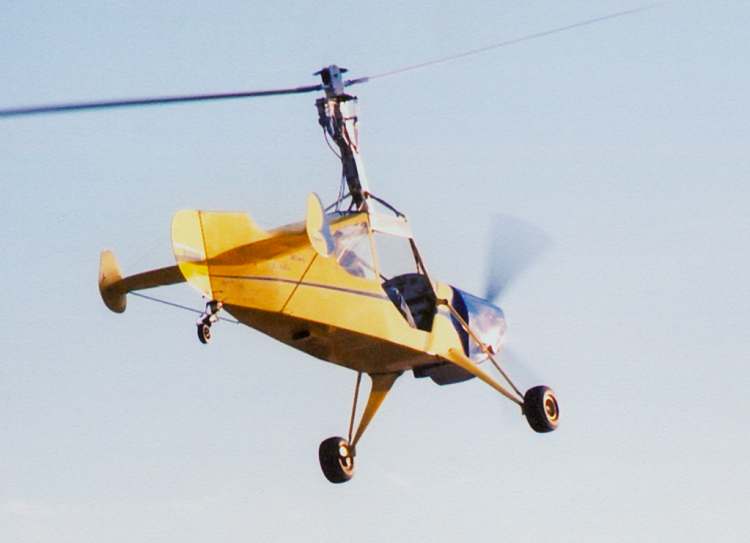
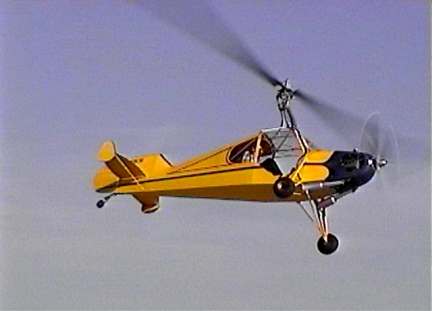
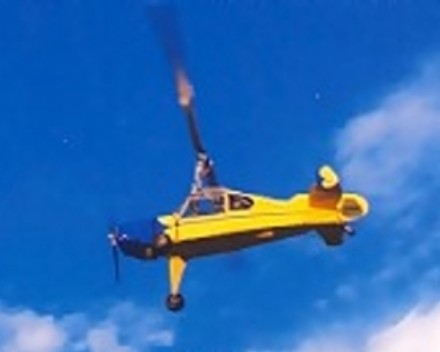
Single-seat enclosed tractor autogyro.
Practically any popular engine package can be mounted to these airframes. These aircraft feature engine thrust lines below aircraft CG…No PPO problem. 100% 4130 chromoly steel construction.
Pre-welded fuselage: $3,500, Plans: $175 in 2009.

Engines: Hirth 65-120 hp; 70 hp T.E.C. 2180 cc;
Rotax 582, 912, 914, Rotec Radial 110 hp
Propeller: Warp Drive up to 72″, Prince or Sterba 74″-76″
Rotor Blades: 25′ Dragon Wings
Specifications:
Min Speed 15-20 mph
Cruise 60-70 mph
Top Speed 100 mph
Empty Weight 350 lbs, 2-stroke
575 lbs, Radial
Useful Load 300 lbs
Gross Weight 700-900 lbs
Width 7′
Height 8’6″
Length 16′ – LW-3S, 18′ – LW-3

Main Rotor: 23 to 27 feet
Blade Chord: 7 inches
Length Overall: (rotor turning) 23-27 feet
Length of Aircraft without Rotor installed: 18 feet (16 feet, short-versions)
Wheel Track: 7 feet
Wheel Base: 13 feet – (11.5 feet, short-versions)
Landing Gear: Conventional (tailgear)
Overall Height: 8.5 feet
Cabin Width: 26 inches
Cabin Height: 42 inches
Cabin Length:
Approx. 49 inches (single)
Baggage: Small shelf aft seat(s) 10 lbs. max.
Rotor Disc Area: 415 Sq. feet (23 ft.) / 573 Sq. feet (27 ft.)
Disc Loading (@ gross wt.): 1.8 lb./sq. ft. single-place (23 ft.)
Tailplane Area:
Vertical Fin: 4.52 Sq. feet
Tip Shields: (2) 1.59 Sq. feet each
Rudder: 3.3 Sq. feet
Horizontal Stabilizer: 8.8 Sq. feet LW-3 series (8 Sq. feet for elevator models)
Control Method: Conventional rudder, fully-tilting head
Rotor/horizontal tail volume ratio: 22% for long frame / 14.9% for short frame.
Empty Weight: 351 lbs. w/Rotax 582-618, 2Si 540-L(two-stroke powered) / 452 lbs. w/ 2180 VW (four-stroke powered)
Gross Weight: 750 lbs. Single-Place
Fuel Capacity: 8.5 US gal. (single-place)
Cruise Speed: 65 – 75 mph
Minimum Speed: 15 – 20 mph
Landing Speed: 10 – 15 mph
Takeoff distance: 100-750 ft
Landing Roll: 0-25 ft.
Rate of Climb: Varies with powerplant, density altitude and weight.
Construction: Welded SAE 4130 steel tubing, Dacron fabric covering.

Little Wing Autogyros LW-2

The LW-1 aircraft was taxi tested and then test flown. It flew remarkably easy. It also had no stick shake. It was, however, not a very good performer due to its weight and the small diameter rotor used for testing. It was primarily a “proof-of-concept” aircraft anyway. The concept seemed to be on target. Herron immediately began building the LW-2. This was to be an ultralight version of the LW-1.
Within two months three people had it built and assembled. Basically, it was a scaled-down Piper Cub type frame built from start to finish with new 4130 chromoly steel tubing. Initial flight testing was done without paint or fabric installed. It was powered by a McCulloch drone engine (removed from an old Bensen). Its initial flights were without incident and without any difficulty. After a few flights it was stripped down and painted, and reassembled, still without fuselage fabric. It an additional 15 hours before tearing down for a complete fabric job to get it ready to show. This took it out of the “ultralight” category which limited it to 254 Ib. Most people had a negative attitude toward the McCulloch, so it was replaced with a water-cooled AMW engine of 70 horsepower. This engine featured dual ignition, alternator and electric start. This aircraft was shown at the PRA International Convention and EAA’s Oshkosh in 1995, ’96 and ’97. It proved to be a remarkably stable craft. It was somewhat difficult to handle on the ground in a strong wind due to the inability to move the rotor in the fore-aft direction. Herron learned to deal with this by turning the aircraft sideways to the wind and tipping the disc laterally, into or away, from the wind as was required. This craft was so stable that it was compared it to a similar machine with a fully tilting head. Thus, LW-3 was born.

Main Rotor: 23 to 27 feet
Blade Chord: 7 inches
Length Overall: (rotor turning) 23-27 feet
Length of Aircraft without Rotor installed: 18 feet (16 feet, short-versions)
Wheel Track: 7 feet
Wheel Base: 13 feet – (11.5 feet, short-versions)
Landing Gear: Conventional (tailgear)
Overall Height: 8.5 feet
Cabin Width: 26 inches
Cabin Height: 42 inches
Cabin Length:
Approx. 49 inches (single)
75 inches (2-place)
Baggage: Small shelf aft seat(s) 10 lbs. max.
Rotor Disc Area: 415 Sq. feet (23 ft.) / 573 Sq. feet (27 ft.)
Disc Loading (@ gross wt.): 1.8 lb./sq. ft. single-place (23 ft.) / 1.9 lb./sq.ft., 2-place (27 ft.)
Tailplane Area:
Vertical Fin: 4.52 Sq. feet
Tip Shields: (2) 1.59 Sq. feet each
Rudder: 3.3 Sq. feet
Horizontal Stabilizer: 8.8 Sq. feet LW-3 series (8 Sq. feet for elevator models)
Elevator: (LW-2 and LW-2+2) 9 Sq. feet
Control Method: laterally-tilting head with elevator (LW-2, long frames only).
Rotor/horizontal tail volume ratio: 22% for long frame / 14.9% for short frame.
Empty Weight:
(Single-Place): 351 lbs. w/Rotax 582-618, 2Si 540-L(two-stroke powered) / 452 lbs. w/ 2180 VW (four-stroke powered)
(Two-Place): 451 lbs. w/ Hirth F-30 (two-stroke powered) / 520 lbs. w/ Rotax 914 (four-stroke powered)
Gross Weight: 750 lbs. Single-Place
Fuel Capacity: 8.5 US gal. (single-place)
Cruise Speed: 65 – 75 mph
Minimum Speed: 15 – 20 mph
Landing Speed: 10 – 15 mph
Takeoff distance: 100-750 ft
Landing Roll: 0-25 ft.
Construction: Welded SAE 4130 steel tubing, Dacron fabric covering.