A twin engined biplane bomber, disguised as a ‘mail carrier’ built in 1930.
Era
Messerschmitt M20
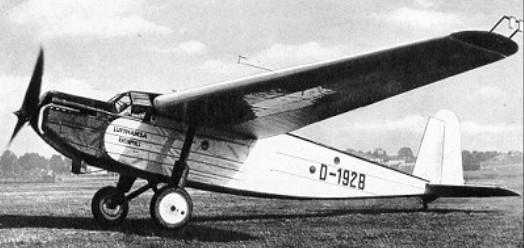
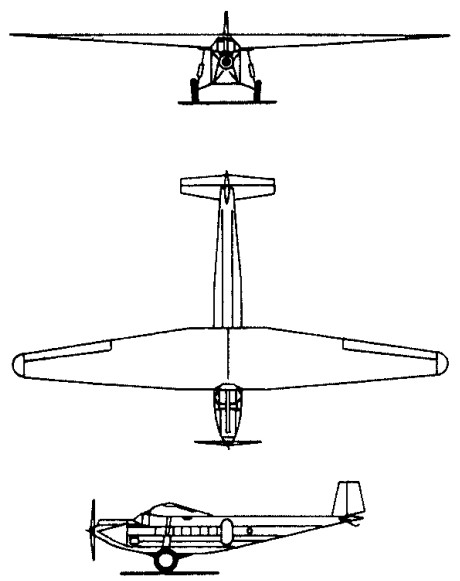
Developed from the M-18, the first M20 prototype flew on February 26, 1928, and crashed on its initial flight killing the pilot Hans Hackmak. The second aircraft flew on August 3, 1928.
There were 3 models: a,b, and b2.
13 aircraft went to DLH and one to DVS. A number of crashes led Lufthansa to refuse to accept any more M20s, which resulted in the Messerschmitt company, Bayerische Flugzeugwerke (BFW) going bankrupt on 1 June 1931.
Eight survivors went to the Luftwaffe as trainers, the last one crashing in 1943. One was sold to Varig in Brazil in 1937 and flew on to 1948.
M 20b
Engine: 1 x BMW-VI, 500kW
Max take-off weight: 4800 kg / 10582 lb
Wingspan: 25.5 m / 83 ft 8 in
Length: 15.9 m / 52 ft 2 in
Height: 4.2 m / 13 ft 9 in
Wing area: 65.0 sq.m / 699.65 sq ft
Max. speed: 220 km/h / 137 mph
Cruise speed: 180 km/h / 112 mph
Ceiling: 5000 m / 16400 ft
Range w/max.fuel: 1000 km / 621 miles
Crew: 2
Passengers: 8-10
Messerschmitt M19
Designed by Willie Messerschmitt especially for the Sachsenflug sports flying event held at the Leipzig-Mockay airfield from 30 August to 5 September 1927. Two examples were built, at least one powered with a Bristol Cherub II engine. Both aircraft won the Sachsenflug and some 60,000 Reichmarks in prize money.
Messerschmitt M18
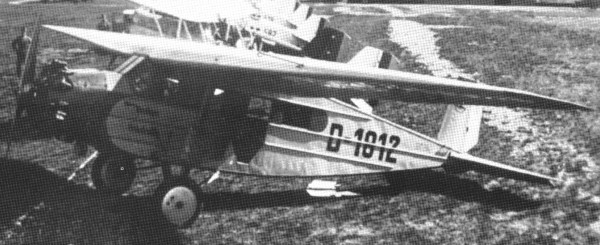
The M18a was a successful 4 seat, single-engined airliner built for Nordbayerische Verkehrsflug AG and others 1925. Developed into M-20.
Messerschmitt M17
A sports aircraft of 1924.
Seats: 2
Messerschmitt M12
A BMW powered Bayerische Flugzeugwerke BFW M12a Messerschmitt
Messerschmitt S16
First flown in 1924, powered gliders, the S16a and S16b incorporated chain drive, and were entered in the annual Rhon gliding competition of 15 to 31 August 1924.
Messerschmitt S14
At the August 1923 Rhon gliding contest a Harth-Messerschmitt S14 reached 303m – a height record at the time.
Messerschmitt S9
Designed by Willie Messerschmitt, and made its first flight on 7 May 1921. A tail-less glider which proved to be dangerously unstable. Considerable modification failed to make it safe to fly.
Messerschmitt S8
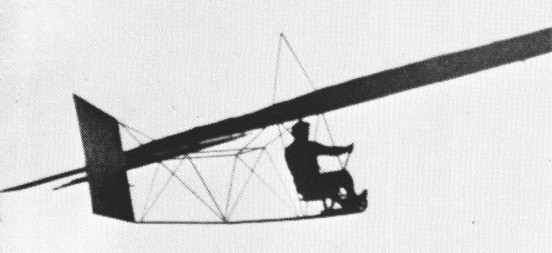
On 13 September 1921 the S8 glider set an endurance record by remaining airborne for 21 minutes.

