Montgolfiere Le Réveillon

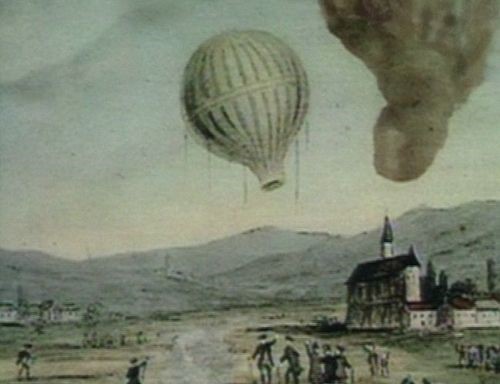
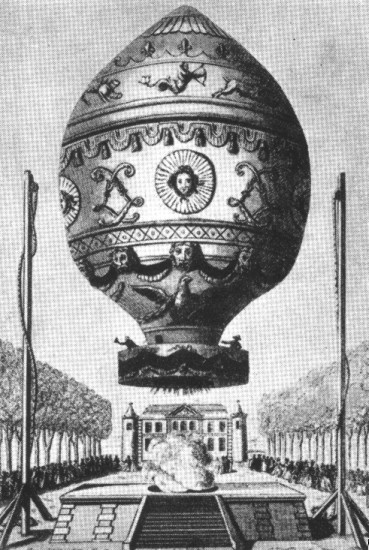
On 19th September the first living creatures ever to leave the ground in an aircraft — a sheep, a cock and a duck — travelled almost two miles in a wicker basket slung under a Montgolfière released at Versailles and it was planned to carry under the next balloon a criminal who would receive a free pardon if he alighted safely. But a young scientist named Pilâtre de Rozier, considering it unthinkable that a criminal should gain the honour of being the first airman, volunteered to make the ascent himself; and on 15th October 1783 he rose to about 80 feet in a captive balloon with a capacity of 60,000cu. ft. Pilatre de Rozier made a 4 minute 24 second tethered flight. The second ascent was done with Pilâtre de Rozier, and André Giroud de Villette, to 105m.
The first tethered balloon ascent on 15 October 1783 by Rozier.

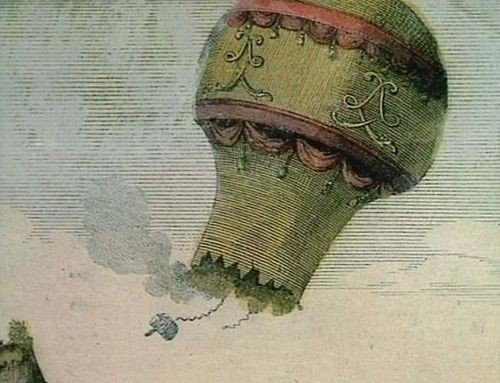
After several tethered tests to gain some experience of controlling the balloon, de Rozier and d’Arlandes made their first untethered flight in a Montgolfier hot air balloon on 21 November 1783, taking off at around 2 p.m. from the garden of the Château de la Muette in the Bois de Boulogne, in the presence of the King. Their 25-minute flight travelled slowly about 5½ miles (some 9 km) to the southeast, attaining an altitude of 3,000 feet, before returning to the ground at the Butte-aux-Cailles, then on the outskirts of Paris.

The 25-minute flight was not without hazard, for the balloon was kept inflated with hot air by means of a brazier slung under its neck, and the airman had a hectic time putting out fires on the fabric with a sponge and water which they had wisely decided to take with them.
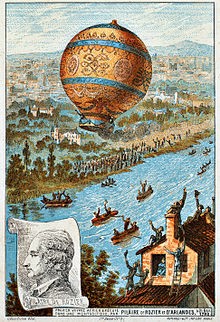
The first untethered balloon flight, by Rozier and the Marquis d’Arlandes on 21 November 1783.

The first woman aeronaut, Mine Tible, ascended from Lyons as passenger in a Montgolfière in June 1784.
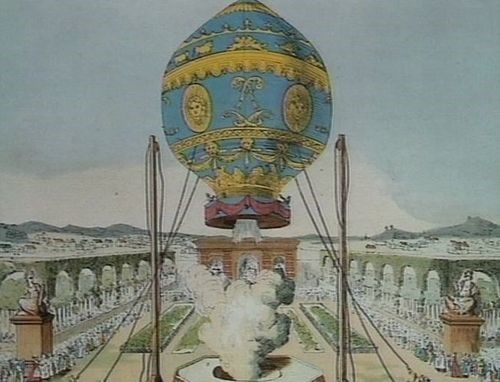
Montgolfière Le Réveillon

Replica: HAS Woodford Montgolfier

Capacity: approx 77,700 cu.ft / 2200 cu.m
Diameter: approx 49 ft / 14.95m
Height: approx 75 ft / 22.75m
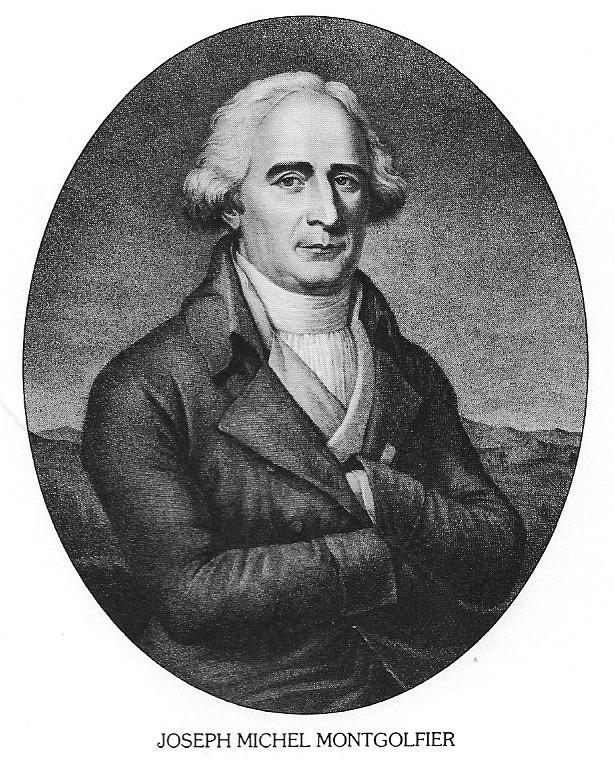
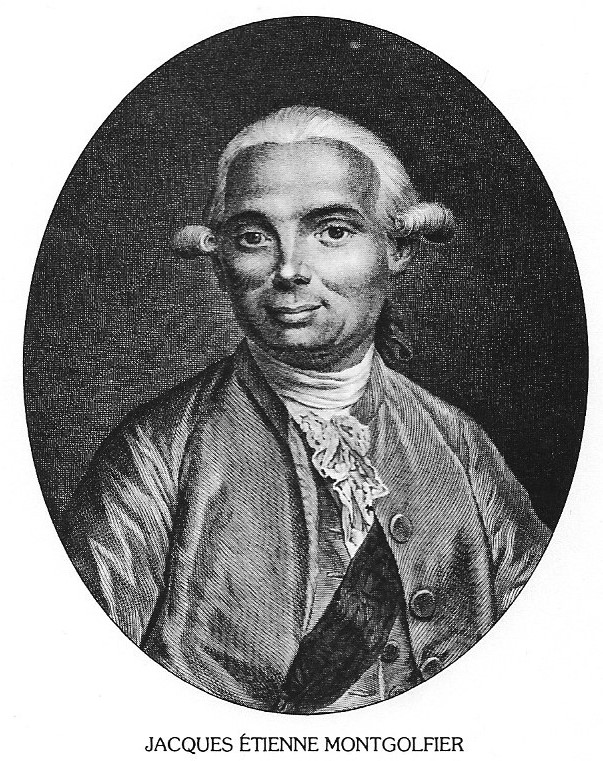
Montgolfier

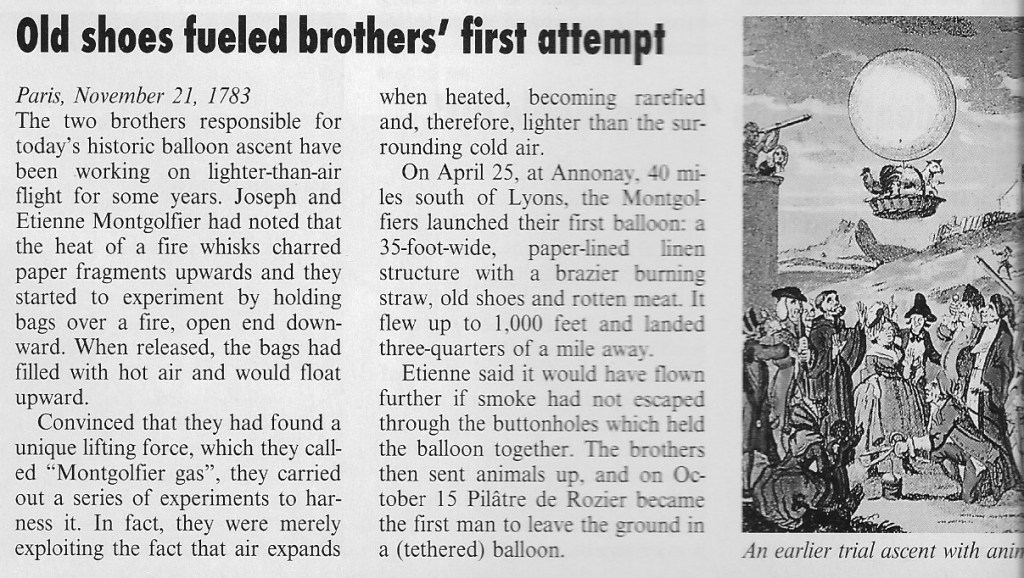
On 4th June 1783 in Annonay, France, the balloon of Etienne & Joseph Montgolfier (225 Kg, 800cu.m) went up 1000m and flew 2 kilometers distance in around 10 minutes.

E&J.Montgolfier balloon

At Versailles on 19th Septembr 1783, their balloon named “Le Réveillon” (400 Kg 1400m3) went up to 500 m high and travelled a distance of 3,5 kilometers in 8 minutes carrying a lamb, a duck and a cock in a basket. The animals were alive and in healthy condition when the balloon landed. The experience showed that a balloon could carry a load and one can survive at altitude. The next step was to be human flight, again in a balloon named “Le Réveillon”.

Montgolfière Le Réveillon.

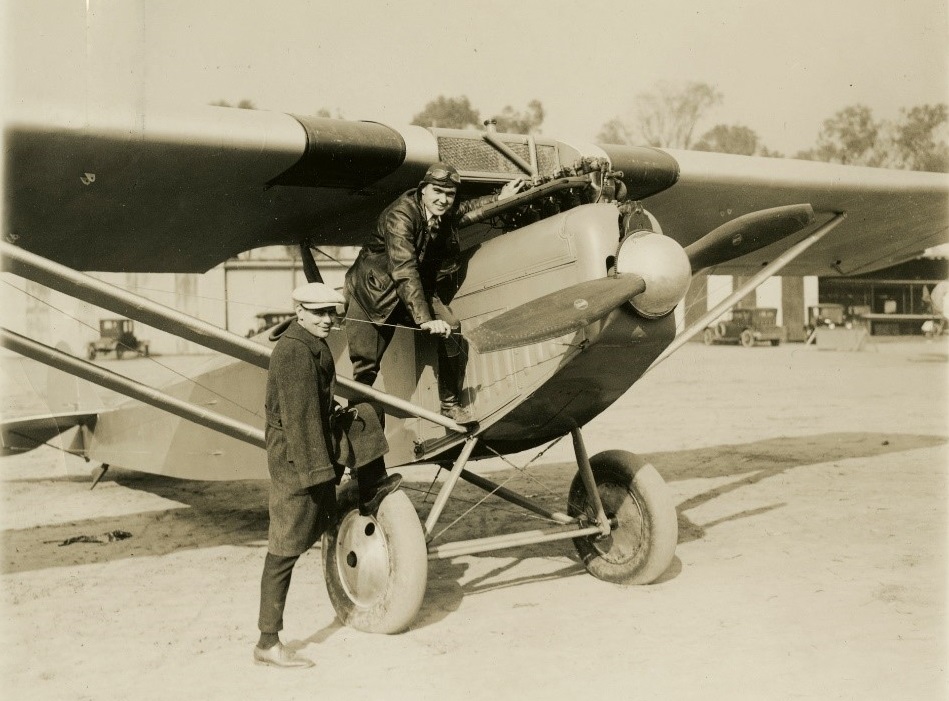
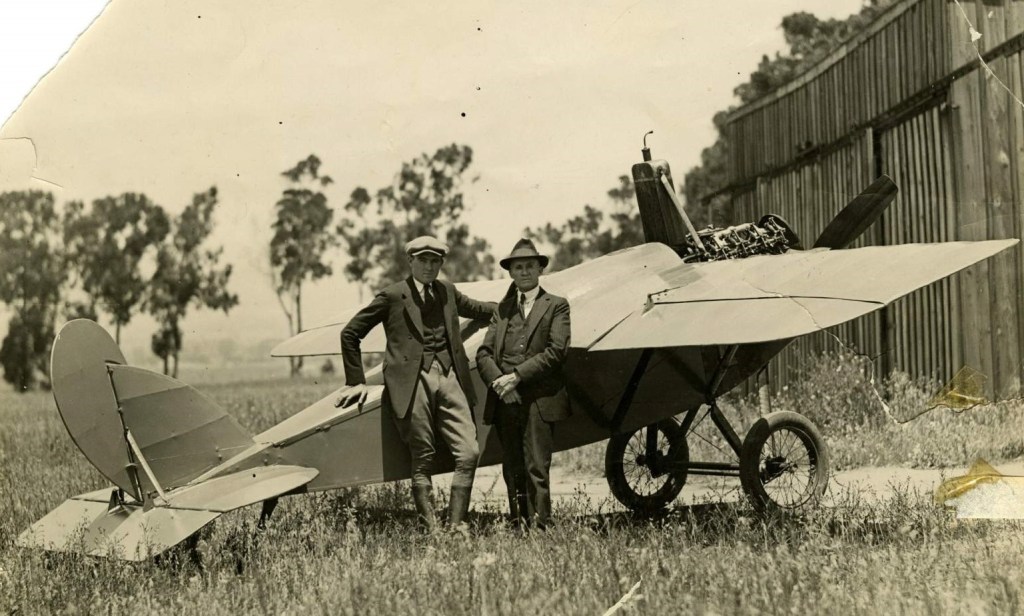
Montee Aircraft Company

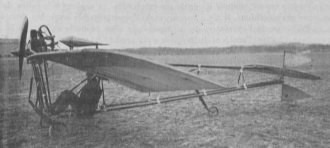
Formed by Kenneth W. Montee at Santa Monica, California, in early 1920s. Montee designed four-seat open cockpit monoplane, with Hall-Scott L-4 engine, in which he won second prize in “On to New York” race at 1925 National Air Races; he died in December 1926 while engaged on a mapping operation.

Kenneth Montee (left) and his father James “Jim” W. Montee (right)

An airplane builder circa 1925, Kenneth Montee built a number of scantly-documented creations.

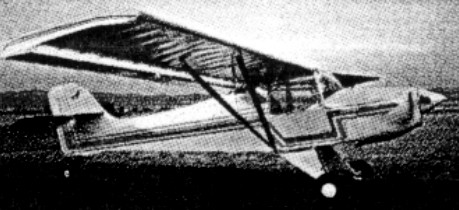
Montana Coyote Mountain Eagle

A 1994 two-seat cabin monoplane, revision of the 1991 Montana Coyote design.

Engine: Lycoming O-320, 150 hp
Height: 6 ft
Length: 25 ft
Wing span: 37 ft
Wing area: 137 sq.ft
Weight empty: 1100 lbs
Gross: 2000 lbs
Fuel cap: 40 USG
Speed max: 125 mph
Cruise: 105 mph
Range: 450 sm
Stall: 35 mph
ROC: 1250 fpm
Take-off dist: 350 ft
Landing dist: 300 ft
Service ceiling: 15,000 ft
Seats: 2
Landing gear: tail wheel

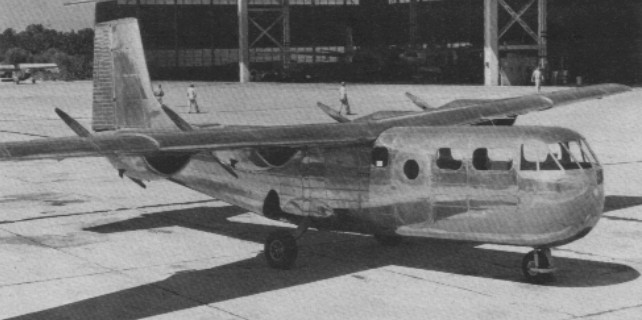
Monsted-Vincent Starflight

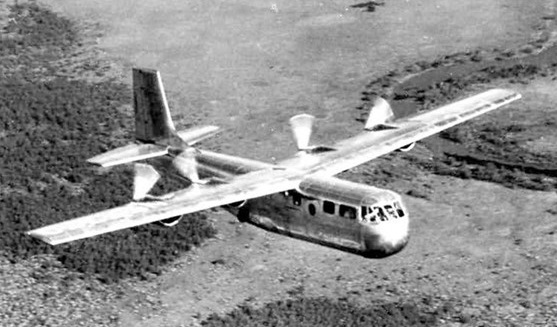
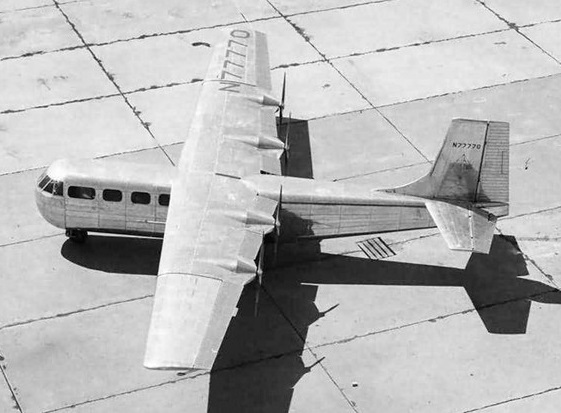
The 1949 Monsted Vincent Starflight featured four 85 horsepower Continental C85s driving two position pusher props. It had room for a pilot, four passengers. Gross weight was 5,000 pounds with a 130 knot cruise and 1,050 nautical mile range. It was built in New Orleans.

The all-aluminum Monsted–Vincent MV-1 Starflight pusher airplane was the only four-engined aircraft ever to be built in Louisiana. It was to be an executive/business aircraft, designed by former Lockheed designer Art Turner “to give businessmen the same dependability and flying range that airlines give to their passengers.”

The only Starflight flew for the first time in October 1948. Despite having four engines, the Starflight could only carry 5 passengers and the pilot. It had a range of 1,200 miles at 145 mph, making it a terrible aircraft for businessmen who are looking for speedy travel.

The only copy ended up at the Wedell Williams Memorial Aviation Museum in Patterson, Louisiana, USA, where, in 1992, it was heavily damaged by Hurricane Andrew. The wreck was moved to a storage hangar, where in 2005, it was destroyed by Hurricane Rita.