Morgan Aero Works Super Diamond

Morgan Aero Works produced the single seat Diamond. The Super Diamond is a fabric-covered, pop-riveted aluminum tubing design with premolded fiberglass wing ribs, cowlings, fairings, etc.

The Super Diamond four-stroke single-seater can take many engines in the 60-80 hp range and they have a Super Diamond Twister model that is approved for aerobatics.

The complete kits less motor, instruments, paint and upholstery ran about $14-18k for the single-seater.

Morgan Aero Works Cheetah / Cheetah Sierra / Wedgetail Aircraft Cheetah Sierra

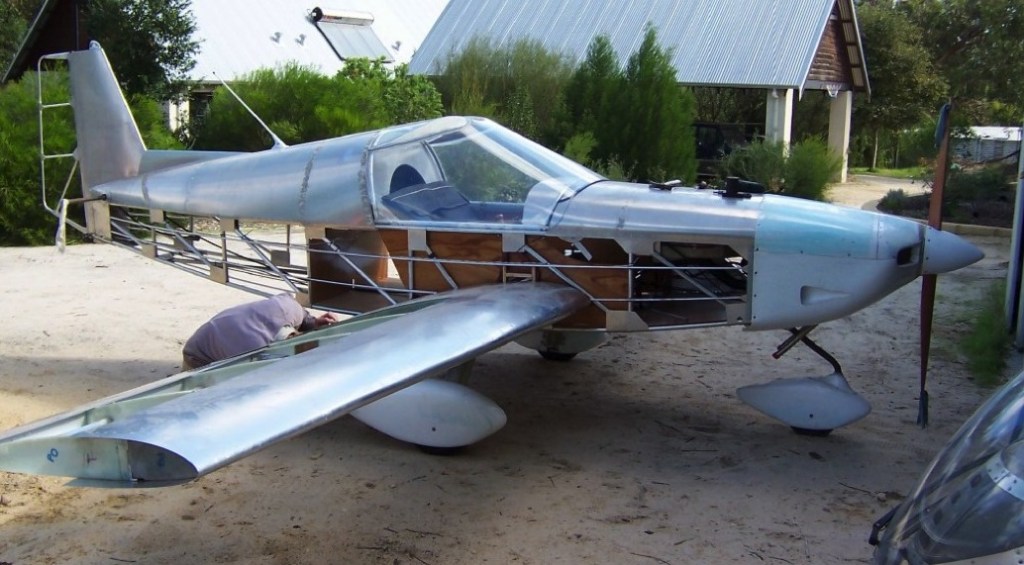
Cheetah Sierra 100 ZK-LLS (c/n 21-54)

New Zealander Garry Morgan’s first design was the Cheetah and this was further developed into the Cheetah Sierra 100.

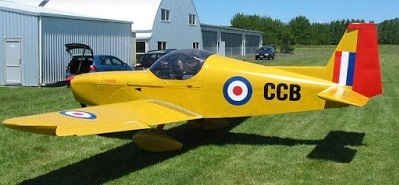
Morgan Aero Works Cheetah ZK-CCB (c/n MA 17)

The aircraft are built from kits and are of aluminium tube and sheet construction using pop rivets with a welded steel frame for the cockpit, undercarriage and engine mounts. The fairings and engine cowling are fibreglass. The wings are easily detachable for trailering and storage.

Morgan Aero Works Cheetah ZK-CCB (c/n MA 17)

Garry Morgan sold Morgan Aero Works in 2016 to Wedgetail Aircraft Pty Ltd. Wedgetail Aircraft offer the Cheetah Sierra 200.

Cheetah Sierra 100 ZK-TJD (c/n 23-S-5)

Cheetah Sierra 100
Engine: Jabiru 2200, 80 HP
Wingspan: 26 feet
Length: 19 feet
Empty weight: 313 Kg
MAUW: 544 Kg
Cruise speed: 130 knots
Stall speed: 37 knots

Morgan Aero Works

New Zealander Garry Morgan formed Morgan Aero Works in Australia in 2002, having come from a background of model aircraft building. His first design was the Cheetah and this was further developed into the Cheetah Sierra 100. Further designs followed including the single seat Diamond, the two seater Cheetah Sierra 200 and the Joey Mk II, and the 4 seater Cougar.

Garry Morgan sold Morgan Aero Works in 2016 to Wedgetail Aircraft Pty Ltd which was formed by Ray Tolhurst and which is based at Camden Airport in NSW. Wedgetail Aircraft offer the Cheetah Sierra 200 and the Cougar, as well as the single seat Vampire.

Moreau, Jules Albert & André

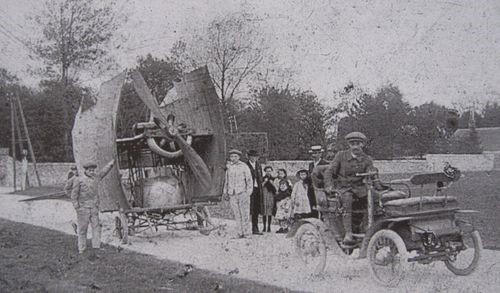
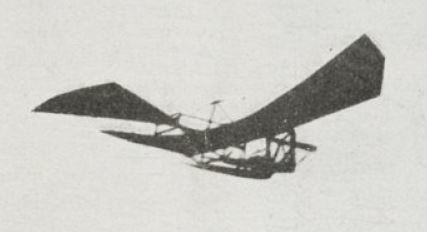
Circa 1908-1909 the Moreau brothers’ (Albert and André) built a relatively large model, with a wing area of two square metres, made flights of up to 1500 metres when tested in the Jura mountains. It was intended for verifying the Moreau brothers’ (Albert and André) theories about control systems, which were later put to practice in their “Aérostable” machines of 1912-1914.

The machine had automatic pitch control by the weight of the pilot and his nacelle, which were pendulum suspended and operated the elevators via levers and rods.

Morel 1910 Canard Biplane

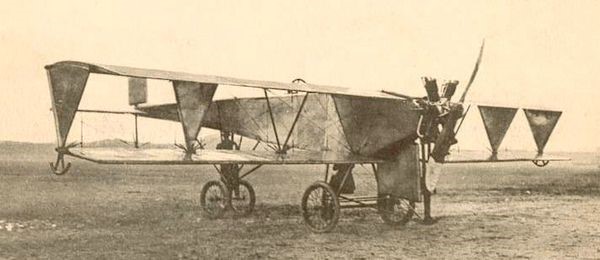
Designed by capitaine Morel de l’infanterie coloniale and built by Pierre Pons – who had formed the SAFA (Société Anonyme Français d’Aviation). Entered in the 1911 Grand Concours Militaire de Reims, as evidenced by the Liste officielle des concurrents du concours militaire 1er janvier 1911; named in the list as Pons (Adresse – Paris). As no further mention of the machine can be found in this concours it is likely that it was not ready in time for the competition.

The Morel (Pons) Canard was evaluated in a French official military report dated March 6, 1912, and, as quoted by Opdycke, did some flying in April 1912 at Issy-les-Moulineux. Constructed of aluminium and steel in its entirety, the design made it possible for it to be disassembled completely by loosening only nine bolts.

Constructed of aluminium and steel in its entirety, this aeroplane was designed and built by Capitaine Morel to carry two passengers in addition to its pilot, was powered with an Anzani 60 hp, 6-cylinder radial.

Engine: Anzani 60 hp
Length: 7 m
Span: 9 m
Wing area: 23 m sq.
Weight: 380 kgs