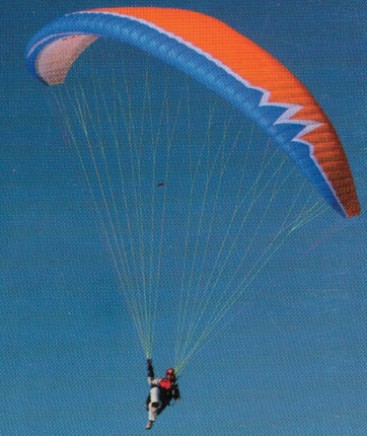
The West German built NST Minimum design is basically a hang glider with an 18 hp Solo engine hung underneath. However, the engine mount position is designed to be at the aircraft’s centre of gravity in normal flight.
Minimum Empty weight: 22 kg Engine: Solo, 15 / 20 hp Certification: vz Reduction: 1:3 Prop diameter: 150 cm Fuel capacity: 10 lt Price (1998): 5380 DM
Cycle: 4 stroke No cylinders: V 2 Compression: 8.9 Displacement: 580 cc Cooling: Air Ignition: Electronic Reduction: Poly V 3/1 Dimension: 400 x 500 x 250 mm Weight: 28 kg Max pwr: 30 hp at 4200 rpm Price 1998: 3500 DM
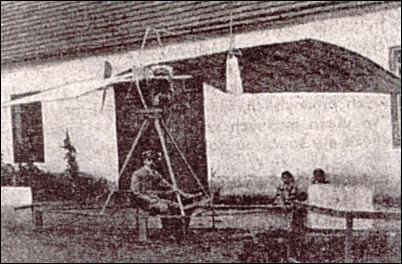
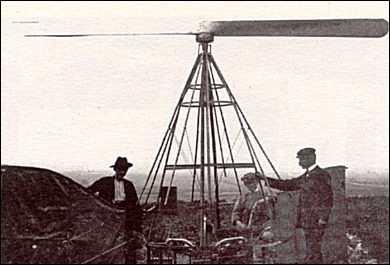
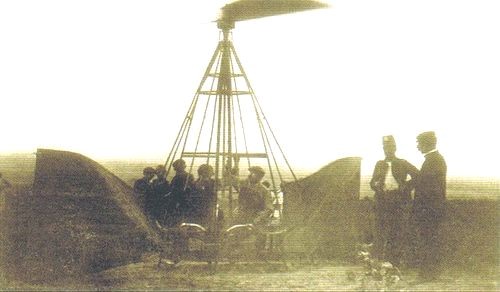
Novák started his pioneering work on helicopters already in 1909 with a model helicopter and in June 1910 he started building his first full size helicopter which used a motorcycle engine for power. In this first version it turned out that the 3 meter diameter rotor was too heavy and that the motorcycle engine was too weak. Later Novák was able to obtain a more powerful engine, a 3-cylinder Trojan and Nagl of 25 hp; and developed a lighter rotor of the same 3 meter diameter. This helicopter did lift into the air unloaded – however, as there was no compensation for the reaction movement, the machine counter-rotated in the air and even the fitting of large vertical panels did not stop the helicopter from spinning. Coinciding with the start of his more advanced second helicopter, development of Novák’s first ended in the fall of 1911.
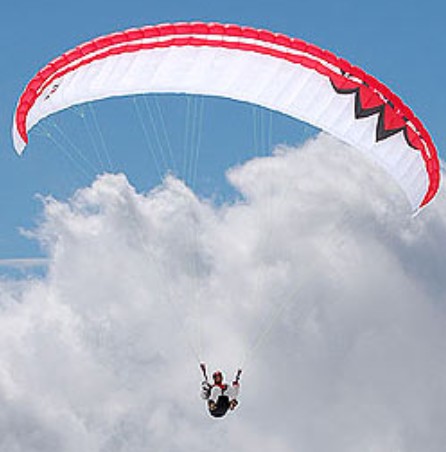
The replacement of the Syntax is a low-level 1-2 paraglider aimed at beginners as well as experienced pilots “in search of maximum safety and minimum stress”. The Rookie keeps some features from its predecessor like the airfoil, planform, cell number and line length, but introduces a new wing curve, more sail tension and new brake geometry for a more agile handling without any negative effects on the damping behavior, according to Nova.
The number of lines has been reduced for less drag and improved performance, especially in thermalling. The upper sail is made from 40g/sqm cloth which helps reduce the weight of the glider and improve takeoffs and safety. At Nova say that the Rookie offers agile handling combined with a very long brake travel, performance above the Syntax and a huge security potential. “The collapses are soft and all maneuvers are very safe”, which makes it a perfect glider for beginners. The Rookie was available in 5 sizes and 4 colors.
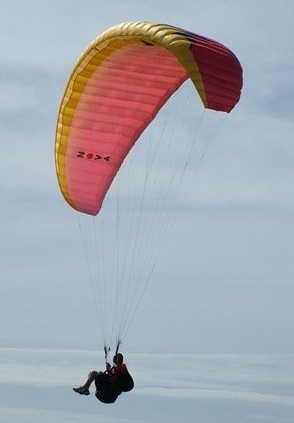
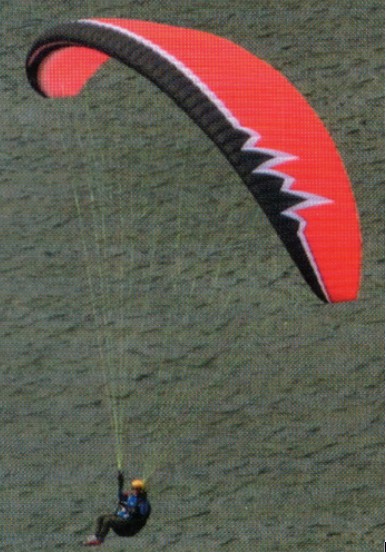
Circa 2005, the Tattoo is Nova’s replacement for the Aeron in the DHV2 class. Nova talks of easier handling, better climb in weak lift, slightly improved performance and all in a package aimed in the middle of DHV2. No special techniques needed with inflation and launch; just a gentle pull on the “A’s” and, despite rising pretty quickly, it comes to a rapid halt overhead. If inflated slightly out of wind it settles overhead easily. Collapsing was better done on “D” risers than brakes, but presents no problems. The small Tattoo is rated for the 80-100kg weight range The brake input needed is on the short side of average. Pushing the bar through the sink is light pressure and short travel, (27cm for full acceleration). The glider isn’t particularly floaty and prefers to carve turns in well defined lift. The glider felt solid with good pitch stability. The liveliness in roll is generally a positive thing. The Tatoo uses a lighter grade Gelvenor cloth and the skinny risers. All the stitching is fine but the sail isn’t quite as wrinkle-free as the cleanest cut gliders. Nova has produced an absolute beauty in the Tattoo. It has excellent glide at trim and on the bar. The sink rate is good and the thermalling ability is excellent. The inflation and launch are sweet, but best of all is the handling.