Ogilvie Triplane

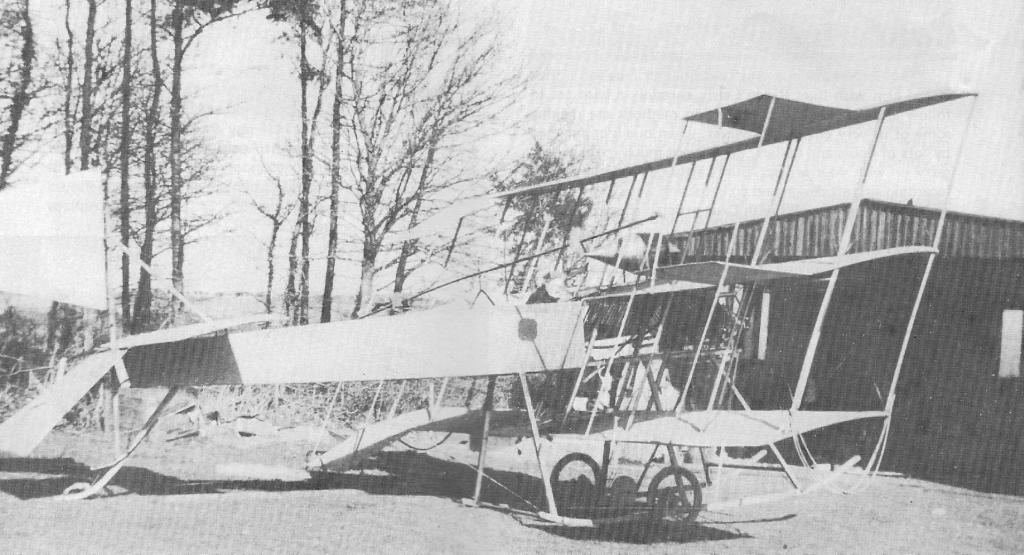
The second machine of Bertram Ogilvie wa a larger triplane about 12 feet high at the upper mainplane. The success of this aircraft is reputed to have been no better than that of the first. But Bertram Ogilvie, and Arthur Pickard-Hawkins, his employer, who’s help and encouragement had been instrumental in construction of these first two machines, set about building a third, still with the intention of testing Ogilvies ‘briai child’ the aileron.

Prior to construction of his first aircraft, Ogilvie built a small wing of about 4 foot span, mounting it behind a motor vehicle, and had observed its reaction when, with the aid of cords, the ailerons were activated.

By all accounts, the third aircraft proved successful, and Lord Kitchener who witnessed flights at ‘Grafton’, the Pickard-Hawkins’ property at Maraenui near Napier, was so impressed that he undertook to arrange publicity for Ogilvie and his aircraft should he take it to England.
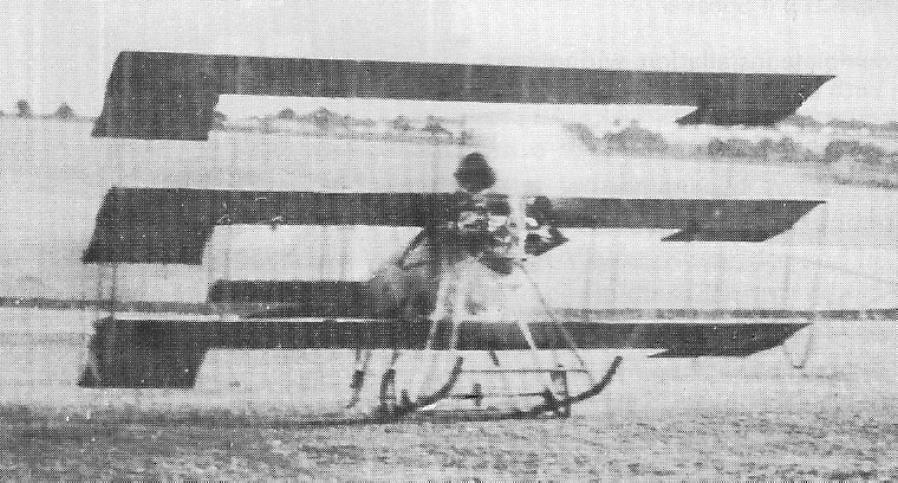
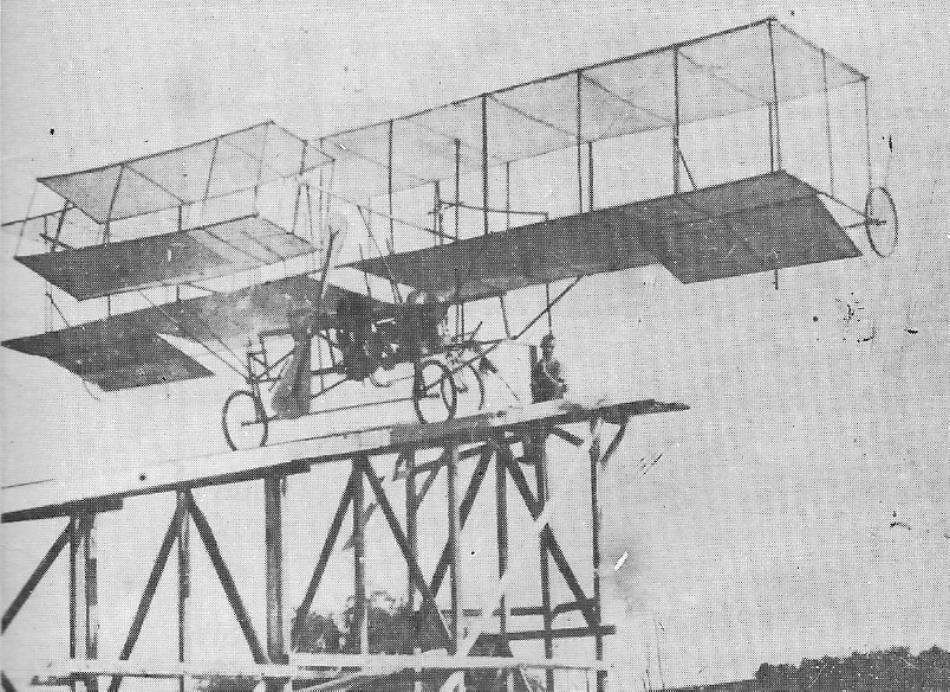
On arrival in the UK Ogilvie and Pickard-Hawkins assembled the aircraft at Aldershot. With top military personnel present in preparation for Oglvie’s display, difficulty was experienced in coaxing the engine into life and, in the ensuing confusion the throttle was left open. When the motor finally fired the aircraft careered across the airfield and was wrecked.

Arthur Pickard-Hawkins returned to New Zealand but Bertram Oglvie remained in the UK and became and aircraft designer with Handley Page Ltd.
Ogden

USA
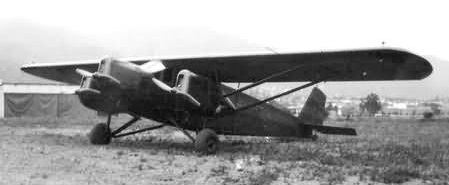
Established in 1929, Ogden’s only product was the trimotor Osprey cabin monoplane, offered in three versions: the Model C, which carried two crew and four passengers (seven passengers if the toilet was removed), the Model PB with Menasco B4 engines, and the Model PC with Menasco Pirate engines.

Offpiste Discovery

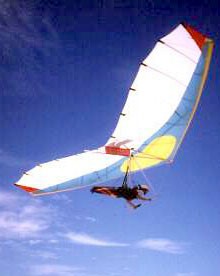
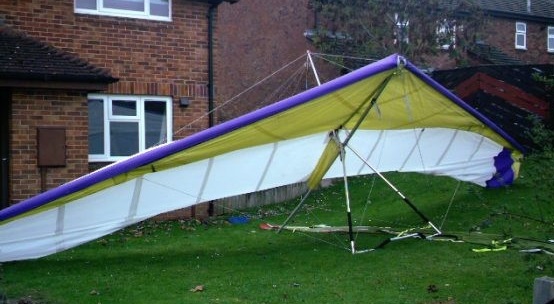
The 1996 Discovery was designed as a Skyfloater. It was aimed at those pilots wishing to fly for fun having found that the latest superships are demanding of skills especially in light wind conditions.

The 1996 Discovery was available in two sizes: 160 and 195. A feature of the Discovery is that it can be flown prone or seated.

Discovery 2

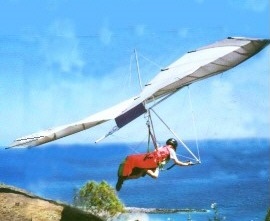
The 1997 Discovery 2 catered for all weights of pilot by four sizes: 160, 195, 195S and 210. The price was £1750, rising to £1800 for the 195 S version. A retro-fit kit was available for around £100 to upgrade the Mk 1 to Mk 2 spec.

The 1997 Discovery 2 was described as glorious in light conditions due to low wing loading and featherlight handling, however once you pull the bar in more than a few inches glide and sink rate are terrible.

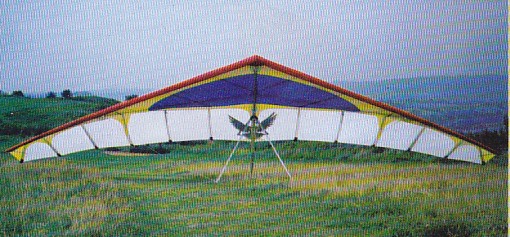
2006 Offpiste Discovery 195

Discovery 160

Discovery 195

Discovery 2 160
Wing area: 14.8 sq.m / 160 sq ft
Wing span: 9.14 m / 30 ft
Certification: BHPA
Pilot weight: 55-89 kg
Nose Angle: 125 deg
Aspect ratio: 5.6
Hang glider weight: 23 kg / 49 lb
Maximum speed: 128 km/h
Packed length: 5.3 m
Packed length short: 2.9 m
Number of battens: 12
Price (1998) £ 1948

Discovery 2 195
Wing area: 18.1 sq.m
Certification: BHPA
Pilot weight: 66-102 kg
Wing span: 10.36 m
Nose Angle: 125 deg
Aspect ratio: 5.6
Hang glider weight: 25 kg
Maximum speed: 128 km/h
Packed length: 5.8 m
Packed length short: 3.1 m
Number of battens: 12
Price (1998) £ 1948

Discovery 2 195 S
Wing area: 18.1 sq.m
Certification: BHPA
Pilot weight: 85-135 kg
Wing span: 10.36 m
Nose Angle: 125 deg
Aspect ratio: 5.6
Hang glider weight: 27 kg
Maximum speed: 128 km/h
Packed length: 5.8 m
Packed length short: 3.1 m
Number of battens: 12
Price (1998) £ 1998

Discovery 2 bi 210
Wing area: 19.6 sq.m
Certification: BHPA
Pilot weight: 114-178 kg
Wing span: 10.7 m
Nose Angle: 126 deg
Aspect ratio: 5.8
Hang glider weight: 30 kg
Maximum speed: 128 km/h
Packed length short: 3.35 m
Number of battens: 12
Price (1998) £ 2702