Roy Noel Francis was a designer and aviator who in 1913 founded the Paterson-Francis Aviation Company. Charles Paterson was probably the financier.
Era
Paterson No. 2 biplane
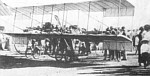
The 1911 Paterson No. 2 biplane was designed by C. C. Paterson and built by Liverpool Motor House Ltd in the UK.
The 1913 Paterson No. 2bis sea-biplane was designed by C. C. Paterson and built by Liverpool Motor House Ltd in the UK.
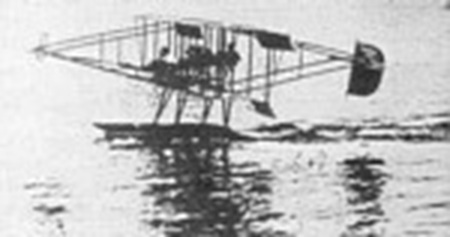
Paterson No. 2 biplane
Span: 32′
Length: 32’9″
Weight: 750 lb
1913 Paterson No. 2bis sea-biplane
Span: 32′
Length: 32’9″
Paterson 1911 biplane
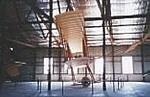
The 1911 Paterson biplane was designed by C.C. Paterson, and built by Paterson Aviation Syndicate (Kimberly) in South Africa.
Illustrated is a reproduction in SAAF Museum.
Patchen Explorer/Observer
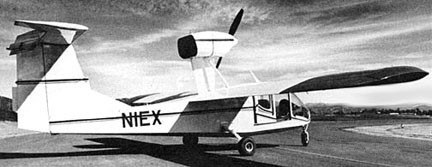
Only one Patchen Explorer was ever built, in the 1960s, registered N1EX.
By 1982 the prototype was shipped to the Republic of South Africa and evaluated by the SAAF’s test flight and development centre for use as a light recon forward air control aircraft, but was not quite what was required. As a result it languished in a hangar for many years before being donated to the SAAF Museum.
National Dynamics (Pty) Ltd, South Africa, was formed 1975 after acquiring the prototype and all production rights of the Patchen Explorer/Observer four-seat cabin lightplane conceived originally by Thurston Aviation Corporation in the U.S.A., as a landplane development of the Teal amphibian.
Engine: Lycoming, 200hp
Max speed: 130 mph
Cruise speed: 115 mph
Seat: 2
The aircraft is still alive and well, operated by the South African Air Force Museum. Why only one prototype was ever built I do not know, as it is a great little aircraft with a fantastic helicopter-type view from the cockpit. I will admit that it does not have the greatest control harmony (sensitive rudder and elevator, heavy ailerons), but it goes well with a 200hp Lycoming and variable-pitch prop. I served with the SAAF Museum during 1999 as a display pilot and flew the Patchen at many airshows. It looks so weird that it attracts far more interest at airshows than many of the vintage aircraft! (James R Feuilherade 11/15/00)
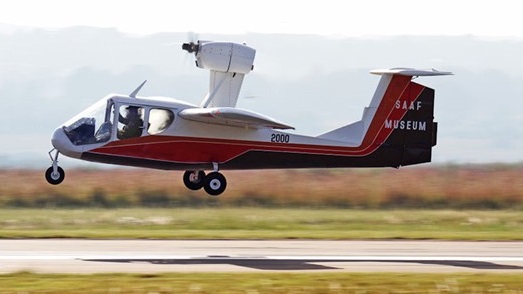
Patchen
Marvin Patchen
Ramona CA.
USA
Circa 1960s built the Explorer airplane
Passerat & Radiguet Sylphe
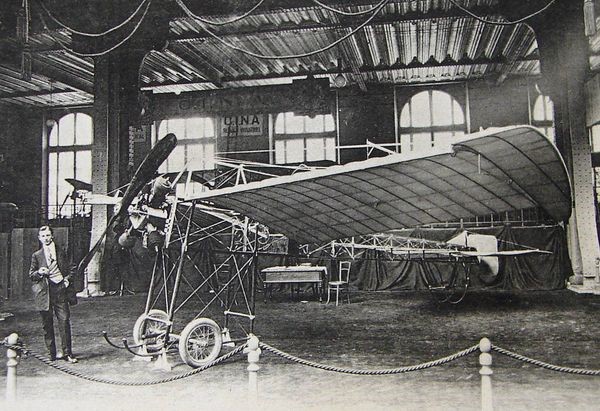
Designed and built by the Parisian automobile coachbuilding firm of Passerat & Radiguet, the monoplane “Sylphe” was displayed at the 2e Exposition Internationale AÈronautique (Salon de l’Aviation) held at the Grand Palais in Paris from October 15 until November 3, 1910.
Wingspan: 29′ 6″
Length: 43′
Weight gross: 1080 lbs
Pasped Skylark W-1
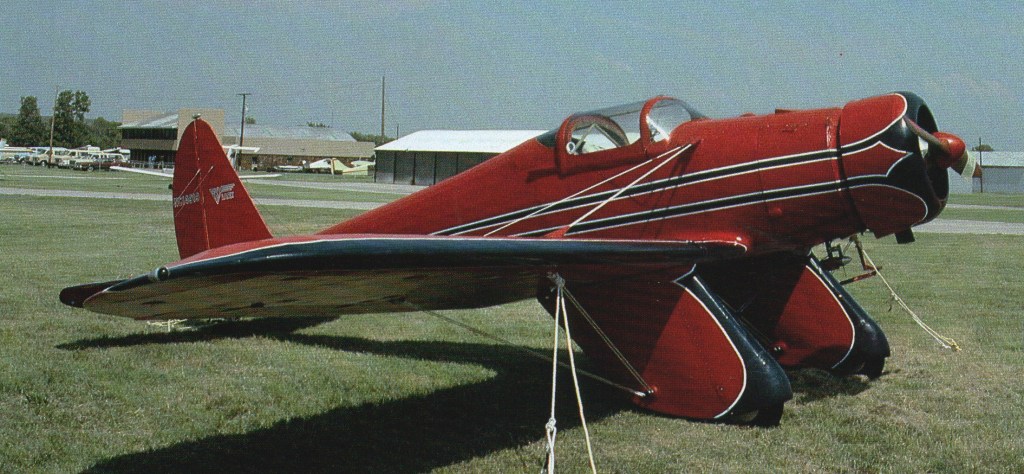
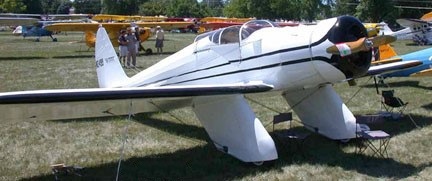
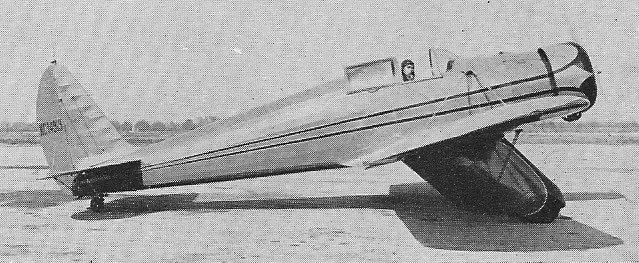
Based at Glendale, California, Fred Pastorius and Stanley Pederson designed the W-1 Skylark two-seat light cabin monoplane in 1935.
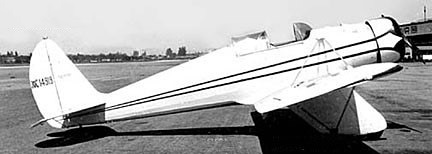
A prototype was built (ATC 2-546) NX/NC14919 c/n 1, powered with a 125 hp Warner Scarab engine. The W-1 was equipped with full-panted gear and side-by-side cockpit with optional enclosure. It was later approved for 145-165hp Warners, but only the one was built at a price of $4,485.
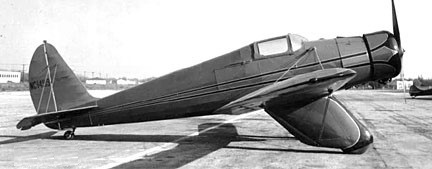
The prototype survived and was restored to flight circa 2002.
Engine: Warner Scarab, 125 hp
Wing span: 35’11”
Wing area: 187 sq.ft
Length: 25’0″
Height: 7 ft 11 in
Empty weight: 1288 lb
Loaded weight: 1775 lb
Useful load: 597 lb
Max speed: 139 mph
Cruise sped: 125 mph
Stall: 35 mph
ROC: 850 fpm
Service ceiling: 16.000 ft
Range: 475 mi
Seats: 2
Pasped Aircraft Company
Pasped Aircraft Co (fdrs: Fred Pastorius, Stanley Pederson)
Based at Glendale, California. Built Skylark two-seat light cabin monoplane in mid-1930s, with 125 hp Warner Scarab engine; there was no further development.
In 1941 Pasped was acquired by Skylark Mfg Co, Venice CA.
Pasotti F-9 Sparviero
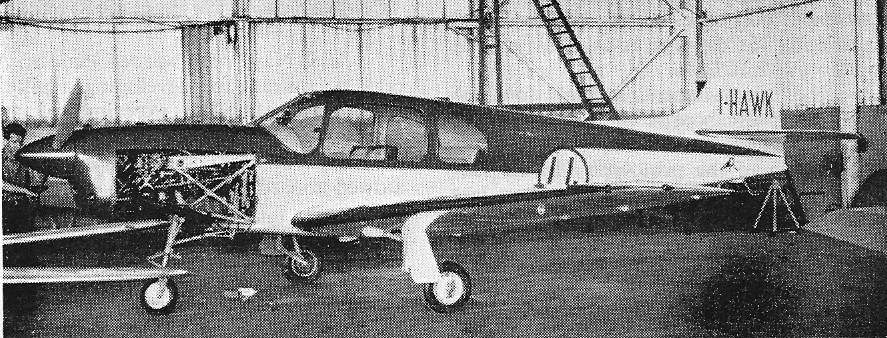
A single-engine version of the F.6, the prototype F-9 Sparviero (Sparrowhawk) made its first flight on 27 July 1956.
Developed by the S. Frati from the F.6 Airone twin, the four-seat F.9 prototype was powered by a 240 hp Hirth engine.
Pasotti F.6 Airone
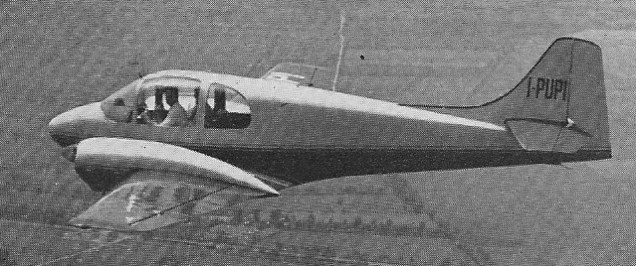
Designed by Stelio Frati and built by Legnami Passoti, the F.6 Airone is a four-seat low wing twin engine monoplane with dual controls.
A cabin monoplane with two Lycoming engines.
First flown on 13 July 1954, the prototype was powered by two 90 hp Continental C90-12Fs.
Engines: two 90 hp Continental C90-12F
Wingspan: 34 ft 9 in
Wing area: 163.6 sq.ft
Length: 23 ft 9.5 in
Empty weight: 1984 lb
Loaded weight: 3196 lb
Max speed: 198 mph
Cruise: 168 mph
Service ceiling: 21,325 ft
Range: 714 mi

