Phoenix Aircraft Ltd

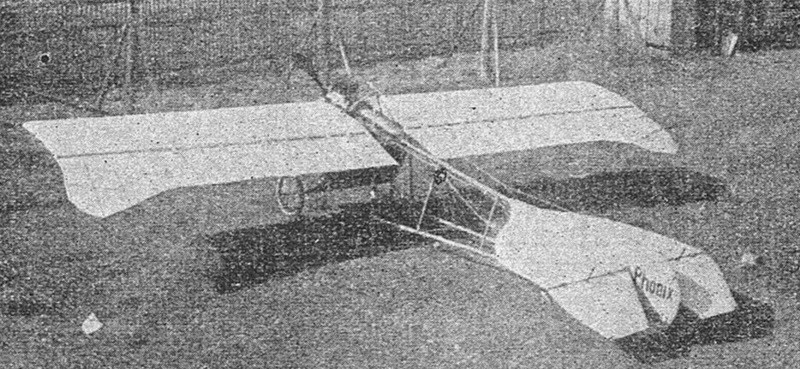
A hangar fire at the Phoenix Works in 1943 destroyed the single example of the LA5 Major, a two-seat cabin type first flown on 4 March 1939, and also spelt the end for the company. C. H. Latimer-Needham (chief designer of Luton Aircraft) founded a new company at Cranleigh, Surrey, in March 1958, appropriately named Phoenix Aircraft Ltd, which acquired the rights for the Minor and Major. Both designs were improved, the first as the LA4A Minor, and built in the UK and in several countries across the world.

In its time the company has dealt with the Luton LA.4/A Minor and LA.5/a Major, the Currie Wot, Luton Group Beta and Jodel D.11.

Phoenix (D&H) Ltd was also involved in research work and built the mock-up of the Syinton-Warren S-31-2 in 1971.

It ceased trading in 1973-4.
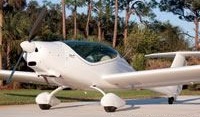
Phoenix Air Phoenix Motorglider

Phoenix Air’s honcho Jim Lee counts 14 more aircraft on his backordered list—a major LSA success story. The 49-foot span, Rotax 912ULS-powered low-wing taildragger won Sun ‘n Fun’s Best Commercial LSA award in 2012 and received three more sales. Base price 2012: $149,000.
Phoenix Air was rolling out a new Phoenix S-LSA motorglider every 18 days. They registered 10 aircraft in the US in 2012.

Under development in 2012 was the all-electric ePhoenix, using an in-house built motor and electronic flight controller. So far, flights have yielded one-hour durations, this is a two-seat LSA.

Phoenix Skywalker

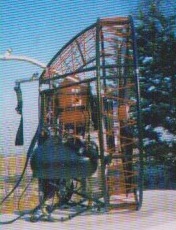
The Hirth engined Skywalker developed with a tuned exhaust and fan cooling with a 93 cm propeller.

Skywalker 210
Empty weight: 23 kg
Engine: Solo, 18 hp
Certification: vz
Reduction: 1:2.25
Prop diameter: 86 cm
Fuel capacity: 5 lt
Price (1998): 7400 DM

Skywalker 330
Empty weight: 24.5 kg
Engine: Hirth, 22 hp
Certification: vz
Reduction: 1:2.25
Prop diameter: 86 cm
Fuel capacity: 5 lt
Price (1998): 8300 DM

Phönix D.II

J.I

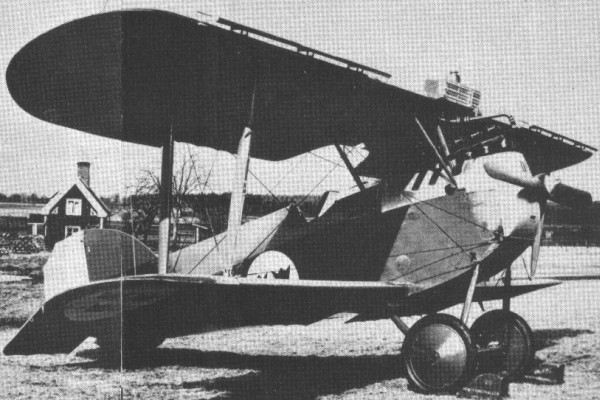
The D.I and D.II were flown during First World War by the Austro-Hungarian Flying Service, a few being fitted with cameras for high-speed aerial photo-reconnaissance work. Seventeen of the final batch of 122 Phonix D.IIs were completed as improved variants and transferred to the Swedish Army Air Service after the war.

Sweden built 15 of the WW1 Phoenix D2 and designated the type J-1.

Phönix C 1

No. 121.50

Powered by a Hiero IV engine and designed by Ing. Hieronymus some were made at Skoda Mlada Boleslav Company in Bohemia.

The aircraft used by the Austrian Air Force for recce duties.

Phoenix C 1
Engine: Hiero, IV 230 hp
Span: 11 m
Length: 7.5 m
Empty weight: 820 kg
Loaded weight: 1240 kg
Maximum speed: 176 km.p.h
Service ceiling: 6 000 m
Endurance: 3 hr
Armament: one synchronized machine gun plus one flanking the cockpit
Seats: Two