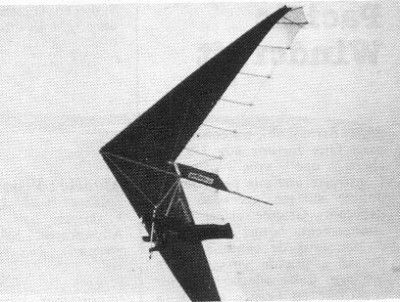
A 1985 hang glider for Intermediate pilots.
Gamma 150
Wing area: 15.5 m²
Wing span: 10.3 m
Aspect ratio: 6.8
Hang glider weight: 32 kg
Gamma 160
Wing area: 16.45 m²
Wing span: 10.6 m
Aspect ratio: 6.8
Hang glider weight: 34 kg
A 1985 hang glider for Intermediate pilots.
Gamma 150
Wing area: 15.5 m²
Wing span: 10.3 m
Aspect ratio: 6.8
Hang glider weight: 32 kg
Gamma 160
Wing area: 16.45 m²
Wing span: 10.6 m
Aspect ratio: 6.8
Hang glider weight: 34 kg
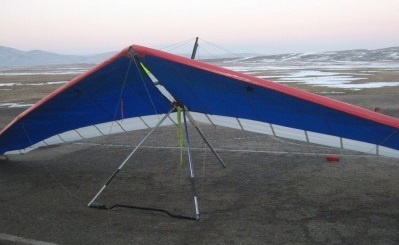
The FRC was a double surface at 74%.
FRC 15
Wing area: 14.7 m²
Wing span: 10.85 m
Aspect ratio: 8
Hang glider weight: 31 kg
Minimum pilot weight: 65 kg
Maximum pilot weight: 85 kg
Number of battens: 29
Nose angle: 132°
FRC 16
Wing area: 15.6 m²
Wing span: 10.85
Aspect ratio: 7.5
Hang glider weight: 32 kg
Minimum pilot weight: 80 kg
Packed length short: 4 m
Number of battens: 29
Nose angle: 132°
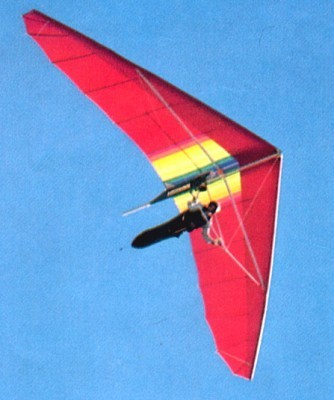
After the Polaris Delta, the copy of the Atlas, Polaris made the Super Delta. The Super one was 5000 francs more expensive than the Delta.
The Super Delta has a crossbar flow, and a better turn, with slow nice landing.
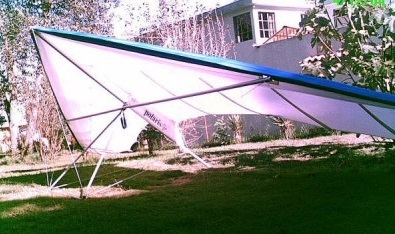
A 1984 hang glider. A copy of the Atlas.
Wing area: 13.5 m²
Wing span: 9.39 m
Aspect ratio: 6.4
Hang glider weight: 24 kg
Nose angle: 120°
Wing area: 15.8 m²
Wing span: 9.9 m
Aspect ratio: 6.2
Hang glider weight: 27 kg
Minimum pilot weight: 55 kg
Maximum pilot weight: 85 kg
Minimum speed: 25 km/h
Maximum speed: 65 km/h
Number of battens: 12
Nose angle: 120°
Wing area: 21 m²
Wing span: 10.5 m
Aspect ratio: 5.25
Hang glider weight: 34 kg
Nose angle: 120°
An Italian hang glider manufacturer circa 1984-7.
1983: Point Aviation Flugzeugbau GmbH, Balinbof¬strasse 19, 7136 Otisheim, West Germany.
UL builder
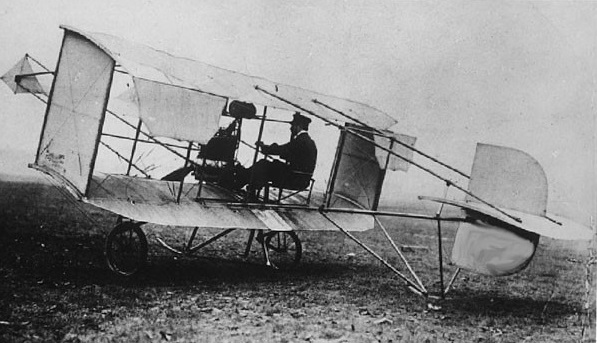
Brune Poelke of Frankfurt, Germany, built two types, the first was this cellular biplane with front horizontal surface and rear conventional surfaces and a Hoffman GHF engine. It was tested at the Griesheim Exerzierplatz near Darmstadt, but reportedly crashed immediately.
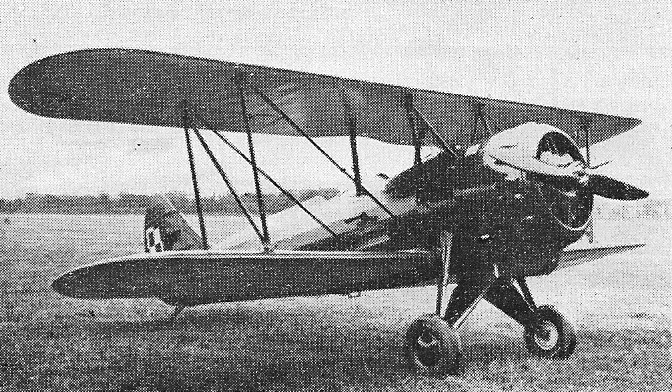
The PWS-16bis was first flown in 1933 and about sixty were built for training squadrons of the Polish air arm.
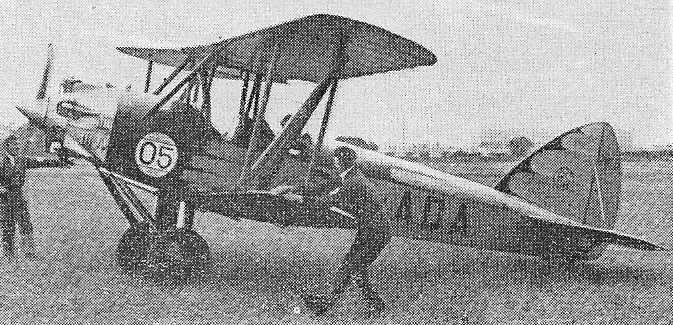
First flown in the autumn of 1929 the PWS-9 was a two/three seat sports and touring biplane. The seating was pilot and one passenger in the rear open cockpit, and the second passenger in the front cockpit. Behind the rear cockpit was a luggage compartment.
The PWS-8 was not built in large numbers.
One PWS-8, SPADA, took part in the 1930 European Challenge Cup and Completion ‘Rundflug’.
Engine: 85 hp Walter Vega
Span upper: 32 ft 9.5 in
Span lower: 24 ft 8 in
Height: 9 ft 8 in
Cruise: 80 mph
Range: 435 mi
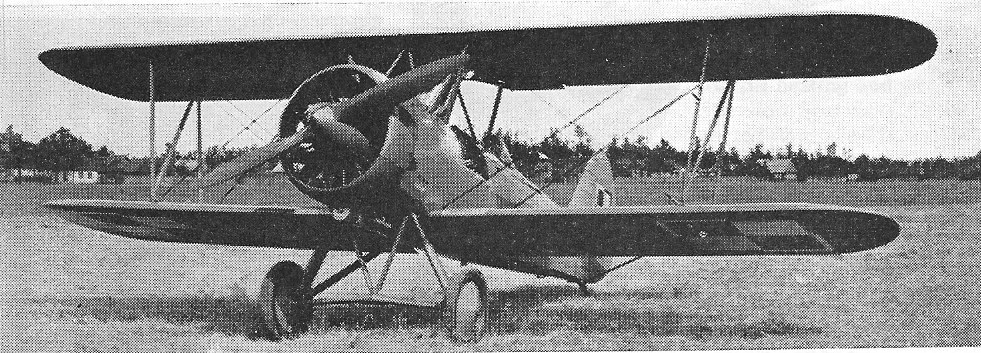
Built by the Podlaskan Aircraft Manufacturing Company at Biala Podlaska the two-seat advanced aerobatic PWS 12 was fist flown in the winter of 1931/32.
Engine: Skoda-Wright J-5, 220 hp
Max speed: 118 mph
AUW: 2425 lb
Span: 29 ft 6 in
Length: 22 ft 7.5 in

