USA
Developed CL-1 Zipper single-seat light aircraft with twin booms and pusher propeller, designed and built by Laister Sailplanes and first flown 1983.
1983
Cleary Aircraft Corporation
Suite 100
6600 North Harvey
Oklahoma City, OK,
USA
USA
Developed CL-1 Zipper single-seat light aircraft with twin booms and pusher propeller, designed and built by Laister Sailplanes and first flown 1983.
1983
Cleary Aircraft Corporation
Suite 100
6600 North Harvey
Oklahoma City, OK,
USA
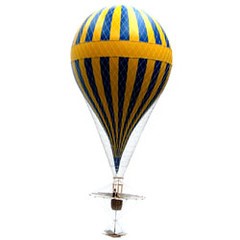
The Karl Friedrich Claudius balloon was equipped with a flat disc-like device that was located around the gondola. This was essentially a clap-valve wing which could be made to oscillate up and down, with the lift generated giving the balloon additional lift. On May 5th, 1811, Claudius made a flight from Berlin to Gartz, covering 18 miles in two hours.

John Thorp retired in 1985 and took the T-18 plans off the market. Lu Sunderland, having worked with John on a wider fuselage and folding wing option for the T-18, did a complete rework of the drawings and produced plans for the S-18. The S-18 is then a redesign of the Thorp T-18. The fuselage body is 2″ wider and 5″ longer than the standard T-18. Also it has a newer NASA computer designed Wing Airfoil, which is stated to lower the stall speed by 6-8 knots. This airfoil also allows a more gentle stall with adequate warning. The top and cruise speeds remain the same. An S-18 with an 160hp Lycoming IO-320 and Hartzel Constant Speed propeller will cruise around 180 mph at 8500 ft (MSL) on less than 7 GPH (gallons per hour of fuel).
The S-18, like the T-18 is an all metal 2 place side-by-side high performance aircraft. Control response is exceptional and control forces are well harmonized. The S-18 is a very capable cross-country airplane. It will carry 2 people and 80 lbs. of baggage. Powerplants range from Lycoming O-235 (115hp) to IO-360 (180).
Parts can be provided with matched holes so that parts fit together saving a lot of time in construction. Also parts are scribed to outer mold-lines or trim lines. No jigs are required. The airplane is built using 1/8″ solid aluminum rivets, but can be built using 1/8″ stainless steel pop rivets (but not recommended).
The S-18 has a folding wing designed by Lu Sunderland which can be swung around parallel to the fuselage making the airplane less than 8 feet wide. So that it can be trailered home or stored in small spaces.
Test Flights were completed on the S-18T Tri-Gear in May of 2003.
The S-18 was available in kit form from Classic Sport Aircraft. Pieces and parts for both the T-18 and the S-18 are available here also.
S-18T
Engine: Lycoming O-360
Propeller: constant speed
Wingspan 20′ 10″
Length 18′ 6″
Wing area: 86 sq.ft
Gross Weight 1600 lbs.
Empty Weight 1000 lbs.
Useful Load 600 lbs.
Fuel – Standard Tank 29 gallons
Fuel – Wing Tank 24 gallons
Rate of Climb 1500 fpm
Luggage Capacity 80 lbs.
Range (standard) 540 SM
Range (with optional wing tanks) 900 SM
Cruise – 75% power 180 mph
Top Speed 200 mph
Stall: 63 mph
Cockpit width; 40 in
Seating 2 side by side
Engine options: Lycoming 290, 320, or 360
The first effort to make Me 262 copies, which began in the early 1990s and involved warbird fan Stephen L. Snyder and a Texas aircraft restoration company, Classic Fighter Industries, dissolved in acrimony. Snyder called on Bob Hammer to take over the work. The effort was barely under way when Snyder died in the crash of his North American F-86 jet fighter in 1999.
The aircraft were taken over by the Texas Aircraft Factory.
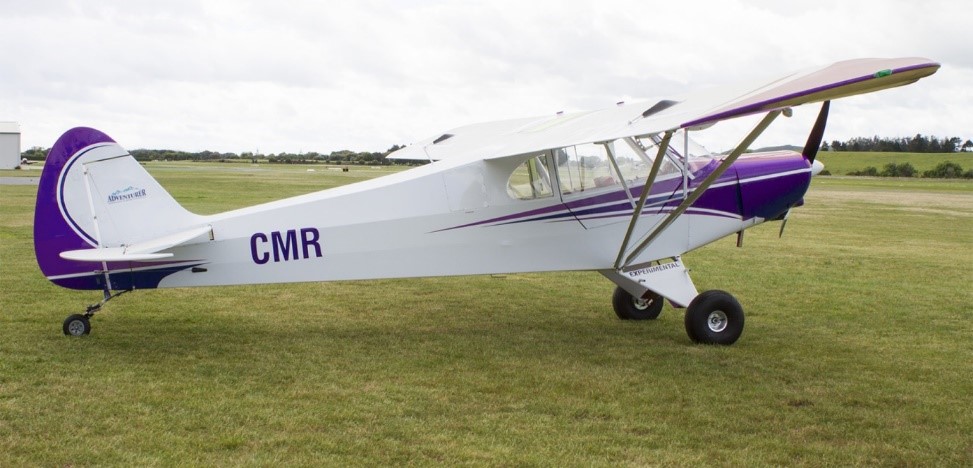
The CA18-1320 is the lightest weight version. It is designed for New Zealand’s CAA Class Two Microlight category with a maximum all up weight of 600Kgs.
The basic aircraft does not come equipped with flaps or large grass all terrain tyres to keep weight to a minimum. Fuel is limited in each wing tank to 35 litres.
For this model you can choose between a full size J3 or PA18 Cub. The added bonus is that solo flight is from the front seat.
The CA18-1530 model is based on the 100hp Cub. With its 1530 MAUW capacity this model is suited for engines up to 120hp. To accommodate the increased weight capacity from the CA18-1320 model, it has increased size of the timber framework within the fuselage. The wings are the same, however the wing lift struts are larger and 50 litre fuel tanks are fitted.
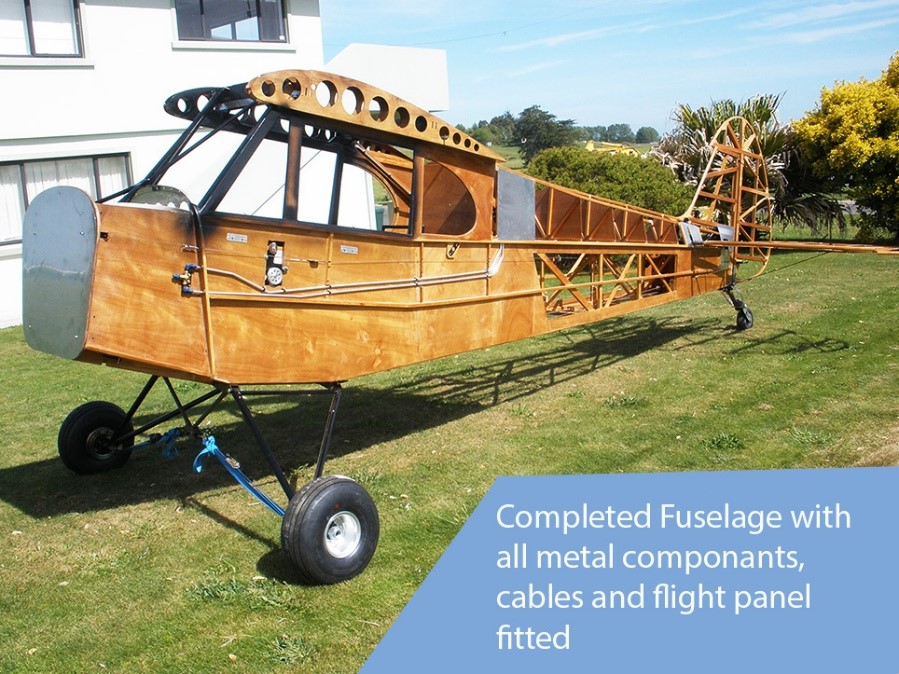
Extra options available for the CA18-1530 model include:
The CA18-1920 model is based on a 180hp retro fitted PA18 Super Cub. The CA18-1920 has a maximum all up weight of 1920lbs. To accommodate the increased load capacity, the timber framework within the fuselage along with the wing spar caps have been increased in size.
This model is an ideal platform to fit a STOL kit for those shorter and rougher landing areas.
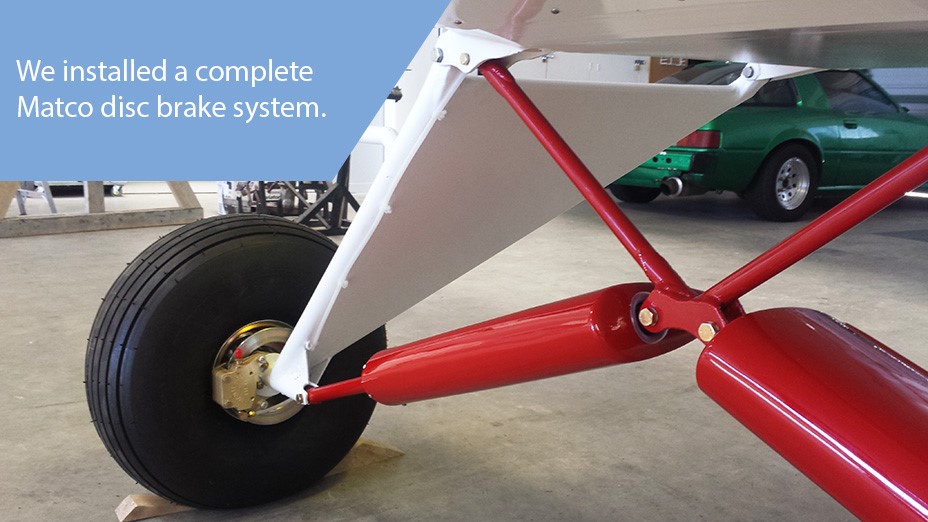
CADL was to be offering STOL components for this model by the end of 2016, the components were to include:
CA18-1320
Engine: Continental 0-200 / Rotax 912, 100 hp
Wing span: 10.668 m / 35.0 ft
Wing Area: 15.80 sq/m / 178.5 ft
MAUW: 1320 lbs
Fuel Capacity: 2 x 35 lt
Total useable fuel: 68 lt
Fuel type: 100 LL Avgas/ MOGAS
Main Landing Gear Tires: 6.00 x 4
Tail Wheel: 2.50 x 4
Axles & Bearings: 1 – ¼ inch
Brakes: Matco MLG
Wing Loading: 43.92 kgs/m / 8.5 lbs/ft
Wheel Base: 5.059 m / 16 ft
Wheel Track: 1.879 m / 74 in
Main Wheels: 21×8.00×6, 18 psi
Tail Wheel: 2.80×4, 20 psi
Elevator Maximum up Deflection: 25⁰
Elevator Maximum Down Deflection: 15⁰
Elevator Trim Maximum up Deflection: 3⁰
Elevator Maximum Down Deflection: 4⁰
Rudder Defection Left & Right: 25⁰
Tail wheel defection before unlocks to 360deg: 22⁰
Aileron deflection: Up 18deg, Down 18deg
Maximum G: +4, -0
Service Ceiling: 13,500ft
Manoeuvring Speed: 85 mph
Maximum Cruise: 100 mph
Never Exceed (Vne): 120 mph
Rate of Climb: 524 fpm at 71 mph
Best Angle of Climb: 64 mph
Best Rate of Climb (Ratio): 1 to 9.4
Stall Speed: 38 mph
CA18-1530
Engine: Continental O-200, 100 hp
Prop: Omega 71 x 41
Wing span: 10.668 m / 35.0 ft
Wing Area: 15.80 sq/m / 178.5 ft
MTOW: 1530 lb
Wing Loading: 43.92 kgs/m / 8.5 lbs/ft
Fuel Capacity: 2 x 50 lt
Total useable fuel: 98 lt
Fuel: 100 LL Avgas
Main Landing Gear Tires: 21/8.00 x 4
Tail Wheel: 2.80 x 4
Axles & Bearings: 1 – ¼ inch
Brakes: Matco MLG
Wheel Base: 5.059 m / 16 ft
Wheel Track: 1.879 m / 74 in
Main Wheels: 21×8.00×6 18 psi
Tail Wheel: 2.80×4, 20 psi
Elevator Deflection: +25⁰ / -15⁰
Elevator Trim Deflection: +3⁰ / -4⁰
Rudder Defection Left & Right: 25⁰
Tail wheel defection before unlocks to 360deg: 22⁰
Aileron deflection: Up 18deg / Down 18deg
Maximum Flap Speed (Vfe): 85 Mph
Flap deflection: 15deg / 25deg / 40deg
TO to 50ft: 332-372m
Landing dist from 50ft: 104-106m
ROC: 505-644 fpm at 71 mph
Stall Speed Angle of Bank 0⁰: 42 mph
Stall Speed Angle of Bank 10⁰: 44 mph
Stall Speed Angle of Bank 20⁰: 45 mph
Stall Speed Angle of Bank 30⁰: 47 mph
Stall Speed Angle of Bank 40⁰: 50 mph
Stall Speed Angle of Bank 60⁰: 55 mph
Stall Speed Angle of Bank 90⁰: 62 mph
Manoeuvring (Va): 90 mph
Max cruise: 110 mph
Never exceed: 138 mph
Flight Load: +4.4 / -0
Max Endurance: 5 hr
Service Ceiling: 13,500 ft
Manoeuvring Speed: 90 Mph
Max Cruise: 110 Mph
Never Exceed (Vne): 138 Mph
MAUW: 1530 lb
Best Rate of Climb: 624 fpm at 71 Mph
Best Angle of Climb: 64 Mph
Rate of Climb Ratio: 1 to 9.4
Stall Speed: 39 Mph
CA18-1920
Engine: Lycoming O-320 / 360, 160 / 180 hp
Wing span: 10.668 m / 35.0 ft
Wing Area: 15.80 sq/m / 178.5 ft
Fuel Capacity: 2 x 50 lt
Total useable fuel: 98 lt
Fuel: 100 LL Avgas
Main Landing Gear Tires: 21/8.00 x 4
Tail Wheel: 2.80 x 4
Axles & Bearings: 1 – ¼ inch
Brakes: Matco MLG
Wheel Base: 5.059 m / 16 ft
Wheel Track: 1.879 m / 74 in
Main Wheels: 21×8.00×6 18 psi
Tail Wheel: 2.80×4, 20 psi
Wing Loading: 43.92 kgs/m / 8.5 lbs/ft
Wheel Base: 5.059 m / 16 ft
Wheel Track: 1.879 m / 74 in
Main Wheels: 21×8.00×6 18 psi
Tail Wheel: 2.80×4, 20 psi
Elevator Deflection: +25⁰ / -15⁰
Elevator Trim Deflection: +3⁰ / -4⁰
Rudder Defection Left & Right: 25⁰
Tail wheel defection before unlocks to 360deg: 22⁰
Aileron deflection: Up 18deg / Down 18deg
Maximum Flap Speed (Vfe): 85 Mph
Flap deflection: 15deg / 25deg / 40deg
Flight Load: +4.4 / -0
Service Ceiling: 13,500 ft
Manoeuvring Speed: 94 Mph
Max cruise: 110 mph
Never exceed: 138 mph
MAUW: 1920 lb
ROC: 980 fpm at 71 mph
Best Angle of Climb: 64 Mph
Rate of Climb Ratio: 1 to 9.4
Stall Speed: 42 Mph
The concept of Classic Aviation Designs Limited was conceived in 2004, and the company was incorporated on 31 Janauary 2012. Originally the concept was to reintroduce affordable aviation at grassroot levels to new and experienced builders of aircraft.
Designing and building of the Adventurer CA18 was as a sideline. Part of the inspiration behind the Adventurer CA18 was to attract a new generation to sport flying and aviation related careers.
With the assistance of some key people such as Sid Siddiqi an ex Nasa engineer and retiree, CADL was able to present the concept of the Clubflyer Education Programme (CEP) at the 2011 and 2012 Oshkosh Trade Show. This concept was universally agreed, by all who attended the talks or from those spoken to privately at the event, that the programme had good merit to help revitalise the aging issues of aviation.
From the initial concept it was identified that private builders would also be interested in building the aircraft. CADL revised its initial education project to also incorporate a private builders programme.
USA
Produces the Waco Classic YMF Super biplane as modern version of pre-war Waco Model F open-cockpit, three-seater.
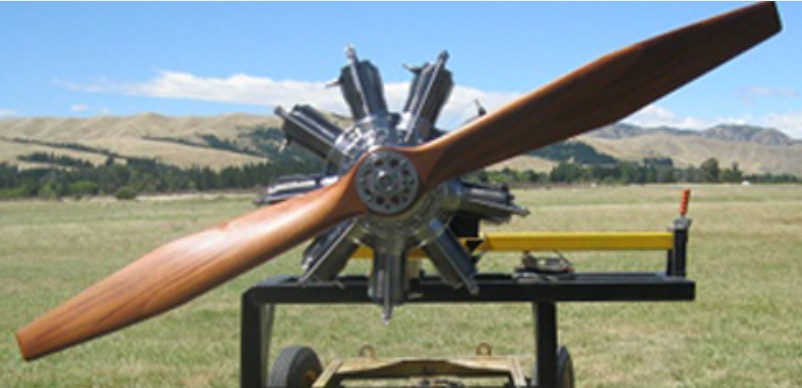
Mr Wytenburg, who started building parts for old warplanes in Blenheim in 2004, has built an international reputation for reverse engineering and remanufacturing aircraft parts, frames and engines.
Building the Gnomes has “been a dream come true” for the aviation engineer, who had been trying to find one of the original engines to use as a template for almost five years. Once he had an engine to copy, he wanted to have five buyers lined up, to ensure it was a viable enterprise, he said.
Classic Aero Machinery Service owner Tony Wytenburg had spent the past four months working full-time on building the shell of his first Gnome 100 horsepower Monosoupape rotary engine.
Tony has stripped an original Gnome and generated CAD drawings from that. From those he will manufacture new engines as close as possible to the original. There were some significant engineering challenges associated with this, which Tony has identified and come up with modern day fixes to a 90 plus year old design.
Known issues included the concern that some of the original ball bearing sizes were no longer available. Standard off-the-shelf bearings are used, and modifications made to suit these. Other changes are the use of aluminium pistons and modern ring combinations instead of the cast iron used in the originals.
On Friday the 31st January 2014 at 3.35pm at the Omaka Airfield, Marlborough, New Zealand, CAMS Aero Engines 100 hp Gnome CAMS 001 ran for the first time. The official launch and start-up was scheduled for 18th of February at Omaka Airfield.
It cost about $200,000 to make one engine but the cost reduced considerably when manufacturing to scale. At the end of 2013, Wytenburg had three buyers on board and decided to get started early.
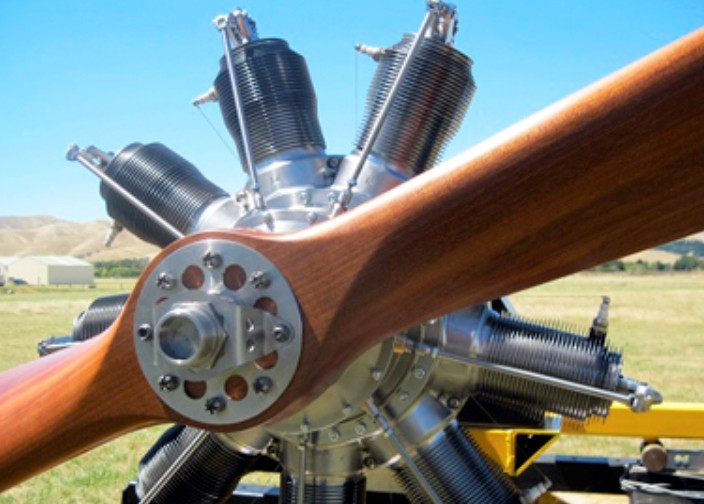
In order to maintain 100% authenticity, The Australian Vintage Aviation Society ordered a 100hp Gnome Rotary engine built to fit to the Fokker E.III Eindekker. The work is being done by Tony Wytenburg of Classic Aero Machining Service (CAMS), in Blenheim NZ.
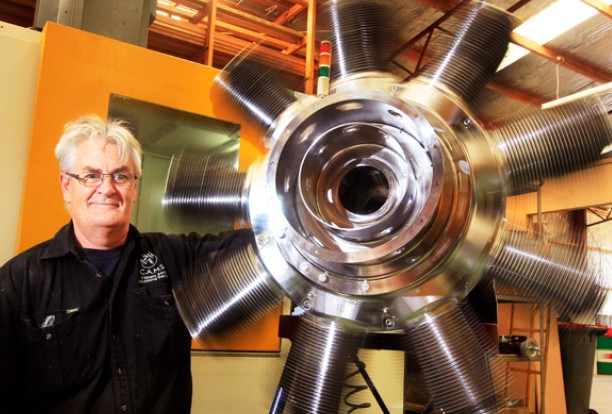
Tony Wytenburg and his team at CAMS Aero Engines has a track record with the re-manufacture of the first RAF 1a engine, which was in turn, the first WW-I aero engine to be built new to operational condition, anywhere in the world, since the Great War period. This, followed by the 100 hp Gnome rotary.
Classic Aero Enterprises handled the Howland Aero Design designs since the liquidation in 1995.
1996-8: 343 Wrexham Court, Hampton, VA 23669, USA.

